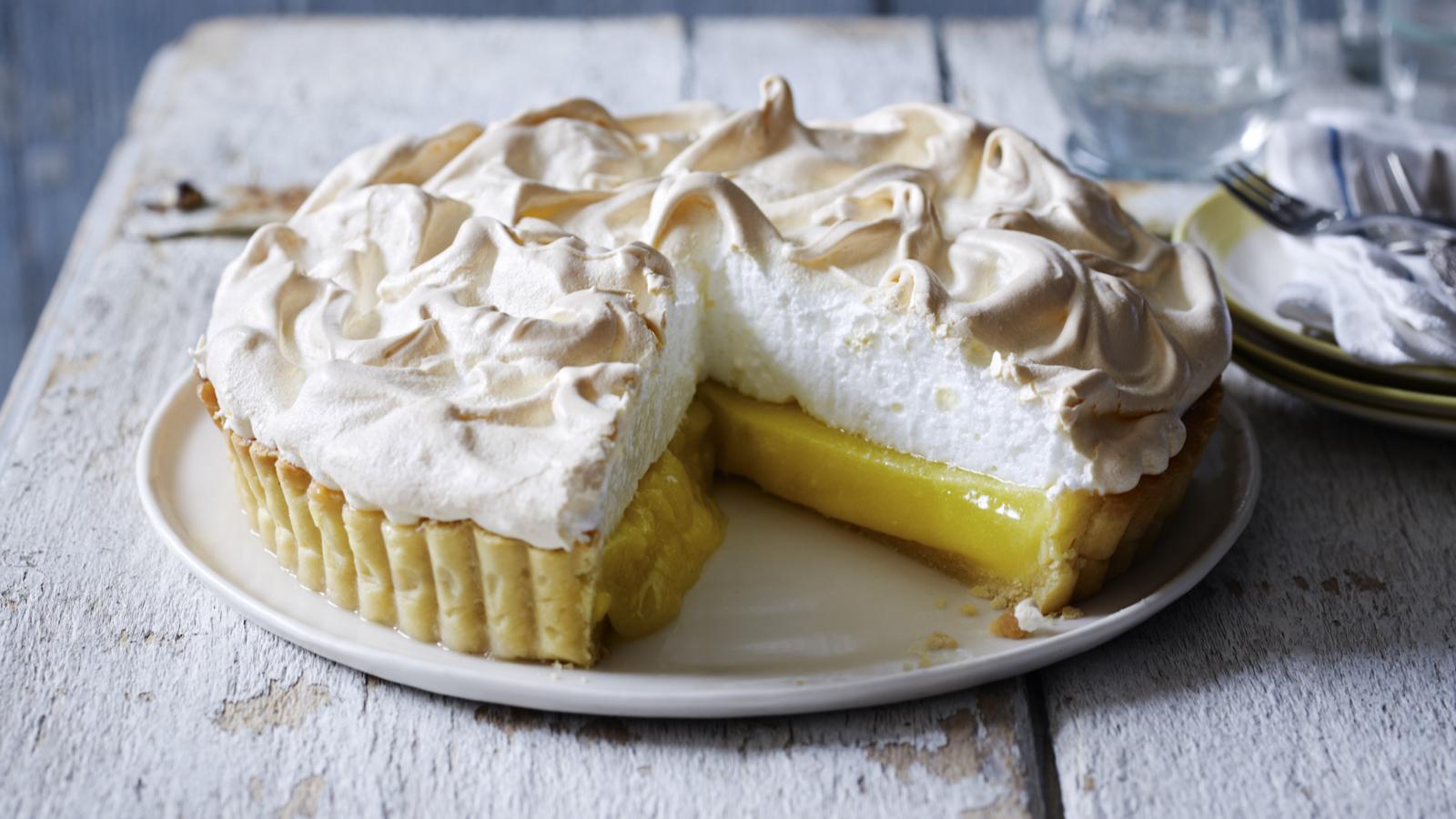
Lemon Meringue Pie Recipe: Lemon meringue pie is one of those timeless desserts that delivers everything we want from a classic homemade bake: a buttery crust, a bright and silky lemon filling, and a light, glossy meringue topping with a beautifully golden finish. When prepared properly, this pie offers the perfect balance of sweetness and citrusy sharpness, with each layer distinct yet harmonious.
This guide walks through a dependable method for making a homemade lemon meringue pie from scratch, using straightforward ingredients and clear steps that help us achieve a pie with clean slices, rich lemon flavor, and stable meringue. Whether we are baking for a family dessert, a celebration, or simply because we want a truly satisfying citrus pie, this recipe delivers excellent results.
Why This Lemon Meringue Pie Recipe Works
A great lemon meringue pie recipe depends on three things: a crust that stays crisp, a filling that sets properly, and a meringue that holds its shape without weeping. This method focuses on all three. We start with a well-baked pie shell so the base stays firm. We then cook the lemon filling until it becomes thick, smooth, and glossy. Finally, we top the pie with a carefully whipped meringue that seals to the edges and browns beautifully in the oven.
The result is a dessert that looks elegant and tastes fresh, vibrant, and homemade. It is the kind of pie that stands out on any table because the contrast between the tangy lemon curd-style filling and the sweet cloud-like meringue is unforgettable.
Ingredients You’ll Need
For the Pie Crust
- 1 1/4 cups all-purpose flour
- 1/2 teaspoon salt
- 1 tablespoon granulated sugar
- 1/2 cup cold unsalted butter, cut into cubes
- 3 to 4 tablespoons ice water
For the Lemon Filling
- 1 cup granulated sugar
- 1/4 cup cornstarch
- 1/4 teaspoon salt
- 1 1/2 cups water
- 4 large egg yolks
- 1/2 cup fresh lemon juice
- 1 tablespoon lemon zest
- 2 tablespoons unsalted butter
For the Meringue Topping
- 4 large egg whites
- 1/2 teaspoon cream of tartar
- 1/2 cup granulated sugar
- 1/2 teaspoon vanilla extract
Essential Notes Before We Begin
For the best homemade lemon meringue pie, fresh lemons matter. Bottled juice can work in a pinch, but fresh lemon juice and zest create a cleaner, brighter flavor that makes the filling taste more vibrant. It is also important to separate the eggs carefully. Even a small trace of yolk in the whites can affect the meringue’s volume.
We also want to make sure the filling is still warm when the meringue goes on top. Warm filling helps the meringue adhere better and reduces the chance of shrinking after baking.
How to Make the Pie Crust
Step 1: Combine the Dry Ingredients
In a large bowl, whisk together the flour, salt, and sugar. This creates an even base for the crust and ensures the seasoning is distributed throughout the dough.
Step 2: Cut in the Butter
Add the cold butter cubes to the flour mixture. Using a pastry cutter or fingertips, work the butter into the flour until the mixture resembles coarse crumbs with a few pea-sized pieces of butter still visible. Those small pieces of butter help create a more flaky pie crust.
Step 3: Add Ice Water
Drizzle in the ice water, one tablespoon at a time, mixing gently just until the dough begins to come together. We do not want to overwork it. Once the dough can hold together when pressed, shape it into a disc.
Step 4: Chill the Dough
Wrap the dough and refrigerate it for at least 30 minutes. Chilling relaxes the gluten and firms up the butter, which helps the crust hold its shape and bake more evenly.
Step 5: Roll and Fit the Crust
On a lightly floured surface, roll the dough into a circle large enough to fit a 9-inch pie plate. Transfer it carefully to the pan, press it into the bottom and sides, and trim any excess. Crimp the edges as desired.
Step 6: Blind Bake the Crust
Preheat the oven to 375°F (190°C). Line the crust with parchment paper and fill it with pie weights or dried beans. Bake for 15 minutes, then remove the weights and parchment and bake for another 10 to 12 minutes, or until lightly golden. Set aside.
A properly baked shell is one of the keys to a successful lemon meringue pie because it prevents the bottom from turning soft once the filling is added.
How to Make the Lemon Filling
Step 1: Mix the Sugar, Cornstarch, and Salt
In a medium saucepan, whisk together the granulated sugar, cornstarch, and salt. This prevents lumps and ensures the thickener is evenly distributed.
Step 2: Add Water and Cook
Gradually whisk in the water until smooth. Place the saucepan over medium heat and cook, whisking constantly, until the mixture thickens and begins to bubble. This usually takes several minutes. The mixture should look smooth and glossy.
Step 3: Temper the Egg Yolks
In a separate bowl, lightly beat the egg yolks. Slowly add a few spoonfuls of the hot sugar mixture into the yolks while whisking constantly. This gently raises the temperature of the yolks and prevents scrambling.
Step 4: Return to the Pan
Pour the tempered yolks back into the saucepan. Continue cooking for about 2 minutes, whisking continuously, until the filling becomes thick and rich.
Step 5: Add Lemon Juice, Zest, and Butter
Remove the saucepan from the heat. Stir in the fresh lemon juice, lemon zest, and butter until fully incorporated. The filling should be smooth, fragrant, and full of bright citrus flavor.
Step 6: Pour into the Baked Crust
Pour the warm lemon filling into the prepared crust and smooth the top gently. Keep the filling warm while preparing the meringue.
How to Make the Meringue Topping
Step 1: Beat the Egg Whites
In a clean, dry mixing bowl, beat the egg whites and cream of tartar on medium speed until foamy. The cream of tartar helps stabilize the meringue and improves its structure.
Step 2: Add Sugar Gradually
Increase the speed and gradually add the granulated sugar, one spoonful at a time. Continue beating until stiff, glossy peaks form. The meringue should look thick, smooth, and shiny, not dry or grainy.
Step 3: Add Vanilla
Beat in the vanilla extract just until combined. This adds a subtle flavor that complements the lemon beautifully.
Assembling the Lemon Meringue Pie
Spoon the meringue over the warm lemon filling. Spread it all the way to the crust edges so it seals the filling completely. This step is important because sealing the edges helps prevent the meringue from shrinking during baking.
Use the back of a spoon or spatula to create decorative swirls and peaks across the top. These raised areas brown beautifully and give the finished pie its classic appearance.
Baking the Pie
Place the assembled pie in the oven at 350°F (175°C) and bake for 10 to 15 minutes, or until the meringue is lightly golden on top. Watch carefully near the end so the peaks brown without burning.
Once baked, remove the pie and let it cool at room temperature. After that, refrigerate it for several hours so the filling can set fully. Chilling makes slicing easier and helps the layers hold cleanly.
Tips for the Best Lemon Meringue Pie
A few small details make a major difference in the final result. First, always use fresh lemon juice for the filling. It gives the pie a more vibrant, natural citrus flavor. Second, never rush the thickening stage of the filling. It needs enough cooking time to set properly once cooled. Third, spread the meringue onto hot or warm filling, not cold filling, because this helps bond the layers and improves stability.
It also helps to avoid baking on very humid days if possible, since humidity can affect meringue texture. When whipping the egg whites, clean equipment matters. Any grease in the bowl can interfere with volume and structure.
How to Know the Pie Is Done
The crust should be lightly golden and firm. The filling should be thick and smooth, not runny. The meringue should hold stiff peaks and develop a delicate golden color on the ridges and swirls. After chilling, the pie should slice neatly, with each layer remaining distinct.
A good lemon meringue pie recipe produces a filling that is luscious but stable, and a meringue that is airy but not collapsing. When cut, the lemon layer should hold its shape without spilling.
Serving Suggestions
This pie is best served chilled or slightly cool. A sharp knife wiped clean between slices gives the neatest presentation. Because the pie already combines rich texture with bright citrus flavor, it needs little else on the plate. It stands perfectly on its own as a centerpiece dessert.
For a polished presentation, we can garnish the serving plate with a little lemon zest or a thin twist of lemon peel. That simple touch reinforces the fresh flavor of the filling and adds an elegant look.
Storage Tips
Store the pie in the refrigerator, loosely covered, for up to 2 days for the best texture and flavor. Lemon meringue pie is always at its best when fresh, especially because meringue can gradually release moisture over time. For the cleanest slices and the best appearance, it is ideal to serve it on the day it is made or the following day.
Freezing is not recommended for the fully assembled pie because the meringue texture can change after thawing. For the highest quality result, fresh preparation gives the most reliable outcome.
Common Mistakes to Avoid
One common mistake is undercooking the filling. If the starch mixture does not cook long enough, the pie may not set properly. Another is adding meringue to a cold filling, which can cause separation. Overbeating the meringue can also create a dry texture that is harder to spread and more likely to crack.
A pale, underbaked crust can also affect the final texture. Since the filling is added after blind baking, the crust needs enough oven time up front to stay crisp once the pie is fully assembled.
Why This Classic Pie Remains a Favorite
There is a reason lemon meringue pie has remained a beloved dessert for generations. It brings together contrast in the best possible way: crisp pastry, smooth lemon filling, and soft toasted meringue. Each bite feels bright, balanced, and satisfying. It is elegant enough for special occasions yet familiar enough to feel comforting and homemade.
When we follow a reliable method and pay attention to each layer, the final pie becomes more than just a dessert. It becomes a standout bake with classic appeal, beautiful presentation, and a flavor that never goes out of style.
FAQs about Lemon Meringue Pie Recipe
1. What is lemon meringue pie?
Lemon meringue pie is a classic dessert made with a pie crust, a tangy lemon filling, and a light, fluffy meringue topping that is baked until golden.
2. What ingredients are used in a lemon meringue pie recipe?
A typical recipe includes pie crust, lemon juice, lemon zest, sugar, egg yolks, cornstarch, and butter for the filling. The meringue is usually made with egg whites and sugar.
3. Why does lemon meringue pie get watery?
It can become watery if the filling is not cooked long enough or if the meringue is added to a cool filling. Beading can also happen when the pie is overbaked or stored too long.
4. How do I keep the meringue from shrinking?
Spread the meringue all the way to the edges of the crust so it seals the filling. This helps prevent shrinking and keeps the topping in place.
5. Do I need fresh lemon juice?
Fresh lemon juice is best because it gives the pie a brighter, cleaner flavor. Fresh zest also adds extra lemon taste.
6. How do I know when lemon meringue pie is done?
The pie is done when the meringue is lightly golden and the filling is set after cooling. The center should no longer look runny.
7. Should lemon meringue pie be refrigerated?
Yes, after it cools, lemon meringue pie should be refrigerated. It is best enjoyed within 1 to 2 days for the best texture and flavor.
Conclusion
This lemon meringue pie recipe delivers everything we want in a classic citrus dessert: a flaky crust, a rich and tangy lemon center, and a lofty meringue topping with a delicate golden finish. With the right ingredients, careful cooking, and proper assembly, we can create a pie that looks impressive and tastes even better. It is bright, smooth, sweet, and sharp in all the right ways, making it one of the most rewarding pies to bake from scratch.