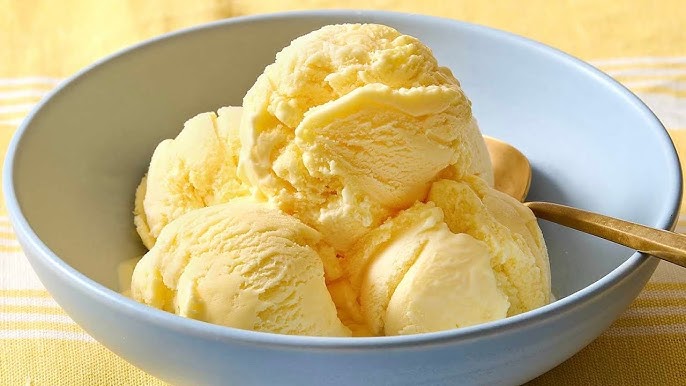
Few desserts deliver the same clean, bright, creamy satisfaction as a well-made lemon ice cream recipe. It is refreshing, rich, smooth, and packed with bold citrus flavor that feels light on the palate while still offering the indulgent texture we expect from homemade ice cream. When prepared properly, lemon ice cream balances sweetness, tanginess, creaminess, and freshness in every spoonful. The result is a dessert that works beautifully in warm weather, after a hearty meal, or whenever we want a frozen treat that tastes elegant and vibrant.
This guide covers everything needed to prepare a deeply flavorful homemade lemon ice cream with a silky texture and a strong lemon aroma. We will use simple ingredients, clear steps, and practical methods that help us achieve a professional result at home.
Why This Lemon Ice Cream Recipe Works
A great lemon ice cream recipe depends on more than simply adding lemon juice to cream. Lemon contains acid, and acid can affect texture if it is not handled correctly. The secret is to build flavor in layers. We use fresh lemon zest for intense citrus aroma, fresh lemon juice for brightness, and a rich dairy base for body and smoothness.
This method works because it creates the right balance between tart and sweet. The cream and milk soften the sharp edges of the lemon, while the sugar keeps the frozen texture from becoming hard and icy. Egg yolks, when included, help form a richer custard base that churns into a softer, creamier finish. The result is an ice cream that tastes fresh, luxurious, and well-rounded rather than sour or overly sweet.
Ingredients You’ll Need
To prepare this lemon ice cream recipe, gather the following ingredients:
- 2 cups heavy cream
- 1 cup whole milk
- 3/4 cup granulated sugar
- 4 large egg yolks
- 2 tablespoons finely grated fresh lemon zest
- 1/2 cup fresh lemon juice
- 1 teaspoon pure vanilla extract
- Pinch of salt
These ingredients produce a creamy lemon ice cream with a smooth body and a strong citrus finish. Fresh lemons are essential here. Bottled juice does not provide the same bright, natural flavor or aromatic depth.
Choosing the Best Lemons for Lemon Ice Cream
The flavor of this dessert depends heavily on the fruit. We should always choose fresh, firm, fragrant lemons with bright yellow skin. Thin-skinned lemons often provide more juice, while zest from unwaxed lemons gives a cleaner citrus fragrance.
Because the zest contains highly concentrated oils, it plays a major role in giving the ice cream its signature flavor. That is why it is important to zest only the yellow part of the peel. The white layer underneath, known as the pith, can introduce bitterness and reduce the clean citrus taste we want.
Kitchen Tools That Make the Process Easier
This step-by-step lemon ice cream recipe becomes much easier with the right tools. A medium saucepan, a whisk, a fine grater or zester, a mixing bowl, a fine mesh strainer, and an ice cream maker all help us achieve the best texture. A thermometer is also useful for monitoring the custard, although careful attention can work just as well.
If we want a more refined result, chilling the mixture thoroughly before churning is essential. This improves consistency and helps the ice cream freeze faster in the machine, which reduces ice crystals and creates a creamier final dessert.
How to Prepare the Lemon Base
The first step in any excellent homemade lemon ice cream recipe is building the flavor base.
In a saucepan, combine the heavy cream, whole milk, and about half of the granulated sugar. Heat the mixture over medium heat until it is warm and steaming, but not boiling. Stir gently so the sugar dissolves fully into the dairy.
In a separate bowl, whisk the egg yolks with the remaining sugar until the mixture looks slightly lighter and smoother. This step helps create the structure for the custard base and ensures the yolks blend evenly into the warm dairy.
Once the cream mixture is hot, slowly pour a small amount into the yolks while whisking constantly. This tempers the eggs and prevents scrambling. Continue adding the warm cream gradually until the egg mixture is warm, then pour everything back into the saucepan.
Cook the custard over low to medium heat, stirring continuously with a spatula or wooden spoon. The mixture is ready when it thickens enough to coat the back of the spoon. It should not boil. Overheating can cause the eggs to curdle and spoil the texture.
Adding the Lemon Flavor Properly
Once the custard thickens, remove it from the heat. Stir in the lemon zest, salt, and vanilla extract. Let the zest infuse into the warm base for several minutes so the oils release fully.
The fresh lemon juice should be added after the base cools slightly. This matters because adding acidic juice to very hot dairy can affect the smoothness. When the mixture is warm rather than piping hot, the lemon juice blends more gently into the custard while preserving its bright taste.
After adding the juice, strain the mixture through a fine mesh sieve into a clean bowl. This removes any bits of cooked egg or coarse zest and leaves us with a smoother ice cream base.
Chilling the Mixture for Better Texture
Before churning, cover the bowl and chill the lemon mixture thoroughly in the refrigerator. It should be cold from top to bottom. This resting period does more than cool the base. It gives the flavors time to develop and deepen, which makes the lemon taste more integrated and rounded.
A properly chilled base also churns more efficiently. When the mixture enters the ice cream maker already cold, it freezes faster and forms smaller ice crystals. That is one of the biggest differences between average frozen desserts and truly creamy lemon ice cream.
Step-by-Step Guide to Churning Lemon Ice Cream
Step 1 – Prepare the Ice Cream Maker
Make sure the bowl of the ice cream machine is fully frozen if it requires pre-freezing. A bowl that is not cold enough can lead to a loose, slushy texture.
Step 2 – Pour in the Chilled Lemon Base
Give the cold custard a quick stir, then pour it into the machine. The mixture should smell intensely lemony and feel slightly thicker from chilling.
Step 3 – Churn Until Thick and Creamy
Run the machine according to the manufacturer’s instructions. In most cases, the ice cream will take on a soft-serve consistency as it churns. This stage is where air is incorporated and the texture becomes light yet rich.
Step 4 – Transfer to a Freezer-Safe Container
Once churned, spoon the lemon ice cream into a container. Smooth the top and press a sheet of parchment paper or plastic wrap gently against the surface to reduce ice formation.
Step 5 – Freeze Until Firm
Place the container in the freezer until the ice cream firms up enough to scoop cleanly. At this point, the flavor will become even more defined, and the texture will settle into a dense, creamy finish.
How to Get the Best Creamy Texture
Texture matters just as much as flavor in a successful lemon ice cream recipe. A few simple practices help us achieve a smoother result. First, use enough fat. Heavy cream is essential because it gives body and richness. Second, do not reduce the sugar too much. Sugar helps keep the ice cream scoopable. Third, chill the base thoroughly before churning. Finally, store the finished ice cream in an airtight container to protect it from freezer burn and unwanted crystals.
If the ice cream becomes very firm after long freezing, allow it to sit at room temperature briefly before serving. This helps restore its creamy scoopable texture.
Serving Ideas for Lemon Ice Cream
This dessert is refreshing enough to serve on its own, yet versatile enough to pair with many other flavors. A scoop of lemon ice cream works beautifully with shortbread cookies, berry compote, fresh strawberries, or a simple mint garnish. It can also be served alongside pound cake, fruit tart, or crisp wafers for a more elegant presentation.
For a lighter finish, serve it in chilled bowls with extra lemon zest on top. For a richer dessert plate, pair it with buttery pastries or soft sponge cake. The citrus cuts through sweetness and adds a clean finish that makes the whole plate feel balanced.
Common Mistakes to Avoid
A few small errors can affect the final result of this homemade lemon ice cream recipe.
One common mistake is using too much lemon juice without enough cream or sugar. That can produce a flavor that is too sharp and a texture that freezes hard. Another mistake is overheating the custard, which can lead to scrambled egg bits or a grainy mouthfeel. Skipping the chilling stage is also a problem because warm bases do not churn well and usually form larger ice crystals.
Using old lemons can dull the flavor, while poor-quality dairy can reduce richness. For the best outcome, every ingredient should be fresh and properly measured.
How to Store Lemon Ice Cream
Store the finished ice cream in a tightly sealed container in the coldest part of the freezer. Keeping air away from the surface helps preserve both flavor and texture. For the freshest taste, enjoy it within a reasonable storage period while the citrus notes are still bright and the texture remains creamy.
When serving, use a warmed scoop for cleaner portions. Always return the container to the freezer quickly after serving to maintain consistency.
Easy Variations of Lemon Ice Cream Recipe
Once we master the base recipe, it becomes easy to create variations without losing the refreshing citrus character.
A lemon vanilla ice cream version can be made by increasing the vanilla slightly for a softer, sweeter finish. A lemon berry ice cream can include swirls of raspberry or blueberry puree. A lemon cheesecake ice cream can be created by folding in crushed biscuits and soft cream cheese notes. For added complexity, a little mascarpone can deepen richness while keeping the lemon flavor bright.
Each variation builds on the same core strength of this recipe: clean citrus flavor wrapped in a creamy frozen base.
Why Homemade Lemon Ice Cream Is Worth Making
Store-bought lemon desserts often miss the freshness that makes real lemon flavor so memorable. They can taste artificial, overly sweet, or flat. A proper lemon ice cream recipe made at home gives us control over every element, from sweetness to tartness to texture. We can make it brighter, richer, softer, or more intense depending on the lemons we use and the balance we prefer.
More importantly, homemade ice cream has a freshness that feels immediate. The zest is fragrant, the juice tastes alive, and the cream supports the citrus instead of masking it. That combination creates a dessert that feels both comforting and refined.
FAQs about Lemon Ice Cream Recipe
1. What is lemon ice cream?
Lemon ice cream is a creamy frozen dessert made with lemon juice, lemon zest, cream, sugar, and sometimes milk. It has a bright, refreshing flavor that is both sweet and tangy.
2. What ingredients are used in a lemon ice cream recipe?
A typical recipe includes heavy cream, milk, sugar, lemon juice, and lemon zest. Some versions also use egg yolks for a richer, custard-style texture.
3. Can I make lemon ice cream without an ice cream maker?
Yes, you can make lemon ice cream without an ice cream maker by freezing the mixture and stirring it every few hours, or by using a no-churn method with whipped cream and condensed milk.
4. Why is lemon zest important?
Lemon zest adds strong citrus aroma and flavor without extra liquid. It helps give the ice cream a more vibrant lemon taste.
5. Can I use bottled lemon juice?
Fresh lemon juice is best because it gives a brighter and more natural flavor. Bottled juice can work, but the taste may not be as fresh.
6. How do I keep lemon ice cream creamy?
Use enough fat and sugar, and do not overfreeze it. Letting it sit at room temperature for a few minutes before serving also helps improve the texture.
7. How long does homemade lemon ice cream last?
Homemade lemon ice cream can usually be stored in an airtight container in the freezer for about 1 to 2 weeks for the best flavor and texture.
Final Thoughts
This lemon ice cream recipe delivers exactly what a citrus dessert should offer: fresh flavor, creamy texture, and a clean, refreshing finish. By using real lemons, a rich custard base, and proper chilling and churning techniques, we create a frozen dessert that tastes polished and deeply satisfying.
Whether served on a hot afternoon, after dinner, or as part of a more elegant dessert spread, homemade lemon ice cream stands out for its brightness and simplicity. It is smooth, flavorful, and reliable, which makes it a recipe worth returning to again and again.