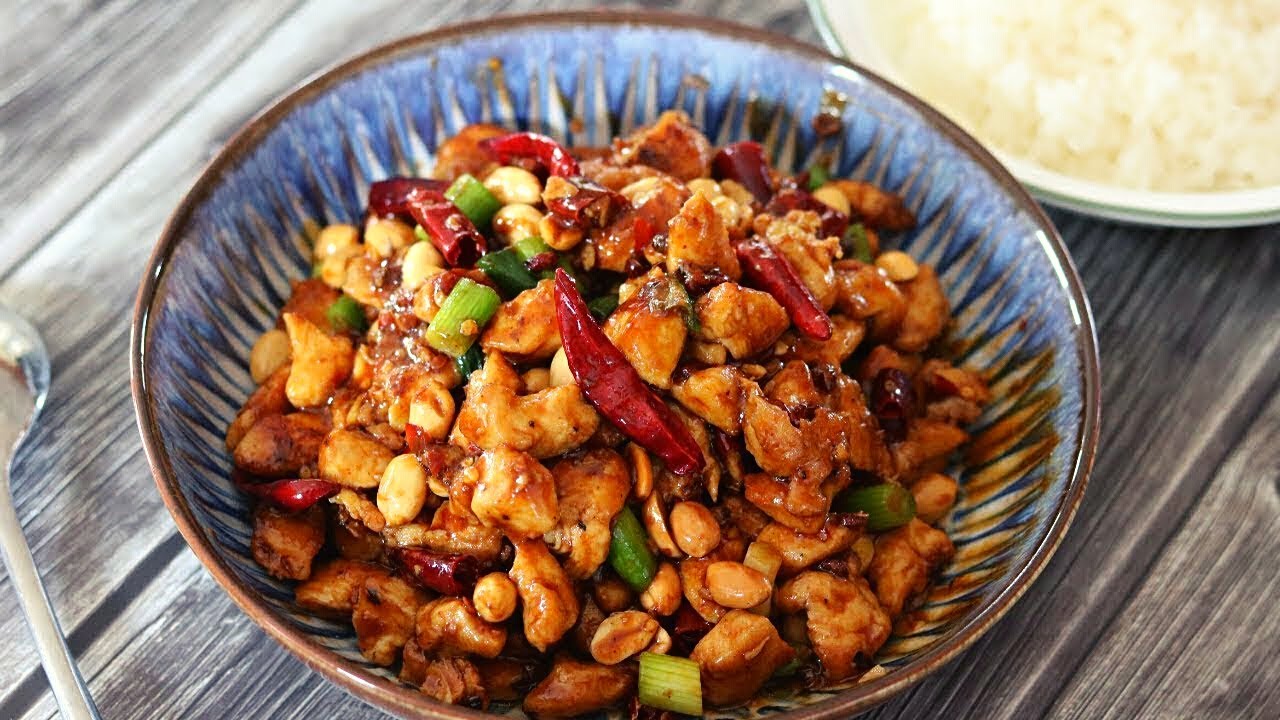
Kung Pao Sauce Recipe: Kung Pao sauce is the bold, glossy, deeply savory sauce that gives Kung Pao dishes their unmistakable character. It is the balance of salty, sweet, tangy, nutty, and gently spicy flavors that makes this sauce so memorable. When prepared properly, it coats chicken, shrimp, tofu, or vegetables with a rich finish that tastes like it came straight from a quality Chinese restaurant kitchen.
A great Kung Pao sauce recipe should be easy to make, reliable, and full of authentic flavor. The best version is not watery, overly sugary, or one-dimensional. Instead, it should deliver a smooth texture, a deep umami base, and just enough heat to lift the entire dish. This guide covers the exact ingredients, proper ratios, and a clear method for preparing a sauce that works beautifully for stir-fry meals at home.
What Is Kung Pao Sauce?
Kung Pao sauce is a classic Chinese-style stir-fry sauce known for its layered flavor. It is commonly used in Kung Pao chicken, but it also pairs well with beef, shrimp, tofu, mushrooms, broccoli, bell peppers, and noodles. The sauce usually combines soy sauce, vinegar, sugar, aromatics, chili, and a thickening agent to create a glossy finish that clings to every bite.
The signature taste comes from contrast. The soy sauce brings depth and saltiness. Vinegar sharpens the flavor. Sugar rounds out the edges. Garlic and ginger add fragrance. Chili contributes heat. Cornstarch helps the sauce thicken into the smooth consistency that makes stir-fried dishes look and taste complete.
A well-made sauce should never overpower the main ingredients. It should enhance them with a clean, balanced profile that feels bold without becoming harsh.
Why This Kung Pao Sauce Recipe Works
This recipe produces a sauce that is:
- Rich and balanced
- Quick to mix
- Perfect for stir-fry dishes
- Easy to customize
- Ideal for meal prep
The flavor profile is carefully structured so the sweetness does not dominate, the vinegar does not become sharp, and the heat remains adjustable. That makes it suitable for both traditional and modern home cooking.
Ingredients You’ll Need
To make a flavorful Kung Pao sauce, gather the following ingredients:
Main Sauce Ingredients
- 3 tablespoons soy sauce
- 1 tablespoon dark soy sauce
- 2 tablespoons rice vinegar
- 2 tablespoons hoisin sauce
- 1 to 2 tablespoons brown sugar
- 1 tablespoon sesame oil
- 1 tablespoon chili paste or chili garlic sauce
- 1 teaspoon Sichuan peppercorns, lightly crushed
- 3 cloves garlic, minced
- 1 tablespoon fresh ginger, finely grated
- 1/2 cup water or low-sodium chicken stock
Thickening Slurry
- 1 tablespoon cornstarch
- 2 tablespoons water
Optional Add-Ins for Deeper Flavor
- 1 teaspoon oyster sauce
- 1 teaspoon honey
- 1 teaspoon toasted sesame seeds
- 2 to 4 dried red chilies
- 2 tablespoons roasted peanuts or cashews
These ingredients create a sauce with a deep color, a glossy finish, and the classic sweet-savory-spicy balance associated with a strong Kung Pao sauce recipe.
Ingredient Notes for Best Results
Soy Sauce
Use regular soy sauce for salt and umami. Adding a little dark soy sauce gives the sauce a richer color and slightly deeper flavor.
Rice Vinegar
Rice vinegar provides the clean tanginess that brightens the sauce. It is milder than white vinegar and works better for balance.
Hoisin Sauce
Hoisin adds body, sweetness, and complexity. It helps create a more rounded sauce that tastes full rather than flat.
Brown Sugar
Brown sugar adds sweetness and subtle depth. It blends especially well with soy and vinegar.
Sesame Oil
A small amount of sesame oil brings aroma and warmth. It should support the sauce, not dominate it.
Garlic and Ginger
These two ingredients are essential. Fresh garlic and ginger make the sauce taste vibrant and aromatic.
Cornstarch Slurry
This is what gives the sauce its glossy, clingy texture. Always mix cornstarch with cold water before adding it.
How to Make Kung Pao Sauce
Step 1: Combine the Base Ingredients
In a medium bowl, add the soy sauce, dark soy sauce, rice vinegar, hoisin sauce, brown sugar, sesame oil, chili paste, garlic, ginger, and water or stock. Whisk until the sugar dissolves and the mixture looks smooth.
This forms the liquid base of the sauce. At this stage, the flavor will already smell bold, savory, and slightly sweet.
Step 2: Prepare the Cornstarch Slurry
In a small bowl, stir together 1 tablespoon cornstarch and 2 tablespoons water until completely smooth. Set it aside.
Do not add dry cornstarch directly into the sauce. It will clump and create an uneven texture.
Step 3: Toast the Sichuan Peppercorns
If using Sichuan peppercorns, place them in a dry pan over low heat for about 30 seconds until fragrant. Crush them lightly with a mortar and pestle or the back of a spoon.
This adds the distinctive warm, tingling flavor associated with traditional Kung Pao dishes.
Step 4: Add Peppercorns to the Sauce
Stir the crushed peppercorns into the sauce mixture. This step deepens the flavor and gives the sauce a more authentic finish.
Step 5: Cook the Sauce
Pour the sauce mixture into a skillet or saucepan over medium heat. Stir continuously as it begins to warm.
Once the sauce starts to bubble gently, stir the cornstarch slurry again and pour it in slowly. Keep stirring until the sauce thickens.
This usually takes 1 to 2 minutes. The sauce should become glossy and smooth, not stiff or gummy.
Step 6: Adjust the Flavor
Taste the sauce and adjust as needed:
- Add a little more brown sugar for sweetness
- Add a splash of rice vinegar for brightness
- Add more chili paste for heat
- Add a spoon of water or stock if it becomes too thick
The final sauce should taste balanced and bold.
Step 7: Use Immediately or Store
Use the sauce right away in a stir-fry, or let it cool and store it in an airtight container in the refrigerator.
It will keep well for up to 5 days and can be stirred again before use.
Best Ways to Use Kung Pao Sauce
A strong Kung Pao sauce recipe is versatile. It can be used in several dishes with excellent results.
Kung Pao Chicken
Stir-fry diced chicken with garlic, ginger, bell peppers, onions, dried chilies, and peanuts. Add the sauce at the end and toss until everything is coated.
Kung Pao Shrimp
Cook shrimp quickly over high heat, then finish with the sauce and crunchy vegetables for a fast, flavorful meal.
Kung Pao Tofu
Pan-fry tofu until crisp, then add the sauce with scallions, peppers, and roasted peanuts.
Vegetable Stir-Fry
Use broccoli, carrots, mushrooms, zucchini, snow peas, and bell peppers. The sauce brings all the vegetables together with a glossy finish.
Noodle Bowls
Toss the sauce with stir-fried noodles, vegetables, and your preferred protein for a full meal.
Tips for the Best Kung Pao Sauce
Use Fresh Aromatics
Fresh garlic and ginger make a major difference. Powdered substitutes do not deliver the same brightness.
Balance Sweetness Carefully
Too much sugar can make the sauce taste heavy. Start with less and increase only if needed.
Do Not Over-Thicken
A good sauce should coat food lightly. If it becomes too thick, thin it with a tablespoon of water at a time.
Cook Over Medium Heat
This helps the flavors blend without burning the sugar or garlic.
Add Nuts at the End
Peanuts or cashews should stay crunchy. Stir them in just before serving.
Common Mistakes to Avoid
Using Too Much Cornstarch
Too much cornstarch makes the sauce sticky and dull. Use only enough to create a light glaze.
Skipping the Vinegar
Without vinegar, the sauce loses its sharp contrast and tastes flat.
Adding Too Much Chili
The heat should support the sauce, not overpower it. Add chili gradually.
Not Tasting Before Serving
Small adjustments can improve the final result significantly. Always taste once the sauce thickens.
How to Customize Kung Pao Sauce
One of the strengths of this Kung Pao sauce recipe is that it can be tailored to suit different tastes.
For a Sweeter Sauce
Add:
- 1 extra teaspoon brown sugar
- 1 teaspoon honey
For a Spicier Sauce
Add:
- Extra chili paste
- More dried red chilies
- A pinch of red pepper flakes
For a Saltier, Deeper Flavor
Add:
- 1 teaspoon oyster sauce
- A few extra drops of dark soy sauce
For a Lighter Version
Use:
- Low-sodium soy sauce
- Less hoisin sauce
- Chicken stock instead of water for controlled richness
How to Store and Reheat Kung Pao Sauce
Let the sauce cool completely before storing. Transfer it to a clean jar or airtight container and refrigerate.
Storage
- Refrigerator: up to 5 days
- Freezer: up to 2 months
Reheating
Warm it in a small saucepan over low heat, stirring until smooth. If it thickens too much in storage, add a splash of water to loosen it.
What to Serve with Kung Pao Sauce
This sauce pairs well with:
- Steamed jasmine rice
- Fried rice
- Lo mein noodles
- Brown rice
- Stir-fried vegetables
- Rice noodles
- Crispy tofu
- Chicken breast or thigh
- Shrimp
- Beef strips
It also works as a quick finishing sauce for leftovers. A spoonful can transform plain rice, grilled chicken, or sautéed vegetables into a more exciting meal.
Homemade Kung Pao Sauce vs Store-Bought Sauce
Homemade Kung Pao sauce offers more control, cleaner flavor, and better texture. Many store-bought sauces are too sweet, too salty, or filled with unnecessary additives. A homemade version allows the exact balance of heat, sweetness, and tanginess to match the dish.
It also tastes fresher. The garlic, ginger, sesame oil, and vinegar stay more distinct, giving the final dish a sharper and more satisfying finish.
FAQs about Kung Pao Sauce Recipe
1. What is Kung Pao sauce?
Kung Pao sauce is a bold, savory sauce used in the popular Chinese dish Kung Pao chicken. It usually has a balance of salty, slightly sweet, tangy, and mildly spicy flavors.
2. What ingredients are used in a Kung Pao sauce recipe?
A basic recipe often includes soy sauce, vinegar, sugar, garlic, ginger, and a thickener like cornstarch. Some versions also add hoisin sauce, sesame oil, or chili paste for extra depth.
3. Is Kung Pao sauce spicy?
Kung Pao sauce is usually mild to moderately spicy. The heat level depends on how many dried chilies or spicy ingredients you add, so it can easily be adjusted.
4. Can I use Kung Pao sauce for dishes other than chicken?
Yes, Kung Pao sauce works well with beef, shrimp, tofu, and mixed vegetables. It is a versatile sauce for many stir-fry recipes.
5. What gives Kung Pao sauce its thick texture?
The thick texture usually comes from cornstarch mixed with water. This helps the sauce coat the meat and vegetables evenly.
6. Can I make Kung Pao sauce ahead of time?
Yes, you can prepare the sauce in advance and store it in the refrigerator until needed. This makes cooking much faster.
7. How long does homemade Kung Pao sauce last?
Homemade Kung Pao sauce can usually be stored in an airtight container in the refrigerator for about 5 to 7 days. Stir it well before using.
Final Thoughts
A dependable Kung Pao sauce recipe is one of the most useful additions to a home kitchen. It is fast to prepare, deeply flavorful, and adaptable enough for chicken, shrimp, tofu, vegetables, and noodles. With the right combination of soy sauce, vinegar, sugar, aromatics, chili, and cornstarch, it creates the glossy, bold coating that makes Kung Pao dishes so satisfying.
This sauce brings together everything that matters in a stir-fry: flavor, texture, aroma, and balance. Once prepared and tasted, it becomes easy to adjust for sweeter, spicier, milder, or more savory results. Whether used for a classic Kung Pao chicken dinner or a quick vegetable stir-fry, this sauce delivers a strong, restaurant-style finish every time.