Hormonal acne can be one of the most frustrating skin concerns to manage because it often appears in cycles, feels deep under the skin, and tends to return at the worst possible time. It commonly shows up around the jawline, chin, lower cheeks, and sometimes the neck. Unlike occasional breakouts caused by clogged pores alone, hormonal acne is often tied to internal shifts that increase oil production, inflammation, and congestion. To improve it naturally, we need a consistent approach that supports the skin from both the outside and the inside.
Natural management does not mean random home remedies or harsh DIY treatments. It means using gentle, skin-supportive habits that reduce triggers, calm inflammation, protect the skin barrier, and help the body stay balanced over time. When we stay consistent with the right routine, many hormonal breakouts become less severe, less painful, and less frequent.
What Hormonal Acne Looks Like
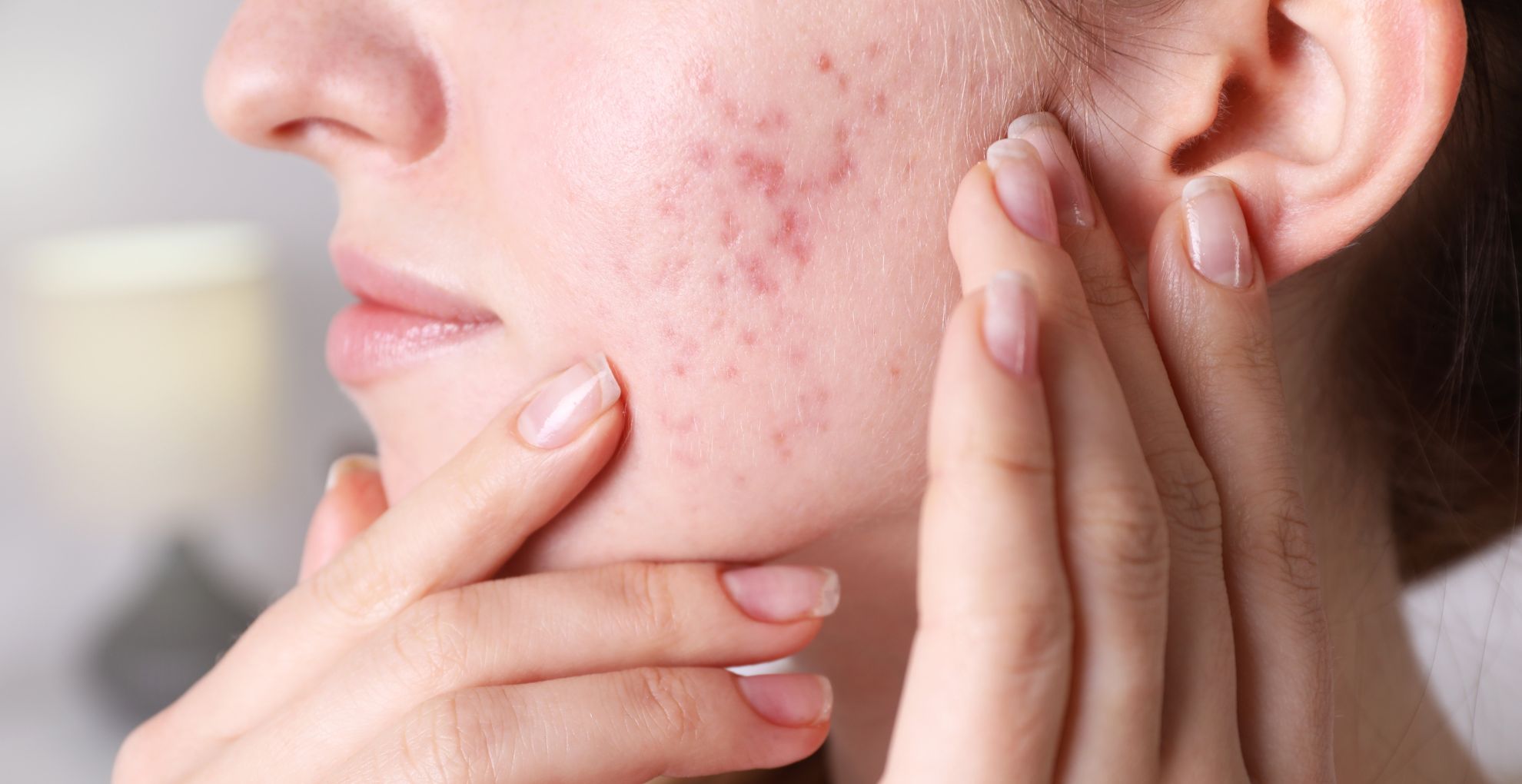
Hormonal acne often has a few specific patterns. It may appear as painful cysts, tender bumps under the skin, stubborn whiteheads, or inflamed pimples that linger for days. It frequently flares before menstruation, during stressful periods, with poor sleep, after dietary triggers, or during times of hormonal fluctuation. It may also leave behind dark marks, uneven texture, and post-acne spots that take time to fade.
A key difference with hormonal acne is persistence. The same areas break out repeatedly, and the skin may feel oily in some places but irritated in others. This is why a natural treatment approach should focus on consistency, barrier repair, inflammation control, and healthy daily habits rather than harsh spot treatments alone.
Cleanse Gently Without Stripping the Skin
The first step in naturally improving hormonal acne is using a gentle cleanser. Many people over-cleanse because they assume acne means dirty skin. In reality, aggressive cleansing can weaken the skin barrier, trigger irritation, and increase oil production. A mild cleanser helps remove sweat, excess oil, and product buildup without making the skin reactive.
We should wash the face twice daily, once in the morning and once at night. The cleanser should feel soft on the skin, not tight or burning. If the skin feels squeaky after washing, the cleanser may be too strong. A balanced routine begins with keeping the skin calm.
Harsh scrubs, rough towels, and heavily fragranced washes should be avoided. These can worsen redness and make breakouts more inflamed.
Use Natural Ingredients That Calm and Support Acne-Prone Skin
Natural skincare can help hormonal acne when we choose ingredients with a real purpose. The goal is not to overload the skin with oils, masks, and trends. The goal is to use ingredients that help reduce irritation and support recovery.
Some of the most useful options include:
Aloe Vera
Aloe vera is widely valued for its soothing and hydrating effect. It can help calm redness and support healing when used in a lightweight gel form. It is especially helpful when acne is inflamed and the skin feels sensitive.
Green Tea
Green tea is known for its antioxidant and calming properties. Skincare products with green tea can help reduce the look of excess oil and soothe stressed skin. Cooled green tea can also be used carefully as a simple face compress.
Raw Honey
Raw honey is often used as a gentle face mask because it is soothing and helps the skin feel soft and balanced. It can be especially useful for acne-prone skin that is also dry or irritated. A thin layer left on the skin briefly and rinsed off can be a simple addition to a routine.
Tea Tree Oil
Tea tree oil is a popular natural ingredient for blemishes, but it should be used carefully. It must be diluted properly and should never be applied heavily all over the face. For some people it helps, but for sensitive skin it may be too strong. Patch testing is essential.
Niacinamide From Botanical-Based Formulas
Although not always described as a “natural remedy,” niacinamide works well in minimalist skincare and supports oil balance, barrier strength, and overall skin tone. It is one of the best additions for acne-prone skin that also has marks and uneven texture.
Do Not Over-Exfoliate
One of the biggest mistakes in acne care is trying too many exfoliating products at once. Hormonal acne already involves inflammation beneath the skin. If we keep scrubbing, peeling, or layering strong acids every day, the skin barrier becomes compromised. This often leads to more redness, more sensitivity, and more breakouts.
A natural routine works better when exfoliation is gentle and limited. Instead of aggressive physical scrubs, we should prioritize mild products and a calm routine. Skin improves more steadily when it is not constantly irritated.
Support Hormonal Balance With Better Daily Habits
Hormonal acne is not only a skincare issue. Lifestyle patterns can influence how often the skin flares. We may not be able to control every hormonal shift, but we can create habits that reduce some common triggers.
Improve Sleep Quality
Poor sleep can increase stress on the body, and stress can contribute to breakouts. A regular sleep schedule helps the body recover and may improve the skin’s overall appearance over time. We should aim for consistent, restful sleep rather than irregular late nights.
Lower Daily Stress
Stress can make hormonal acne worse by increasing inflammatory responses and affecting oil production. Natural stress support can include walking, stretching, journaling, deep breathing, or short breaks away from screens. Even simple routines done daily can make a visible difference over time.
Stay Hydrated
Hydration supports overall skin function. Drinking enough water will not instantly clear acne, but dehydrated skin can become dull, irritated, and more vulnerable to imbalance. Good hydration works best alongside a supportive skincare routine.
Eat in a Way That Supports Clearer Skin
Food is not the only cause of hormonal acne, but dietary patterns can influence breakouts in some people. The goal is not restriction. The goal is to notice patterns and choose foods that support the body more consistently.
A balanced acne-friendly eating pattern often includes:
- Leafy greens
- Whole foods
- Healthy fats
- Fiber-rich meals
- Low-sugar snacks
- Less heavily processed food
Some people notice that high sugar intake, highly processed foods, or certain dairy-heavy patterns seem to worsen acne. Tracking meals and skin changes for a few weeks may help identify personal triggers. The focus should stay on balanced nutrition rather than extreme elimination.
Foods rich in omega-3 fats, zinc, and antioxidants can also support healthier-looking skin. These include seeds, nuts, fish, legumes, vegetables, and colorful fruits.
Keep the Skin Barrier Strong
A healthy skin barrier is essential for reducing hormonal acne naturally. When the barrier is damaged, the skin becomes more inflamed and reactive. This can make acne look worse and slow healing.
A simple moisturizer is one of the most important steps in the routine, even for oily or acne-prone skin. Skipping moisturizer can leave the skin dehydrated and stressed. A lightweight, non-greasy formula helps the skin stay balanced and more resilient.
Barrier support also means avoiding constant product switching. The skin usually responds better when we use a small number of products consistently rather than changing routines every few days.
Never Skip Sunscreen
One of the most overlooked parts of acne care is daily sunscreen. Hormonal acne often leaves dark marks after the pimples fade. Sun exposure can make those marks look darker and last longer. A good sunscreen helps protect healing skin and improves the overall appearance of acne-prone areas over time.
We should choose a sunscreen that feels comfortable, lightweight, and suitable for acne-prone skin. Daily use matters more than perfection. Consistency helps protect the skin from worsening discoloration.
Avoid Common Habits That Make Hormonal Acne Worse
Natural improvement also depends on what we stop doing. Many breakouts become more stubborn because of habits that keep the skin inflamed.
We should avoid:
- Picking or squeezing pimples
- Sleeping with makeup on
- Using dirty pillowcases for too long
- Touching the face throughout the day
- Applying thick, pore-clogging products
- Trying too many acne treatments at once
These habits may seem small, but they add friction, bacteria, irritation, and congestion to already stressed skin.
A Simple Natural Routine for Hormonal Acne
A practical routine often works better than a complicated one.
Morning Routine
- Gentle cleanser
- Lightweight soothing serum or aloe-based layer
- Moisturizer
- Sunscreen
Night Routine
- Gentle cleanser
- Targeted calming treatment such as niacinamide or a simple acne-safe serum
- Moisturizer
- Optional raw honey mask a few times weekly if the skin tolerates it
This kind of routine helps reduce irritation while supporting clearer-looking skin over time.
How Long Natural Hormonal Acne Treatment Takes
Natural methods usually require patience. Hormonal acne rarely disappears overnight because it is tied to ongoing internal patterns. We should expect gradual improvement rather than instant change. The skin may need several weeks of consistency before breakouts start appearing less often and healing more cleanly.
The goal is not only fewer pimples. The goal is also less inflammation, less pain, less picking, faster recovery, and better skin balance overall.
When Natural Remedies Work Best
Natural care works best for people who need a gentle, steady, supportive approach and who are ready to stay consistent. It is most effective when combined with smart routines, less irritation, better sleep, lower stress, and balanced nutrition. It is not about doing more. It is about doing the right things repeatedly.
When we approach hormonal acne naturally, we should think in terms of healing habits rather than quick fixes. Calm skin usually comes from calm routines.
FAQs about How to Get Rid of Hormonal Acne Naturally
1. What is hormonal acne?
Hormonal acne is caused by hormonal imbalances, often leading to breakouts on the jawline, chin, and lower face.
2. Can we treat hormonal acne naturally?
Yes, we can manage it using natural remedies, lifestyle changes, and a consistent skincare routine.
3. What natural remedies help with hormonal acne?
Helpful options include tea tree oil, aloe vera, green tea, and apple cider vinegar (diluted), which can reduce inflammation and bacteria.
4. Does diet affect hormonal acne?
Yes, reducing sugar, dairy, and processed foods while eating more fruits, vegetables, and healthy fats can improve skin health.
5. Can stress cause hormonal acne?
Yes, stress can trigger hormonal changes that lead to breakouts. Managing stress through exercise, sleep, and relaxation techniques is important.
6. How important is skincare for hormonal acne?
Very important. We should follow a routine with a gentle cleanser, oil-free moisturizer, and non-comedogenic products.
7. Can we use natural oils for hormonal acne?
Some oils like jojoba oil and tea tree oil can help, but we should use them carefully to avoid clogging pores.
8. How long does it take to see results naturally?
We may start seeing improvements in 4 to 8 weeks with consistent care.
9. Is it safe to use natural remedies daily?
Most are safe, but we should introduce them gradually and do a patch test to prevent irritation.
10. Can hormonal acne be completely cured naturally?
It may not be completely cured, but it can be effectively managed and reduced with the right habits and treatments.
Final Thoughts
To get rid of hormonal acne naturally, we need to focus on what truly helps: gentle cleansing, skin barrier repair, smart ingredient choices, daily sunscreen, balanced eating habits, stress reduction, better sleep, and consistency. Hormonal acne often improves when we stop overwhelming the skin and start supporting it properly.
The most effective natural strategy is a simple one. We keep the skin clean but not stripped, hydrated but not heavy, protected but not overloaded. We reduce triggers where possible, support the body with healthier routines, and give the skin enough time to respond. That is how natural acne care becomes practical, sustainable, and effective.