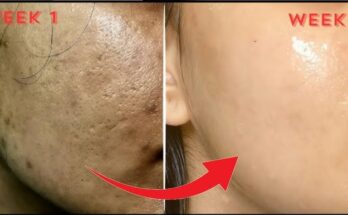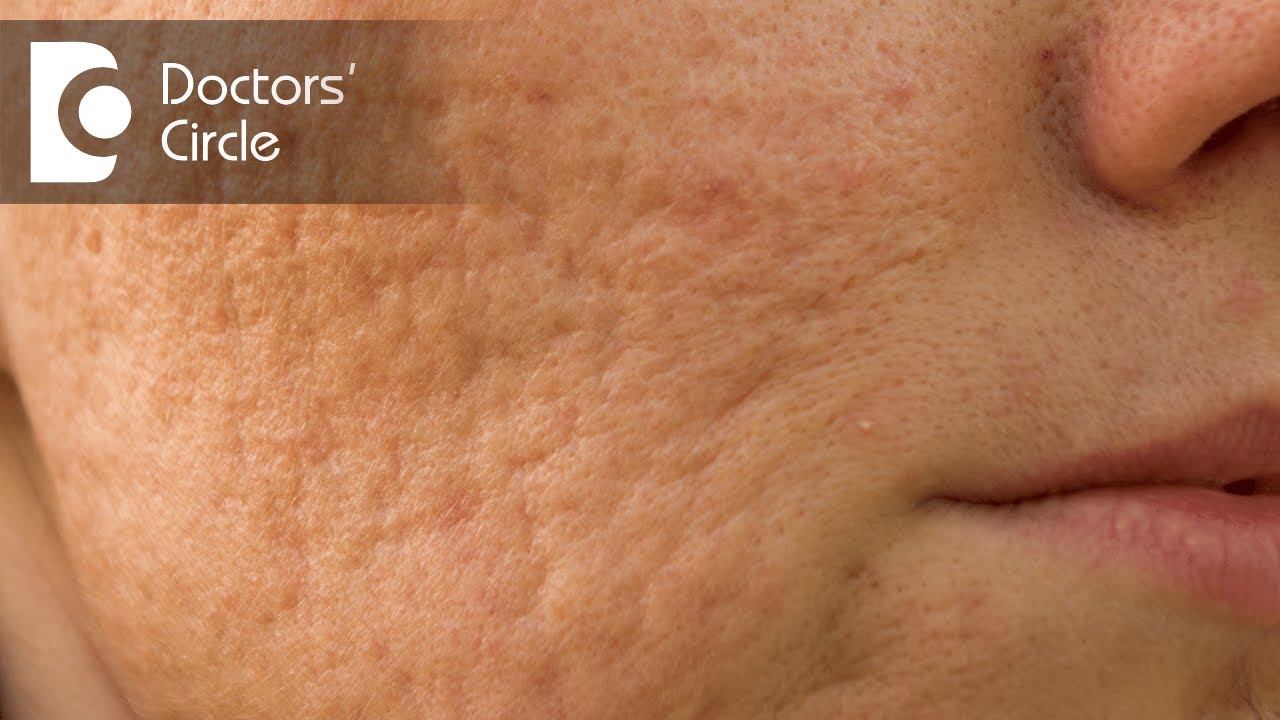
Acne may fade, but the marks it leaves behind can remain long after breakouts are gone. Acne scars and dark spots often affect the skin’s smooth appearance, making the complexion look uneven, tired, and textured. While severe scarring may need professional treatment, many people improve the look of mild scars and post-acne pigmentation with natural remedies for acne scars and dark spots that support skin renewal, calm inflammation, and brighten discoloration over time.
The key to visible improvement is consistency. We do not need harsh methods that strip the skin barrier or trigger more irritation. We need ingredients and habits that gradually help the skin recover, repair, and regain clarity. When used correctly, natural remedies can reduce the appearance of post-acne marks, support healthy cell turnover, and improve overall skin tone.
Understanding Acne Scars and Dark Spots
Before choosing a remedy, we must know the difference between acne scars and dark spots. These two concerns are often grouped together, but they are not the same.
Dark spots, also called post-inflammatory hyperpigmentation, are flat marks that remain after a pimple heals. They may appear brown, red, purple, or gray depending on skin tone. These spots are caused by excess pigment production after inflammation. They are usually easier to fade than true scars.
Acne scars are changes in skin texture caused by damage deeper in the skin. They may appear as indented scars, uneven patches, or raised areas. Natural remedies are more effective for mild surface scarring and discoloration than for deep pitted scars.
When we use the right natural ingredients, we mainly target:
- Inflammation
- Excess melanin production
- Skin barrier repair
- Cell turnover
- Hydration and healing
Aloe Vera for Soothing and Brightening the Skin
One of the most trusted natural remedies for acne scars and dark spots is aloe vera. Fresh aloe vera gel contains soothing compounds that help calm irritated skin and support healing. It also provides hydration without making the skin greasy, which makes it useful for acne-prone skin.
Aloe vera works best when applied to clean skin as a thin layer. It can help reduce redness, soften rough patches, and support the fading of leftover blemish marks. Over time, regular use may improve skin clarity and comfort, especially when the skin has been irritated by breakouts or harsh products.
Pure aloe vera is often preferred over heavily fragranced gels. A simple routine of applying aloe vera once or twice daily can fit easily into both morning and evening skincare.
Raw Honey for Skin Repair and Gentle Renewal
Raw honey is a powerful natural ingredient for skin that is inflamed, dry, or marked by previous acne. It has moisturizing and soothing properties that help support skin healing. Since dry and irritated skin often looks darker and rougher, adding moisture can make acne marks appear less obvious.
A thin honey mask left on the skin for ten to fifteen minutes can help soften the surface and improve the look of post-acne discoloration. Honey is especially useful when the skin feels stressed, sensitive, or damaged from over-exfoliation. It does not act as a fast bleach or peel, but with repeated use it helps create a healthier skin environment where marks can fade more evenly.
For best results, we should use plain raw honey rather than heavily processed varieties.
Rosehip Oil for Post-Acne Marks and Uneven Texture
Among the best plant-based options for dark spots from acne, rosehip oil stands out. It is rich in essential fatty acids and antioxidants that support skin regeneration. This oil is often used to improve uneven skin tone, soften the appearance of marks, and enhance skin smoothness.
A few drops pressed into the skin at night can help nourish the barrier while encouraging a brighter appearance. Rosehip oil is lightweight compared with many heavier oils, so it can work well for people who want hydration without a thick, greasy finish.
When used consistently, rosehip oil may gradually reduce the appearance of discoloration and help improve the look of mild textural changes left by acne.
Turmeric for Brightening Dark Spots Naturally
Turmeric is widely used in traditional skincare for its brightening and calming properties. It is especially popular in homemade masks for dark spots, uneven skin tone, and dullness. Turmeric may help reduce the appearance of post-inflammatory marks by calming lingering irritation and improving the overall look of the skin.
A simple turmeric mask can be made by mixing a small amount of turmeric with honey or plain yogurt. This helps dilute the powder and makes it easier to apply evenly. Because turmeric can stain, we should use only a small amount and rinse thoroughly after a short treatment session.
This remedy is best used one or two times per week. Overuse can irritate sensitive skin, so gentle application matters more than frequent use.
Green Tea for Calming Inflammation and Supporting Clearer Skin
Green tea is rich in antioxidants and is excellent for acne-prone skin that still struggles with redness, oiliness, and leftover marks. Cooled green tea can be used as a light facial toner or compress. It helps calm the skin and may reduce the appearance of recent blemish marks by supporting a less inflamed skin environment.
When inflammation stays active, dark spots often linger longer. Green tea helps interrupt that cycle by making the skin feel calmer and more balanced. It is one of the simplest home remedies to add to a routine because it is gentle, affordable, and easy to use.
Using green tea regularly may not erase deep acne scars, but it can help the skin look fresher, more even, and less reactive.
Lemon Juice Is Popular but Often Too Harsh
Many articles mention lemon juice for acne scars and dark spots, but this remedy needs caution. Although lemon contains natural acids, applying it directly to the face can irritate the skin, weaken the barrier, and worsen pigmentation, especially in deeper skin tones. When the skin becomes inflamed, dark spots may become more stubborn rather than fade.
For those seeking natural remedies for acne scars and dark spots, it is usually better to choose gentler options like aloe vera, honey, green tea, or diluted yogurt masks. Natural does not always mean safe for direct application, and harsh methods can delay healing.
Yogurt Masks for Gentle Exfoliation and Brighter Skin
Plain yogurt contains natural lactic acid, which gently exfoliates the skin’s surface. This makes it a helpful choice for dull skin, mild discoloration, and rough texture left behind by acne. A yogurt mask can help remove dead skin buildup and reveal a fresher-looking surface over time.
When the skin sheds dead cells more effectively, dark marks may start to fade faster. Yogurt also feels cooling and softening on the skin, which makes it a useful option for those who want mild exfoliation without abrasive scrubs.
Applying plain yogurt for ten minutes once or twice weekly can support a brighter complexion. We should avoid using it on broken or actively irritated skin.
Potato Juice and Cucumber for Mild Brightening Support
Natural skincare routines often include potato juice and cucumber for brightening and soothing. These remedies are milder than strong acids and are used more for gentle surface improvement than dramatic correction.
Cucumber helps cool and hydrate the skin, which can reduce the tired look that often makes acne marks appear more noticeable. Potato juice is often used in home care for pigmentation because it may help brighten the appearance of the skin when used consistently.
These remedies are best seen as supportive treatments. They work gradually and fit well into a routine centered on patience and barrier care.
The Importance of Natural Exfoliation Without Overdoing It
One reason acne marks stay visible is that dead skin cells collect on the surface, making discoloration look darker and the skin feel rougher. Gentle exfoliation can help, but harsh scrubs should be avoided. Physical scrubs with large particles may create micro-irritation and worsen both acne and pigmentation.
A better option is mild natural exfoliation through ingredients like yogurt, oatmeal, or very soft homemade masks. Oatmeal is especially useful because it gently cleanses while calming the skin. Finely ground oatmeal mixed with honey can act as a soothing mask for skin that is both marked and sensitive.
When we exfoliate too often, the skin barrier weakens. That can lead to more breakouts, more inflammation, and darker marks. Gentle care produces better long-term results.
Sun Protection Is Essential for Fading Dark Spots
No routine for natural remedies for acne scars and dark spots is complete without daily sun protection. Sun exposure can deepen pigmentation and make existing acne marks last far longer. Even the best natural remedies will struggle to show results if the skin is exposed to strong sunlight without protection.
A broad-spectrum sunscreen should be worn every day, especially when using brightening ingredients or exfoliating masks. This step helps prevent dark spots from becoming more noticeable and supports the skin’s natural healing process.
For anyone serious about fading acne marks, sun protection is not optional. It is one of the most effective ways to protect progress.
Healthy Habits That Help Acne Marks Fade Faster
Topical remedies matter, but skin recovery also depends on daily habits. A few practical choices make a big difference:
Do not pick at pimples. Picking increases inflammation and raises the chance of both scarring and pigmentation.
Keep the skin hydrated. Well-moisturized skin heals better and looks smoother.
Use a gentle cleanser. Over-cleansing can irritate the skin and worsen marks.
Sleep well and manage stress. Stress can contribute to breakouts, which creates new marks before old ones fade.
Follow a consistent routine. Random switching between remedies often causes irritation and slows visible improvement.
Healthy habits strengthen the effects of natural treatments and help prevent new damage.
When to Expect Results from Natural Remedies
Natural skincare works slowly. Some dark spots may begin to look lighter after several weeks of consistent care, while more stubborn marks can take months. Mild surface discoloration often responds better than deep scars. This is why consistency matters more than intensity.
We should focus on gradual improvement in:
- Skin tone
- Brightness
- Smoothness
- Reduction in visible marks
- Less redness and irritation
Natural remedies are most effective when they are used with patience, sunscreen, and a routine that supports healing rather than stripping the skin.
Best Natural Routine for Acne Scars and Dark Spots
A simple routine can help keep the skin balanced while targeting marks:
Morning Routine
Cleanse with a gentle face wash, apply aloe vera or green tea toner, use a light moisturizer, and finish with broad-spectrum sunscreen.
Evening Routine
Cleanse gently, apply rosehip oil or aloe vera, and use a soothing moisturizer if needed.
Weekly Treatments
Use a honey mask, yogurt mask, or turmeric and honey mask one to two times weekly depending on skin tolerance.
This kind of routine supports the skin barrier while helping post-acne marks fade in a steady, realistic way.
FAQs about Natural Remedies for Acne Scars and Dark Spots
1. What causes acne scars and dark spots?
They are caused by inflammation, excess melanin production, and skin damage after acne heals.
2. Can natural remedies help fade acne scars and dark spots?
Yes, natural remedies can help lighten pigmentation and improve skin texture with consistent use.
3. Which natural ingredients are most effective?
We should use aloe vera, lemon juice (diluted), turmeric, honey, and rosehip oil, as they support healing and skin renewal.
4. How often should we apply natural treatments?
We should apply them 3–5 times a week or as tolerated for gradual improvement.
5. Is aloe vera good for acne scars?
Yes, aloe vera helps soothe the skin, reduce inflammation, and promote healing, making scars less visible.
6. Can lemon juice remove dark spots completely?
It may help lighten spots, but we should dilute it and use it carefully, as it can irritate sensitive skin.
7. How important is sunscreen when treating dark spots?
Very important. We must use broad-spectrum sunscreen daily, as sun exposure can worsen pigmentation.
8. How long does it take to see results?
We may notice improvements in 4 to 8 weeks with consistent use.
9. Are natural remedies safe for all skin types?
Most are safe, but we should always do a patch test to avoid irritation or allergic reactions.
10. Can natural remedies completely remove scars?
No, they may not completely remove scars, but they can significantly fade dark spots and improve overall skin appearance.
Final Thoughts
The most effective natural remedies for acne scars and dark spots are the ones that support healing without creating more irritation. Aloe vera, raw honey, rosehip oil, green tea, turmeric, yogurt, and oatmeal are among the best natural options for improving the appearance of acne-related discoloration and mild texture changes. The goal is not to attack the skin, but to help it recover.
When we combine gentle natural remedies with daily sunscreen, good hydration, and consistent skincare habits, the skin becomes better able to renew itself. Over time, dark spots can fade, the complexion can look more even, and mild acne marks can become less visible. Natural care rewards patience, and steady care often produces the healthiest-looking results.