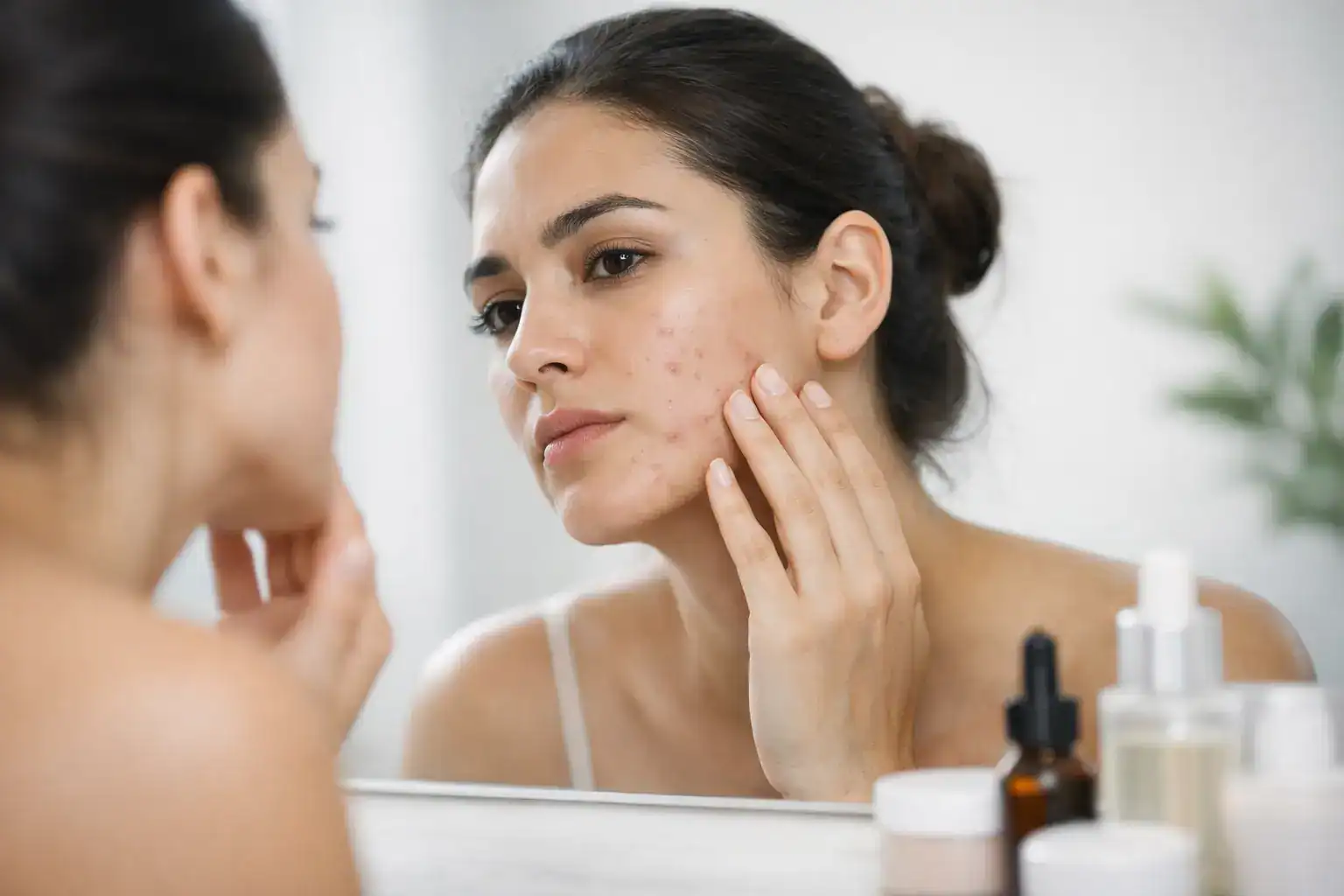
Dark spots, uneven skin tone, and stubborn pigmentation can affect the appearance and confidence of individuals across different skin types. Whether caused by acne scars, prolonged sun exposure, hormonal changes, or aging, these skin concerns often require professional evaluation and targeted treatment. Finding the best dermatologist for dark spots is an important step toward achieving healthier, brighter, and more evenly toned skin.
We understand that treating hyperpigmentation requires more than applying random skincare products. A qualified dermatologist can identify the underlying causes of pigmentation, recommend evidence-based treatments, and develop a personalized skincare routine that delivers gradual, sustainable improvements.
In this comprehensive guide, we explore how dermatologists treat dark spots, the most effective treatment options, professional skincare recommendations, and essential factors to consider when choosing a dermatologist for dark spot removal.
What Causes Dark Spots on the Skin?
Dark spots, medically described as areas of hyperpigmentation, develop when certain areas of the skin produce excess melanin. Melanin is the natural pigment responsible for skin, hair, and eye color.
Several factors can trigger increased melanin production, resulting in visible discoloration.
Common Causes of Dark Spots and Hyperpigmentation
Understanding the causes of dark spots helps us determine the most appropriate dermatological treatment.
- Sun Exposure: Ultraviolet radiation stimulates melanin production, contributing to sunspots and uneven pigmentation.
- Acne and Skin Inflammation: Post-inflammatory hyperpigmentation develops after acne, eczema, injuries, or other inflammatory skin conditions.
- Hormonal Changes: Pregnancy, hormonal medications, and other hormonal influences may contribute to melasma.
- Aging: Long-term sun exposure can cause age spots, also known as solar lentigines.
- Harsh Skincare Products: Irritating ingredients and aggressive exfoliation can worsen pigmentation, particularly in darker skin tones.
- Certain Medications: Some medications can increase skin sensitivity to sunlight or contribute to pigmentation changes.
We recommend consulting a qualified dermatologist when dark spots persist, spread, or fail to improve with appropriate skincare.
Why Choose the Best Dermatologist for Dark Spots?
Choosing an experienced dermatologist for hyperpigmentation provides access to professional diagnosis, individualized treatment, and ongoing skin health monitoring.
Unlike general cosmetic recommendations, dermatological treatment addresses the specific factors responsible for discoloration.
A qualified dermatologist can distinguish between melasma, post-inflammatory hyperpigmentation, sunspots, and other pigmentation disorders that may appear similar but require different approaches.
Benefits of Professional Dermatological Treatment
Professional evaluation offers several important advantages:
- Accurate Skin Diagnosis: Identifying the pigmentation type and its underlying cause.
- Personalized Treatment Plans: Selecting appropriate medications and procedures based on skin type and sensitivity.
- Medical-Grade Treatments: Providing access to prescription creams and professionally supervised procedures.
- Reduced Risk of Complications: Minimizing irritation, unwanted skin lightening, and worsening pigmentation.
- Long-Term Skin Management: Developing preventive strategies to reduce recurring dark spots.
We prioritize treatments that improve pigmentation while protecting the skin barrier and preserving natural skin health.
Best Dermatologist Treatments for Dark Spots
The best treatment for dark spots on the face depends on pigmentation depth, severity, underlying causes, skin tone, and medical history.
Dermatologists may recommend topical medications, chemical peels, laser procedures, or combinations of treatments.
1. Prescription Creams for Dark Spots
Topical medications are commonly recommended as an initial treatment for many types of hyperpigmentation.
Dermatologists may prescribe or recommend products containing:
- Hydroquinone: A prescription depigmenting ingredient used for selected pigmentation conditions under medical supervision.
- Tretinoin: A topical retinoid that promotes skin cell turnover and may improve certain pigmentation concerns.
- Azelaic Acid: An ingredient that helps manage acne-related discoloration and some forms of melasma.
- Vitamin C: An antioxidant that may improve uneven skin tone while supporting protection against environmental damage.
- Niacinamide: A skincare ingredient that supports skin barrier function and may gradually improve pigmentation.
We emphasize consistent use and professional guidance, particularly when combining active ingredients.
2. Chemical Peels for Hyperpigmentation
Chemical peels use carefully selected solutions to exfoliate superficial skin layers and improve certain types of discoloration.
Common options include glycolic acid, salicylic acid, and other professionally formulated peeling agents.
The appropriate peel depends on skin sensitivity, pigmentation type, and treatment goals.
Individuals with darker skin tones may be more susceptible to post-inflammatory hyperpigmentation following aggressive treatments. Therefore, we recommend choosing a dermatologist experienced in treating diverse skin tones.
3. Laser Treatment for Dark Spots
Laser and light-based treatments target selected pigmentation concerns using specialized technology.
Depending on the diagnosis, dermatologists may consider laser treatments for sunspots and certain other pigmentation conditions.
However, laser treatment is not suitable for everyone. Some procedures can worsen melasma or cause additional discoloration, especially when inappropriate settings are used.
We recommend a detailed consultation before undergoing laser dark spot removal, particularly for individuals with sensitive or melanin-rich skin.
4. Microneedling for Pigmentation
Microneedling creates controlled micro-injuries in the skin and may be considered for selected pigmentation concerns, including certain cases of melasma.
It is also used to improve the appearance of some acne scars.
However, results vary, and inappropriate treatment can trigger inflammation or further pigmentation.
Professional assessment helps determine whether microneedling is appropriate.
How to Choose the Best Dermatologist for Dark Spots
Finding the best dermatologist for dark spots near me requires evaluating professional qualifications, clinical experience, treatment methods, and patient care standards.
We recommend considering the following factors before scheduling an appointment.
Essential Qualities of a Trusted Dark Spot Specialist
- Professional Qualifications: Choose a properly licensed dermatologist with recognized specialist training.
- Experience Treating Hyperpigmentation: Look for expertise in melasma, acne marks, sun damage, and pigmentation disorders.
- Knowledge of Different Skin Tones: Select a specialist familiar with pigmentation risks in darker and sensitive skin.
- Personalized Treatment Approach: Avoid clinics promising identical treatments for every patient.
- Transparent Treatment Costs: Request clear information about consultation fees, medications, procedures, and follow-up appointments.
- Realistic Treatment Expectations: Choose professionals who explain likely benefits, potential side effects, and treatment limitations.
- Patient Reviews and Reputation: Consider credible patient feedback while recognizing that individual treatment results vary.
We believe effective dermatological care should combine medical expertise, patient education, and a commitment to skin safety.
Best Dermatologist for Dark Spots on the Face
Facial hyperpigmentation requires particular attention because the face is frequently exposed to sunlight, skincare products, and environmental irritants.
Dark spots commonly appear on the cheeks, forehead, chin, upper lip, and areas previously affected by acne.
The best dermatologist for facial dark spots evaluates the distribution, appearance, duration, and possible triggers of pigmentation before recommending treatment.
For example, acne-related dark spots may respond to acne management and topical pigmentation treatments, while melasma often requires a more comprehensive maintenance strategy.
We recommend avoiding unregulated bleaching creams, harsh exfoliating products, and unsupervised combinations of strong active ingredients, which may damage the skin and worsen discoloration.
How Much Does Dermatologist Treatment for Dark Spots Cost?
The cost of dermatologist treatment for dark spots varies depending on the clinic, geographic location, pigmentation severity, and recommended procedure.
Topical treatments may involve relatively modest ongoing expenses, while chemical peels and laser procedures often require greater financial investment.
Factors Affecting Dark Spot Treatment Costs
Several factors influence the overall cost:
- Consultation Fees: Charges for professional skin examination and diagnosis.
- Treatment Type: Prescription creams, chemical peels, and laser procedures have different pricing structures.
- Number of Sessions: Some treatments require multiple appointments.
- Severity of Pigmentation: Extensive or persistent discoloration may require longer treatment.
- Clinic Location: Dermatology service prices vary between cities and healthcare facilities.
- Follow-Up Care: Maintenance products and review appointments may increase overall costs.
We recommend requesting a detailed treatment estimate before beginning any cosmetic procedure.
Dermatologist-Recommended Skincare Routine for Dark Spots
Professional treatment works best when supported by a consistent, gentle skincare routine.
We recommend focusing on skin protection, appropriate active ingredients, and maintaining a healthy skin barrier.
Morning Skincare Routine
Begin with a gentle cleanser that removes impurities without stripping natural moisture.
Apply a suitable antioxidant or pigmentation treatment recommended by a dermatologist, followed by a moisturizer.
Finish with broad-spectrum sunscreen with SPF 30 or higher. Consistent sun protection is especially important because ultraviolet exposure can worsen existing pigmentation.
For melasma and certain forms of hyperpigmentation, tinted sunscreen containing iron oxides may provide additional protection against visible light.
Evening Skincare Routine
Cleanse the skin gently before applying prescribed treatments such as azelaic acid or a topical retinoid, when appropriate.
Follow with a moisturizer that supports skin barrier recovery.
We recommend avoiding excessive exfoliation or introducing several strong products simultaneously, as irritation can worsen dark spots.
How Long Does It Take to Remove Dark Spots?
The time required to improve dark spots depends on their cause, depth, severity, and the treatment selected.
Superficial post-inflammatory pigmentation may gradually fade over several months, while deeper discoloration and melasma can require longer-term management.
Some patients notice improvements within weeks of starting treatment, but more substantial results often take several months.
We emphasize that consistency, proper diagnosis, and sun protection are essential for successful treatment.
Complete removal cannot always be guaranteed, and certain pigmentation conditions may return after initial improvement.
When Should You See a Dermatologist for Dark Spots?
Although many dark spots are harmless, some skin changes require prompt medical evaluation.
We recommend consulting a dermatologist when pigmentation develops suddenly, changes noticeably, becomes painful, bleeds, or appears significantly different from surrounding marks.
A new or changing pigmented lesion should not automatically be treated as cosmetic hyperpigmentation because some skin cancers can resemble ordinary dark spots.
Professional examination is particularly important before attempting chemical peels, laser treatments, or strong skin-lightening products.
FAQs about Best Dermatologist for Dark Spots
Can a dermatologist permanently remove dark spots?
Some dark spots, particularly certain sunspots, can be successfully treated. However, new pigmentation may develop, and conditions such as melasma frequently require ongoing maintenance.
What is the fastest dermatologist treatment for dark spots?
Treatment speed depends on the pigmentation type. Certain superficial sunspots may respond relatively quickly to procedures, while melasma and post-inflammatory hyperpigmentation often require gradual treatment.
Is laser treatment safe for dark skin?
Laser treatment can be appropriate for selected individuals with darker skin tones, but improper settings may cause burns or additional pigmentation. An experienced dermatologist should assess the risks before treatment.
Can dark spots disappear naturally?
Some acne-related dark spots fade naturally over time, especially when inflammation is controlled and the skin is protected from sunlight. Deeper pigmentation may persist longer.
Which dermatologist is best for hyperpigmentation?
A qualified dermatologist with demonstrated experience diagnosing and treating pigmentation disorders, including conditions affecting different skin tones, is a strong choice.
Conclusion
Choosing the best dermatologist for dark spots is essential for receiving accurate diagnosis, safe treatment, and personalized skincare recommendations.
Whether dealing with acne marks, melasma, sunspots, or persistent facial discoloration, professional dermatological care can help improve skin tone while reducing the risk of unnecessary irritation and complications.
We recommend prioritizing qualified specialists, evidence-based treatments, consistent sunscreen use, and realistic expectations. With the right dermatological guidance and a carefully maintained skincare routine, achieving clearer, healthier, and more even-looking skin becomes a more manageable goal.