Sunday Sauce Recipe: Sunday Sauce is more than just a recipe—it’s a rite of passage in Italian-American homes. Rich, meaty, and deeply flavorful, this sauce is a celebration in itself. Traditionally simmered over low heat for several hours, it’s a meal that brings family together and often includes a variety of meats, tomatoes, aromatics, and a whole lot of love. Some call it “gravy,” others “sauce,” but whatever name you use, it’s a comfort food classic that evokes memories and makes new ones every time it’s cooked.
The beauty of Sunday Sauce lies in its versatility and heartiness. It’s not just about tomato and meat—it’s about building layers of flavor slowly, allowing the ingredients to marry over time. Whether you’re hosting a Sunday family dinner or just want leftovers that taste even better the next day, this dish never disappoints.
The Tradition Behind Sunday Sauce
The origins of Sunday Sauce can be traced back to southern Italy, where families would gather after church for a large, leisurely meal. Immigrants brought this tradition to America, and it quickly became a staple in Italian-American households. The sauce was typically started in the early morning so it could simmer gently all day, filling the house with mouthwatering aromas by the time everyone gathered at the table.
This wasn’t just about food; it was about bonding. Grandmas, moms, dads, and even the kids all had roles in preparing the meal. It’s a legacy passed down from generation to generation—each family putting its unique spin on the recipe. While the exact ingredients may differ, the spirit remains the same: warmth, love, and togetherness.
Ingredients for a Classic Sunday Sauce
Meats That Make It Rich
Sunday Sauce is nothing without a generous helping of meat. In fact, the richness of this sauce comes from the variety of meats you use. Traditional options include:
- Italian sausages (both sweet and spicy)
- Pork ribs or pork neck bones
- Meatballs (made separately and added to the sauce)
- Beef short ribs or brisket
- Veal (if you’re feeling fancy)
Each cut adds depth. The fat renders slowly, enriching the tomato base with umami and complexity. Pork bones bring a subtle sweetness, while beef adds heft and boldness. Sausage contributes spice and texture, especially when browned well. Meatballs, often made with a mix of beef and pork, soak up the flavors of the sauce and become tender nuggets of joy.
You can customize based on what you have. The key is balance—too much of one type and the flavor becomes one-dimensional. Use at least two or three types of meat for that authentic layered taste.
Essential Vegetables and Aromatics
While the meat is the star, the supporting cast of vegetables and aromatics is just as important. The classic trio includes:
- Onions (preferably yellow)
- Garlic (lots of it!)
- Carrots and celery (optional, but great for sweetness and depth)
These are usually finely chopped and sautéed at the beginning to build a rich flavor base. Some cooks also add tomato paste early on, allowing it to caramelize for added depth.
Garlic should be sliced or crushed—not minced—so it doesn’t burn. Onions need to be cooked until translucent and sweet. The secret is low and slow—no rushing here. You’re laying the foundation, so take your time.
Herbs and Seasonings for That Authentic Flavor
Herbs and spices are what transform your Sunday Sauce from good to unforgettable. The essentials include:
- Fresh basil (adds brightness)
- Dried oregano (for a rustic kick)
- Bay leaves (subtle earthiness)
- Salt and freshly cracked pepper
Some purists swear by a pinch of red pepper flakes for heat. Others add a splash of red wine to deepen the sauce. A touch of sugar can balance out the acidity of the tomatoes, but don’t overdo it—you want the sauce savory, not sweet.
It’s all about balance. Use fresh herbs if possible; they add a vibrant lift, especially towards the end of cooking. Taste often and adjust. Remember, the longer it cooks, the more the flavors meld.
Preparing Your Ingredients
How to Choose the Best Cuts of Meat
Start with quality. That doesn’t mean expensive—just fresh and well-marbled. Look for sausages with visible herbs and spices, bone-in cuts for more flavor, and avoid anything too lean. Fat is your friend here; it melts into the sauce and brings everything together.
If you’re making meatballs, use a mix of ground pork and beef for the best texture. Add breadcrumbs soaked in milk, fresh parsley, grated Parmesan, eggs, garlic, and season with salt and pepper. Roll them small—they cook faster and soak up more flavor.
Sear all meats before adding them to the sauce. Browning creates a crust that locks in juices and adds a deep, savory note known as the Maillard reaction. Don’t overcrowd the pan—do it in batches if needed.
Prepping Your Vegetables for Maximum Flavor
Peel and finely dice your onions. Slice your garlic. If using carrots and celery, chop them small so they melt into the sauce as it cooks. Some chefs pulse them in a food processor for a smoother texture.
Heat olive oil in a large pot, then sauté the onions until they’re translucent. Add garlic next, followed by the carrots and celery. Stir often, and don’t let anything burn. Once everything softens, you’re ready to deglaze with a splash of wine or broth and start layering your meat.
Step-by-Step Guide to Cooking Sunday Sauce
Step 1: Browning the Meats
This is where the magic begins. Browning the meat is an essential step that builds the base flavor for your Sunday Sauce. Start by heating a few tablespoons of olive oil in a large, heavy-bottomed pot—preferably a Dutch oven. Once the oil is shimmering, begin adding your meat in batches. This step requires patience—do not overcrowd the pot. Each piece needs space to sear and develop a rich brown crust.
Begin with your pork ribs or neck bones. Let them sear until deeply browned on all sides. Remove and set aside. Next, do the same with your sausages, followed by beef short ribs or meatballs if you’re including them. Each type of meat should be nicely caramelized. This caramelization is key—it’s what brings depth and umami to the final sauce.
Don’t worry about the brown bits (fond) that form at the bottom of the pan. That’s flavor gold. You’ll deglaze that soon and bring it all into your sauce.
Step 2: Building the Flavor Base
Once all your meat is browned and set aside, it’s time to build your flavor base. In the same pot—without cleaning it—add a bit more olive oil if needed and toss in your chopped onions. Let them cook down until soft and golden, scraping the bottom of the pot to lift those flavorful bits. Add your garlic and cook until fragrant—about a minute.
If using carrots and celery, add them now and let them cook for another 5-7 minutes until they soften. This mix of vegetables is your soffritto—an Italian aromatic base that gives sauces complexity and body.
Now, stir in a few tablespoons of tomato paste. Let it cook for a couple of minutes until it darkens in color—this intensifies its sweetness and adds depth. Then pour in a splash of red wine (optional but recommended). Let it simmer and reduce slightly before moving on.
Next, it’s time for the tomatoes. Add crushed tomatoes, tomato puree, or even San Marzano whole tomatoes that you crush by hand. Use enough to cover all the meat you’ll be adding back in—typically around 2-3 large cans. Stir in salt, pepper, dried oregano, bay leaves, and a handful of fresh basil.
Step 3: Simmering for Hours – The Secret to Richness
Once your sauce base is ready, it’s time to bring back the browned meat. Nestle each piece into the sauce gently. The sauce should cover the meat or come close. Bring it to a simmer over medium heat, then reduce to low.
Here’s the trick—low and slow is the name of the game. You want to simmer this sauce uncovered for at least 3 to 4 hours. Stir occasionally to prevent sticking and to make sure nothing is burning at the bottom. As it simmers, the sauce will thicken, and the meat will become fall-apart tender.
Don’t be tempted to rush this step. This is where all the flavors come together. The tomato acidity mellows, the meat juices enrich the sauce, and the herbs release their oils into every bite. It’s also a good time to taste and adjust seasonings. A pinch of sugar can cut acidity if needed, but only add it if the tomatoes are too tangy.
If your sauce gets too thick, add a splash of water or beef broth. If it’s too thin, keep simmering with the lid off. The meat should almost melt into the sauce by the end, and the whole pot should smell like Sunday afternoon heaven.
Serving Your Sunday Sauce
Best Pasta Pairings
Sunday Sauce demands a hearty partner, and pasta is the natural fit. But not just any pasta will do—you need something substantial that can stand up to the richness of the sauce and the meat. Here are some top choices:
- Rigatoni – The ridges and hollow tubes are perfect for catching chunky sauce.
- Ziti – A classic that works well baked or simply tossed with the sauce.
- Spaghetti or Bucatini – Great for twirling and soaking up every bit.
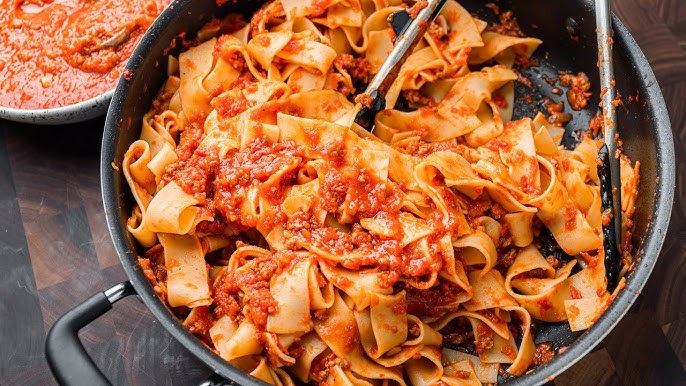
- Pappardelle – Wide ribbons that match the robustness of the meat.
Cook your pasta al dente—firm to the bite. Always salt your pasta water like the sea. Never rinse your pasta after draining; the starch helps the sauce cling.
Toss a few ladles of sauce with the drained pasta in a large bowl or pan before serving. This ensures every bite is coated evenly. Serve the rest of the sauce and meats on the side, allowing guests to add as much or as little as they want.
Grate some fresh Parmigiano-Reggiano or Pecorino Romano over the top, and don’t forget a basket of crusty bread to mop up the goodness.
How to Serve It Like an Italian
If you want the full experience, serve Sunday Sauce the traditional way:
- First Course: Pasta tossed in the sauce (with maybe a meatball or two).
- Second Course: The meat served separately with a fresh green salad.
- Side Dish: A loaf of rustic Italian bread, good olive oil, and perhaps roasted vegetables.
Pair it with a robust red wine—Chianti or Barbera works beautifully. Don’t forget the conversation, laughter, and maybe a little Dean Martin playing in the background.
Serving Sunday Sauce isn’t just about filling stomachs—it’s about feeding souls. Take your time, enjoy the moment, and make it a tradition worth keeping.
FAQs about Sunday Sauce Recipe
Q1: Can I make Sunday Sauce without meat?
Yes! You can create a delicious vegetarian version using mushrooms, eggplant, and plant-based meat alternatives. The key is still slow simmering and layering of flavor.
Q2: What’s the difference between Sunday Sauce and Marinara Sauce?
Sunday Sauce is meat-based and slow-cooked for several hours, while marinara is a quicker, simpler tomato sauce without meat, usually ready in under an hour.
Q3: Can I make it in a slow cooker?
Absolutely. After browning the meat and sautéing the aromatics on the stove, transfer everything to a slow cooker and cook on low for 6–8 hours.
Q4: How do I store and reheat leftovers?
Store in an airtight container in the fridge for up to 4 days or freeze for up to 3 months. Reheat gently on the stove over low heat, adding a splash of water if it thickens too much.
Q5: What’s the best wine to pair with Sunday Sauce?
A bold red wine like Chianti, Sangiovese, or Barbera complements the rich, meaty flavors perfectly.
Conclusion
Sunday Sauce is more than a recipe—it’s an experience, a symbol of warmth, tradition, and family connection. From the sound of meats sizzling in olive oil to the rich aroma that fills your kitchen for hours, every step is a reminder that the best meals take time and care. Whether you’re Italian-American or just a food lover looking for something special, this dish brings comfort and joy in every spoonful.
Here are a few final tips to make your Sunday Sauce truly unforgettable:
- Don’t Rush It: The longer it simmers, the better it tastes. Plan ahead and start early in the day.
- Use Quality Ingredients: Fresh herbs, good olive oil, and ripe canned tomatoes make a huge difference.
- Customize It: Add hard-boiled eggs, braciole, or different types of sausage for your own twist.
- Freeze the Leftovers: This sauce tastes even better the next day, and it freezes beautifully. Always make a big batch.
- Make It a Tradition: Invite friends or family, and turn this meal into a Sunday ritual. It’s a beautiful way to slow down and connect.
Remember, there’s no one “right” way to make Sunday Sauce. Every family has its version, and yours will become part of your story. It’s a dish that invites creativity and carries history. So roll up your sleeves, pour yourself a glass of wine, and enjoy the process.