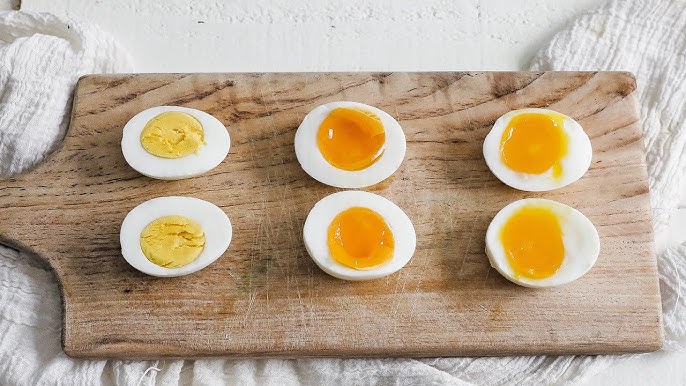
Soft Boiled Eggs Recipe: If you’re looking for a breakfast that’s simple, nutritious, and incredibly satisfying, soft boiled eggs might just be your new morning go-to. With their creamy, golden yolks and tender whites, they strike the perfect balance between indulgent and healthy. Plus, they’re fast to make and work beautifully in everything from toast to ramen bowls.
But here’s the catch: getting that just right texture? It takes a bit of technique. Too short and the whites are runny, too long and the yolk starts to firm up like a hard-boiled egg. This guide will walk you through how to make soft boiled eggs like a pro—no fancy tools, just solid step-by-step instructions.
Benefits of Eating Soft Boiled Eggs
Let’s talk nutrition. Eggs are often labeled as one of nature’s most complete foods, and for good reason. A single large egg contains about 6 grams of protein, essential fats, and vital nutrients like Vitamin B12, selenium, and choline.
Soft boiling eggs keeps most of these nutrients intact because the cooking time is shorter and the temperature is lower than other methods. That means you’re not just getting a delicious egg—you’re also getting more nutrition per bite. And if you’re someone who struggles with digestion, soft boiled eggs are typically easier on the stomach than their fried or scrambled cousins.
Not to mention, they’re extremely versatile. From a protein boost at breakfast to a quick addition in salads and noodles, soft boiled eggs are the ultimate multitaskers in the kitchen.
Tools and Ingredients You’ll Need
Before we get into the boiling part, make sure you’ve got your tools ready. Soft boiling eggs doesn’t require any special gadgets, but a few basics make the job easier.
Kitchen Tools Checklist:
- Saucepan (medium size)
- Slotted spoon or regular spoon
- Timer or stopwatch
- Bowl of ice water
- Tongs (optional, but helpful)
Ingredients List:
- Large eggs (as fresh as possible)
- Water (enough to cover the eggs by 1 inch)
- Ice (for the ice bath)
- Salt and pepper (optional, for seasoning)
Once you’ve got your setup ready, it’s time to get cracking—literally.
Step-by-Step Instructions to Make Perfect Soft Boiled Eggs
Let’s break it down into easy steps so you can replicate perfect results every time.
Step 1: Choose the Right Eggs
Start with large, preferably fresh eggs. Older eggs can sometimes be harder to peel, and their texture might be a bit off. Room temperature eggs are best since they reduce the risk of cracking when added to boiling water.
Step 2: Prepare Your Pot and Water
Fill your saucepan with enough water to cover the eggs by about an inch. Bring it to a full boil. Don’t put the eggs in until the water is boiling—this gives you better control over cooking time.
Step 3: Boiling the Eggs
Once the water reaches a rolling boil, reduce it to a gentle simmer. Using a spoon, carefully lower the eggs into the water one at a time to prevent cracking.
Step 4: Timing is Everything
Now set your timer. For soft boiled eggs with a runny yolk and set whites, 6 minutes is the sweet spot. If you like your yolk slightly more set, go for 6½ to 7 minutes.
Be precise here—every second counts.
Step 5: Cooling and Peeling
Once your timer beeps, immediately transfer the eggs into a bowl of ice water. This stops the cooking process and makes peeling a breeze. Let them sit for about 2–3 minutes before peeling gently under cool running water.
Timing Chart for Soft Boiled Eggs
Getting the timing right is essential when aiming for that perfect soft boiled texture. Here’s a breakdown of how different cooking times affect the egg’s yolk and whites:
| Time (Minutes) | Egg White Texture | Yolk Texture |
|---|---|---|
| 4 minutes | Slightly set, still soft | Very runny |
| 5 minutes | Mostly set, a bit soft | Runny, but starting to thicken |
| 6 minutes | Fully set | Perfectly runny |
| 6.5 minutes | Fully set | Creamy with a soft center |
| 7 minutes | Firm white | Slightly jammy, semi-runny |
This table helps you experiment and find your perfect doneness. Try boiling three eggs and removing one at 5, 6, and 7 minutes to compare.
Tips for Perfect Soft Boiled Eggs Every Time
Even though boiling an egg seems simple, a few small tips can take you from “meh” to “wow.”
1. Use Room Temperature Eggs
Cold eggs straight from the fridge are more likely to crack when dropped in hot water. Let your eggs sit on the counter for 15–20 minutes before boiling.
2. Don’t Skip the Ice Bath
This step stops the cooking process immediately and keeps your yolk from going over. It also makes peeling easier by helping the egg white contract away from the shell.
3. Crack and Peel Carefully
Start peeling from the wider end of the egg where there’s an air pocket. Gently roll the egg to loosen the shell, then peel it under running water to avoid tearing the delicate whites.
4. Use a Slotted Spoon
It’s not essential, but it helps you lower and lift eggs more safely and gently, avoiding any cracks or splashes.
5. Experiment with Timing
Because stoves and pots vary, you may need to tweak the time slightly. Start with 6 minutes and adjust in 15-second increments to perfect your eggs.
Serving Suggestions
Soft boiled eggs are way more versatile than you might think. Sure, they’re fantastic on toast, but there are tons of creative ways to enjoy them:
1. Toast Soldiers
A classic British favorite. Cut toast into strips and dip them into the yolk for a warm, buttery bite every time.
2. Ramen Topping
If you’re into Japanese cuisine, you’ll love how a soft boiled egg adds richness to your ramen bowl. Just slice it in half and let that gooey yolk melt into the broth.
3. Over Avocado Toast
Top your avo toast with a halved soft boiled egg, a pinch of chili flakes, and a drizzle of olive oil. Breakfast of champions!
4. On Salads
Make your salads more satisfying by adding sliced soft boiled eggs. The creamy yolk becomes a rich dressing of its own.
5. With Rice or Grains
Top a warm grain bowl or rice dish with a soft boiled egg. It adds flavor, texture, and a protein punch.
Common Mistakes to Avoid
Even a simple egg can go wrong. Here’s what to avoid:
1. Overcooking
If you boil past 7 minutes, you’re entering hard-boiled territory. The yolk turns dry, and you lose that creamy texture.
2. Cracking During Boiling
Don’t drop eggs straight from the fridge into boiling water. This temperature shock is the main reason eggs crack while cooking.
3. Skipping the Timer
Guesswork is your enemy here. Always set a timer, even if you think you “know” when it’s done.
4. Not Using an Ice Bath
This can lead to continued cooking inside the shell. It’s the reason some eggs have greenish yolks and rubbery whites.
How to Store and Reheat Soft Boiled Eggs
One of the beautiful things about soft boiled eggs is that they can be made in advance and enjoyed later. But storing and reheating them correctly is crucial to preserving their delicate texture and flavor.
Storing Soft Boiled Eggs
- Refrigeration: After boiling and cooling your eggs in an ice bath, store them in an airtight container in the fridge. If you’ve peeled them, wrap them in a damp paper towel to prevent them from drying out.
- Shelf Life: Unpeeled soft boiled eggs can last up to 2 days in the refrigerator. Peeled ones should ideally be eaten within 24 hours for the best texture.
Reheating Soft Boiled Eggs
- Don’t Microwave: Microwaving soft boiled eggs is a no-go. The yolk can explode, and the texture will get rubbery.
- Hot Water Method: The best way to reheat is by placing the unpeeled egg in a bowl of hot (not boiling) water for about 3 minutes. This gently warms the egg without cooking it further.
Soft boiled eggs are delicate, so a gentle approach is key when storing and reheating. With proper care, you can prep your breakfast or lunch a day ahead and still enjoy that perfect yolky center.
Nutritional Breakdown
Soft boiled eggs are not just tasty—they’re nutritional powerhouses. Here’s a quick overview of what one large soft boiled egg brings to your plate:
| Nutrient | Amount (per large egg) |
|---|---|
| Calories | 68 |
| Protein | 6.3g |
| Total Fat | 4.8g |
| Saturated Fat | 1.6g |
| Cholesterol | 186mg |
| Carbohydrates | 0.6g |
| Vitamin B12 | 0.6µg (25% DV) |
| Selenium | 15.4µg (22% DV) |
| Choline | 147mg (27% DV) |
Eggs are a rare source of high-quality protein and essential micronutrients. The soft boiling method helps retain these nutrients better than frying or scrambling.
If you’re on a fitness journey, looking to improve your diet, or just want a wholesome snack, soft boiled eggs are an easy win.
FAQs about Soft Boiled Eggs Recipe
1. How long do soft boiled eggs last in the fridge?
Soft boiled eggs, when stored properly in the refrigerator, can last up to 2 days unpeeled. For the best quality, try to eat peeled eggs within 24 hours.
2. Can you eat soft boiled eggs cold?
Yes! They’re delicious cold, especially in salads or sandwiches. Just make sure they’ve been stored safely in the fridge.
3. Why are my eggs hard to peel?
Super fresh eggs can be tricky to peel. Letting them sit for a few days or using a pinch of baking soda in the boiling water can help.
4. Are soft boiled eggs safe to eat?
Yes, if properly cooked and handled. Ensure the white is set and use clean, fresh eggs from a trusted source.
5. Can I make soft boiled eggs in advance?
Absolutely. Boil a few, store them in the fridge, and use the hot water method to reheat. Perfect for meal prep!
Conclusion
Soft boiled eggs are a timeless kitchen staple. They’re easy, nutritious, and endlessly versatile. Whether you’re dipping toast soldiers into a molten yolk or slicing them over a grain bowl, the possibilities are deliciously endless.
Remember: precision is key. Stick to the correct timing, cool them down quickly, and handle them gently. Once you get the hang of it, you’ll find yourself making these little golden gems all the time.
So grab some eggs and a pot, and give this recipe a shot. You might just find your new breakfast obsession.