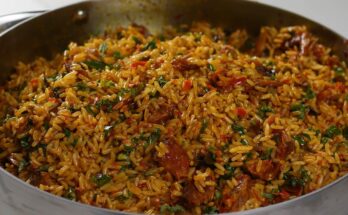
Ukwa, also known as African breadfruit, is one of the most treasured traditional foods in Nigeria, particularly among the Igbo people of southeastern Nigeria. When properly prepared, Ukwa becomes tender, naturally creamy, slightly nutty, and deeply satisfying. It can be enjoyed as a simple boiled meal, cooked into a rich porridge, or served alongside ingredients such as palm oil, pepper, onions, fish, or traditional seasonings.
In this Ukwa recipe, we prepare African breadfruit using a simple traditional method that allows its distinctive flavour and soft texture to stand out. With properly cleaned Ukwa, the right amount of water, seasoning, and careful cooking, we can create a delicious meal suitable for lunch, dinner, family gatherings, and traditional occasions.
Ingredients for Ukwa (African Breadfruit)
Before we begin cooking, we gather all the ingredients required for a flavourful and properly cooked African breadfruit dish.
Main Ingredients
- 4 cups Ukwa (African breadfruit seeds)
- Enough water for boiling
- 1 teaspoon potash (akanwu) or edible baking soda, optional
- Salt to taste
- 1 medium onion, chopped
- 2–3 fresh peppers, chopped or blended
- ½ cup palm oil
- 1 teaspoon ground crayfish, optional
- 1 seasoning cube, optional
- Smoked or dried fish, optional
The quantity of water required may vary depending on how dry or mature the breadfruit seeds are. Older dried Ukwa usually requires more water and a longer cooking period than fresh breadfruit.
How to Prepare Ukwa Before Cooking
Proper preparation is essential when making a good African breadfruit recipe.
We begin by sorting through the Ukwa carefully to remove stones, damaged seeds, shells, dirt, and other unwanted particles. Traditional Ukwa can contain small debris, especially when purchased from an open market, so we inspect it thoroughly.
Next, we place the Ukwa in a large bowl and rinse it several times with clean water. We continue washing until the water becomes relatively clear.
If we are using dried Ukwa, we may soak it in clean water for a few hours or overnight. Soaking is optional, but it can significantly reduce the cooking time.
Once washed and drained, the African breadfruit is ready for cooking.
How to Make Ukwa Step by Step
1. Wash the Ukwa
Pick through the ukwa carefully to remove stones or dirt. Wash thoroughly with clean water.
2. Start Cooking
Place the washed ukwa in a pot and add enough water to cover it. Bring to a boil over medium heat.
3. Add Potash
Dissolve a small amount of potash in water and add it to the pot. This helps the ukwa soften faster. Cook until the seeds become tender, adding more water when necessary.
4. Season the Ukwa
Once soft, add salt and any preferred seasoning. For a simple traditional version, the ukwa can be served at this stage.
5. Make Ukwa Porridge
For a richer meal, add palm oil, pepper, dried fish, or ugba. Stir gently and allow it to simmer for about 5–10 minutes until everything is well combined.
How to Make Ukwa Porridge
Ukwa porridge is an excellent variation when we want a richer, more flavourful meal.
Once the breadfruit becomes tender, we add chopped onions, pepper, ground crayfish, seasoning, and cleaned smoked or dried fish if desired.
We then pour in the palm oil and stir gently.
We allow everything to simmer together over low to medium heat for approximately 10–15 minutes. This allows the palm oil, pepper, onions, fish, and seasonings to blend properly with the breadfruit.
If the porridge becomes too thick, we add a small quantity of hot water.
We taste and adjust the salt and pepper before removing the pot from the heat.
The finished Ukwa porridge should be tender, moist, rich, and flavourful without becoming excessively watery.
How to Know When Ukwa Is Properly Cooked
Properly cooked African breadfruit should be soft and tender, but the individual seeds should still be recognisable.
We can test a seed by removing one from the pot and pressing it gently. When properly cooked, it should break or mash easily without having a hard centre.
The cooking liquid may also become slightly creamy or thick because Ukwa naturally releases starch as it cooks.
If the seeds are still firm, we simply continue cooking and replenish the water as required.
Tips for Making the Best Ukwa Recipe
Several simple techniques can improve the flavour and texture of homemade African breadfruit.
Use Good-Quality Ukwa
Fresh, properly processed Ukwa generally cooks faster and produces a better texture. We remove damaged, discoloured, or unusually hard seeds before cooking.
Do Not Allow the Pot to Dry Out
Ukwa requires plenty of water while cooking. We check the pot regularly because allowing the water to dry completely can cause the breadfruit to burn.
Add Salt Toward the End
We preferably add salt after the Ukwa has softened. This keeps the seasoning easy to control and allows us to concentrate first on achieving the correct texture.
Use Potash Sparingly
Only a small quantity is required when potash is necessary. Excessive amounts may create an unpleasant taste.
Cook Slowly After Seasoning
Once the additional ingredients have been added, we reduce the heat and allow the dish to simmer gently. This helps the flavours combine without breaking the softened breadfruit excessively.
What to Serve With Ukwa
Ukwa is versatile enough to be served in several ways.
Simple boiled African breadfruit can be served with:
- Palm oil
- Fresh pepper
- Ground pepper
- Chopped onions
- Salt
- Coconut
- Roasted corn
- Smoked fish
- Dried fish
Ukwa porridge can usually be enjoyed on its own because it already contains enough flavour and richness to form a complete meal.
Another popular method is to drain the cooked Ukwa and lightly fry or roast the softened seeds for a slightly different texture and flavour.
Traditional Ukwa With Palm Oil and Pepper
For a simple traditional serving style, we drain some of the liquid from the freshly cooked Ukwa and transfer the tender seeds into a serving bowl.
In a separate small bowl, we combine palm oil with chopped fresh pepper, onions, and a pinch of salt.
We can dip the cooked Ukwa into the palm oil mixture or pour a small quantity directly over the breadfruit.
This simple combination allows the naturally mild and nutty flavour of African breadfruit to remain prominent.
How to Store Cooked Ukwa
If we have leftover Ukwa, we allow it to cool completely before transferring it into an airtight container.
Cooked African breadfruit can be stored in the refrigerator for a few days. For longer storage, freezing is preferable.
When reheating refrigerated Ukwa porridge, we add a small amount of water because the dish usually thickens as it cools. We then warm it gently over medium-low heat while stirring occasionally.
Frozen Ukwa should be thawed before reheating for the best texture.
Can We Cook Ukwa Without Potash?
Yes. We can prepare Ukwa without potash, particularly when the seeds are fresh or have been properly soaked before cooking.
The major difference is cooking time. Some dried breadfruit seeds can take significantly longer to soften naturally.
Soaking the Ukwa overnight and using a pressure cooker are practical alternatives when we prefer not to use potash.
Can Ukwa Be Cooked in a Pressure Cooker?
A pressure cooker can significantly reduce the amount of time required to prepare African breadfruit.
After cleaning and rinsing the seeds, we place them inside the pressure cooker with sufficient water. We cook until tender according to the pressure cooker’s instructions.
After the pressure has been safely released, we can season the softened Ukwa or transfer it to a regular pot to prepare the porridge variation.
This method is particularly useful for very dry or mature Ukwa.
Common Mistakes to Avoid When Cooking Ukwa
A successful Ukwa recipe depends heavily on texture and proper handling.
We avoid using insufficient water because breadfruit absorbs considerable moisture during cooking.
We also avoid adding too much potash. A small quantity is enough to assist the softening process when required.
Another common mistake is removing the Ukwa from the heat before it becomes completely tender. African breadfruit should not have a hard centre when served.
When preparing porridge, we avoid adding excessive palm oil or seasoning. Ukwa has a pleasant natural flavour that should remain noticeable in the finished dish.
Simple Ukwa Recipe for Beginners
For anyone preparing African breadfruit for the first time, the simplest approach is often the best.
We wash the Ukwa thoroughly, boil it in plenty of water until completely tender, add salt toward the end of the cooking process, and serve it with palm oil and fresh pepper.
Once this basic technique has been mastered, we can easily introduce onions, crayfish, smoked fish, dried fish, spices, and additional seasonings to create a richer Ukwa porridge.
Best Way to Enjoy Homemade African Breadfruit
Freshly cooked Ukwa is best served warm. Its soft texture and subtle nutty flavour pair particularly well with palm oil, pepper, onions, crayfish, and smoked fish.
For a lighter meal, we can keep the recipe simple and serve plain boiled Ukwa with a palm oil dipping sauce. For something more substantial, we can transform the cooked breadfruit into a rich porridge with fish and traditional seasonings.
Whichever version we choose, careful washing, sufficient cooking water, gentle seasoning, and enough cooking time remain essential.
FAQs about Ukwa Recipe
1. What is Ukwa?
Ukwa, also known as African breadfruit, is a popular Nigerian delicacy especially common among the Igbo people. It has a naturally rich, nutty flavour and can be prepared in several ways.
2. How long does Ukwa take to cook?
Ukwa usually takes about 45 minutes to 1½ hours to become tender, depending on the maturity of the seeds and the cooking method used.
3. What ingredients are needed to prepare Ukwa?
The basic ingredients include Ukwa (African breadfruit), water, salt, potash or akanwu, palm oil, pepper, crayfish, and seasoning. Some recipes may include additional ingredients according to preference.
4. Can Ukwa be cooked without potash?
Yes. Ukwa can be prepared without potash, although it may take longer to soften. A pressure cooker can help reduce the cooking time.
5. How do we know when Ukwa is properly cooked?
Ukwa is ready when the seeds become soft, tender, and easy to bite. The cooking liquid may also become slightly thick and creamy.
6. What can we serve with Ukwa?
We can serve Ukwa alone or with palm oil sauce, pepper, coconut, roasted corn, or other traditional Nigerian accompaniments. It can be enjoyed as a main meal or snack.
Conclusion
Preparing an authentic Ukwa (African Breadfruit) recipe becomes straightforward once we understand how to properly clean, soften, season, and serve the breadfruit. We begin with well-sorted Ukwa, cook it patiently in sufficient water until tender, and then decide whether to enjoy it simply boiled or transform it into a flavourful Ukwa porridge.
With palm oil, pepper, onions, crayfish, and optional smoked or dried fish, we can create a satisfying Nigerian meal that preserves the distinctive taste of African breadfruit. Whether served traditionally with palm oil or prepared as a rich porridge, this step-by-step Ukwa recipe provides a practical method for achieving soft, delicious, and perfectly cooked African breadfruit at home.