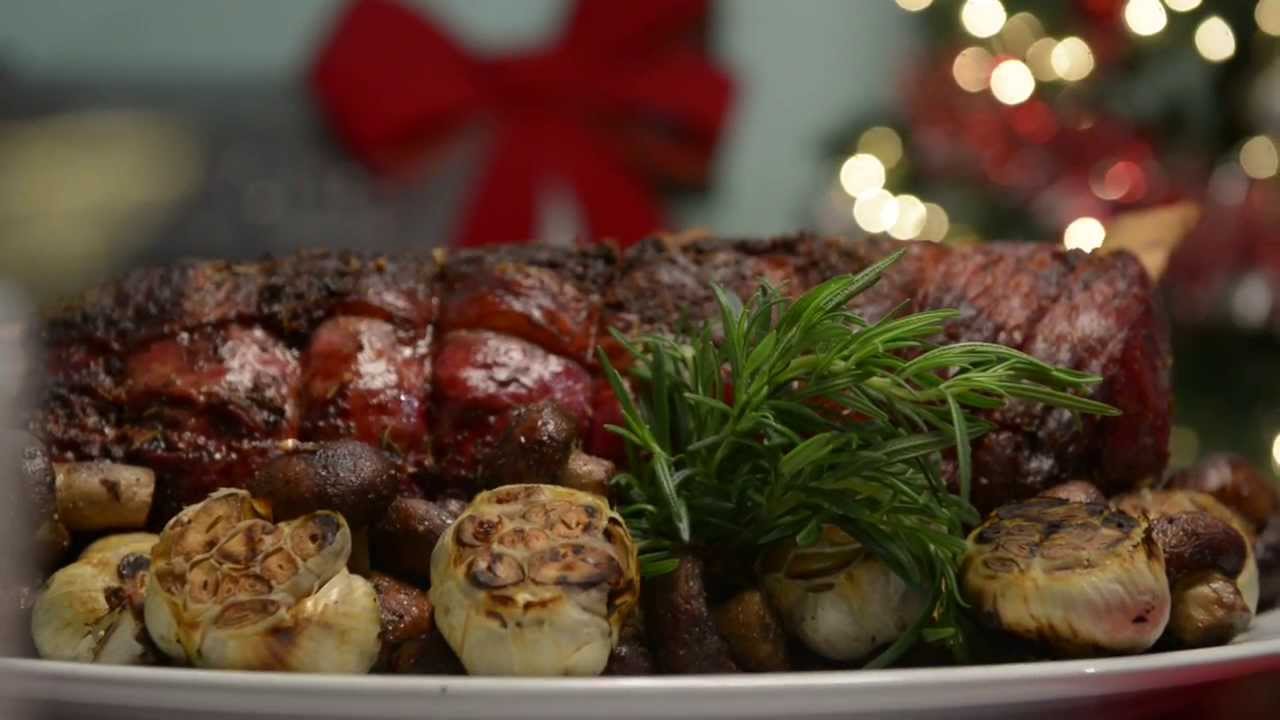
A Traeger prime rib recipe gives us one of the richest, juiciest, and most impressive smoked beef dishes we can prepare for holidays, family dinners, celebrations, or any special weekend meal. Prime rib already has deep beef flavor, beautiful marbling, and a naturally tender texture, but when we cook it low and slow on a Traeger grill, the result becomes even more flavorful. The wood-fired smoke gently surrounds the roast, creating a seasoned crust on the outside while keeping the center tender, juicy, and perfectly pink.
This step-by-step guide explains how we prepare, season, smoke, rest, slice, and serve a delicious Traeger smoked prime rib with confidence. With the right cut, proper seasoning, steady temperature, and careful resting time, we can create a restaurant-quality prime rib directly from our pellet grill.
Ingredients You’ll Need for Traeger Prime Rib
To make the best Traeger prime rib, we need simple ingredients that enhance the natural flavor of the beef without covering it up. Prime rib is already rich, so the goal is to build a bold crust, add smoky depth, and keep the meat juicy.
Main Ingredients
- 1 bone-in or boneless prime rib roast, about 5 to 8 pounds
- 3 tablespoons kosher salt
- 2 tablespoons freshly ground black pepper
- 2 tablespoons garlic powder
- 1 tablespoon onion powder
- 1 tablespoon smoked paprika
- 1 tablespoon dried rosemary
- 1 tablespoon dried thyme
- 1 tablespoon brown sugar, optional for slight crust balance
- 3 tablespoons olive oil
- 4 tablespoons unsalted butter, softened
- 4 cloves garlic, finely minced
- 1 tablespoon fresh rosemary, chopped
- 1 tablespoon fresh thyme, chopped
Optional Serving Ingredients
- Prepared horseradish sauce
- Au jus or beef drippings
- Roasted potatoes
- Grilled asparagus
- Creamed spinach
- Dinner rolls
For the wood pellets, we can use hickory, oak, cherry, pecan, or a signature blend. Oak gives a classic steakhouse-style smoke, hickory adds stronger smoky flavor, while cherry gives the roast a beautiful color with mild sweetness.
Choosing the Best Prime Rib for Smoking
A good Traeger prime rib recipe starts with the right roast. We can use either bone-in prime rib or boneless prime rib. Bone-in prime rib usually delivers deeper flavor and a more traditional presentation, while boneless prime rib is easier to season, cook evenly, and slice.
When buying the roast, we should look for strong marbling throughout the meat. The thin white streaks of fat inside the beef melt slowly as the prime rib smokes, making the roast tender, juicy, and flavorful. A roast between 5 and 8 pounds is ideal for most home cooks because it fits well on the Traeger and feeds a good number of guests.
As a simple serving guide, we can plan about 1 pound per person for bone-in prime rib or about ¾ pound per person for boneless prime rib. If we want leftovers for sandwiches, wraps, steak bowls, or breakfast hash, choosing a slightly larger roast is a smart option.
How to Prepare Prime Rib Before Smoking
Before seasoning, we should remove the prime rib from the refrigerator and let it sit at room temperature for about 1 to 2 hours. This helps the roast cook more evenly from edge to center. A very cold roast placed directly on the smoker can take longer to cook and may develop an uneven doneness.
Next, we pat the roast completely dry with paper towels. A dry surface helps the seasoning stick better and allows the outside to form a beautiful crust. If there is excess hard fat on the outside, we can trim it lightly, but we should leave a thin fat layer because it helps protect the meat and adds flavor while smoking.
For a bone-in roast, we can leave the bones attached or ask the butcher to cut and tie them back onto the roast. This makes slicing easier after cooking while still giving us the flavor benefits of the bones.
Prime Rib Seasoning for a Bold Traeger Crust
The seasoning is one of the most important parts of this smoked prime rib recipe. We want the outside to be savory, aromatic, and slightly smoky, with enough salt to season the thick roast deeply.
In a small bowl, we combine kosher salt, black pepper, garlic powder, onion powder, smoked paprika, dried rosemary, dried thyme, and brown sugar. The salt brings out the beef flavor, the pepper adds bite, the garlic and onion create savory depth, and the herbs give the prime rib a classic roast flavor.
After mixing the dry seasoning, we rub the entire roast with olive oil. The oil helps the seasoning cling to the surface and supports crust formation. We then coat the prime rib generously on all sides, including the ends. Since prime rib is a large cut of beef, we should not season it lightly. A thick roast needs a bold outer layer of seasoning.
For even more flavor, we mix softened butter with minced garlic, fresh rosemary, and fresh thyme. This garlic herb butter can be spread over the roast before smoking or brushed on during the final stage of cooking.
Setting Up the Traeger Grill
To smoke prime rib properly, we preheat the Traeger to 225°F. This low temperature allows the roast to cook slowly and absorb clean wood-fired flavor. A slower cook also helps the prime rib stay tender from edge to center.
Before placing the roast on the grill, we make sure the hopper has enough pellets. Prime rib is not something we want to interrupt halfway through because the grill runs out of fuel. We also place a drip pan under the grates if desired. The drippings can be used later for au jus or added flavor.
For best results, we insert a reliable meat probe into the thickest part of the roast, away from the bone and away from large pockets of fat. Accurate internal temperature is the key to perfect prime rib.
Step-by-Step Guide to Making Traeger Prime Rib
Step 1: Preheat the Traeger
We set the Traeger grill to 225°F and allow it to fully preheat with the lid closed. This creates a stable cooking environment and clean smoke before the meat goes on the grill.
Step 2: Season the Prime Rib Generously
We pat the roast dry, rub it with olive oil, and apply the seasoning blend over every side. We press the seasoning gently into the meat so it sticks well. If using garlic herb butter, we spread it evenly over the top and sides.
Step 3: Place the Prime Rib on the Traeger
We place the prime rib directly on the grill grates with the fat side facing up. This allows the fat to slowly render over the meat while it cooks. For bone-in prime rib, the bone side can face down.
Step 4: Smoke Low and Slow
We smoke the prime rib at 225°F until it reaches the desired internal temperature. Cooking time depends on the size of the roast, but a general estimate is 30 to 40 minutes per pound. A 6-pound roast may take about 3 to 4 hours, depending on thickness, starting temperature, and grill conditions.
Step 5: Monitor Internal Temperature
We remove the roast from the Traeger when it is about 5 to 10 degrees below the final target temperature because the meat continues cooking while resting.
Use this doneness guide:
- Rare: Remove at 115°F, final temperature around 120°F
- Medium rare: Remove at 125°F, final temperature around 130°F
- Medium: Remove at 135°F, final temperature around 140°F
- Medium well: Remove at 145°F, final temperature around 150°F
For the best texture and juiciness, medium rare is the preferred doneness for prime rib.
Step 6: Optional High-Heat Sear
For a darker crust, we remove the roast when it reaches the desired smoking temperature, tent it lightly with foil, and increase the Traeger to 450°F. Once hot, we return the prime rib to the grill for about 8 to 12 minutes, turning as needed, until the outside develops a rich, browned crust.
This reverse-sear method gives us the best combination of smoky interior and flavorful exterior.
Step 7: Rest the Prime Rib
After cooking, we transfer the prime rib to a cutting board and rest it for 25 to 30 minutes. Resting is essential because it allows the juices to redistribute throughout the roast. If we slice too early, the juices run out and the meat becomes less tender.
We can loosely tent the roast with foil, but we should avoid wrapping it tightly because that can soften the crust.
Step 8: Slice and Serve
For boneless prime rib, we slice across the grain into thick, even slices. For bone-in prime rib, we carefully remove the bones first, then slice the roast. We serve it warm with au jus, horseradish sauce, roasted vegetables, mashed potatoes, or any classic holiday side dish.
Best Temperature for Traeger Prime Rib
The best Traeger temperature for prime rib is 225°F for slow smoking. This gives the beef enough time to absorb smoke while cooking evenly. For a faster cook, we can smoke at 250°F, but 225°F gives a more controlled result.
The most important rule is to cook by internal temperature, not just time. Prime rib is too valuable to guess. A meat thermometer helps us avoid overcooking and gives us a perfect finish.
How Long to Smoke Prime Rib on a Traeger
A prime rib roast usually takes about 30 to 40 minutes per pound at 225°F. However, every roast is different. A thicker roast may take longer than a wider, flatter roast of the same weight. Weather, grill temperature stability, and how long the meat sat at room temperature can also affect cooking time.
A 5-pound prime rib may take around 2½ to 3½ hours. A 7-pound prime rib may take around 3½ to 5 hours. The best method is to start early, monitor the internal temperature, and allow enough resting time before serving.
Tips for the Best Smoked Prime Rib
For a stronger crust, season the roast the night before and refrigerate it uncovered. This dry-brining method helps the salt penetrate the beef and dries the surface slightly for better browning.
We should also avoid opening the Traeger lid too often. Every time the lid opens, heat escapes and the cooking time increases. Keeping the lid closed helps maintain steady smoke and temperature.
Another important tip is to use a sharp carving knife. Prime rib should be sliced cleanly, not torn. Clean slices help preserve the texture and make the roast look beautiful on the serving platter.
What to Serve with Traeger Prime Rib
A rich Traeger smoked prime rib pairs well with classic sides that balance the deep beef flavor. Creamy mashed potatoes, roasted garlic potatoes, Yorkshire pudding, glazed carrots, green beans, grilled asparagus, and Caesar salad are excellent choices.
For sauces, we can serve au jus, horseradish cream, garlic butter, or a red wine reduction. The smoky crust and juicy center already deliver plenty of flavor, so the sauce should complement the beef instead of overpowering it.
How to Store and Reheat Leftover Prime Rib
Leftover prime rib should be cooled, wrapped tightly, and stored in the refrigerator for up to 3 to 4 days. For longer storage, we can freeze sliced portions in airtight freezer bags.
To reheat without drying it out, we place slices in a baking dish with a small amount of beef broth or au jus, cover with foil, and warm gently at 250°F until heated through. We should avoid high heat because it can overcook the meat and remove the pink center.
Leftover prime rib is excellent in sandwiches, tacos, fried rice, omelets, pasta, beef sliders, and loaded baked potatoes.
FAQs about Traeger Prime Rib Recipe
1. What temperature should we cook prime rib on a Traeger?
We recommend cooking prime rib on a Traeger at 225°F to 250°F for a slow, smoky, and tender result. This low temperature allows the meat to absorb rich wood-fired flavor while cooking evenly.
2. How long does prime rib take on a Traeger?
The cooking time depends on the size of the roast and desired doneness. Generally, prime rib takes about 30 to 40 minutes per pound at 225°F. Always use a meat thermometer for the most accurate result.
3. What internal temperature is best for Traeger prime rib?
For medium-rare, remove the prime rib from the Traeger at about 125°F, then let it rest. The temperature will rise slightly as it rests. For medium, aim for around 135°F before resting.
4. Should we sear prime rib after smoking?
Yes. After slow-smoking, we can increase the Traeger temperature to 450°F or use a hot skillet to sear the outside. This creates a flavorful crust while keeping the inside juicy.
5. What wood pellets are best for prime rib?
Hickory, oak, mesquite, or cherry wood pellets work well for prime rib. Hickory and oak give a bold smoky flavor, while cherry adds a slightly sweet and mild taste.
Conclusion
This Traeger prime rib recipe gives us a tender, smoky, juicy roast with a flavorful herb crust and beautiful doneness from edge to center. By seasoning generously, smoking low and slow, monitoring internal temperature, resting properly, and slicing carefully, we can serve a prime rib that feels special, elegant, and deeply satisfying.
Whether we are preparing it for Christmas, Thanksgiving, New Year’s dinner, a family celebration, or a weekend feast, smoked prime rib on a Traeger is one of the best ways to turn a premium beef roast into an unforgettable meal.