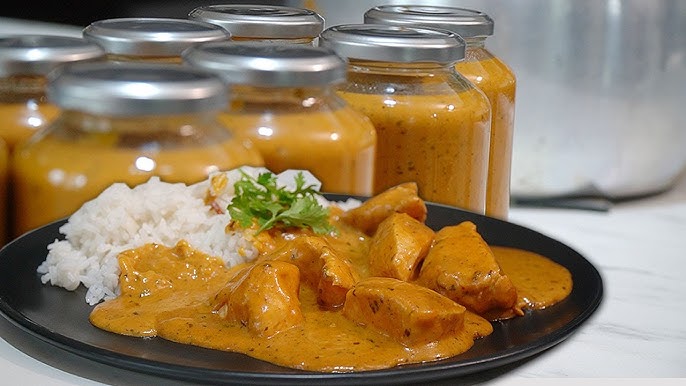
A rich, creamy, and deeply flavorful tikka masala sauce recipe is one of the most useful recipes we can master in the kitchen. This classic sauce is known for its smooth tomato base, warm spices, buttery aroma, and luxurious creaminess. It is the heart of many beloved dishes, especially chicken tikka masala, paneer tikka masala, tofu tikka masala, shrimp tikka masala, and vegetable tikka masala.
With the right balance of tomatoes, onions, garlic, ginger, spices, and cream, we can create a restaurant-style sauce at home without relying on bottled sauces or complicated techniques. This homemade tikka masala sauce is bold, comforting, and versatile enough to pair with rice, naan, roasted vegetables, grilled meats, or plant-based proteins.
The beauty of this recipe is that it delivers a deep, layered flavor using simple ingredients. We build the sauce slowly by cooking the aromatics, blooming the spices, simmering the tomato base, and finishing with cream for a silky texture. The result is a smooth, fragrant, and satisfying sauce that tastes like it has been simmering for hours.
Ingredients You’ll Need for Tikka Masala Sauce
To prepare a flavorful tikka masala sauce from scratch, we need fresh aromatics, warming spices, tomato sauce, and a creamy finish. Each ingredient plays an important role in creating the signature taste and texture.
Main Ingredients
- 2 tablespoons butter or ghee
- 1 tablespoon vegetable oil
- 1 large onion, finely chopped
- 4 garlic cloves, minced
- 1 tablespoon fresh ginger, grated
- 1 ½ cups tomato puree or crushed tomatoes
- 2 tablespoons tomato paste
- 1 cup heavy cream
- ½ cup water or chicken stock
- 1 teaspoon sugar
- Salt to taste
- Fresh cilantro for garnish
Spices for Tikka Masala Sauce
- 2 teaspoons garam masala
- 1 teaspoon ground cumin
- 1 teaspoon ground coriander
- 1 teaspoon paprika
- ½ teaspoon turmeric
- ½ teaspoon chili powder
- ½ teaspoon black pepper
- ¼ teaspoon cinnamon
- ¼ teaspoon cayenne pepper, optional
Optional Flavor Boosters
- 1 tablespoon lemon juice
- 1 teaspoon kasuri methi, crushed
- 2 tablespoons plain yogurt
- Extra butter for finishing
- A splash of coconut milk for a lighter variation
Step-by-Step Guide to Making Tikka Masala Sauce
Step 1: Heat the Butter and Oil
We begin by placing a deep pan or saucepan over medium heat. Add butter or ghee together with a small amount of oil. The butter gives the sauce a rich, classic flavor, while the oil helps prevent the butter from burning.
Allow the butter to melt gently until it becomes fragrant. This creates the flavorful base that will carry the spices and aromatics throughout the sauce.
Step 2: Cook the Onion Until Soft and Golden
Add the finely chopped onion to the pan and cook it slowly. Stir often so the onion does not burn. We want the onion to soften, release its sweetness, and turn lightly golden.
This step is important because properly cooked onions give homemade tikka masala sauce its rounded flavor. If the onion is rushed, the sauce can taste sharp. A well-cooked onion base makes the final sauce smoother, sweeter, and more balanced.
Cook for about 7 to 10 minutes until the onions are soft and lightly browned.
Step 3: Add Garlic and Ginger
Once the onions are golden, add the minced garlic and grated ginger. Stir continuously for about 1 minute until the mixture becomes fragrant.
Garlic and ginger are essential in a proper tikka masala sauce recipe. They add warmth, depth, and freshness. Avoid cooking them for too long because garlic can become bitter when burned.
Step 4: Bloom the Spices
Add the garam masala, cumin, coriander, paprika, turmeric, chili powder, black pepper, cinnamon, and cayenne pepper if using. Stir the spices into the onion, garlic, and ginger mixture.
Cook the spices for 30 to 60 seconds. This process is called blooming, and it helps release the natural oils in the spices. Blooming gives the sauce a deeper color, stronger aroma, and richer flavor.
At this stage, the mixture should smell warm, earthy, and slightly smoky.
Step 5: Add Tomato Paste
Stir in the tomato paste and cook it for 1 to 2 minutes. Tomato paste adds concentration, sweetness, and body to the sauce. Cooking it briefly removes the raw tomato taste and deepens the flavor.
The mixture will become thick and richly colored. Stir carefully so it does not stick to the bottom of the pan.
Step 6: Pour in Tomato Puree or Crushed Tomatoes
Add the tomato puree or crushed tomatoes to the pan. Stir well until the tomato base combines fully with the spice mixture.
This is where the sauce begins to take shape. The tomatoes provide acidity, color, and structure. For a smooth restaurant-style sauce, tomato puree works beautifully. For a slightly rustic version, crushed tomatoes are excellent.
Add the sugar and a pinch of salt. The sugar helps balance the acidity of the tomatoes and creates a smoother taste.
Step 7: Simmer the Sauce
Reduce the heat to low and allow the sauce to simmer for 15 to 20 minutes. Stir occasionally to prevent sticking.
During this stage, the flavors blend together. The tomatoes mellow, the spices settle, and the sauce thickens naturally. A good tikka masala sauce should not taste raw or watery. It should become rich, smooth, and deeply aromatic.
If the sauce becomes too thick, add a little water or stock. If it is too thin, continue simmering until it reaches the desired consistency.
Step 8: Blend for a Smooth Sauce
For a creamy, restaurant-style texture, blend the sauce using an immersion blender directly in the pan. We can also transfer the sauce carefully to a blender and blend until smooth.
Blending creates the silky texture that makes tikka masala sauce perfect for coating chicken, paneer, tofu, seafood, or vegetables. After blending, return the sauce to the pan if using a countertop blender.
Step 9: Add Cream
Lower the heat and stir in the heavy cream. Mix gently until the sauce becomes smooth, creamy, and beautifully orange.
Do not boil the sauce aggressively after adding cream. Gentle heat keeps the sauce silky and prevents separation. The cream softens the spices, balances the acidity, and gives tikka masala sauce its signature richness.
For a lighter version, use half-and-half, evaporated milk, Greek yogurt, or coconut milk. For a dairy-free version, full-fat coconut milk works very well.
Step 10: Finish with Kasuri Methi and Lemon Juice
Crush the kasuri methi between your palms and add it to the sauce. This optional ingredient gives the sauce a distinct restaurant-style aroma. Add lemon juice for brightness and adjust the salt to taste.
At this point, the sauce should be creamy, fragrant, mildly spicy, and balanced. For extra richness, stir in a small knob of butter before serving.
How to Use Tikka Masala Sauce
This tikka masala sauce recipe can be used in many delicious ways. It is not limited to chicken. Once the sauce is prepared, we can add cooked protein or vegetables and simmer everything together for a complete meal.
Chicken Tikka Masala Sauce
Add grilled, roasted, or pan-seared chicken pieces to the sauce. Simmer for 8 to 10 minutes until the chicken absorbs the flavor. Serve with basmati rice or naan.
Paneer Tikka Masala Sauce
Add cubes of paneer to the sauce and simmer gently. Paneer absorbs the creamy tomato flavor beautifully and makes a rich vegetarian meal.
Vegetable Tikka Masala Sauce
Add roasted cauliflower, potatoes, carrots, peas, bell peppers, or chickpeas. This creates a hearty vegetarian tikka masala packed with flavor and texture.
Tofu Tikka Masala Sauce
For a plant-based version, use firm tofu. Pan-fry the tofu first for better texture, then simmer it in the sauce until coated.
Shrimp Tikka Masala Sauce
Add raw shrimp directly to the simmering sauce and cook until the shrimp turns pink and tender. This makes a quick seafood tikka masala with bold flavor.
Tips for the Best Tikka Masala Sauce
Use good-quality tomatoes because they form the foundation of the sauce. If the tomatoes taste too acidic, balance them with a small amount of sugar or cream.
Cook the onions properly before adding the spices. Soft, golden onions create a sweeter and smoother base.
Do not skip blooming the spices. This step brings out the deep flavor of garam masala, cumin, coriander, turmeric, and paprika.
Blend the sauce for the smoothest texture. A silky sauce feels more luxurious and coats ingredients better.
Finish with cream over low heat. High heat can cause the cream to split, so keep the sauce gentle after adding dairy.
Add kasuri methi for a more authentic restaurant-style taste. A small amount gives the sauce a unique aroma and deeper character.
How to Store Tikka Masala Sauce
This homemade tikka masala sauce stores very well, making it perfect for meal prep.
Allow the sauce to cool completely, then transfer it into an airtight container. Store it in the refrigerator for up to 4 days. Reheat gently on the stovetop over low heat, adding a splash of water or cream if the sauce has thickened.
For longer storage, freeze the sauce for up to 3 months. Place it in freezer-safe containers or bags. Thaw overnight in the refrigerator before reheating.
It is best to freeze the sauce before adding cream if we want the freshest texture. However, fully finished sauce can also be frozen and reheated gently.
What to Serve with Tikka Masala Sauce
Tikka masala sauce pairs beautifully with simple sides that absorb its creamy richness.
Serve it with steamed basmati rice, jeera rice, garlic naan, butter naan, roti, or paratha. For a lighter meal, pair it with roasted vegetables, cauliflower rice, or a fresh cucumber salad.
The sauce also works well as a topping for rice bowls, wraps, baked potatoes, grilled vegetables, and flatbread pizzas.
Common Mistakes to Avoid
Avoid adding cream too early. Cream should be added near the end so the sauce stays smooth.
Do not undercook the onions. Raw or undercooked onions can make the sauce taste harsh.
Do not burn the spices. Spices should be cooked briefly, not scorched.
Avoid using too much water. Tikka masala sauce should be creamy and rich, not thin and watery.
Do not skip salt adjustment at the end. Since tomatoes, cream, and spices vary in intensity, final seasoning is important.
Easy Tikka Masala Sauce Variation
For a spicy tikka masala sauce, increase the cayenne pepper or chili powder. For a milder sauce, reduce the chili powder and add extra cream.
For a dairy-free tikka masala sauce, replace butter with oil and heavy cream with coconut milk.
For a smoky tikka masala sauce, use smoked paprika or char the vegetables before adding them to the sauce.
For a thicker tikka masala sauce, simmer longer before adding cream. For a thinner sauce, add a little stock until the texture is right.
FAQs about Tikka Masala Sauce Recipe
1. What is tikka masala sauce made of?
Tikka masala sauce is usually made with tomatoes, onions, garlic, ginger, cream or yogurt, and warm spices such as garam masala, cumin, coriander, turmeric, paprika, and chili powder. The sauce is rich, creamy, mildly spicy, and full of flavor.
2. Can we make tikka masala sauce without cream?
Yes, we can make tikka masala sauce without cream by using coconut milk, Greek yogurt, cashew cream, or evaporated milk. These alternatives still give the sauce a smooth and creamy texture while changing the flavor slightly.
3. Is tikka masala sauce spicy?
Tikka masala sauce is usually mild to medium spicy, depending on how much chili powder or fresh chili we add. To make it less spicy, we can reduce the chili and add more cream, yogurt, or coconut milk.
4. How long does homemade tikka masala sauce last?
Homemade tikka masala sauce can last for about 3 to 4 days in the refrigerator when stored in an airtight container. It can also be frozen for up to 2 to 3 months for later use.
5. What can we serve with tikka masala sauce?
We can serve tikka masala sauce with chicken, paneer, tofu, vegetables, rice, naan bread, or roti. It also works well as a flavorful curry base for quick weeknight meals.
Final Thoughts
A great tikka masala sauce recipe should be creamy, spiced, balanced, and full of depth. By cooking the onions slowly, blooming the spices, simmering the tomatoes, blending the sauce, and finishing with cream, we create a rich and flavorful sauce that tastes fresh, comforting, and satisfying.
This sauce is perfect for chicken, paneer, tofu, shrimp, chickpeas, and vegetables. It can be made ahead, stored easily, and used in many different meals throughout the week. Once we master this step-by-step method, we can prepare restaurant-style tikka masala sauce at home anytime with simple ingredients and reliable results.