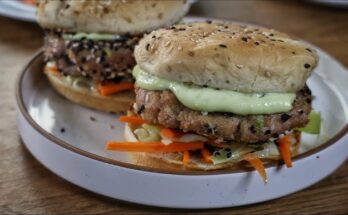
Szechuan Sauce Recipe: Szechuan sauce is a bold, spicy, slightly sweet, and deeply savory Chinese-style sauce known for its powerful flavor and mouthwatering aroma. It brings together the heat of chili, the richness of garlic and ginger, the saltiness of soy sauce, the sweetness of brown sugar, and the tangy depth of rice vinegar. When prepared properly, homemade Szechuan sauce can transform simple noodles, stir-fried vegetables, chicken, beef, tofu, rice bowls, dumplings, and roasted dishes into restaurant-quality meals.
This Szechuan sauce recipe is simple, fast, and highly flavorful. We can prepare it in minutes using easy-to-find ingredients, and the result is a glossy, thick, spicy sauce that works perfectly as a stir-fry sauce, dipping sauce, marinade, or finishing glaze.
What Is Szechuan Sauce?
Szechuan sauce is inspired by the bold flavors of Sichuan cuisine, a regional Chinese cooking style famous for its spicy, aromatic, and complex taste. Traditional Sichuan dishes often use chili peppers, garlic, ginger, soy sauce, vinegar, and Sichuan peppercorns. These ingredients create a flavor that is spicy, savory, slightly numbing, and intensely fragrant.
This homemade version gives us a balanced sauce that is practical for everyday cooking. It keeps the flavor rich and exciting without becoming too complicated. The sauce has a smooth texture, a deep reddish-brown color, and a strong aroma that makes any dish more appetizing.
Ingredients You’ll Need
To make a delicious homemade Szechuan sauce, we need simple ingredients that combine heat, sweetness, acidity, and umami.
Main Sauce Ingredients
- 3 tablespoons soy sauce
- 2 tablespoons rice vinegar
- 1 tablespoon hoisin sauce
- 1 tablespoon chili garlic sauce
- 1 tablespoon brown sugar
- 1 tablespoon sesame oil
- 2 teaspoons minced garlic
- 1 teaspoon grated fresh ginger
- 1 teaspoon cornstarch
- 3 tablespoons water
- ½ teaspoon crushed red pepper flakes
- ½ teaspoon ground Sichuan peppercorns optional but recommended
- 1 teaspoon tomato paste optional for richer color and body
Optional Flavor Boosters
- 1 teaspoon dark soy sauce for deeper color
- 1 teaspoon honey for extra sweetness
- 1 teaspoon oyster sauce for more savory depth
- ½ teaspoon black vinegar for a stronger tangy flavor
- 1 tablespoon finely chopped green onions for freshness
Choosing the Best Ingredients for Szechuan Sauce
The quality of the sauce depends on the balance of each ingredient. Soy sauce gives the base flavor, so we should use a good-quality soy sauce that is not overly salty. Rice vinegar adds brightness and prevents the sauce from tasting too heavy. Chili garlic sauce gives spice, garlic flavor, and body, making the sauce bold without requiring too many extra ingredients.
Fresh garlic and ginger are very important because they create the warm, aromatic foundation of the sauce. Powdered garlic or ginger can be used in emergencies, but fresh ingredients give a cleaner and stronger flavor. Sesame oil should be added carefully because it has a strong nutty aroma. A small amount is enough to make the sauce taste rich.
Sichuan peppercorns are optional, but they give the sauce its signature tingling flavor. When ground and added lightly, they create a unique sensation that makes the sauce taste more authentic.
Step-by-Step Guide to Make Szechuan Sauce
Step 1: Prepare the Cornstarch Slurry
In a small bowl, mix 1 teaspoon cornstarch with 3 tablespoons water. Stir until smooth and make sure there are no lumps. This mixture will help thicken the sauce and give it a glossy, restaurant-style texture.
Cornstarch should always be mixed with cold or room-temperature water before adding it to hot sauce. Adding dry cornstarch directly into hot liquid can create lumps.
Step 2: Mix the Sauce Base
In another bowl, combine soy sauce, rice vinegar, hoisin sauce, chili garlic sauce, brown sugar, sesame oil, crushed red pepper flakes, and ground Sichuan peppercorns. Stir until the sugar begins to dissolve.
This mixture forms the main flavor of the sauce. It should taste salty, spicy, slightly sweet, and tangy. At this stage, the flavor may seem strong, but it will become smoother once cooked.
Step 3: Sauté Garlic and Ginger
Place a small saucepan over medium heat. Add a little sesame oil or neutral cooking oil. Add the minced garlic and grated ginger, then cook for about 30 seconds to 1 minute.
Stir constantly to prevent burning. The goal is to release the aroma, not brown the garlic too much. Once the garlic and ginger become fragrant, we can move to the next step.
Step 4: Add the Sauce Mixture
Pour the prepared sauce base into the saucepan. Stir well so the garlic and ginger blend into the liquid. Let the sauce warm gently for 1 to 2 minutes.
As the sauce heats, the flavors become deeper and more connected. The brown sugar melts fully, the vinegar sharpness softens, and the chili flavor becomes richer.
Step 5: Thicken the Sauce
Stir the cornstarch slurry again, then slowly pour it into the saucepan while stirring continuously. Keep the heat at medium-low and continue stirring until the sauce thickens.
This usually takes 1 to 2 minutes. The sauce should become glossy and lightly thick, but not too heavy. It should coat the back of a spoon while still being pourable.
Step 6: Taste and Adjust
Taste the sauce carefully. If it needs more heat, add extra chili flakes or chili garlic sauce. If it tastes too spicy, add a little more brown sugar or hoisin sauce. If it feels too salty, add a splash of water. If it needs brightness, add a little more rice vinegar.
A good Szechuan sauce should have balance. It should not taste only spicy. The best version has heat, sweetness, tanginess, saltiness, and aroma working together.
How to Use Szechuan Sauce
Szechuan sauce is extremely versatile. We can use it in many dishes, from quick weeknight meals to special homemade takeout-style recipes.
Szechuan Stir-Fry Sauce
Add the sauce to stir-fried chicken, beef, shrimp, tofu, mushrooms, broccoli, bell peppers, carrots, onions, or snap peas. Cook the protein and vegetables first, then pour in the sauce during the final 1 to 2 minutes. Toss everything until coated.
Szechuan Noodles
Mix the sauce with cooked noodles for a spicy and savory noodle dish. Add green onions, sesame seeds, shredded carrots, cabbage, or cooked chicken for a fuller meal.
Szechuan Dipping Sauce
Serve the sauce with dumplings, spring rolls, fried wontons, chicken bites, roasted vegetables, or crispy tofu. For dipping, we can make the sauce slightly thinner by adding a little warm water.
Szechuan Marinade
Use the sauce as a marinade for chicken, beef, pork, tofu, or seafood. Coat the ingredient and let it sit for at least 20 to 30 minutes before cooking. For stronger flavor, marinate for several hours in the refrigerator.
Szechuan Rice Bowl Sauce
Drizzle the sauce over steamed rice, fried rice, grilled chicken, sautéed vegetables, or crispy tofu. It adds instant flavor and makes simple rice bowls taste rich and satisfying.
Tips for the Best Homemade Szechuan Sauce
For the best flavor, cook the garlic and ginger before adding the sauce base. This step makes the sauce more aromatic and removes the raw sharpness. Always stir the cornstarch slurry before using it because cornstarch settles quickly at the bottom of the bowl.
Do not over-thicken the sauce. A good Szechuan sauce should be glossy and smooth, not sticky like paste. If it becomes too thick, add water one tablespoon at a time until it reaches the right consistency.
Use heat carefully. If we want a mild sauce, reduce the chili garlic sauce and crushed pepper flakes. If we want it very spicy, add more chili flakes, chili oil, or fresh chopped chilies.
How to Store Szechuan Sauce
Allow the sauce to cool completely before storing. Pour it into a clean glass jar or airtight container and keep it in the refrigerator. Homemade Szechuan sauce can last for about 5 to 7 days when properly refrigerated.
Before using, stir the sauce well. It may thicken in the fridge, so we can warm it gently in a pan or microwave and add a small splash of water to loosen the texture.
Can You Freeze Szechuan Sauce?
Yes, Szechuan sauce can be frozen. Place it in a freezer-safe container or small portion cups and freeze for up to 2 months. Thaw it in the refrigerator before reheating. After thawing, stir well because the texture may separate slightly.
For the best result, freeze the sauce before adding too much cornstarch, or make it slightly thinner before freezing. This helps the sauce return to a smoother texture when reheated.
Common Mistakes to Avoid
One common mistake is adding too much cornstarch. This can make the sauce too thick and dull the flavor. Another mistake is burning the garlic and ginger, which can make the sauce bitter. We should cook them gently and briefly.
Using too much soy sauce can also make the sauce overly salty. It is better to start with the recommended amount and adjust after tasting. Skipping the vinegar can make the sauce taste flat, while skipping sugar can make the heat feel harsh. Balance is the secret to a great Szechuan sauce.
Best Dishes to Serve with Szechuan Sauce
Szechuan sauce pairs beautifully with many meals. It works well with Szechuan chicken, Szechuan beef, spicy noodles, vegetable stir-fry, crispy tofu, fried rice, dumplings, and grilled shrimp. It also tastes excellent with roasted cauliflower, sautéed mushrooms, and pan-fried eggplant.
For a full meal, serve it with steamed jasmine rice, stir-fried vegetables, and a protein of choice. The sauce brings everything together with bold flavor and a satisfying spicy finish.
Homemade Szechuan Sauce Recipe
Ingredients
- 3 tablespoons soy sauce
- 2 tablespoons rice vinegar
- 1 tablespoon hoisin sauce
- 1 tablespoon chili garlic sauce
- 1 tablespoon brown sugar
- 1 tablespoon sesame oil
- 2 teaspoons minced garlic
- 1 teaspoon grated ginger
- 1 teaspoon cornstarch
- 3 tablespoons water
- ½ teaspoon crushed red pepper flakes
- ½ teaspoon ground Sichuan peppercorns
Instructions
- In a small bowl, mix cornstarch and water until smooth.
- In another bowl, combine soy sauce, rice vinegar, hoisin sauce, chili garlic sauce, brown sugar, sesame oil, red pepper flakes, and Sichuan peppercorns.
- Heat a saucepan over medium heat and sauté garlic and ginger for 30 seconds.
- Pour in the sauce mixture and stir well.
- Add the cornstarch slurry slowly while stirring.
- Cook for 1 to 2 minutes until glossy and slightly thickened.
- Taste and adjust the spice, sweetness, or saltiness as needed.
- Use immediately or store in the refrigerator after cooling.
FAQs about Szechuan Sauce Recipe
1. What is Szechuan sauce made of?
Szechuan sauce is usually made with soy sauce, vinegar, garlic, ginger, chili paste, sesame oil, sugar, and cornstarch. Some versions also include Sichuan peppercorns for a slightly numbing, spicy flavor.
2. Is Szechuan sauce very spicy?
Szechuan sauce is known for its bold, spicy, and slightly tangy taste, but the spice level can be adjusted. For a mild version, use less chili paste or chili oil. For a hotter sauce, add extra dried chilies, chili flakes, or Sichuan peppercorns.
3. Can I use Szechuan sauce for stir-fry?
Yes, Szechuan sauce is perfect for stir-fry dishes. It works well with chicken, beef, shrimp, tofu, noodles, and vegetables. Add it near the end of cooking so the sauce coats the ingredients without burning.
4. How long can homemade Szechuan sauce last?
Homemade Szechuan sauce can last for about 5 to 7 days in the refrigerator when stored in a clean, airtight container. Always let the sauce cool completely before storing it, and stir before using.
5. How do I thicken Szechuan sauce?
To thicken Szechuan sauce, mix cornstarch with a little water to make a slurry, then add it to the sauce while it is simmering. Stir continuously until the sauce becomes glossy and slightly thick.
Final Thoughts
This Szechuan sauce recipe gives us a quick, flavorful, and dependable sauce that can upgrade many homemade meals. It is spicy, savory, slightly sweet, tangy, and aromatic, making it perfect for stir-fries, noodles, rice bowls, dipping, and marinades. With simple ingredients and a short cooking time, we can make a bold homemade sauce that tastes fresh, rich, and better than many bottled versions.