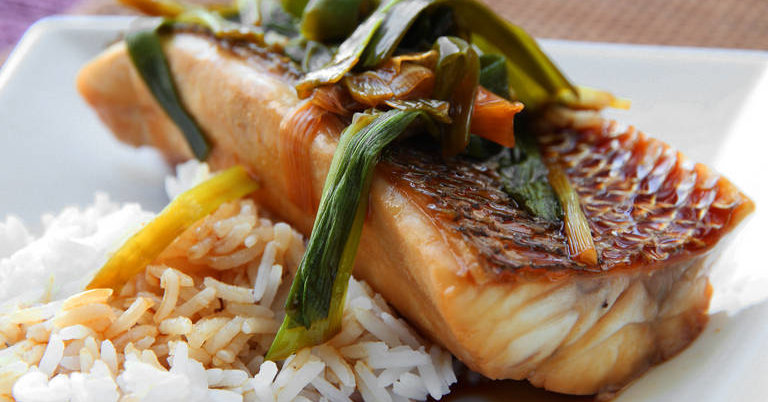
Striped Bass Recipe: Cooking fish can seem intimidating, especially when you’re aiming to impress guests or enjoy a flavorful, restaurant-quality meal at home. Striped bass is one of those fish that’s versatile, delicious, and surprisingly easy to prepare when you know the right steps.
Whether you’re a home cook or someone just learning their way around the kitchen, this step-by-step guide will walk you through how to cook striped bass like a pro—from selecting the freshest fish to serving it on your plate.
What Makes Striped Bass Special?
Striped bass, also known as “stripers,” is a mild-flavored, white-fleshed fish popular among chefs and seafood lovers alike. Found along the Atlantic coast and in some freshwater lakes, this fish is known for its firm texture and clean taste. What makes striped bass stand out is its ability to soak in flavors from herbs, spices, and marinades without being overpowering. It’s a blank canvas, allowing your culinary creativity to shine through.
The texture is meaty yet tender, making it ideal for various cooking methods like baking, grilling, searing, or steaming. Whether you’re into Mediterranean-style dishes, classic American recipes, or Asian-inspired flavors, striped bass can adapt beautifully.
Nutritional Benefits of Striped Bass
Striped bass isn’t just tasty—it’s good for you too. Packed with lean protein, omega-3 fatty acids, vitamin D, and essential minerals like selenium and phosphorus, it’s a heart-healthy option. Omega-3s support brain function, reduce inflammation, and may even help lower the risk of chronic diseases. Plus, it’s relatively low in calories compared to fattier fish like salmon or mackerel, making it ideal for weight-conscious eaters.
Eating fish like striped bass once or twice a week can significantly contribute to a balanced diet without sacrificing taste.
Preparing for the Recipe
Selecting Fresh Striped Bass
The first step to a great meal starts at the market or seafood counter. If you’re buying whole fish, here’s what to look for:
- Clear, bright eyes – Cloudy eyes mean it’s not fresh.
- Firm, shiny skin – Dullness is a red flag.
- Smells like the sea – Avoid fish that has a strong, “fishy” odor.
If you’re opting for fillets, make sure they’re moist (not slimy) and have no brown or dry edges. Talk to your fishmonger; ask when the fish was caught and whether it’s wild-caught or farm-raised. Wild-caught generally has a deeper flavor, though farm-raised can be more consistent in texture.
For those with limited access to fresh fish, flash-frozen striped bass is a great alternative—just make sure it’s vacuum-sealed and thaw it properly in the fridge for 24 hours before use.
Essential Ingredients for the Recipe
The beauty of striped bass lies in its simplicity. You don’t need a pantry full of exotic spices. Here’s a classic ingredient list:
- 2 striped bass fillets (about 6 oz each)
- 2 tablespoons olive oil
- 1 tablespoon fresh lemon juice
- 2 cloves garlic (minced)
- 1 teaspoon sea salt
- 1/2 teaspoon freshly cracked black pepper
- 1 teaspoon fresh thyme (or 1/2 tsp dried)
- Optional: paprika, capers, butter, parsley for garnish
These ingredients allow the natural flavor of the fish to shine while enhancing it with citrusy, savory undertones.
Kitchen Tools You’ll Need
Cooking Tools Checklist
Before you start cooking, gather your tools. Cooking is much smoother when everything is within reach. Here’s what you’ll need:
- Sharp knife (for filleting or trimming)
- Cutting board
- Mixing bowl (for marinade)
- Baking dish or cast-iron skillet (depending on cooking method)
- Basting brush (for olive oil or butter)
- Tongs or fish spatula
- Meat thermometer (optional, but helpful)
- Lemon squeezer or reamer
- Paper towels (for drying the fish)
Having these ready will save time and help you avoid a messy kitchen disaster. If you’re grilling, you might also want aluminum foil or a grill basket to prevent the fish from sticking.
Step-by-Step Striped Bass Cooking Guide
Step 1: Clean and Prep the Fish
Start by rinsing your striped bass under cold water and pat it dry with paper towels. If you have a whole fish, you may need to scale, gut, and fillet it—or ask your fishmonger to do it for you.
Once your fillets are clean, inspect them for any remaining bones and gently remove them with fish tweezers. Lay the fillets on a dry surface, skin-side down, and make shallow cuts into the flesh—this helps the marinade penetrate more effectively and prevents curling during cooking.
Next, season both sides with salt and pepper. This might seem basic, but seasoning is the foundation of flavor. Don’t skip it!
Step 2: Marinate for Maximum Flavor
Place your fillets in a bowl or zip-top bag. In a small mixing bowl, whisk together olive oil, lemon juice, minced garlic, and thyme. Pour the marinade over the fish and make sure it’s evenly coated. If you like a hint of heat, sprinkle in some paprika or red pepper flakes.
Let the fish marinate for at least 15–20 minutes at room temperature. This short marination time is perfect—just enough to enhance the flavor without overpowering the fish. Don’t over-marinate, especially with lemon juice, as the acid can “cook” the fish and affect texture.
Step 3: Cooking Options – Bake, Grill, or Pan-Sear
One of the best things about striped bass is how versatile it is when it comes to cooking. You can go the classic route with baking, get that smoky flavor by grilling, or opt for a quick and flavorful pan-sear. Let’s break each method down.
Baking
- Preheat your oven to 375°F (190°C).
- Lightly grease a baking dish and lay your marinated fillets skin-side down.
- Spoon some marinade over the top for extra flavor.
- Bake for 15–20 minutes, or until the fish flakes easily with a fork.
- Optional: Broil for the last 2 minutes to get a crispy top.
This method is foolproof and great if you’re cooking for more than two people.
Grilling
- Preheat your grill to medium-high heat.
- Oil the grates well to prevent sticking.
- Place the fillets skin-side down first, and grill for about 4–5 minutes.
- Flip carefully with a fish spatula and cook another 3–4 minutes.
- Use a thermometer to check doneness—145°F (63°C) internal temperature is ideal.
Grilling gives the fish a slightly charred, smoky flavor that pairs beautifully with lemon or herb butters.
Pan-Searing
- Heat a cast-iron or non-stick skillet over medium-high heat.
- Add a tablespoon of oil (olive or avocado works great).
- Once hot, place the fish skin-side down and press lightly to prevent curling.
- Cook for 3–4 minutes per side, depending on thickness.
This method is great for when you’re short on time. It creates a delicious crispy skin and locks in the juices.
Step 4: Final Touches and Plating
Once your fish is cooked, it’s time to elevate the presentation. Plate the fish carefully using a spatula, ensuring you don’t break the fillet. Drizzle with extra virgin olive oil or a squeeze of fresh lemon juice. Garnish with chopped parsley, capers, or even a lemon zest for a fresh finish.
For a richer touch, melt a tablespoon of butter with some garlic and drizzle it over the fish. This adds a luscious, restaurant-style flavor. Want to go gourmet? Add a dollop of herb butter or a spoonful of pesto on top.
The goal is to enhance—not overpower—the natural flavors of the striped bass. Presentation matters too, so wipe any splashes on the plate’s rim and serve with pride.
Serving Suggestions
Best Sides to Pair with Striped Bass
A perfectly cooked striped bass deserves equally tasty sides. Whether you’re going for comfort food or a lighter touch, here are some pairings that never miss:
- Garlic Mashed Potatoes – Rich, creamy, and a classic complement to fish.
- Steamed Asparagus or Green Beans – Simple, fresh, and healthy.
- Herb Couscous or Quinoa – Light grains that soak up all the delicious fish juices.
- Roasted Vegetables – Think carrots, zucchini, bell peppers, and sweet potatoes.
- Wild Rice Pilaf – Adds a nutty flavor and satisfying texture.
The key is balance—if your fish is buttery or rich, go for a crisp salad or roasted greens. If your fish is simply seasoned, a creamy side dish can add that extra indulgence.
Sauces and Garnishes
Want to take things up a notch? Try one of these sauce options:
- Lemon Butter Sauce – A mix of melted butter, lemon juice, garlic, and parsley.
- Herb Yogurt Sauce – Greek yogurt blended with dill, mint, and lemon.
- Spicy Aioli – A mayo-based sauce with garlic, lemon, and a dash of cayenne.
- Chimichurri – A vibrant blend of parsley, vinegar, garlic, and olive oil.
Garnishes like microgreens, citrus slices, or edible flowers can add that final flourish that makes your dish pop visually and flavor-wise.
Tips and Tricks for Perfect Striped Bass
Common Mistakes to Avoid
Even though striped bass is relatively easy to cook, it’s still possible to make a few missteps. Here are some pitfalls to steer clear of:
- Overcooking the fish – The number one crime in fish cookery. Remember: fish continues to cook slightly even after removing it from heat. Pull it off just as it starts to flake.
- Not drying the fish before cooking – Moisture is the enemy of a crispy sear. Always pat the fish dry with paper towels.
- Skipping the marinade – Even a quick 10-minute soak in olive oil, lemon, and herbs can make a huge difference in flavor.
- Using too much seasoning – Striped bass has a delicate flavor. Don’t drown it in spices or heavy sauces.
- Not letting the fish rest – Just like steak, fish benefits from a 2-3 minute rest before serving. This allows juices to redistribute.
Also, don’t crowd your pan or baking dish. Each fillet needs its space to cook evenly. If you’re preparing for a group, cook in batches or use a larger baking sheet.
FAQs about Striped Bass Recipe
1. Can I use frozen striped bass for this recipe?
Absolutely! Just make sure it’s high-quality, flash-frozen fish. Thaw it in the refrigerator overnight and pat it dry before marinating or cooking. Avoid thawing it at room temperature to preserve texture and flavor.
2. How do I know when the fish is fully cooked?
The easiest way is to use a fork—when the fish flakes easily and turns opaque, it’s done. Internally, the ideal temperature is 145°F (63°C). Also, the flesh should go from translucent to fully white.
3. What’s the best way to store leftovers?
Store leftover cooked striped bass in an airtight container in the refrigerator. It will keep for up to 2–3 days. Reheat gently in the oven or microwave to avoid drying it out.
4. Can I make this recipe spicy?
Yes! You can add red pepper flakes to the marinade or serve it with a spicy aioli or chili-infused oil. Just adjust the heat level to your preference.
5. What wine pairs well with striped bass?
Crisp, citrusy white wines like Sauvignon Blanc, Pinot Grigio, or even a dry Riesling pair beautifully with striped bass. If you’re grilling the fish, a slightly oaked Chardonnay also works wonderfully.
Conclusion
The key takeaway? Simplicity and quality ingredients go a long way. The clean, flaky texture of striped bass combined with the zesty brightness of lemon, the richness of olive oil, and the earthiness of herbs can create a dish that’s not only delicious but also packed with nutrients.
So, don’t be afraid to experiment. Add your own twist with different herbs, try out a bold sauce, or play with side dish combinations. The more you cook it, the more confident you’ll become—and soon enough, striped bass might just become your signature dish.
And remember, cooking isn’t just about feeding yourself or others. It’s about creating an experience, a moment of joy, and a connection to the food you’re preparing. Happy cooking!