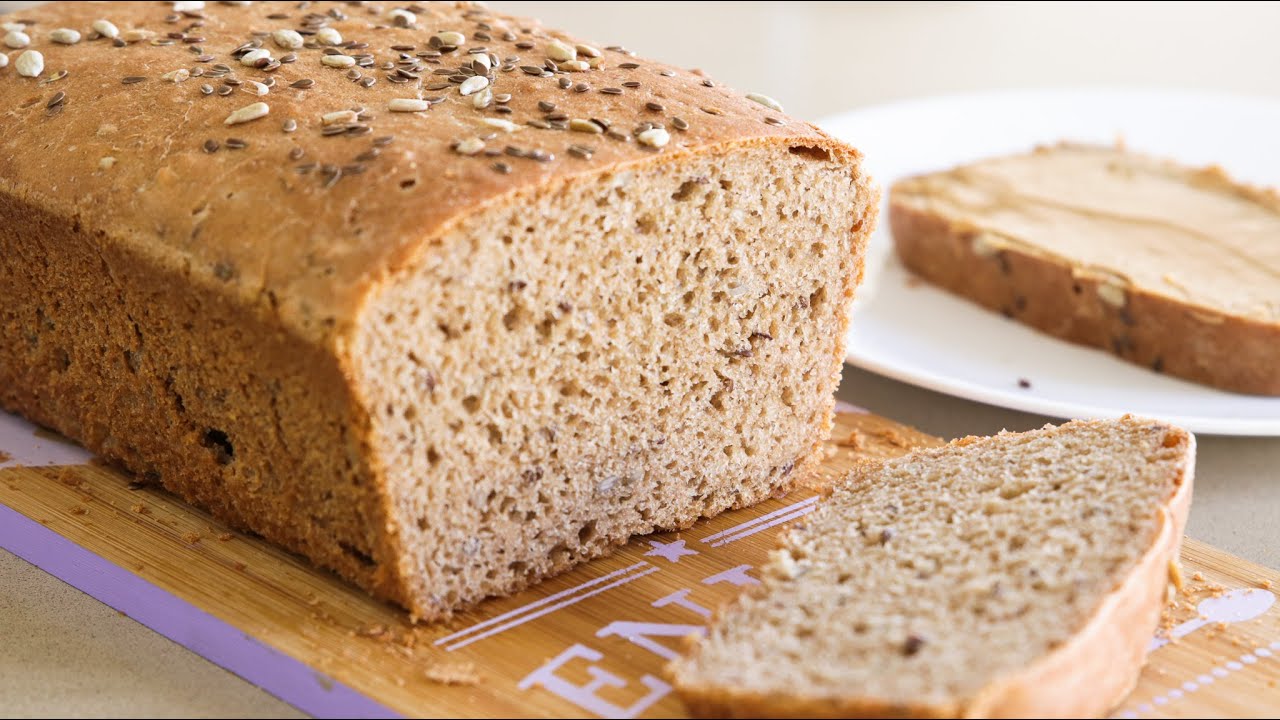
Spelt Bread Recipe: Spelt bread is one of the most flavorful and wholesome homemade breads you can bake. Made from ancient grain flour, this bread delivers a rich nutty taste, soft texture, and hearty aroma that makes every slice satisfying. Whether we enjoy it for breakfast toast, sandwiches, or alongside soups and stews, homemade spelt bread brings both nutrition and comfort to the table.
Unlike standard white bread, spelt bread contains a deeper flavor profile and a softer crumb when prepared correctly. The dough rises beautifully, develops a golden crust, and creates a bakery-style loaf that tastes incredible fresh from the oven.
This detailed guide covers everything needed to bake perfect spelt bread from scratch, including ingredients, preparation methods, proofing tips, baking instructions, storage advice, and serving ideas.
Why We Love Spelt Bread
Spelt flour has become increasingly popular because of its delicious taste and nutritional value. It is an ancient grain related to wheat but with a lighter texture and slightly sweet flavor.
Benefits of Homemade Spelt Bread
- Rich nutty flavor
- Soft and fluffy interior
- Excellent for sandwiches and toast
- High in fiber and protein
- More flavorful than regular wheat bread
- Perfect for artisan-style baking
- Made with simple pantry ingredients
Freshly baked spelt bread fills the kitchen with a warm aroma and creates a rustic homemade experience that store-bought bread cannot match.
Ingredients You’ll Need for Spelt Bread
To make a soft and delicious loaf of spelt bread, we need the following ingredients:
Basic Spelt Bread Ingredients
- 4 cups spelt flour
- 1½ cups warm water
- 2¼ teaspoons active dry yeast
- 2 tablespoons honey
- 2 tablespoons olive oil
- 1½ teaspoons salt
Optional additions:
- Sunflower seeds
- Sesame seeds
- Rolled oats
- Chia seeds
- Flaxseeds
These ingredients combine to create a hearty loaf with a rich flavor and beautiful texture.
Choosing the Best Spelt Flour
The quality of the flour plays a major role in the final bread texture.
Types of Spelt Flour
Whole Spelt Flour
- Darker color
- Higher fiber content
- Dense rustic texture
- Strong nutty flavor
White Spelt Flour
- Lighter texture
- Softer crumb
- Better rise
- Ideal for fluffy sandwich bread
For the best balance, many bakers combine both whole spelt flour and white spelt flour.
How to Activate the Yeast Properly
Yeast activation is important for achieving a well-risen loaf.
Simple Yeast Activation Method
- Pour warm water into a large bowl.
- Add honey and stir gently.
- Sprinkle yeast over the top.
- Let the mixture sit for 5–10 minutes.
The mixture should become foamy and bubbly. This indicates the yeast is active and ready for baking.
Step-by-Step Guide to Making Spelt Bread
1. Prepare the Ingredients
Gather 3 cups of spelt flour, 1 packet of yeast, 1 teaspoon of salt, 1 tablespoon of honey, 1 cup of warm water, and 2 tablespoons of olive oil. Make sure the water is warm, not hot, so the yeast activates properly.
2. Mix and Knead the Dough
Combine the flour, salt, and yeast in a large bowl. Add the honey, olive oil, and warm water. Mix until a dough forms, then knead for about 8–10 minutes until smooth and elastic.
3. Let the Dough Rise
Place the dough in a lightly oiled bowl and cover it with a clean towel. Leave it in a warm place for about 1 hour or until it doubles in size.
4. Shape and Bake the Bread
Punch down the risen dough and shape it into a loaf. Place it in a greased loaf pan or on a baking tray. Bake in a preheated oven at 375°F (190°C) for 30–35 minutes until golden brown.
5. Cool and Serve
Remove the bread from the oven and let it cool before slicing. Enjoy your homemade spelt bread with butter, soup, or your favorite spread.
Tips for Baking Perfect Spelt Bread
Use Warm Water
Water should feel warm but not hot. Excessive heat can kill the yeast.
Avoid Over-Kneading
Spelt flour develops gluten faster than wheat flour.
Do Not Add Too Much Flour
Spelt dough is softer and stickier naturally.
Allow Proper Rising Time
Under-proofed dough creates dense bread.
Cool Before Slicing
Fresh bread needs cooling time to finish setting internally.
How to Make Soft Spelt Sandwich Bread
For extra soft sandwich bread:
- Use white spelt flour
- Add 2 tablespoons milk
- Add 1 tablespoon butter
- Bake slightly shorter
This creates:
- Softer crumb
- Tender texture
- Better sandwich slices
The loaf becomes ideal for:
- Toast
- Peanut butter sandwiches
- Breakfast bread
- French toast
Healthy Variations of Spelt Bread
Seeded Spelt Bread
Add:
- Pumpkin seeds
- Flaxseeds
- Sesame seeds
Honey Spelt Bread
Increase honey slightly for mild sweetness.
Herb Spelt Bread
Mix in:
- Rosemary
- Thyme
- Garlic powder
Multigrain Spelt Bread
Combine with:
- Oats
- Rye flour
- Barley flour
These variations enhance flavor and texture while creating unique homemade bread recipes.
How to Store Homemade Spelt Bread
Proper storage keeps bread fresh longer.
Room Temperature
Store in:
- Bread box
- Airtight container
Freshness duration:
- 2–3 days
Refrigerator
Can extend shelf life slightly but may dry the bread faster.
Freezer
Wrap tightly and freeze for:
- Up to 3 months
Slice before freezing for easier use.
Best Ways to Serve Spelt Bread
Spelt bread pairs perfectly with many meals.
Breakfast Ideas
- Butter and honey
- Avocado toast
- Egg sandwiches
- Jam and cream cheese
Lunch Ideas
- Turkey sandwiches
- Tuna melts
- Grilled cheese
Dinner Pairings
- Soup
- Stew
- Salad
- Pasta dishes
The nutty flavor enhances both sweet and savory meals.
Common Mistakes to Avoid
Using Water That Is Too Hot
This can deactivate yeast instantly.
Adding Excess Flour
Too much flour creates dense bread.
Skipping the Second Rise
This limits bread volume and softness.
Cutting Bread Too Early
Warm bread can become gummy inside.
Avoiding these mistakes ensures bakery-quality results every time.
Nutritional Benefits of Spelt Bread
Spelt bread is often preferred for its nutritional profile.
Contains Important Nutrients
- Fiber
- Protein
- Iron
- Magnesium
- Zinc
Higher Flavor Quality
The natural nutty taste makes it satisfying even with minimal toppings.
Excellent Homemade Alternative
Fresh homemade bread contains fewer preservatives and artificial additives compared to many commercial breads.
FAQs about Spelt Bread Recipe
1. What is spelt bread?
Spelt bread is bread made with spelt flour, an ancient grain related to wheat. It has a slightly nutty flavor and a soft, hearty texture.
2. Is spelt bread healthier than regular bread?
Spelt bread can be a nutritious option because spelt flour contains fiber, protein, vitamins, and minerals. However, it still contains gluten.
3. Can we make spelt bread without yeast?
Yes, we can make yeast-free spelt bread using baking powder or baking soda, but the texture will be denser than traditional yeast bread.
4. Why is my spelt bread dense?
Spelt bread may become dense if the dough is overmixed, underproofed, or if too much flour is added. Spelt gluten is delicate, so gentle kneading works best.
5. How do we store spelt bread?
We can store spelt bread in an airtight container at room temperature for 2–3 days or freeze slices for longer storage.
Final Thoughts
Homemade spelt bread combines rich flavor, soft texture, and wholesome ingredients into one satisfying loaf. With the right technique, proper proofing, and quality flour, we can create bakery-style bread right from our kitchen.
This bread works beautifully for sandwiches, toast, breakfast meals, and hearty dinners. The nutty aroma, golden crust, and tender crumb make every slice memorable.
Once baked fresh at home, spelt bread quickly becomes a favorite recipe for everyday baking and family meals.