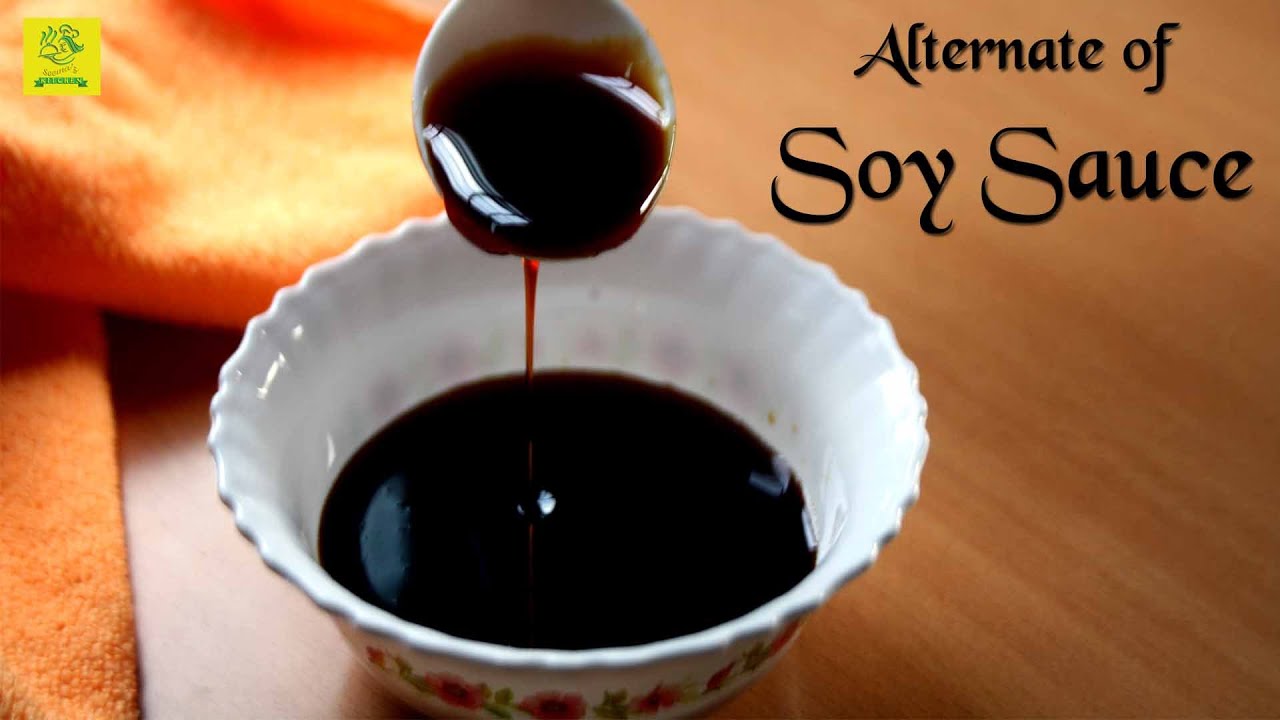
Soy Sauce Recipe: Soy sauce is one of the most essential condiments in global cuisine. Known for its deep umami flavor, rich aroma, and savory balance, this versatile sauce enhances everything from stir-fries and marinades to soups, rice dishes, noodles, and dipping sauces. A homemade soy sauce recipe delivers a fresher, richer taste than many store-bought varieties while allowing complete control over flavor, sodium levels, and ingredients.
In this complete guide, we walk through a flavorful and authentic soy sauce recipe step by step. Whether we are preparing Asian-inspired dishes, seasoning meats, or creating delicious dipping sauces, mastering homemade soy sauce transforms everyday cooking into something exceptional.
Why Homemade Soy Sauce Is Worth Making
Homemade soy sauce offers a depth of flavor that commercial sauces often lack. Many packaged sauces contain preservatives, artificial coloring, and excessive sodium. By preparing soy sauce from scratch, we create a cleaner, fresher condiment with balanced saltiness and a naturally rich taste.
Benefits of Homemade Soy Sauce
- Rich umami flavor
- Customizable salt levels
- No artificial additives
- Fresh and aromatic ingredients
- Perfect for marinades, stir-fries, and dipping sauces
- Budget-friendly in the long run
The flavor profile combines salty, savory, slightly sweet, and deeply fermented notes that enhance countless dishes.
Ingredients You’ll Need
Below are the essential ingredients for creating a flavorful homemade soy sauce recipe.
Main Ingredients
- 1 cup soybeans
- 1 cup wheat flour
- 4 cups water
- 1 cup sea salt
- Koji starter culture
- 1 tablespoon molasses or brown sugar
- 1 teaspoon garlic powder
- 1 teaspoon onion powder
Optional Flavor Enhancers
- Dried mushrooms
- Ginger slices
- Sesame oil
- Rice vinegar
- Black peppercorns
These ingredients create a balanced and deeply savory sauce with excellent complexity.
Essential Kitchen Equipment
Before starting, gather the necessary tools for a smooth preparation process.
Recommended Equipment
- Large mixing bowl
- Saucepan
- Blender or food processor
- Glass fermentation jar
- Cheesecloth
- Fine mesh strainer
- Wooden spoon
- Airtight bottles or jars
Clean equipment is extremely important because fermentation requires a sanitary environment.
Step-by-Step Guide to Making Soy Sauce
1. Prepare the Soybeans and Wheat
Wash 2 cups of soybeans thoroughly and soak them overnight. Boil the soybeans until soft, then mash them lightly. Roast 2 cups of wheat until golden brown and grind it coarsely. Mix the soybeans and wheat together evenly.
2. Add the Fermentation Starter
Sprinkle a fermentation culture called koji starter over the soybean and wheat mixture. Spread the mixture on a tray and leave it in a warm place for about 2 to 3 days. During this stage, beneficial mold develops and helps create the rich flavor of soy sauce.
3. Mix with Salt Water
Combine the fermented mixture with salt water brine in a large container. Stir well until fully blended. This thick mixture is called moromi. Cover the container loosely to allow airflow while preventing contamination.
4. Ferment the Mixture
Store the moromi in a cool, dark place for 3 to 6 months. Stir it once every few days during the first month. Over time, the mixture develops its deep brown color and strong savory taste through natural fermentation.
5. Strain and Bottle the Soy Sauce
After fermentation, strain the liquid through a clean cloth or fine sieve. Boil the liquid briefly to kill bacteria and improve shelf life. Allow it to cool before pouring into sterilized bottles. Your homemade soy sauce is now ready to use in cooking, marinades, and dipping sauces.
How to Store Homemade Soy Sauce
Allow the soy sauce to cool completely before bottling.
Storage Tips
- Use sterilized glass bottles
- Refrigerate after opening
- Store in a cool, dark place
- Keep airtight
Homemade soy sauce can last several months when stored properly.
Best Ways to Use Soy Sauce
Soy sauce enhances countless recipes with savory depth and umami richness.
Popular Uses
- Stir-fried vegetables
- Fried rice
- Noodle dishes
- Marinades
- Dipping sauces
- Soups and broths
- Sushi
- Grilled meats
- Roasted vegetables
A few drops can dramatically elevate flavor.
Flavor Variations for Homemade Soy Sauce
Customizing soy sauce allows unique flavor profiles tailored to different dishes.
Sweet Soy Sauce
Add:
- Brown sugar
- Molasses
- Honey
Perfect for glazing meats and noodles.
Spicy Soy Sauce
Add:
- Chili flakes
- Fresh peppers
- Sriracha
Excellent for dumplings and stir-fries.
Garlic Ginger Soy Sauce
Add:
- Fresh ginger
- Roasted garlic
Ideal for seafood and chicken marinades.
Common Mistakes to Avoid
Proper technique ensures the best flavor and safety.
Avoid These Errors
- Using unclean equipment
- Fermenting in direct sunlight
- Adding too much salt
- Skipping fermentation time
- Overheating during simmering
Patience is key to achieving deep authentic flavor.
Nutritional Benefits of Soy Sauce
When used in moderation, soy sauce contributes beneficial compounds and flavor without excessive calories.
Nutritional Highlights
- Low in calories
- Rich umami flavor reduces need for excess seasoning
- Contains amino acids
- Supports flavor balance in healthy cooking
Choosing homemade versions also reduces preservatives and artificial ingredients.
Tips for the Best Soy Sauce Recipe
Expert Recommendations
- Use high-quality soybeans
- Roast wheat carefully
- Ferment longer for deeper flavor
- Stir regularly during early fermentation
- Use sea salt for cleaner taste
- Store properly to maintain freshness
These small details create restaurant-quality soy sauce at home.
FAQs about Soy Sauce Recipe
1. What is soy sauce made from?
Soy sauce is traditionally made from soybeans, wheat, salt, water, and fermentation culture. These ingredients are combined and fermented to create a dark, salty, savory sauce.
2. Can we make soy sauce at home?
Yes, we can make soy sauce at home, but it requires patience and proper fermentation. Traditional soy sauce may take several months to develop its deep flavor.
3. How long does homemade soy sauce last?
Homemade soy sauce can last for several months when stored in a clean, airtight bottle in the refrigerator. Always check for unusual smell, mold, or changes in texture before use.
4. What can we use soy sauce for?
Soy sauce is perfect for marinades, stir-fries, fried rice, noodles, soups, dipping sauces, and seasoning meat or vegetables.
5. Can we make soy sauce without wheat?
Yes. For a wheat-free version, we can use tamari-style soy sauce, which is usually made with little or no wheat and is a good option for gluten-free cooking.
Final Thoughts
A homemade soy sauce recipe delivers exceptional depth, aroma, and authentic umami flavor that transforms everyday meals into gourmet dishes. The fermentation process may require patience, but the reward is a naturally rich condiment with superior taste and versatility.
Whether we use it in marinades, dipping sauces, stir-fries, or soups, homemade soy sauce adds savory richness that elevates every bite. By using fresh ingredients and traditional preparation methods, we create a healthier and more flavorful alternative to commercial products.
The result is a deeply satisfying condiment packed with complexity, aroma, and authentic character that belongs in every kitchen.