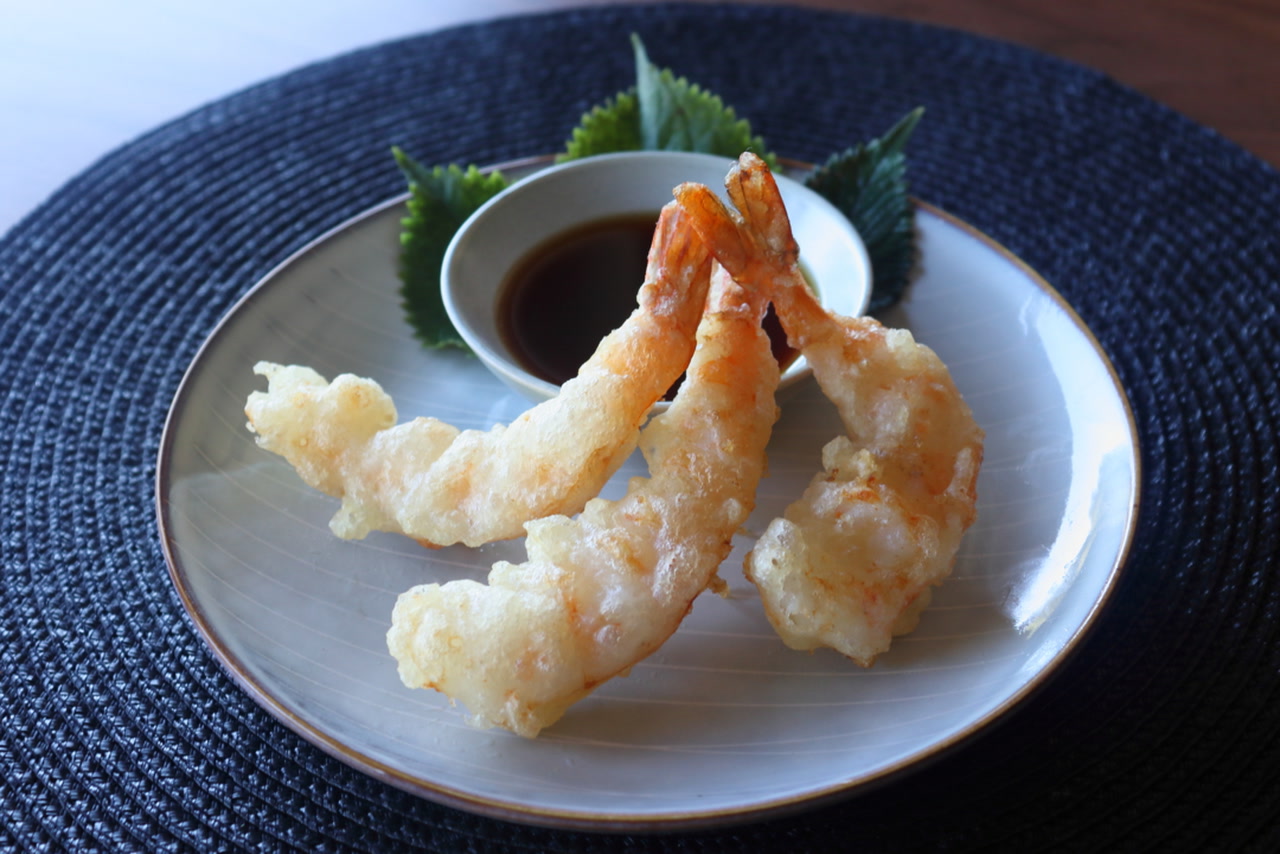
Shrimp Tempura Recipe: Shrimp tempura is one of the most popular Japanese-inspired seafood dishes, loved for its light, crispy coating and tender, juicy shrimp inside. Unlike heavy fried shrimp recipes, authentic shrimp tempura is known for its delicate crunch, airy batter, and clean flavor. The secret is in using cold batter, properly prepared shrimp, and the right frying temperature.
This shrimp tempura recipe gives us a simple, practical, and restaurant-quality method we can follow at home. With the right ingredients and clear steps, we can prepare golden, crispy shrimp tempura that works perfectly as an appetizer, side dish, party snack, sushi topping, or main meal served with rice, noodles, dipping sauce, or vegetables.
Ingredients You’ll Need for Shrimp Tempura
To make the best shrimp tempura, we need fresh shrimp, a light batter, and oil suitable for deep frying. Each ingredient plays an important role in creating the perfect texture.
Main Ingredients
- 12 large shrimp, peeled and deveined, tails left on
- 1 cup all-purpose flour, plus extra for dusting
- 1 large egg, cold
- 1 cup ice-cold water
- ½ cup cornstarch
- ½ teaspoon salt
- Oil for frying, such as vegetable oil, canola oil, or sunflower oil
Optional Ingredients for Extra Flavor
- ¼ teaspoon baking powder for a slightly lighter batter
- A few ice cubes to keep the batter cold
- Lemon wedges for serving
- Tempura dipping sauce for serving
- Grated daikon radish for a traditional touch
- Cooked rice or noodles for a complete meal
Best Shrimp to Use for Tempura
For a proper shrimp tempura recipe, we should use large or jumbo shrimp because they remain juicy after frying and give a better presentation. Fresh shrimp is excellent, but frozen shrimp also works well if thawed completely and dried properly.
The shrimp should be peeled and deveined, while the tails are left on. The tail makes each piece easier to hold, helps with presentation, and gives the tempura its classic shape. Before frying, the shrimp must be dried with paper towels because extra moisture can make the batter slide off and cause oil splatter.
How to Prepare Shrimp for Tempura
Preparing the shrimp correctly is one of the most important steps. Shrimp naturally curls when heated, so we need to straighten it before frying.
First, we peel and devein the shrimp while keeping the tail attached. Then we make a few shallow cuts across the underside of each shrimp. These cuts should not go all the way through. After making the cuts, we gently press the shrimp flat with our fingers until it stretches out.
This step helps the shrimp stay long and straight during frying, giving it the classic tempura appearance. Once shaped, we pat each shrimp dry and lightly dust it with flour before dipping it into the batter.
How to Make Light Tempura Batter
The batter is what makes shrimp tempura different from regular fried shrimp. Tempura batter should be cold, thin, and lightly mixed. We should avoid overmixing because too much mixing develops gluten, which makes the coating heavy instead of crisp.
In a mixing bowl, we beat one cold egg lightly, then add ice-cold water. Next, we add the flour, cornstarch, and salt. We stir gently with chopsticks or a fork until the mixture is just combined. Small lumps are normal and even helpful because they create a more delicate texture.
The batter should look loose and slightly lumpy, not smooth like pancake batter. To keep it cold, we can place the bowl over another bowl filled with ice.
Step-by-Step Guide to Making Shrimp Tempura
Step 1: Clean and Prepare the Shrimp
We start by peeling the shrimp, removing the vein, and leaving the tails on. Then we make small cuts on the underside of each shrimp and gently press them straight. After that, we dry the shrimp thoroughly with paper towels.
Dry shrimp holds the batter better and fries more evenly. This step also helps reduce splattering when the shrimp touches the hot oil.
Step 2: Heat the Oil
We pour enough oil into a deep pot or frying pan so the shrimp can float while frying. The oil should be heated to about 340°F to 350°F. If the oil is too cold, the shrimp will absorb oil and become greasy. If the oil is too hot, the outside will brown too fast while the inside may not cook properly.
A kitchen thermometer is useful, but we can also test the oil by dropping a small amount of batter into it. If the batter sinks slightly and quickly rises with bubbles, the oil is ready.
Step 3: Dust the Shrimp with Flour
Before dipping the shrimp into the batter, we lightly coat each piece with flour. This thin flour layer helps the tempura batter stick better. We should shake off any excess flour because too much flour can make the coating thick.
Step 4: Dip the Shrimp in Cold Batter
Holding each shrimp by the tail, we dip it into the cold tempura batter. The shrimp should be coated lightly, not heavily covered. A thin batter layer creates the signature crispy and airy tempura texture.
We should only batter the shrimp right before frying. Letting battered shrimp sit too long can make the coating soggy.
Step 5: Fry the Shrimp Tempura
We carefully place the battered shrimp into the hot oil. It is best to fry in small batches so the oil temperature does not drop too much. Overcrowding the pan can make the shrimp greasy and unevenly cooked.
Each shrimp should fry for about 2 to 3 minutes, depending on size. The coating should turn light golden and crisp. Tempura is not usually deep brown; it should remain pale golden with a delicate crunch.
Step 6: Drain the Fried Shrimp
Once cooked, we remove the shrimp from the oil using a slotted spoon or tongs. Then we place them on a wire rack or paper towel-lined plate. A wire rack is best because it keeps the coating crisp by allowing air to circulate.
We should serve shrimp tempura immediately while it is still hot and crunchy.
Tips for Crispy Shrimp Tempura
For the crispiest homemade shrimp tempura, we need to focus on temperature, batter texture, and timing. The batter must stay cold, the oil must stay hot, and the shrimp should be fried quickly.
We should not overmix the batter. A few lumps are better than a perfectly smooth mixture. We should also avoid preparing the batter too early. Tempura batter works best when made just before frying.
Another useful tip is to fry in small batches. When too many shrimp are added at once, the oil temperature drops, and the batter absorbs more oil. This makes the tempura soft instead of crisp.
Best Oil for Shrimp Tempura
The best oil for shrimp tempura is a neutral oil with a high smoke point. Vegetable oil, canola oil, sunflower oil, or peanut oil are good options. These oils do not overpower the flavor of the shrimp and can handle the heat needed for frying.
We should avoid oils with strong flavors because tempura is meant to taste light and clean. Fresh oil also gives the best result. Old oil can make the shrimp taste heavy and darken the batter too quickly.
What to Serve with Shrimp Tempura
Shrimp tempura can be served in many delicious ways. For a classic presentation, we can serve it with tempura dipping sauce, steamed rice, and grated daikon. It also pairs well with soy sauce, ponzu sauce, sweet chili sauce, or spicy mayo.
For a full meal, shrimp tempura can be served with:
- Steamed white rice
- Fried rice
- Udon noodles
- Soba noodles
- Ramen
- Vegetable tempura
- Sushi rolls
- Fresh salad
- Miso soup
Shrimp tempura is also excellent inside sushi rolls, on top of rice bowls, or served as a crunchy seafood appetizer.
How to Make Tempura Dipping Sauce
A simple tempura dipping sauce adds flavor without overpowering the shrimp. We can make a quick sauce using soy sauce, mirin, dashi, and a little sugar.
To prepare it, we combine ½ cup dashi or water, 2 tablespoons soy sauce, 2 tablespoons mirin, and 1 teaspoon sugar in a small saucepan. We warm it gently until the sugar dissolves. The sauce can be served warm with the crispy shrimp tempura.
For a faster version, we can mix soy sauce with a little water, rice vinegar, and a touch of honey or sugar.
Common Mistakes to Avoid When Making Shrimp Tempura
One common mistake is using warm batter. Warm batter makes the coating dense and oily. We should always use ice-cold water and keep the batter chilled.
Another mistake is overmixing the batter. Tempura batter should not be smooth. Overmixing creates a chewy coating instead of a light, crispy one.
We should also avoid frying at the wrong temperature. Oil that is too cool makes shrimp greasy, while oil that is too hot burns the batter. Keeping the oil around 340°F to 350°F gives the best result.
Finally, we should not overcrowd the pan. Frying too many shrimp at once reduces the heat and affects the texture.
How to Store Leftover Shrimp Tempura
Shrimp tempura is best eaten immediately, but leftovers can be stored if needed. We should allow the shrimp to cool completely, then place them in an airtight container and refrigerate for up to 2 days.
To reheat, we should avoid the microwave because it makes the coating soft. The best method is to use an oven, toaster oven, or air fryer. Reheat at 350°F until the shrimp becomes hot and crisp again.
Can We Make Shrimp Tempura in an Air Fryer?
Traditional shrimp tempura is deep-fried, but an air fryer can be used for a lighter version. However, the texture will not be exactly the same because wet tempura batter does not behave the same way in an air fryer.
For air fryer shrimp tempura, it is better to coat the shrimp lightly in flour, dip in egg, then coat with panko breadcrumbs. This gives a crisp result, but it becomes more like breaded shrimp than classic tempura.
For authentic shrimp tempura, deep frying remains the best method.
FAQs about Shrimp Tempura Recipe
1. What is shrimp tempura made of?
Shrimp tempura is made with fresh shrimp coated in a light batter, usually prepared with flour, egg, and ice-cold water. The shrimp is then deep-fried until crispy, golden, and tender inside.
2. How do we keep shrimp tempura crispy?
To keep shrimp tempura crispy, we should use very cold batter, avoid overmixing, and fry the shrimp in hot oil. Placing the fried shrimp on a wire rack instead of paper towels also helps prevent sogginess.
3. What type of shrimp is best for tempura?
Large or jumbo shrimp are best for tempura because they stay juicy after frying and give a better presentation. The shrimp should be peeled and deveined, with the tail left on for easy handling.
4. Can we make shrimp tempura without egg?
Yes, shrimp tempura can be made without egg. We can use flour, cornstarch, baking powder, and ice-cold sparkling water to create a light and crispy batter.
5. What sauce goes well with shrimp tempura?
Shrimp tempura is commonly served with tentsuyu sauce, a Japanese dipping sauce made with dashi, soy sauce, and mirin. It can also be served with sweet chili sauce, soy sauce, or a simple ponzu dip.
Final Thoughts
This shrimp tempura recipe gives us a simple way to make crispy, golden, restaurant-style tempura at home. With fresh shrimp, cold batter, and properly heated oil, we can create a light and crunchy coating that keeps the shrimp tender and flavorful inside.
The key is to prepare the shrimp correctly, keep the batter cold, avoid overmixing, and fry in small batches. Once served hot with dipping sauce, rice, noodles, or vegetables, shrimp tempura becomes a delicious dish suitable for family meals, special dinners, and impressive appetizers.
By following this step-by-step guide, we can make crispy shrimp tempura with the perfect balance of crunch, flavor, and texture every time.