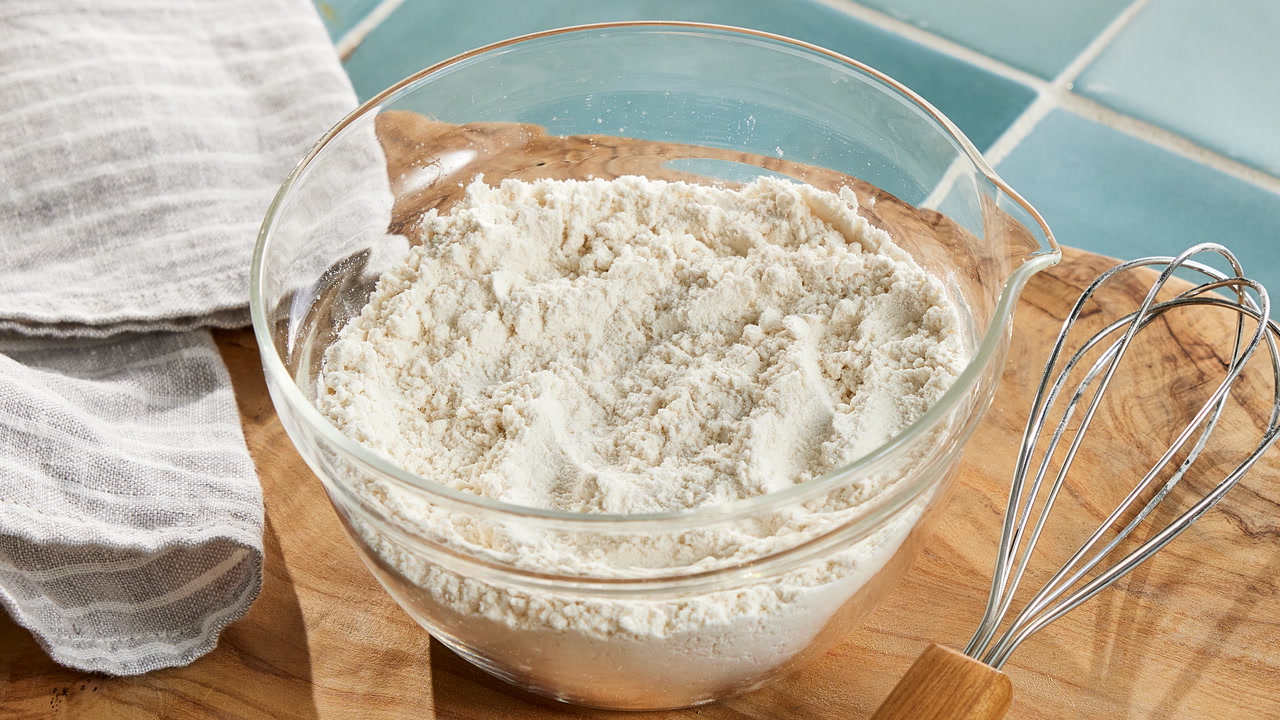
Self Raising Flour Recipe: Self-raising flour is one of the most essential baking ingredients used for creating soft, fluffy, and perfectly risen baked goods. It is a pre-mixed combination of all-purpose flour, baking powder, and a small amount of salt. Instead of measuring multiple ingredients separately, we can prepare homemade self raising flour in minutes and use it in cakes, biscuits, pancakes, muffins, scones, and many other recipes.
Making homemade self raising flour gives us complete control over freshness, texture, and quality. Store-bought versions are convenient, but preparing it at home ensures better flavor and a more reliable rise in baked recipes.
Ingredients You’ll Need for Self Raising Flour
Creating homemade self raising flour requires only a few pantry staples. The measurements below produce a balanced flour blend ideal for baking.
Basic Self Raising Flour Ingredients
- 1 cup all-purpose flour
- 1½ teaspoons baking powder
- ¼ teaspoon salt
This simple ratio creates a light flour mixture that works perfectly in most baking recipes.
Best Flour for Homemade Self Raising Flour
The type of flour we use directly affects the texture of baked goods. Choosing the right flour ensures the best baking results.
All-Purpose Flour
This is the most common option. It produces balanced texture and works perfectly for:
- Cakes
- Pancakes
- Muffins
- Biscuits
- Quick breads
Cake Flour
For extra soft baked goods, we can substitute cake flour. It creates:
- Lighter cakes
- Tender cupcakes
- Softer muffins
Whole Wheat Flour
Whole wheat flour adds:
- Rich flavor
- More fiber
- Nutty texture
However, baked goods may become denser when using whole wheat flour alone.
How to Make Self Raising Flour Step by Step
Making homemade self raising flour is extremely quick and easy. Proper mixing ensures even distribution of the leavening agents.
1. Gather Your Ingredients
To make homemade self-raising flour, we need:
- 1 cup all-purpose flour
- 1½ teaspoons baking powder
- ¼ teaspoon salt
These simple ingredients create a perfect substitute for store-bought self-raising flour.
2. Measure the Flour Correctly
Spoon the all-purpose flour into a measuring cup and level it with a knife. Avoid packing the flour tightly because too much flour can make baked goods dense and dry.
3. Add Baking Powder
Pour the baking powder into the flour. Baking powder helps cakes, biscuits, pancakes, and muffins rise properly while baking.
4. Mix in the Salt
Add the salt to improve the flavor and balance the ingredients. Stir thoroughly with a spoon or whisk so the baking powder spreads evenly throughout the flour.
5. Sift and Store
For the best texture, sift the mixture once or twice. This removes lumps and creates light, airy flour. Use immediately or store in an airtight container for up to one month.
Best Uses for Self-Raising Flour
Homemade self-raising flour works perfectly for:
- Pancakes
- Biscuits
- Muffins
- Cakes
- Quick breads
Making your own self-raising flour at home is fast, affordable, and convenient when you run out of the packaged version.
How to Store Homemade Self Raising Flour
Proper storage helps maintain freshness and effectiveness.
Room Temperature Storage
Store self raising flour in:
- Airtight containers
- Sealed jars
- Food-safe containers
Keep away from:
- Moisture
- Heat
- Direct sunlight
Shelf life at room temperature is usually around 3 months.
Refrigerator Storage
For longer freshness:
- Refrigerate in airtight packaging
- Prevent humidity exposure
This can extend shelf life significantly.
Freezer Storage
Freezing is excellent for long-term storage.
Simply:
- Place flour in freezer-safe bags
- Remove excess air
- Freeze for up to 6 months
Allow flour to reach room temperature before baking.
Why Homemade Self Raising Flour Is Better
Homemade self raising flour offers several advantages over commercial versions.
Freshness
Freshly mixed ingredients create better rising performance and flavor.
Customization
We can easily adjust:
- Salt level
- Flour type
- Baking powder quantity
Budget-Friendly
Making it at home saves money and reduces unnecessary grocery purchases.
Convenience
No need to run to the store when baking unexpectedly.
Common Baking Recipes Using Self Raising Flour
Self raising flour is incredibly versatile and useful in many homemade recipes.
Pancakes
Creates fluffy pancakes with soft texture and golden edges.
Biscuits
Produces tender and buttery biscuits with excellent rise.
Muffins
Perfect for blueberry muffins, banana muffins, and chocolate chip muffins.
Cakes
Makes sponge cakes light and airy.
Scones
Traditional scones rely heavily on self raising flour for texture.
Quick Breads
Ideal for banana bread and sweet breakfast loaves.
Tips for Perfect Self Raising Flour Every Time
Small details can dramatically improve baking results.
Always Use Fresh Baking Powder
Expired baking powder loses effectiveness and prevents proper rising.
To test freshness:
- Add hot water to a small amount
- Look for vigorous bubbling
If there is little reaction, replace the baking powder.
Sift the Ingredients
Sifting removes lumps and distributes ingredients evenly.
This creates:
- Softer cakes
- Better texture
- Smoother batter
Measure Carefully
Too much flour creates dense baked goods. Too much baking powder can cause bitterness.
Precision matters greatly in baking.
Avoid Overmixing Batter
Once self raising flour is added to wet ingredients, mix gently.
Overmixing can create:
- Tough texture
- Dense crumb
- Reduced rise
Self Raising Flour Substitutions
Sometimes we need alternatives depending on available ingredients.
Gluten-Free Self Raising Flour
Use:
- Gluten-free flour blend
- Baking powder
- Salt
This works well for gluten-free cakes and muffins.
Whole Wheat Self Raising Flour
Combine:
- Whole wheat flour
- Baking powder
- Salt
This creates richer flavor and higher nutritional value.
Nutritional Information
Approximate values per serving:
- Calories: 120
- Carbohydrates: 25g
- Protein: 3g
- Fat: 0.5g
- Sodium: 150mg
Values may vary depending on flour brand and ingredients used.
Common Mistakes to Avoid
Using Expired Ingredients
Old baking powder prevents proper rising.
Skipping the Mixing Step
Poorly mixed flour creates uneven baked goods.
Improper Storage
Moisture can ruin flour quality quickly.
Using Too Much Baking Powder
Excess baking powder creates metallic or bitter flavors.
FAQs about Self Raising Flour Recipe
1. What is self raising flour?
Self raising flour is plain flour already mixed with baking powder and a small amount of salt. It helps baked goods rise without adding extra leavening.
2. Can we make self raising flour at home?
Yes. We can make it by mixing 1 cup all-purpose flour, 1½ teaspoons baking powder, and ¼ teaspoon salt.
3. Can self raising flour replace all-purpose flour?
Yes, but only in recipes that need a rising agent. If the recipe already includes baking powder or baking soda, we may need to reduce or remove them.
4. What can we use self raising flour for?
We can use it for cakes, pancakes, muffins, biscuits, scones, and quick breads.
5. How should we store homemade self raising flour?
Store it in an airtight container in a cool, dry place. For best results, use it within a few months so the baking powder stays active.
Final Thoughts
Homemade Self-raising flour is one of the simplest and most practical kitchen staples we can prepare ourselves. With only flour, baking powder, and salt, we can create a reliable ingredient that transforms ordinary baked goods into soft, fluffy, and delicious treats.
Whether we are preparing pancakes for breakfast, biscuits for dinner, or cakes for celebrations, homemade self raising flour delivers consistent results every time. Fresh ingredients, proper measurements, and careful storage ensure bakery-quality texture and flavor in every recipe.
By mastering this easy homemade flour blend, we can bake confidently anytime without relying on store-bought alternatives.