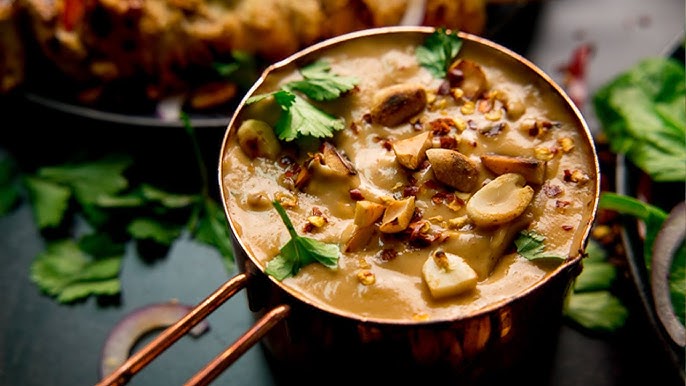
Satay Sauce Recipe: Satay sauce is a rich, creamy, savory, and slightly spicy peanut-based sauce commonly served with grilled meat skewers, noodles, rice dishes, and vegetables. Originating from Southeast Asian cuisine, especially in countries like Indonesia, Thailand, and Malaysia, this flavorful sauce has become a favorite worldwide because of its bold taste and incredible versatility.
A perfect satay sauce combines the nuttiness of peanuts, the sweetness of brown sugar, the saltiness of soy sauce, the creaminess of coconut milk, and the heat of chili. The result is a silky, balanced sauce that transforms ordinary meals into restaurant-quality dishes.
Ingredients You’ll Need for Satay Sauce
To create a rich and authentic satay sauce recipe, we need the following ingredients:
Essential Ingredients
- 1 cup creamy peanut butter
- 1 tablespoon vegetable oil
- 2 cloves garlic, minced
- 1 small onion, finely chopped
- 1 teaspoon grated fresh ginger
- 1 cup coconut milk
- 2 tablespoons soy sauce
- 1 tablespoon fish sauce
- 2 tablespoons brown sugar
- 1 tablespoon lime juice
- 1 teaspoon chili flakes or chili paste
- ½ teaspoon turmeric powder
- ½ teaspoon cumin powder
- ¼ cup water
- Salt to taste
Optional Ingredients for Extra Flavor
To customize the sauce and make it even more flavorful, we can also add:
- Lemongrass paste
- Crushed roasted peanuts
- Sesame oil
- Curry powder
- Honey
- Fresh coriander leaves
- Red curry paste
These additions create deeper complexity and a more authentic Southeast Asian flavor profile.
Kitchen Tools Required
Before starting, prepare these basic kitchen tools:
- Medium saucepan
- Wooden spoon
- Sharp knife
- Cutting board
- Measuring cups and spoons
- Blender (optional for smoother sauce)
Having everything ready helps us prepare the sauce quickly and efficiently.
Step-by-Step Guide to Making Satay Sauce
Step 1: Gather Your Ingredients
We begin by preparing all the ingredients needed. You will need peanut butter, coconut milk, soy sauce, garlic, ginger, brown sugar, chili, lime juice, and a little oil. Having everything ready makes the cooking process smooth and fast.
Step 2: Sauté the Aromatics
Heat a small pan with a little oil over medium heat. Add minced garlic and grated ginger, then sauté for about 1 minute until fragrant. This step builds the rich and savory flavor base of the satay sauce.
Step 3: Mix the Main Ingredients
Add peanut butter, coconut milk, soy sauce, brown sugar, and chili into the pan. Stir continuously until the mixture becomes smooth and creamy. The peanut butter creates the thick texture while the coconut milk adds richness.
Step 4: Simmer the Sauce
Allow the sauce to simmer gently for 3–5 minutes. Stir occasionally so it does not stick to the pan. If the sauce becomes too thick, add a little warm water until you reach your preferred consistency.
Step 5: Finish and Serve
Turn off the heat and stir in fresh lime juice for a bright, balanced flavor. Taste the sauce and adjust sweetness, spice, or salt if needed. Serve your satay sauce with grilled chicken, beef, vegetables, noodles, or rice for a delicious meal.
How to Serve Satay Sauce
Best Foods to Pair with Satay Sauce
Satay sauce pairs beautifully with many dishes, including:
- Chicken skewers
- Beef satay
- Grilled shrimp
- Fried tofu
- Rice bowls
- Stir-fried noodles
- Fresh spring rolls
- Roasted vegetables
The creamy texture and bold peanut flavor make it suitable for dipping, drizzling, marinating, or coating grilled meats.
How to Make Chicken Satay with the Sauce
Simple Chicken Satay Recipe
Ingredients
- 500g chicken breast
- Wooden skewers
- 2 tablespoons soy sauce
- 1 tablespoon curry powder
- 1 tablespoon oil
- 1 teaspoon garlic paste
Instructions
- Slice chicken into strips.
- Marinate with soy sauce, curry powder, garlic, and oil for 30 minutes.
- Thread onto skewers.
- Grill for 10–12 minutes until fully cooked.
- Serve hot with homemade satay sauce.
The smoky grilled chicken combined with creamy peanut sauce creates a deeply satisfying dish.
Tips for the Best Satay Sauce
Use High-Quality Peanut Butter
Choose natural peanut butter with minimal additives for the best flavor and texture.
Creamy peanut butter produces a smoother sauce, while chunky peanut butter adds texture.
Balance the Flavors Carefully
Authentic satay sauce should have a balanced combination of:
- Sweetness
- Saltiness
- Creaminess
- Spice
- Acidity
Taste frequently during cooking to maintain harmony.
Do Not Overheat the Sauce
High heat can separate the peanut oils and create a grainy texture.
Cook gently over medium-low heat for the smoothest consistency.
Variations of Satay Sauce
Thai Satay Sauce
Thai versions often include:
- Red curry paste
- Coconut cream
- Tamarind paste
This version is richer and slightly sweeter.
Indonesian Satay Sauce
Traditional Indonesian satay sauce may contain:
- Kecap manis
- Roasted peanuts
- Palm sugar
- Shallots
It usually has a deeper smoky flavor.
Spicy Satay Sauce
For extra heat, add:
- Fresh red chilies
- Sriracha
- Cayenne pepper
- Chili oil
This variation works especially well with grilled meats.
How to Store Satay Sauce
Refrigeration
Store leftover sauce in an airtight container inside the refrigerator for up to 5 days.
The sauce thickens naturally when chilled.
Reheating Instructions
Reheat gently over low heat.
Add a splash of water or coconut milk to loosen the consistency while stirring.
Freezing
Satay sauce freezes well for up to 2 months.
Freeze in small portions for easier use later.
Nutritional Benefits of Satay Sauce
Satay sauce contains ingredients rich in nutrients:
- Peanuts provide protein and healthy fats
- Garlic and ginger contain antioxidants
- Coconut milk adds healthy fats
- Lime juice contributes vitamin C
When prepared fresh at home, satay sauce can be healthier and more flavorful than many store-bought alternatives.
Common Mistakes to Avoid
Using Too Much Sugar
Excess sugar can overpower the savory peanut flavor.
Always add sweetness gradually.
Skipping the Aromatics
Garlic, onion, and ginger create the essential flavor base.
Without them, the sauce tastes flat and incomplete.
Making the Sauce Too Thick
Satay sauce thickens as it cools.
Keep the consistency slightly thinner during cooking.
Why Homemade Satay Sauce Tastes Better
Homemade satay sauce offers:
- Fresher ingredients
- Better flavor control
- No preservatives
- Adjustable spice levels
- Creamier texture
- Authentic taste
Freshly made satay sauce delivers a richer and more vibrant flavor compared to many commercial versions.
FAQs about Satay Sauce Recipe
1. What is satay sauce made of?
Satay sauce is usually made with peanut butter, soy sauce, coconut milk, garlic, lime juice, sugar, and mild spices. These ingredients create a creamy, nutty, sweet, and savory flavor.
2. Can we make satay sauce without coconut milk?
Yes. We can replace coconut milk with water, milk, cream, or stock. However, coconut milk gives the sauce a richer and more authentic taste.
3. Is satay sauce spicy?
Satay sauce can be mild or spicy, depending on the recipe. We can add chili flakes, chili paste, or fresh chili for heat, or leave them out for a milder version.
4. What can we serve satay sauce with?
Satay sauce goes well with grilled chicken, beef skewers, noodles, rice bowls, vegetables, spring rolls, and salads. It also works as a dip or dressing.
5. How long does homemade satay sauce last?
Homemade satay sauce can last for about 3 to 5 days in the refrigerator when stored in an airtight container. Reheat gently and add a little water if it becomes too thick.
Conclusion
A homemade Satay Sauce recipe delivers bold flavor, creamy texture, and endless versatility. Whether served with grilled chicken skewers, noodles, vegetables, or rice bowls, this rich peanut sauce creates an unforgettable meal experience.
By carefully balancing peanuts, coconut milk, spices, and seasonings, we can prepare a restaurant-quality satay sauce directly from our own kitchen. The result is smooth, savory, slightly sweet, and packed with authentic Southeast Asian flavor in every spoonful.