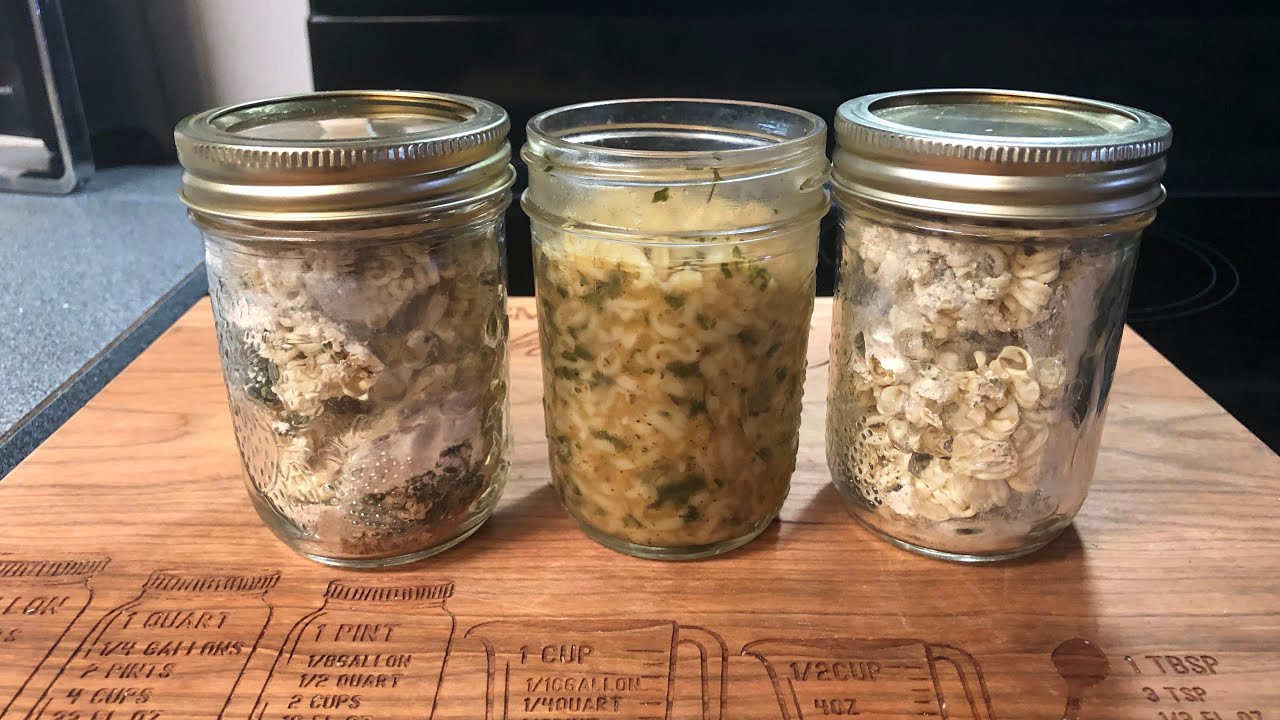
Ramen Seasoning Recipe: Creating a rich, flavorful bowl of ramen starts with one essential element — the seasoning. A perfectly balanced ramen seasoning blend delivers the deep umami taste, savory richness, subtle sweetness, and comforting aroma that make ramen irresistible. Instead of relying on packaged instant ramen packets loaded with preservatives and excess sodium, we can prepare a homemade ramen seasoning recipe that tastes fresher, bolder, and far more authentic.
This guide walks through the complete process of making professional-quality ramen seasoning at home using simple pantry ingredients. Whether we are preparing chicken ramen, beef ramen, spicy ramen, or vegetarian ramen, this seasoning mix becomes the foundation for unforgettable flavor.
Ingredients You’ll Need for Homemade Ramen Seasoning
Core Dry Ingredients
To create a balanced ramen seasoning blend, we need the following ingredients:
- 4 tablespoons chicken bouillon powder
- 2 tablespoons garlic powder
- 2 tablespoons onion powder
- 1 tablespoon ground ginger
- 1 tablespoon white pepper
- 2 tablespoons soy sauce powder
- 1 tablespoon mushroom powder
- 1 tablespoon sea salt
- 1 teaspoon sugar
- 1 teaspoon chili flakes
- 1 teaspoon paprika
- 1 teaspoon sesame seed powder
- 1 teaspoon black pepper
- ½ teaspoon MSG (optional for extra umami)
These ingredients combine to create a savory seasoning packed with deep flavor and restaurant-style richness.
Optional Ingredients for Advanced Flavor
For Spicy Ramen Seasoning
- Cayenne pepper
- Korean chili powder
- Sriracha powder
For Seafood Ramen Flavor
- Dried shrimp powder
- Bonito powder
- Fish sauce powder
For Vegetarian Ramen
- Nutritional yeast
- Dried shiitake mushroom powder
- Seaweed flakes
Adding these ingredients helps customize the ramen seasoning based on the desired flavor profile.
Why Homemade Ramen Seasoning Tastes Better
Store-bought ramen packets are convenient, but homemade seasoning provides:
- Cleaner ingredients
- Adjustable salt levels
- Richer umami flavor
- Fresh aromatic spices
- No artificial preservatives
- Customizable heat and intensity
A homemade ramen spice blend also works wonderfully for noodles, soups, stir-fries, marinades, and dipping sauces.
Step-by-Step Guide to Making Ramen Seasoning
Step 1 – Prepare the Ingredients
Measure all dry ingredients carefully before mixing. Precision helps maintain balance between salty, savory, spicy, and sweet notes.
Use fresh spices whenever possible because older spices lose aroma and depth over time.
Step 2 – Blend the Dry Ingredients
In a medium-sized mixing bowl, combine:
- Chicken bouillon powder
- Garlic powder
- Onion powder
- Ground ginger
- White pepper
- Soy sauce powder
- Mushroom powder
- Salt
- Sugar
- Chili flakes
- Paprika
- Sesame seed powder
- Black pepper
Whisk thoroughly until every ingredient is evenly distributed.
Step 3 – Add Optional Umami Enhancers
For deeper restaurant-quality flavor, add:
- MSG
- Mushroom powder
- Dried seaweed powder
These ingredients intensify the savory profile commonly found in authentic ramen shops.
Step 4 – Store Properly
Transfer the seasoning into an airtight glass jar or spice container.
Store in:
- A cool place
- A dry cabinet
- Away from sunlight
Proper storage keeps the seasoning fresh for up to 3 months.
How to Use Ramen Seasoning
For Instant Ramen
Add:
- 1 to 2 tablespoons seasoning
- 2 cups hot water
- Cooked noodles
Stir well and adjust according to taste.
For Ramen Broth
Mix the seasoning into:
- Chicken stock
- Beef broth
- Vegetable broth
Allow the broth to simmer for several minutes so the spices fully infuse.
For Stir-Fried Noodles
Sprinkle the seasoning directly onto noodles during cooking for bold flavor without extra sauces.
For Marinades
Combine the seasoning with:
- Soy sauce
- Sesame oil
- Garlic
- Honey
This creates an excellent marinade for chicken, beef, shrimp, or tofu.
Best Noodles for Homemade Ramen
The seasoning tastes best when paired with quality noodles such as:
- Fresh ramen noodles
- Instant noodles
- Egg noodles
- Rice noodles
- Udon noodles
Fresh noodles absorb broth more effectively and provide a more authentic ramen texture.
How to Make Authentic Ramen Broth
Simple Chicken Ramen Broth
Ingredients:
- 4 cups chicken stock
- 2 tablespoons ramen seasoning
- 1 tablespoon soy sauce
- 1 teaspoon sesame oil
- Garlic cloves
- Ginger slices
Instructions:
- Heat chicken stock in a pot.
- Add seasoning blend.
- Add soy sauce and sesame oil.
- Simmer for 10 minutes.
- Strain if desired.
- Serve hot with noodles.
The result is a rich, comforting broth with deep savory flavor.
Popular Toppings for Ramen
Classic Ramen Toppings
The right toppings transform ramen into a complete meal.
Popular options include:
- Soft-boiled eggs
- Green onions
- Nori seaweed
- Corn
- Mushrooms
- Bamboo shoots
- Bean sprouts
- Chili oil
- Sesame seeds
- Grilled chicken
- Braised beef
- Tofu
Combining multiple toppings creates layers of texture and flavor.
Secrets to Restaurant-Style Ramen Flavor
Use Multiple Sources of Umami
Professional ramen chefs combine several umami ingredients including:
- Mushroom powder
- Soy sauce
- Bone broth
- Garlic
- MSG
- Seaweed
This layered approach creates deep, complex flavor.
Balance Salt and Sweetness
A tiny amount of sugar balances salty ingredients and rounds out the flavor profile.
Do Not Overcook the Noodles
Perfect ramen noodles should remain slightly firm for authentic texture.
Homemade Spicy Ramen Seasoning Variation
Ingredients
- 2 tablespoons chili powder
- 1 tablespoon cayenne pepper
- 1 tablespoon smoked paprika
- 1 teaspoon garlic powder
- 1 teaspoon onion powder
- 1 teaspoon sesame powder
This spicy variation works beautifully for fiery Korean-inspired ramen bowls.
Low-Sodium Ramen Seasoning Option
For a healthier version:
- Reduce bouillon powder
- Use low-sodium soy sauce powder
- Increase garlic and ginger
- Add nutritional yeast for flavor depth
This approach maintains strong flavor while lowering sodium content.
Vegetarian Ramen Seasoning Recipe
Ingredients
- Mushroom powder
- Nutritional yeast
- Garlic powder
- Onion powder
- Seaweed flakes
- White pepper
- Ginger powder
- Soy sauce powder
This combination delivers rich umami without meat products.
Common Mistakes to Avoid
Using Too Much Salt
Bouillon and soy sauce powder already contain sodium, so additional salt should be added carefully.
Skipping Aromatics
Garlic, ginger, and onion powder are essential for authentic ramen flavor.
Poor Storage
Exposure to moisture causes clumping and flavor loss.
Always store seasoning in airtight containers.
How Long Homemade Ramen Seasoning Lasts
When stored properly:
- Pantry shelf life: 3 months
- Refrigerator shelf life: 6 months
For best flavor, use within the first few months.
Nutritional Benefits of Homemade Ramen Seasoning
Homemade seasoning offers better ingredient control and fewer additives.
Benefits include:
- Reduced preservatives
- Adjustable sodium
- More natural spices
- Better ingredient quality
Adding mushrooms, garlic, and ginger also introduces additional nutrients and antioxidants.
FAQs about Ramen Seasoning Recipe
1. What is ramen seasoning made of?
Ramen seasoning is usually made with garlic powder, onion powder, ginger, salt, black pepper, paprika, bouillon powder, and dried herbs.
2. Can we make ramen seasoning without MSG?
Yes. We can make it without MSG by using natural flavor boosters like garlic, onion, ginger, mushrooms, soy sauce powder, or bouillon.
3. How do we store homemade ramen seasoning?
Store it in an airtight container in a cool, dry place. It can last for about 2 to 3 months if kept away from moisture.
4. Can ramen seasoning be used for other foods?
Yes. We can use it for noodles, fried rice, soups, stir-fries, chicken, eggs, and vegetables.
5. How do we make ramen seasoning taste better?
Add a little sesame oil, chili flakes, soy sauce, or dried seaweed when cooking to give it a richer, restaurant-style flavor.
Final Thoughts
A rich homemade ramen seasoning blend transforms ordinary noodles into a deeply flavorful comfort meal. By combining savory bouillon, aromatic spices, umami-rich mushrooms, and balanced seasonings, we create a versatile mix suitable for countless ramen variations.
Whether preparing classic chicken ramen, spicy ramen bowls, vegetarian ramen, or restaurant-style noodle soups, this homemade seasoning delivers bold flavor, freshness, and complete control over ingredients.
With the right balance of spice, salt, garlic, ginger, and umami, every bowl becomes deeply satisfying and incredibly comforting.