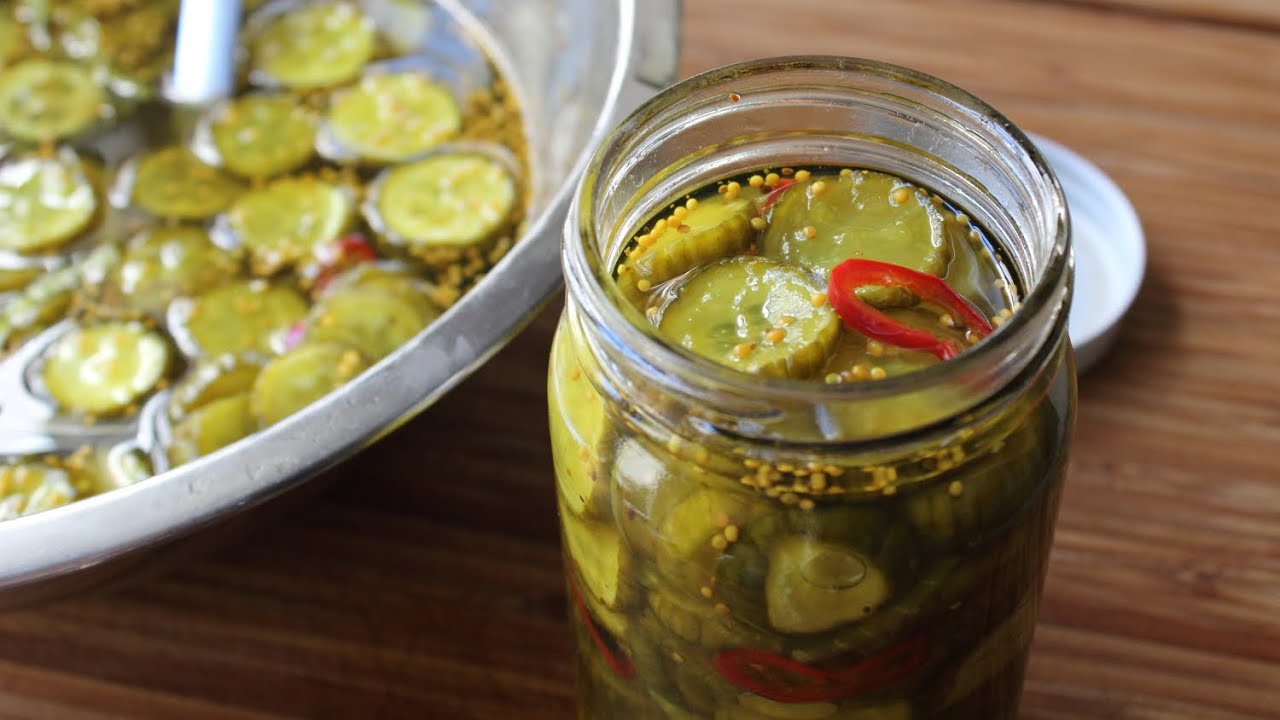
A well-balanced pickle brine recipe is the foundation of crisp, flavorful, tangy, and deeply satisfying pickles. Whether we are preparing classic cucumber pickles, pickled onions, carrots, jalapeños, radishes, green beans, cauliflower, or mixed vegetables, the quality of the brine determines the final taste, texture, and shelf appeal of the finished pickle.
This homemade pickle brine recipe is designed to be simple, reliable, and flexible. We can use it for quick refrigerator pickles or as a base for more traditional vinegar-based pickling. The brine is clean, balanced, and easy to customize with garlic, dill, mustard seeds, peppercorns, chili flakes, bay leaves, coriander seeds, or fresh herbs.
Once we understand the core ratio, we can create endless variations for sweet pickles, spicy pickles, dill pickles, bread-and-butter pickles, or crisp vegetable pickles.
Ingredients You’ll Need for Pickle Brine
To prepare a classic and dependable pickle brine, we need simple pantry ingredients that work together to preserve, season, and flavor the vegetables.
Basic Pickle Brine Ingredients
- 2 cups white vinegar or apple cider vinegar
- 2 cups water
- 2 tablespoons pickling salt or kosher salt
- 2 tablespoons granulated sugar
- 4 garlic cloves, peeled and lightly crushed
- 2 teaspoons mustard seeds
- 1 teaspoon black peppercorns
- 1 teaspoon coriander seeds
- 1 teaspoon dill seeds or fresh dill sprigs
- 1 bay leaf
- ½ teaspoon red pepper flakes, optional for heat
Optional Flavor Additions
- Fresh dill for a classic dill pickle flavor
- Sliced onions for sweetness and aroma
- Fresh ginger for warmth and brightness
- Turmeric for color and earthy flavor
- Cloves for a warm spiced finish
- Cinnamon stick for sweet pickle brine
- Jalapeños or chili peppers for spicy brine
- Celery seed for old-fashioned pickle flavor
Best Vinegar for Pickle Brine
The vinegar is the main source of acidity in a pickle brine recipe, and it gives pickles their signature tang. The most common choice is white distilled vinegar because it has a clean, sharp flavor and does not darken the vegetables. It works especially well for cucumber pickles, onions, carrots, cauliflower, and jalapeños.
Apple cider vinegar gives the brine a slightly fruity, mellow, and deeper flavor. It is excellent for pickled onions, beets, carrots, and sweeter pickle recipes. Rice vinegar can also be used for a softer, mild brine, especially when making Asian-style pickled vegetables. However, for a classic pickle brine, we usually use vinegar with 5% acidity for proper tang and dependable results.
Best Salt for Pickle Brine
Salt is essential because it seasons the vegetables, supports texture, and helps draw moisture from the produce. The best option is pickling salt, because it dissolves easily and does not contain additives that may cloud the brine. Kosher salt can also work well, but the measurement may vary depending on the brand and crystal size.
We should avoid regular table salt if possible because it often contains iodine and anti-caking agents, which may affect the appearance of the brine. A clean pickle brine should look clear and bright, allowing the vegetables and spices to remain attractive inside the jar.
Pickle Brine Ratio
A reliable basic pickle brine ratio is:
1 part vinegar + 1 part water + salt + optional sugar and spices
For a standard batch, we can use:
- 2 cups vinegar
- 2 cups water
- 2 tablespoons salt
- 2 tablespoons sugar
This creates a balanced brine that is tangy, lightly salty, and mildly sweet. For a sharper pickle, we can increase the vinegar slightly. For a softer, sweeter brine, we can add more sugar. For spicy pickles, we can increase the red pepper flakes, add sliced jalapeños, or include whole dried chilies.
Step-by-Step Guide to Making Pickle Brine
Step 1: Prepare the Vegetables
Before making the brine, we should wash and trim the vegetables properly. Cucumbers can be sliced into spears, coins, or left whole if they are small. Onions can be thinly sliced. Carrots can be cut into sticks or rounds. Jalapeños can be sliced into rings, while cauliflower can be separated into small florets.
For crisp pickles, we should use fresh, firm vegetables. Soft or overripe vegetables will not produce the best texture. If using cucumbers, trimming off the blossom end can help reduce softness because it may contain enzymes that affect crispness.
Step 2: Sterilize or Clean the Jars
Clean jars are important for fresh-tasting pickles. For refrigerator pickles, we can wash jars thoroughly with hot soapy water and rinse well. For longer storage methods, jars should be properly sterilized according to safe canning practices.
The jars should be dry, clean, and free from cracks. Lids should fit tightly and should not be damaged or rusty. A clean jar helps keep the brine clear and the vegetables fresh.
Step 3: Pack the Jars with Vegetables and Aromatics
Place the prepared vegetables into the jars, leaving a little space at the top. Add garlic, dill, mustard seeds, peppercorns, coriander seeds, bay leaf, and any additional flavorings. We should pack the vegetables snugly but not crush them.
Aromatics can be layered throughout the jar so the flavor spreads evenly. For dill pickles, fresh dill sprigs and garlic are especially important. For spicy pickles, sliced chilies or red pepper flakes can be added directly into the jar.
Step 4: Combine Vinegar, Water, Salt, and Sugar
In a medium saucepan, combine vinegar, water, salt, and sugar. Stir the mixture well so the salt and sugar begin to dissolve. This is the base of the brine.
The balance of these ingredients determines the final flavor. Vinegar gives acidity, water softens the sharpness, salt adds savory depth, and sugar rounds out the sour edge without making the pickles overly sweet.
Step 5: Add the Spices to the Brine
Add mustard seeds, peppercorns, coriander seeds, dill seeds, bay leaf, and red pepper flakes to the saucepan. Bringing the spices into the warm brine helps release their oils and flavor. This gives the brine a fuller taste before it touches the vegetables.
We can keep the spice blend simple or make it more complex. A classic dill pickle brine may use garlic, dill, mustard seeds, and peppercorns. A sweet pickle brine may use more sugar, celery seed, turmeric, and a touch of warm spice.
Step 6: Heat the Pickle Brine
Place the saucepan over medium heat and bring the brine to a gentle simmer. Stir until the salt and sugar are fully dissolved. We do not need to boil the brine aggressively. A gentle simmer is enough to blend the ingredients and awaken the spices.
Once the brine is hot and fully combined, remove it from the heat. The brine should smell tangy, aromatic, and slightly savory.
Step 7: Pour the Hot Brine Over the Vegetables
Carefully pour the hot brine over the vegetables in the jars. The vegetables should be fully covered by the liquid. If any vegetables float above the brine, press them down gently with a clean spoon.
Leave a little headspace at the top of the jar. Wipe the rim clean, then seal the jar with a lid. The hot brine begins softening and flavoring the vegetables immediately.
Step 8: Cool the Jars
Allow the jars to cool at room temperature before placing them in the refrigerator. As the jars cool, the vegetables begin absorbing the flavors of vinegar, salt, garlic, herbs, and spices.
For refrigerator pickles, the jars should be chilled once they are cool. The pickles can often be enjoyed after a few hours, but the flavor improves greatly after 24 to 48 hours.
Step 9: Refrigerate and Let the Flavor Develop
Place the jars in the refrigerator and allow the pickles to rest. Thinly sliced onions, jalapeños, and cucumbers may be ready quickly, while thicker vegetables like carrots, cauliflower, and whole cucumbers may need more time.
For the best flavor, we should let the pickles sit for at least one full day. After two or three days, the brine becomes deeper, sharper, and more balanced. The vegetables will taste brighter, more seasoned, and more aromatic.
How to Make Dill Pickle Brine
For a classic dill pickle brine, we should use white vinegar, water, salt, garlic, fresh dill, mustard seeds, and peppercorns. Dill gives the brine its signature fresh, grassy, slightly citrus-like flavor. Garlic adds depth, while mustard seeds create a subtle savory bite.
A strong dill pickle brine works beautifully with cucumber spears, cucumber chips, green beans, and carrots. For extra flavor, we can add dill seed along with fresh dill sprigs.
How to Make Sweet Pickle Brine
A sweet pickle brine uses more sugar than a classic brine. It is especially good for bread-and-butter pickles, sweet cucumber chips, onions, and relish-style vegetables. To make the brine sweeter, increase the sugar from 2 tablespoons to ½ cup or more, depending on taste.
Sweet pickle brine often includes mustard seeds, celery seed, turmeric, and sliced onions. The result is tangy, sweet, aromatic, and perfect for sandwiches, burgers, salads, and snack boards.
How to Make Spicy Pickle Brine
For a spicy pickle brine, add red pepper flakes, sliced jalapeños, fresh chilies, dried chilies, or cracked black pepper. Garlic also pairs well with spicy pickles because it gives the heat more depth.
Spicy brine is excellent for cucumbers, carrots, okra, onions, cauliflower, green beans, radishes, and peppers. For stronger heat, we can allow the chili peppers to sit in the jar with the vegetables as the brine develops.
Best Vegetables to Use with Pickle Brine
This pickle brine recipe works with many vegetables. Some of the best options include:
- Cucumbers
- Red onions
- Carrots
- Jalapeños
- Radishes
- Cauliflower
- Green beans
- Okra
- Beets
- Garlic cloves
- Bell peppers
- Cabbage
- Zucchini
The key is to cut vegetables evenly so they absorb the brine at a similar pace. Thin slices pickle faster, while larger pieces need more time.
Tips for Crisp Pickles
For crisp homemade pickles, always begin with fresh vegetables. Cucumbers should be firm, small to medium in size, and free from soft spots. We should avoid overcooking the vegetables in the brine because too much heat can soften them.
Adding grape leaves, oak leaves, or black tea can help support crispness because they contain tannins. Another simple method is to chill cucumbers in ice water before packing them into jars. This helps firm them up before the hot brine is added.
How Long Pickle Brine Takes to Work
The pickling time depends on the vegetable and the cut size. Thin onion slices may taste pickled in as little as 30 minutes, while cucumber slices are usually better after several hours. Cucumber spears, carrots, cauliflower, and green beans often taste best after 24 to 48 hours.
The longer the vegetables sit in the brine, the stronger the flavor becomes. Refrigerator pickles usually continue developing flavor over several days.
How to Store Pickle Brine and Pickles
Refrigerator pickles should be stored in clean, sealed jars in the refrigerator. The vegetables should remain fully covered with brine. If the vegetables rise above the liquid, press them down with a clean utensil before resealing the jar.
Homemade refrigerator pickles are best enjoyed within a few weeks for the freshest flavor and texture. Always use clean utensils when removing pickles from the jar to keep the brine clean.
Can We Reuse Pickle Brine?
Pickle brine can sometimes be reused for quick refrigerator pickles, but the flavor and acidity become weaker after the first use. If reusing brine, it is best for quick-pickling softer vegetables like onions, cucumbers, or radishes. The brine should look clear, smell fresh, and be kept refrigerated.
For the best flavor and quality, fresh brine is always preferred. Reused brine may not produce the same crispness, brightness, or balanced taste as a freshly prepared batch.
Flavor Variations for Homemade Pickle Brine
A good pickle brine can be customized in many ways. For a bold garlic brine, add extra crushed garlic cloves. For an herb-forward brine, add fresh dill, thyme, rosemary, or bay leaves. For a warm spice flavor, add cloves, cinnamon, allspice, or star anise in small amounts.
For a bright and colorful brine, turmeric can be added. For a smoky note, smoked paprika or dried chipotle can be used carefully. For an Asian-style pickle brine, use rice vinegar, ginger, garlic, and a small amount of sugar.
Common Pickle Brine Mistakes to Avoid
One common mistake is using too little salt, which can make the pickles taste flat. Another mistake is using too much water, which weakens the brine and reduces the tangy flavor. The vinegar and water should remain balanced unless we are intentionally adjusting the flavor.
Another mistake is using old vegetables. Pickling improves flavor, but it cannot fix vegetables that are already soft or tired. Fresh produce gives the best crunch, appearance, and taste.
We should also avoid overcrowding jars so tightly that the brine cannot move between the vegetables. Every piece should be surrounded by brine for even flavor.
Serving Ideas for Pickles Made with This Brine
Pickles made with this brine are excellent with sandwiches, burgers, grilled meats, rice bowls, salads, tacos, wraps, roasted vegetables, and charcuterie boards. Pickled onions can brighten tacos and grain bowls. Pickled cucumbers add crunch to burgers and sandwiches. Pickled jalapeños bring heat to nachos, eggs, soups, and grilled dishes.
The brine itself can also be used in small amounts to flavor salad dressings, marinades, sauces, potato salad, coleslaw, and deviled eggs. Its tangy, salty, aromatic taste adds brightness to rich and savory dishes.
FAQs about Pickle Brine Recipe
1. What is pickle brine made of?
Pickle brine is usually made with vinegar, water, salt, and sugar. Many recipes also include spices such as garlic, dill, mustard seeds, peppercorns, bay leaves, or red pepper flakes. The vinegar gives the brine its tangy flavor, while salt helps season and preserve the vegetables.
2. What is the best vinegar for pickle brine?
The best vinegar for pickle brine is usually white vinegar or apple cider vinegar. White vinegar gives a clean, sharp taste, while apple cider vinegar adds a slightly fruity flavor. For safe pickling, use vinegar with 5% acidity.
3. Can I reuse pickle brine?
Yes, you can reuse pickle brine for quick pickles, but it is best to use it only once or twice. Reused brine may become weaker because the vegetables absorb some of the vinegar, salt, and flavor. Always keep reused brine refrigerated and discard it if it smells bad, looks cloudy, or develops mold.
4. How long does pickle brine last?
Fresh pickle brine can last for several weeks in the refrigerator when stored in a clean, airtight jar. If the brine has already been used for pickling vegetables, it should be kept refrigerated and used within a shorter time for the best flavor and safety.
5. Do I need to boil pickle brine?
Boiling pickle brine helps dissolve the salt and sugar while releasing flavor from the spices. For quick refrigerator pickles, you can pour hot brine over sliced vegetables, then cool and refrigerate. For shelf-stable canned pickles, follow a tested canning recipe carefully.
Final Thoughts
A dependable pickle brine recipe gives us the freedom to create fresh, tangy, flavorful pickles at home with simple ingredients. With the right balance of vinegar, water, salt, sugar, herbs, and spices, we can turn ordinary vegetables into crisp, bright, and delicious pickles that complement countless meals.
This brine is easy to prepare, easy to customize, and suitable for many vegetables. Whether we prefer classic dill pickles, sweet pickles, spicy pickles, or mixed vegetable pickles, this step-by-step guide gives us a strong foundation for making homemade pickles with bold flavor, clean acidity, and satisfying crunch.