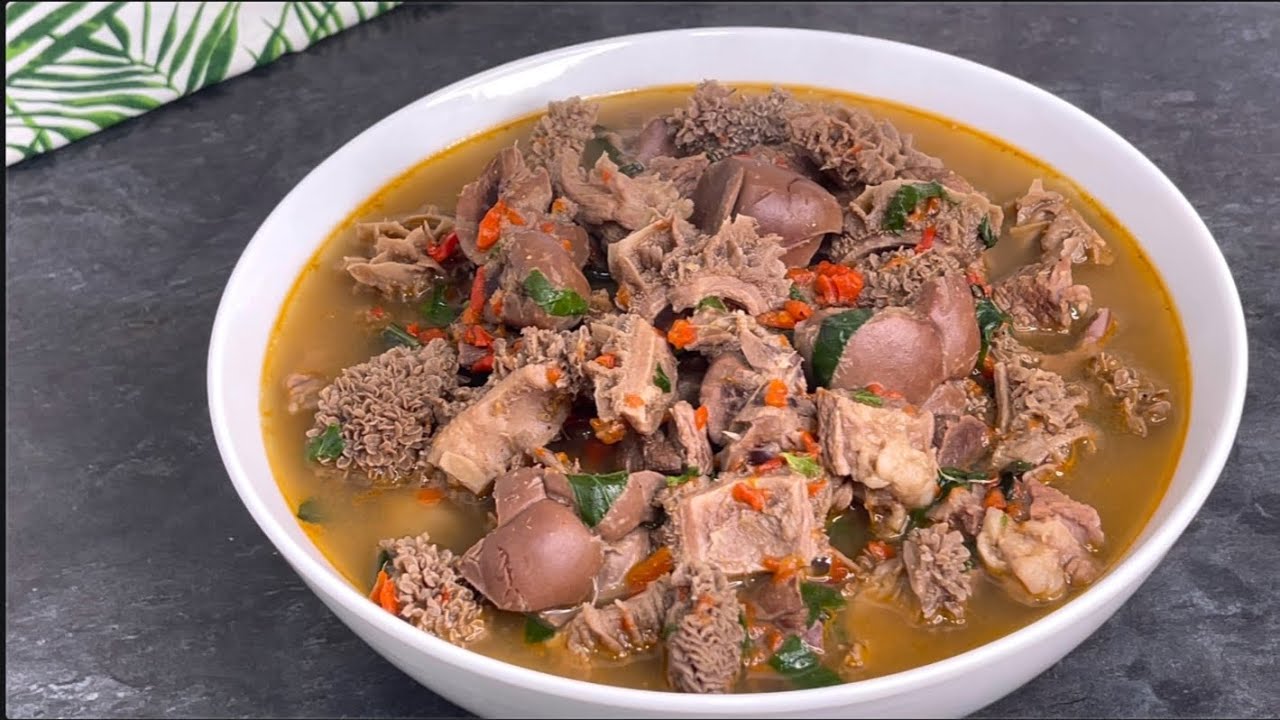
A warm bowl of pepper soup delivers everything we love about traditional Nigerian comfort food: a fragrant broth, tender meat or fish, aromatic spices, fresh herbs, and a satisfying peppery kick. This pepper soup recipe shows us how to prepare a rich, flavorful pot using simple ingredients while preserving the distinctive taste that makes Nigerian pepper soup so popular.
Unlike thick Nigerian soups such as egusi or ogbono, pepper soup has a light, seasoned broth. Its depth of flavor comes from the combination of pepper soup spices, fresh peppers, meat or fish, seasoning, and aromatic herbs. We can prepare it with goat meat, chicken, catfish, assorted meat, beef, or other proteins depending on personal preference.
What Is Nigerian Pepper Soup?
Nigerian pepper soup is a spicy broth traditionally prepared by simmering meat or fish with a distinctive blend of local spices. It is commonly served hot and enjoyed as an appetizer, light meal, or comforting dish.
The defining feature of authentic pepper soup is not simply how hot it tastes. A well-prepared bowl should have a balanced combination of heat, aroma, spice, and savory flavor. The broth should be flavorful enough to enjoy on its own while allowing the natural taste of the meat or fish to remain noticeable.
There are several popular variations, including goat meat pepper soup, catfish pepper soup, chicken pepper soup, beef pepper soup, and assorted meat pepper soup.
Ingredients for Pepper Soup
To prepare a flavorful homemade pepper soup, we need the right combination of protein, spices, pepper, seasoning, and fresh herbs.
Main Ingredients We Need
- 1 kg goat meat, chicken, beef, catfish, or preferred protein
- 2–3 tablespoons pepper soup spice
- 1 medium onion, chopped
- 2–4 fresh peppers, preferably scotch bonnet or habanero
- 2 seasoning cubes
- Salt to taste
- 1 teaspoon ground crayfish, optional
- 1 teaspoon ground ginger
- 1 teaspoon minced or ground garlic
- 4–5 cups water
- A handful of scent leaves, uziza leaves, or preferred fresh herbs
The amount of fresh pepper can be adjusted according to taste. Pepper soup should have noticeable heat, but excessive pepper can overpower the aromatic spices that give the dish its characteristic flavor.
Best Meat and Fish for Pepper Soup
One advantage of this Nigerian pepper soup recipe is its versatility. We can prepare the same basic broth with several different proteins.
Goat Meat Pepper Soup
Goat meat is one of the most popular choices because of its rich, distinctive flavor. Since goat meat can require more cooking time, we should simmer it until it becomes tender before completing the soup.
Catfish Pepper Soup
Fresh catfish produces a lighter but intensely flavorful pepper soup. Because fish cooks quickly and breaks easily, we should avoid excessive stirring once it has been added to the pot.
Chicken Pepper Soup
Chicken is another excellent choice, particularly when we want a straightforward pepper soup that cooks relatively quickly. Both hard chicken and softer chicken varieties can be used, although cooking times will vary.
Assorted Meat Pepper Soup
We can also combine different cuts of beef and offal to prepare assorted meat pepper soup. Each type of meat contributes a slightly different texture and flavor to the broth.
How to Make Pepper Soup Step by Step
Preparing pepper soup is straightforward when we build the flavors gradually and allow the protein enough time to absorb the spices.
Step 1: Clean and Prepare the Meat
We begin by washing the meat thoroughly and cutting it into suitable serving portions. Place the pieces in a clean cooking pot.
If we are using catfish, we should clean it carefully and remove the slippery coating before cooking. Catfish should generally be handled more gently than meat because it can break apart easily.
Step 2: Season the Protein
Add the chopped onion, seasoning cubes, ginger, garlic, and a little salt to the pot.
For meat such as goat or beef, we can add a small amount of water and begin cooking so that the meat releases its natural juices. Allowing it to cook in the seasoning before adding more water helps develop a deeper flavor.
Step 3: Add Water and Cook Until Tender
Add enough water to create the desired quantity of broth. Cover the pot and cook over medium heat.
For tougher cuts such as goat meat or beef, we should continue cooking until the meat is tender. Additional water can be added gradually if necessary.
When using chicken, the cooking time will generally be shorter.
Step 4: Add Pepper Soup Spice
Once the meat begins to soften, add the pepper soup spice and stir carefully.
This spice blend is one of the most important ingredients in the recipe. It gives Nigerian pepper soup its deep fragrance and warm, slightly earthy flavor.
Allow the spices to simmer in the broth so their flavors can develop fully.
Step 5: Add Fresh Pepper
Blend, crush, or finely chop the fresh peppers before adding them to the soup.
We recommend adding pepper gradually. It is much easier to increase the heat later than to correct a broth that has become excessively spicy.
Allow the soup to simmer for several minutes.
Step 6: Add Crayfish and Adjust Seasoning
If using ground crayfish, add it at this stage. Taste the broth and adjust the salt and seasoning where necessary.
The flavor should be spicy, aromatic, savory, and well balanced rather than dominated by salt or seasoning cubes.
Step 7: Add Fresh Herbs
Finally, add sliced scent leaves or uziza leaves.
Allow the pepper soup to simmer briefly after adding the herbs. We should avoid cooking fresh leaves for too long because their aroma is an important part of the final dish.
Turn off the heat once the protein is tender and the broth tastes rich and well seasoned.
How to Make Goat Meat Pepper Soup
For a classic goat meat pepper soup recipe, we begin by seasoning the goat meat with onions, salt, seasoning cubes, ginger, and garlic. Because goat meat can be tough, we allow it to cook until it becomes tender.
Once tender, we add enough water for the broth, followed by pepper soup spice and fresh pepper. The soup should simmer long enough for the spices to penetrate the meat.
We finish with scent leaves or uziza leaves for additional fragrance.
The result should be tender pieces of goat meat surrounded by a hot, aromatic broth filled with traditional pepper soup flavor.
How to Make Catfish Pepper Soup
Catfish pepper soup, sometimes called point-and-kill pepper soup, requires slightly different handling.
We first prepare the seasoned broth using onions, pepper soup spice, fresh pepper, ginger, garlic, seasoning, salt, and water. After allowing the broth to develop its flavor, we carefully place the cleaned catfish pieces inside.
The fish should cook gently until done.
We should avoid constantly stirring the soup with a spoon because doing so can cause the catfish pieces to break apart. Instead, we can gently shake or rotate the pot when necessary.
Fresh scent leaves or uziza can be added near the end of cooking.
Tips for Making the Best Pepper Soup
Small adjustments during preparation can make a significant difference to the finished soup.
Use Quality Pepper Soup Spice
The spice blend determines much of the aroma and character of the dish. We should use a fresh, fragrant pepper soup spice mix rather than relying only on fresh pepper.
Do Not Add Too Much Water
Adding excessive water can produce a weak broth. We should begin with a moderate quantity and add more only when necessary.
Allow Tough Meat to Cook Properly
Goat meat and beef should be tender before serving. A flavorful broth cannot compensate for meat that remains excessively tough.
Balance the Pepper
A good pepper soup should be spicy without losing its other flavors. We want to taste the aromatic spices, herbs, meat, and broth alongside the heat.
Add Fresh Herbs Near the End
Adding scent leaves or uziza shortly before the soup finishes cooking helps preserve their aroma and freshness.
What to Serve With Pepper Soup
Pepper soup can be eaten alone, especially when served as a light meal or appetizer. However, we can also serve it alongside several popular Nigerian foods.
Good accompaniments include:
- White rice
- Boiled yam
- Boiled plantain
- Agidi
- Bread
- Potatoes
Goat meat and catfish pepper soup are also commonly served on their own because the protein and flavorful broth already create a satisfying dish.
How to Thicken or Adjust Pepper Soup Broth
Traditional pepper soup is generally meant to have a light, broth-like consistency, so we do not need flour, starch, or heavy thickeners.
If the soup tastes too watery, we can simply simmer it uncovered for several minutes. As some of the water evaporates, the broth becomes slightly more concentrated and flavorful.
If the soup is too spicy, adding a little more water or stock can reduce the intensity. We should then taste and adjust the seasoning again.
How to Store Leftover Pepper Soup
Leftover pepper soup should be allowed to cool before being transferred into a clean, airtight container and refrigerated.
When reheating, we should warm the soup thoroughly over medium heat. If the broth has reduced considerably during storage or reheating, a small amount of water can be added.
For fish pepper soup, gentle reheating is especially important because aggressive stirring can break the fish apart.
Common Pepper Soup Mistakes to Avoid
Even though this is a relatively simple recipe, several mistakes can affect the final flavor.
Using only fresh pepper without proper pepper soup spices can produce a hot broth that lacks the distinctive aroma of traditional pepper soup. Similarly, adding too much seasoning can overpower the natural flavor of the protein.
We should also avoid rushing tough meat. Goat meat or beef needs sufficient cooking time to become tender and release flavor into the broth.
When making fish pepper soup, vigorous stirring is another common mistake. Gentle handling helps keep the fish pieces intact and makes the finished dish more attractive.
Why This Pepper Soup Recipe Works
This method focuses on building flavor in stages. We first season the protein, allow it to cook properly, introduce the aromatic spices, control the level of heat, and finish with fresh herbs.
The approach produces a rich Nigerian pepper soup without unnecessarily complicated ingredients. It can also be adapted easily depending on whether we prefer goat meat, chicken, beef, catfish, or assorted meat.
Most importantly, we maintain the balance that makes pepper soup distinctive: a clear, savory broth with tender protein, noticeable spice, fresh herbal aroma, and satisfying heat.
FAQs about Pepper Soup Recipe
What is Nigerian Pepper Soup?
Nigerian Pepper Soup is a spicy, aromatic broth prepared with meat or fish, traditional pepper soup spices, herbs, and hot peppers. It is popular for its warming flavour and light consistency.
What meat is best for Pepper Soup?
We can prepare Pepper Soup with goat meat, chicken, beef, assorted meat, catfish, or tilapia. Goat meat is especially popular because its rich flavour works well with the spices.
What spices are used in Pepper Soup?
Traditional Pepper Soup spices may include uda, ehuru (calabash nutmeg), uziza seeds, cloves, and other aromatic spices. Ready-made Pepper Soup spice blends can also be used.
How spicy should Pepper Soup be?
The level of heat depends on personal preference. We can adjust the amount of Scotch bonnet or fresh pepper to make the soup mild, medium, or very spicy.
How long does Pepper Soup take to cook?
Cooking time depends on the protein used. Fish Pepper Soup may take around 20–30 minutes, while goat meat or tougher meats can require 45–60 minutes or longer.
Can we make Pepper Soup without Pepper Soup spice?
Yes, but the flavour will be different. A combination of calabash nutmeg, uziza, garlic, ginger, and fresh pepper can provide a similar aromatic taste.
What can we serve with Pepper Soup?
Pepper Soup can be enjoyed on its own or served with boiled yam, rice, plantain, agidi, or potatoes.
Can Pepper Soup be stored?
Yes. We can refrigerate leftover Pepper Soup in an airtight container for about 3–4 days and reheat thoroughly before serving.
Conclusion
A homemade pepper soup recipe does not need to be complicated to deliver authentic Nigerian flavor. With quality pepper soup spice, fresh pepper, properly cooked meat or fish, seasoning, and aromatic herbs, we can create a delicious bowl that is warming, fragrant, spicy, and deeply satisfying.
Whether we prepare goat meat pepper soup, catfish pepper soup, chicken pepper soup, or assorted meat pepper soup, the key is to give every ingredient enough time to contribute to the broth while maintaining the right balance of heat and seasoning.
Served steaming hot on its own or alongside rice, yam, plantain, or agidi, this Nigerian pepper soup is a versatile dish we can prepare for family meals, gatherings, celebrations, or whenever we want a comforting and flavorful traditional meal.