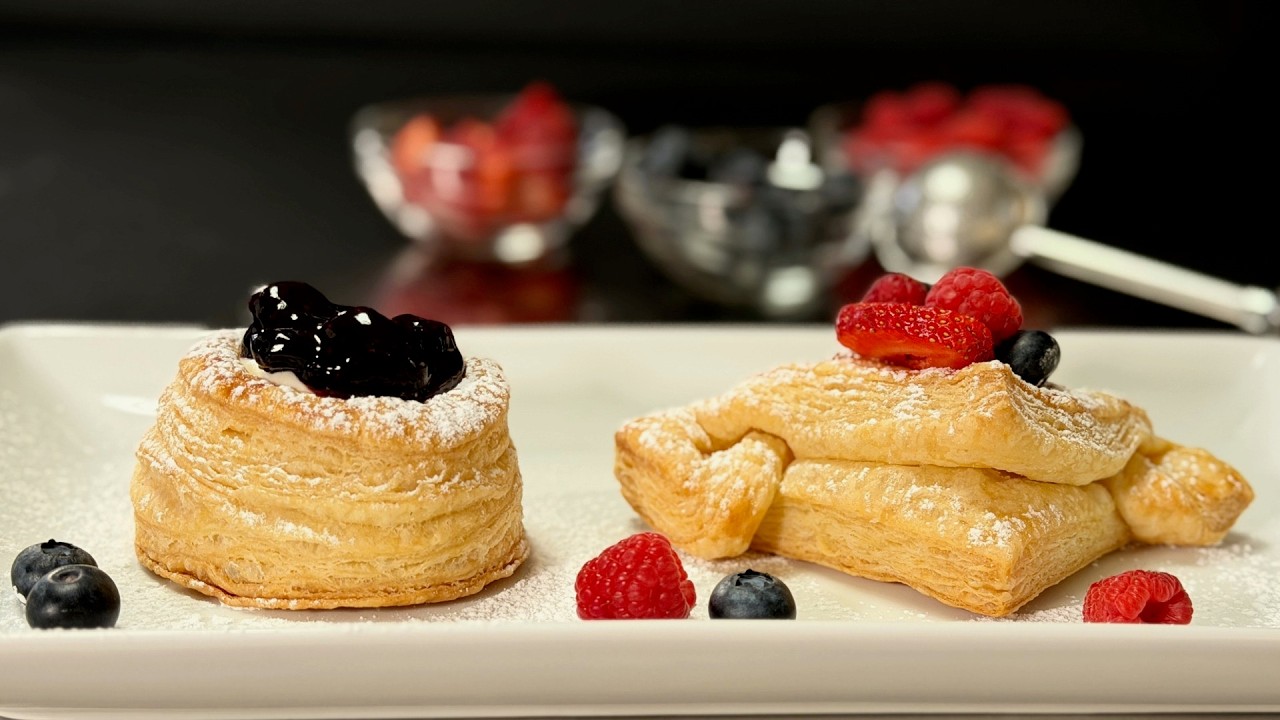
A dependable pastry dough recipe is the foundation of exceptional pies, tarts, turnovers, quiches, and countless baked classics. When prepared correctly, pastry dough becomes light, crisp, buttery, and beautifully layered. Our method focuses on precision, texture, and consistent results, making it ideal for both beginners and experienced bakers.
This complete guide covers the exact ingredients, preparation techniques, rolling methods, chilling times, baking tips, and troubleshooting steps needed to produce professional-quality pastry dough every time.
Ingredients You’ll Need
To prepare one standard batch of pastry dough suitable for one 9-inch pie crust or tart shell, gather the following:
Main Ingredients
- 2 ½ cups all-purpose flour (300g), sifted
- 1 cup unsalted butter (226g), very cold and cubed
- 1 teaspoon salt
- 1 tablespoon granulated sugar (optional for sweet pastry)
- 6 to 8 tablespoons ice water
- 1 teaspoon lemon juice or vinegar (optional for tenderness)
Optional Flavor Enhancers
- ½ teaspoon vanilla extract for sweet pastries
- ½ teaspoon cinnamon for dessert crusts
- Fresh herbs for savory pastry dough
Essential Equipment for Success
Using the right tools improves consistency and handling:
- Mixing bowl
- Pastry cutter or food processor
- Rolling pin
- Bench scraper
- Plastic wrap
- Measuring scale or cups
- Tart pan or pie dish
- Baking parchment
- Pie weights or dried beans
Step-by-Step Guide to Making Pastry Dough
Step 1: Keep Everything Cold
Cold ingredients are critical for flaky pastry. Place the butter in the freezer for 10 minutes before starting. Use ice water rather than room-temperature water. Warm butter blends too quickly into flour and prevents proper layering.
Step 2: Combine Dry Ingredients
In a large bowl, whisk together:
- Flour
- Salt
- Sugar (if using)
This ensures even distribution and balanced flavor throughout the dough.
Step 3: Cut Butter into Flour
Add the cold cubed butter to the flour mixture. Use a pastry cutter, fingertips, or pulse in a food processor until the mixture resembles coarse crumbs with visible pea-sized butter pieces.
Those butter pieces create steam during baking, which forms the signature flaky layers.
Step 4: Add Ice Water Gradually
Sprinkle in ice water one tablespoon at a time. Gently mix after each addition until the dough begins to clump together when pressed.
Avoid overhydrating. The dough should look slightly rough, not smooth or wet.
Step 5: Form the Dough
Turn the mixture onto a lightly floured surface. Gather it together with your hands and press into a disk. Do not knead.
Overworking develops gluten, causing tough pastry.
Step 6: Chill the Dough
Wrap the disk tightly in plastic wrap and refrigerate for at least 1 hour.
This resting period allows moisture to distribute evenly and relaxes the gluten for easier rolling.
Step 7: Roll Out the Dough
Lightly flour the surface and rolling pin. Roll from the center outward, rotating the dough frequently to maintain an even circle.
Aim for:
- ⅛ inch thickness for pie crust
- Slightly thinner for tart shells
- Slightly thicker for hand pies
If the dough softens, chill it for 10 minutes before continuing.
Step 8: Transfer to Pan
Roll the dough loosely around the rolling pin and unroll over the pie dish or tart tin. Gently press into corners without stretching.
Trim excess dough, leaving a slight overhang if crimping edges.
Step 9: Chill Again Before Baking
Refrigerate the lined pan for 20 to 30 minutes. This helps maintain shape during baking and reduces shrinkage.
Step 10: Bake Properly
For Blind Baking:
- Line dough with parchment paper
- Fill with pie weights
- Bake at 375°F (190°C) for 15 minutes
- Remove weights
- Bake another 10 to 15 minutes until golden
For Filled Pies:
Bake according to the filling recipe, usually between 375°F and 425°F.
How to Make Pastry Dough Extra Flaky
Use Cold Butter Only
Butter must remain firm until baking. Melted butter ruins flakiness.
Leave Visible Butter Pieces
Do not fully blend the butter into flour. Small chunks create air pockets and layers.
Minimal Handling
Touch the dough only when necessary. Warm hands soften butter quickly.
Chill Between Steps
Resting and chilling are essential at every stage.
Sweet Pastry Dough Variation
For fruit tarts, galettes, and dessert shells, use:
- Add 2 tablespoons sugar
- Add ½ teaspoon vanilla
- Use a pinch of cinnamon if desired
This creates a subtly sweet crust with rich flavor.
Savory Pastry Dough Variation
For quiche, meat pies, and vegetable tarts:
- Omit sugar
- Add ½ teaspoon black pepper
- Add herbs such as thyme or rosemary
- Use sharp cheese for richer dough
Common Pastry Dough Problems and Fixes
Dough Is Too Dry
Cause: Not enough water.
Fix: Add ice water 1 teaspoon at a time until it holds together.
Dough Is Sticky
Cause: Too much water or warm butter.
Fix: Chill immediately and dust lightly with flour.
Dough Shrinks While Baking
Cause: Overworked dough or skipped chilling.
Fix: Chill thoroughly before baking.
Crust Is Tough
Cause: Overmixing or too much water.
Fix: Mix only until combined.
Crust Is Pale
Cause: Low oven heat or underbaking.
Fix: Bake until fully golden brown.
Professional Tips for Bakery-Level Results
Use European-Style Butter
Higher butterfat content creates richer flavor and superior texture.
Weigh Ingredients
A kitchen scale ensures exact ratios and repeatable results.
Use Marble or Cool Surface
Cool surfaces help prevent butter from softening while rolling.
Brush with Egg Wash
For golden decorative crusts, brush top pastry with beaten egg before baking.
Best Uses for Homemade Pastry Dough
This dough is perfect for:
- Apple pie
- Blueberry pie
- Lemon tart
- Quiche Lorraine
- Chicken pot pie
- Galettes
- Turnovers
- Custard tarts
- Savory hand pies
Storage and Freezing Instructions
Refrigerator
Wrap tightly and refrigerate up to 3 days.
Freezer
Freeze dough disks for up to 3 months. Thaw overnight in the refrigerator before use.
Pre-Rolled Freezing Method
Roll into circles between parchment sheets and freeze flat for convenience.
Why This Pastry Dough Recipe Works
This method balances:
- Proper fat distribution
- Controlled hydration
- Minimal gluten development
- Adequate resting time
- High-temperature baking
The result is pastry that is crisp, flaky, flavorful, and reliable.
Complete Quick Recipe Summary
Ingredients
- 2 ½ cups flour
- 1 cup cold butter
- 1 tsp salt
- 1 tbsp sugar (optional)
- 6–8 tbsp ice water
Method
- Mix dry ingredients
- Cut in butter
- Add ice water gradually
- Form disk
- Chill 1 hour
- Roll out
- Fit pan
- Chill again
- Bake until golden
FAQs about Pastry Dough Recipe
1. What is pastry dough made of?
Pastry dough is usually made with a few basic ingredients: flour, fat, salt, and cold water. The fat is often butter, shortening, or a mix of both. Some recipes may also include sugar or egg, depending on whether the pastry is sweet or savory.
2. Why does pastry dough need to stay cold?
Keeping pastry dough cold is very important because cold fat creates a flaky and tender texture when baked. If the butter or fat melts before baking, the dough can become tough or greasy instead of light and crisp.
3. Why is my pastry dough tough?
Tough pastry dough is often caused by overmixing or adding too much water. When the dough is handled too much, the gluten in the flour develops more, which makes the pastry less tender. Mix gently and only until the dough comes together.
4. Can I make pastry dough ahead of time?
Yes, pastry dough can be made in advance. You can wrap it tightly and keep it in the refrigerator for 2 to 3 days. It can also be frozen for up to 2 months. Let it thaw in the fridge before rolling it out.
5. How do I keep pastry dough from shrinking while baking?
To reduce shrinking, avoid stretching the dough when placing it in the pan. Chill the shaped dough before baking, and let it rest so the gluten can relax. Using pie weights for blind baking can also help the pastry hold its shape.
Final Thoughts
Mastering a classic pastry dough recipe transforms everyday baking into refined, professional-quality results. With cold ingredients, careful handling, and proper chilling, we create a crust that is delicate, buttery, flaky, and ideal for both sweet and savory dishes. Keep this method as your standard foundation, and every tart, pie, and pastry will begin with excellence.
No end text was provided to append.