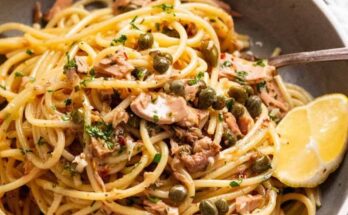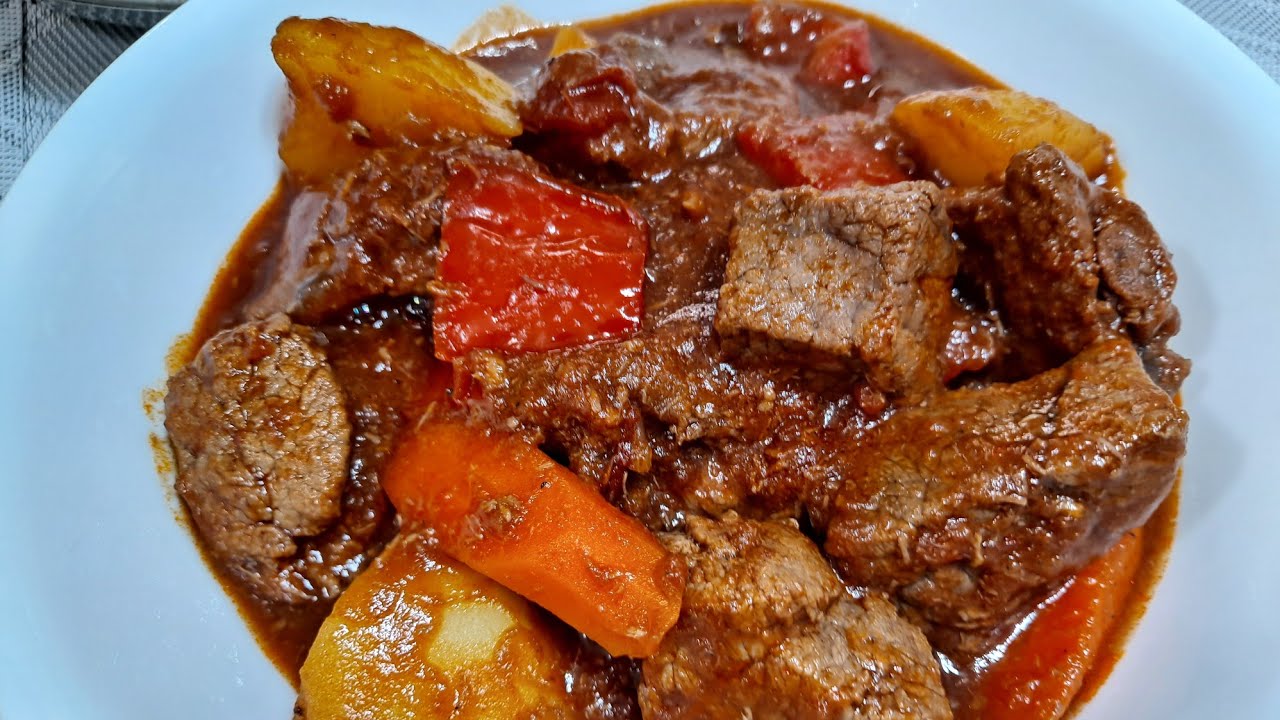
Filipino cuisine is known for its bold flavors, comforting textures, and family-style meals that bring people together. A classic Panlasang Pinoy recipe style focuses on practical cooking methods, easy-to-find ingredients, and reliable step-by-step instructions that help home cooks create delicious meals with confidence. In this guide, we present a complete method for preparing a flavorful Filipino dish using traditional techniques, balanced seasoning, and simple kitchen skills.
Whether we are cooking for weekday dinners, family gatherings, or festive celebrations, this guide helps us achieve authentic results every time.
Ingredients You’ll Need
To prepare a rich and satisfying Filipino-style main dish, gather the following ingredients:
Main Ingredients
- 1 kilogram chicken (cut into serving pieces) or pork if preferred
- 2 tablespoons cooking oil
- 1 medium onion, sliced
- 6 cloves garlic, minced
- 2 medium tomatoes, diced
- 3 tablespoons soy sauce
- 2 tablespoons vinegar
- 2 cups water or broth
- 2 bay leaves
- 1 teaspoon whole peppercorns
- 2 medium potatoes, cubed
- 1 carrot, sliced
- 1 red bell pepper, sliced
- 2 tablespoons fish sauce (optional for deeper flavor)
- Salt and pepper to taste
- 2 tablespoons brown sugar (optional for balance)
- Green onions for garnish
Optional Flavor Enhancers
- 1 tablespoon oyster sauce
- 1 tablespoon calamansi juice
- Fresh chili peppers for heat
- Hard-boiled eggs for serving
These ingredients create a balanced combination of savory, tangy, and mildly sweet flavors that are common in beloved Filipino home cooking.
Kitchen Tools Required
Before we begin, prepare these tools:
- Large cooking pot or deep pan
- Sharp knife
- Cutting board
- Wooden spoon or spatula
- Measuring spoons
- Serving platter
Having everything ready allows us to cook smoothly and efficiently.
Step-by-Step Guide for Panlasang Pinoy
Step 1: Prepare the Ingredients Properly
Wash all vegetables thoroughly. Slice the onions, mince the garlic, dice the tomatoes, and cut the vegetables into even pieces. If using chicken or pork, rinse quickly and pat dry.
Uniform cuts help ingredients cook evenly and improve the final presentation.
Step 2: Heat the Oil and Build Flavor
Place the pot over medium heat and add the cooking oil. Once hot, sauté the onions until soft and translucent. Add the garlic and cook until fragrant.
Next, add the tomatoes. Stir gently and cook until softened. This creates the aromatic base that gives the dish its rich homemade flavor.
Step 3: Brown the Meat
Add the chicken or pork pieces to the pot. Stir continuously until the surface turns lightly golden.
Browning locks in juices and adds depth to the sauce. Cook for about 5 to 7 minutes.
Step 4: Add Seasonings
Pour in the soy sauce and stir thoroughly so the meat absorbs the seasoning. Add vinegar but do not stir immediately. Let it simmer for 2 minutes first before mixing.
This traditional technique softens the sharpness of vinegar while preserving its signature tangy taste.
Step 5: Simmer Until Tender
Add water or broth, bay leaves, and peppercorns. Bring the mixture to a boil, then reduce heat to low.
Cover the pot and simmer:
- Chicken: 30 to 35 minutes
- Pork: 45 to 60 minutes
Slow simmering allows flavors to blend while keeping the meat tender and juicy.
Step 6: Add Vegetables
Once the meat is nearly cooked, add potatoes and carrots. Simmer for 10 minutes.
Then add bell peppers and cook for another 5 minutes.
Vegetables should remain tender but not mushy.
Step 7: Adjust the Flavor
Taste the sauce and balance as needed:
- Add salt for more savoriness
- Add pepper for sharper taste
- Add brown sugar for slight sweetness
- Add fish sauce for richer umami
A well-balanced sauce should taste savory, tangy, aromatic, and comforting.
Step 8: Reduce the Sauce
If the sauce is too thin, uncover the pot and simmer for 5 to 10 more minutes until slightly thickened.
A reduced sauce clings beautifully to the meat and vegetables.
Step 9: Garnish and Serve
Turn off the heat. Transfer to a serving platter and garnish with chopped green onions.
Serve hot with freshly steamed rice for the complete Filipino dining experience.
Best Cooking Tips for Perfect Results
Choose Fresh Ingredients
Fresh garlic, onions, and tomatoes make a major difference in aroma and flavor.
Do Not Rush the Simmering Process
Gentle simmering develops tenderness and deep taste.
Balance Soy Sauce and Vinegar
Too much soy sauce can make the dish salty, while too much vinegar can overpower it. Use measured amounts.
Cut Vegetables Evenly
Even cuts ensure proper cooking and better texture.
Rest Before Serving
Allow the dish to sit for 5 minutes before serving. This helps the flavors settle.
Serving Ideas
This Filipino recipe pairs well with:
- Steamed jasmine rice
- Garlic fried rice
- Pickled vegetables
- Fresh sliced cucumber
- Warm soup on the side
For gatherings, serve with other Filipino favorites such as pancit, lumpia, or grilled dishes.
Storage and Reheating Guide
Refrigeration
Store leftovers in an airtight container for up to 3 days.
Freezing
Freeze portions for up to 2 months.
Reheating
Reheat gently on the stove over low heat. Add a splash of water if needed to loosen the sauce.
Many Filipino dishes taste even better the next day because the flavors continue to develop.
Popular Variations
Spicy Version
Add fresh chilies or chili flakes during simmering.
Creamy Version
Stir in coconut milk during the last 10 minutes for a richer finish.
Vegetable-Rich Version
Add green beans, cabbage, or peas.
Seafood Version
Replace meat with shrimp or fish and shorten cooking time.
Why This Recipe Works
This Panlasang Pinoy recipe style remains popular because it uses familiar ingredients, clear methods, and dependable flavor combinations. The blend of garlic, onion, soy sauce, vinegar, and slow simmering creates a dish that is both simple and deeply satisfying.
It suits beginners who need straightforward steps and experienced cooks who want consistent results.
FAQs about Panlasang Pinoy Recipe
1. What does “Panlasang Pinoy” mean?
“Panlasang Pinoy” refers to the rich and familiar flavors of Filipino cuisine. Recipes under this style often highlight comforting, home-cooked dishes loved in the Philippines.
2. What ingredients are common in Panlasang Pinoy recipes?
Many Panlasang Pinoy recipes use ingredients like garlic, onion, soy sauce, vinegar, fish sauce, pork, chicken, rice, and vegetables. These ingredients create the savory, tangy, and hearty flavors Filipino food is known for.
3. Are Panlasang Pinoy recipes easy to make?
Yes, many Panlasang Pinoy recipes are simple and beginner-friendly. Dishes such as adobo, sinigang, and pancit can be prepared at home with basic cooking skills and common ingredients.
4. Can I adjust Panlasang Pinoy recipes to suit my taste?
Yes, you can easily adjust the seasoning, sweetness, sourness, or spice level. Many Filipino recipes are flexible, so you can make them milder, richer, or healthier based on your preference.
5. What are some popular Panlasang Pinoy dishes to try first?
Good dishes to start with include Chicken Adobo, Pork Sinigang, Pancit, Lumpia, and Kare-Kare. These recipes are well-loved and give a great introduction to Filipino cooking.
Final Thoughts
A properly cooked Panlasang Pinoy recipe delivers warmth, comfort, and authentic Filipino flavor in every bite. By following this step-by-step guide, we create a meal that is rich, balanced, and ideal for everyday dining or special occasions.
From the fragrant sautéed base to the tender meat and flavorful sauce, every stage matters. Prepare it carefully, serve it hot, and enjoy a classic homemade Filipino dish that always satisfies.