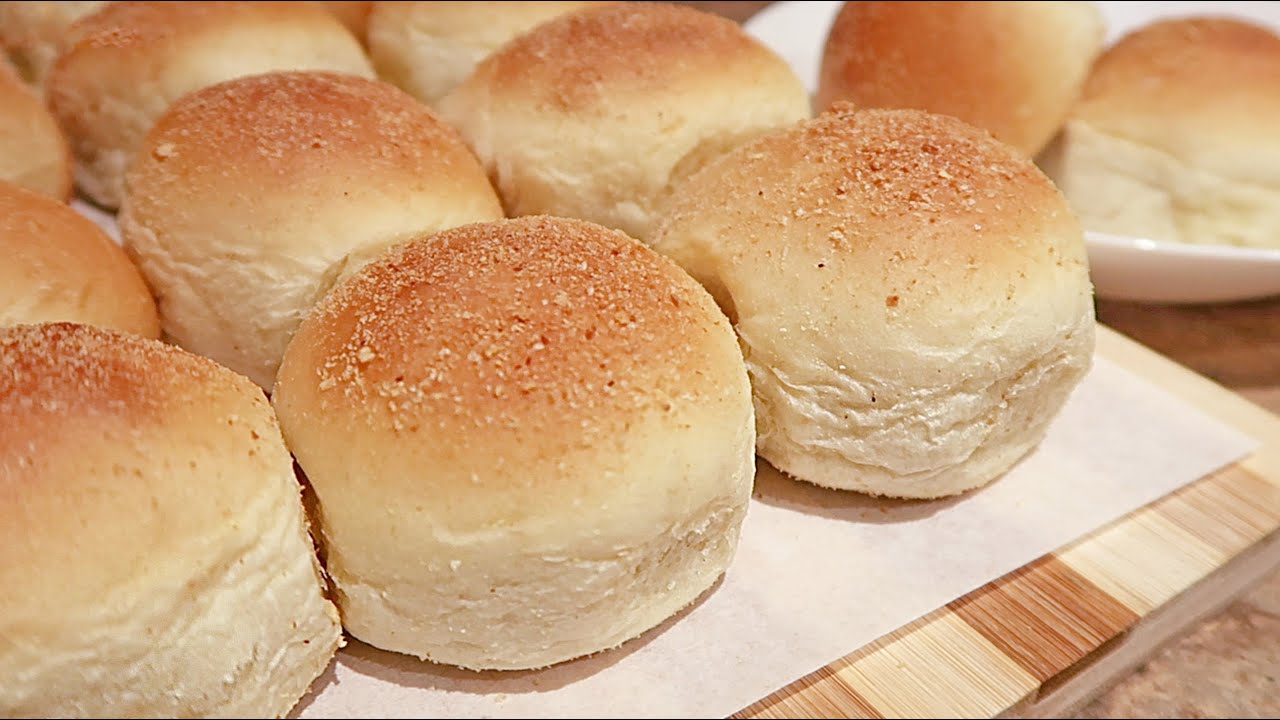
Pandesal Recipe: Freshly baked Pandesal is one of the most loved bread rolls, known for its soft center, light sweetness, and delicate breadcrumb coating. With the right method, we can create bakery-quality Pandesal at home using simple pantry ingredients.
This complete guide covers every stage, from mixing the dough to baking perfectly golden rolls with a tender crumb.
What Is Pandesal?
Pandesal is a classic bread roll traditionally enjoyed for breakfast or as a snack. It has a slightly sweet flavor, airy interior, and lightly crisp exterior. Though the name suggests “salt bread,” modern versions are soft, mildly sweet, and comforting.
When prepared correctly, Pandesal should have:
- A soft and fluffy center
- A light golden crust
- Fine, even texture
- Gentle sweetness
- Delicious aroma of fresh bread
Ingredients You’ll Need
To make approximately 18 to 20 rolls, prepare the following:
Dry Ingredients
- 4 cups all-purpose flour
- 1/2 cup bread flour (optional for better texture)
- 1/2 cup white sugar
- 1 teaspoon salt
- 2 1/4 teaspoons instant yeast (1 packet)
- 1/2 cup breadcrumbs for coating
Wet Ingredients
- 1 cup warm milk (not hot)
- 1/4 cup warm water
- 1/3 cup melted butter or vegetable oil
- 2 large eggs
Essential Tools for Best Results
- Large mixing bowl
- Measuring cups and spoons
- Dough scraper
- Baking tray
- Parchment paper
- Kitchen towel
- Oven
Step-by-Step Guide to Making Pandesal
Pandesal is a soft and slightly sweet Filipino bread roll that is perfect for breakfast or snacks.
1. Prepare the Dough
In a bowl, combine warm milk or water, yeast, and a little sugar. Let it sit for 5–10 minutes until foamy. Add flour, more sugar, salt, eggs, and butter. Mix until a soft dough forms.
2. Knead and Let It Rise
Knead the dough for about 8–10 minutes until smooth and elastic. Place it in a greased bowl, cover, and let it rise in a warm place for about 1 hour or until doubled in size.
3. Shape the Pandesal
Punch down the dough and divide it into portions. Roll each piece into a log, then cut into small equal pieces. Shape into balls or oval rolls. Coat each piece lightly with breadcrumbs.
4. Second Rise and Bake
Place the shaped dough on a baking tray lined with parchment paper. Cover and let them rise again for 30–45 minutes. Bake in a preheated oven at 375°F (190°C) for 15–20 minutes or until golden brown.
5. Cool and Serve
Remove from the oven and let the pandesal cool slightly. Serve warm with butter, cheese, jam, or your favorite filling.
Fresh pandesal is best enjoyed warm and soft straight from the oven.
How to Make Pandesal Extra Soft
For bakery-style softness, follow these proven techniques:
Use Warm Liquid Only
Milk and water should be warm, never hot, to protect yeast.
Do Not Add Too Much Flour
Sticky dough becomes soft bread. Over-flouring creates dense rolls.
Knead Thoroughly
Well-developed gluten gives structure and fluffiness.
Avoid Overbaking
Bake only until lightly golden.
Store Properly
Keep in airtight container after cooling.
Common Mistakes to Avoid
Dense Bread Rolls
Cause:
- Too much flour
- Under-kneading
- Old yeast
Dry Pandesal
Cause:
- Overbaking
- Too little fat
Flat Rolls
Cause:
- Poor shaping
- Weak yeast
- Overproofing
Uneven Texture
Cause:
- Incomplete kneading
- Incorrect measuring
Best Flour for Pandesal
All-Purpose Flour
Soft and easy to use.
Bread Flour
Chewier texture and better rise.
Best Option
Use a mix of both for ideal softness and structure.
Flavor Variations
Cheese Pandesal
Add cubes of cheddar inside each roll.
Ube Pandesal
Add purple yam flavoring or ube halaya.
Whole Wheat Pandesal
Replace part of flour with whole wheat flour.
Garlic Butter Pandesal
Brush warm rolls with garlic butter after baking.
How to Store Pandesal
Room Temperature
Store in sealed container for 2 days.
Refrigerator
Up to 5 days, though texture may firm up.
Freezer
Freeze in airtight bag for 2 months.
Reheat in oven for fresh-baked softness.
How to Reheat for Fresh Taste
Oven Method
Bake at 300°F (150°C) for 5 minutes.
Microwave Method
Wrap in damp paper towel and heat 10 seconds.
Why Homemade Pandesal Is Better
Fresh homemade Pandesal delivers:
- Better aroma
- Softer crumb
- Richer taste
- Custom sweetness
- No preservatives
The difference in freshness is immediate and satisfying.
Quick Recipe Summary
Ingredients
- Flour
- Sugar
- Salt
- Yeast
- Milk
- Water
- Eggs
- Butter
- Breadcrumbs
Process
- Activate yeast
- Mix dough
- Knead
- First rise
- Shape
- Coat with breadcrumbs
- Second rise
- Bake
- Serve warm
FAQs about Pandesal Recipe
1. What is pandesal?
Pandesal is a popular Filipino bread roll known for its soft texture, slightly sweet taste, and light coating of breadcrumbs. It is often enjoyed for breakfast or as a snack.
2. Why is my pandesal not soft and fluffy?
Pandesal may turn out dense if the dough is not kneaded enough, the yeast is inactive, or the dough has not risen properly. Using fresh yeast and giving the dough enough proofing time helps make it soft and airy.
3. Can I make pandesal without breadcrumbs?
Yes, you can still bake pandesal without breadcrumbs, but the classic recipe usually includes them for its traditional look and slightly crisp outer coating.
4. How do I store pandesal?
Store pandesal in an airtight container or bread bag at room temperature for 2 to 3 days. To keep it longer, freeze it and reheat before serving.
5. What can I eat with pandesal?
Pandesal pairs well with butter, cheese, jam, peanut butter, or savory fillings like egg and ham. It can be enjoyed in many simple and delicious ways.
Final Thoughts
Perfect Pandesal comes from balanced dough, proper kneading, careful proofing, and gentle baking. Once mastered, this recipe creates soft, golden, flavorful bread rolls every time. Whether served for breakfast or enjoyed as a snack, homemade Pandesal remains one of the most rewarding breads to bake.
No ending phrase was provided in the request, so none was added.