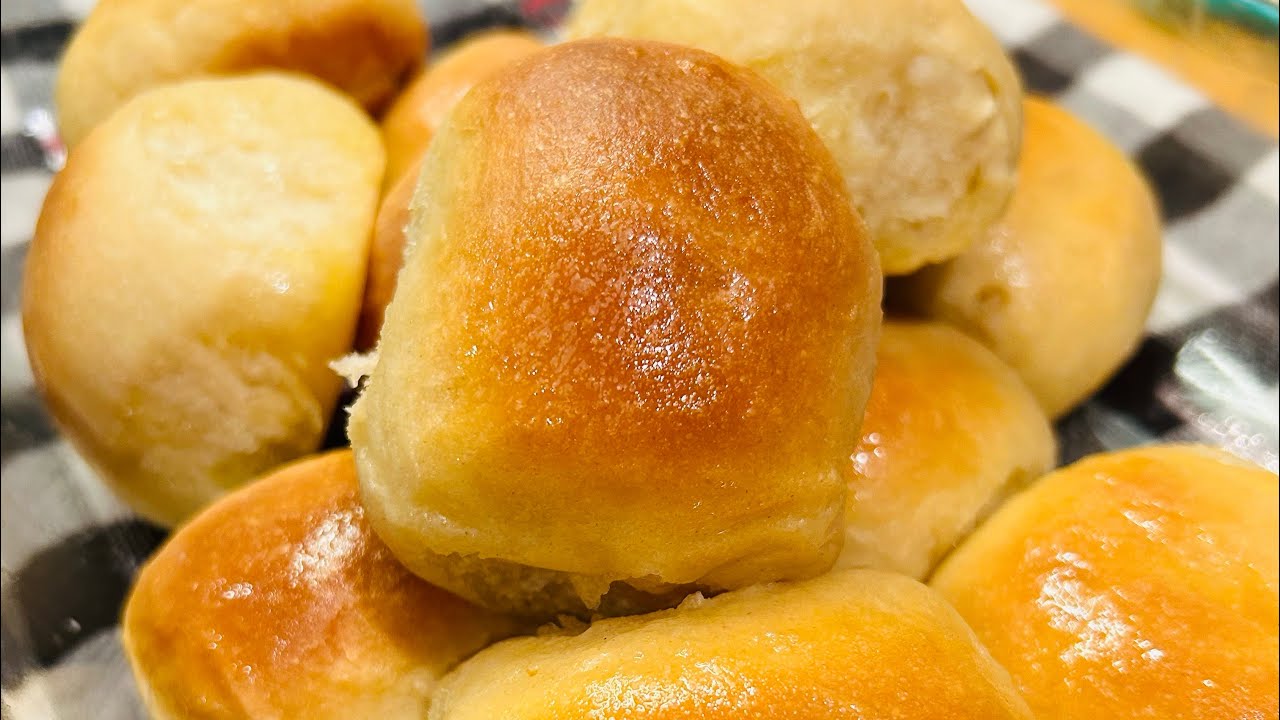
Old Fashioned Yeast Rolls Recipe: There is nothing quite like the aroma of freshly baked old fashioned yeast rolls filling the kitchen. Soft, fluffy, golden on top, and rich with buttery flavor, these classic dinner rolls bring timeless comfort to every table. Whether served with holiday meals, Sunday dinners, or enjoyed warm with jam, homemade yeast rolls deliver texture and taste that store-bought bread simply cannot match.
In this complete guide, we walk through the best old fashioned yeast rolls recipe with clear instructions, practical tips, and proven baking methods to help us create bakery-quality rolls every time.
Why Old Fashioned Yeast Rolls Are So Popular
Traditional yeast rolls remain a favorite because they combine:
- Soft and airy texture
- Rich buttery flavor
- Golden crust
- Versatile serving options
- Homemade freshness
These rolls pair beautifully with roasted meats, soups, salads, breakfast spreads, and holiday feasts.
Ingredients You’ll Need
Using quality ingredients ensures light, flavorful, perfectly risen rolls.
Main Ingredients
- 4 cups all-purpose flour (plus extra for kneading)
- 2 ¼ teaspoons active dry yeast (1 packet)
- 1 cup warm milk (110°F / 43°C)
- ¼ cup granulated sugar
- 1 teaspoon salt
- ¼ cup unsalted butter, melted
- 2 large eggs
- 2 tablespoons vegetable oil or softened butter for bowl greasing
Optional Topping
- 2 tablespoons melted butter for brushing after baking
Step-by-Step Guide for Old Fashioned Yeast Rolls
Step 1: Activate the Yeast
In a small bowl, combine warm milk or water (not hot), sugar, and active dry yeast. Stir gently and let it sit for 5–10 minutes until it becomes foamy. This shows the yeast is active and ready to help the dough rise.
Step 2: Make the Dough
In a large mixing bowl, combine flour, salt, softened butter, and eggs if using. Pour in the activated yeast mixture. Mix until a soft dough forms. Knead the dough on a floured surface for about 8–10 minutes until smooth and elastic.
Step 3: First Rise
Place the dough in a lightly greased bowl and cover it with a clean towel or plastic wrap. Leave it in a warm place for 1 to 1½ hours, or until doubled in size. This step gives the rolls their light, fluffy texture.
Step 4: Shape the Rolls
Punch down the risen dough to remove excess air. Divide it into equal portions and shape each piece into a smooth ball. Arrange the dough balls in a greased baking pan, leaving a little space between them. Cover and let them rise again for 30–45 minutes until puffy.
Step 5: Bake and Serve
Preheat the oven to 375°F (190°C). Bake the rolls for 15–20 minutes, or until golden brown on top. Brush with melted butter immediately after baking for a soft, shiny finish. Serve warm and enjoy the classic homemade taste.
Best Tips for Perfect Yeast Rolls
Use Correct Milk Temperature
Milk that is too hot can kill yeast. Too cool slows activation.
Ideal temperature: 105°F to 115°F
Measure Flour Properly
Spoon flour into measuring cup and level off with a knife. Packing flour creates heavy dough.
Do Not Rush Rising Time
Allow dough to rise fully. Under-risen dough results in dense rolls.
Keep Dough Soft
A soft dough creates soft rolls. Resist the urge to add excess flour.
Brush with Butter Twice
Brush before baking for color and after baking for softness.
How to Make Old Fashioned Yeast Rolls Extra Fluffy
For especially airy rolls:
- Use bread flour for slightly stronger gluten structure
- Knead thoroughly
- Allow complete first and second rises
- Bake only until golden, not dark brown
- Store covered while warm
Common Mistakes to Avoid
Using Dead Yeast
If yeast does not foam after 10 minutes, discard and restart.
Over-Flouring Dough
Dry dough produces heavy rolls.
Skipping Second Rise
This reduces volume and softness.
Overbaking
Too much time in the oven creates dry rolls.
Serving Ideas for Homemade Yeast Rolls
These rolls are ideal with:
- Roast chicken
- Turkey dinner
- Beef stew
- Vegetable soup
- Thanksgiving meals
- Breakfast butter and jam
- Honey drizzle
- Ham sandwiches
Their light texture and buttery taste complement both savory and sweet meals.
How to Store Old Fashioned Yeast Rolls
Room Temperature
Store in airtight container for 2 to 3 days.
Refrigerator
Store for up to 1 week.
Warm before serving for best texture.
Freezer
Freeze cooled rolls in freezer bags for up to 3 months.
Reheat in oven at 300°F until warmed through.
Can We Make the Dough Ahead of Time?
Yes. After shaping rolls, cover tightly and refrigerate overnight.
The next day:
- Remove from refrigerator
- Let sit 45 minutes at room temperature
- Bake as directed
This method is ideal for holidays and gatherings.
Why This Recipe Works Every Time
This classic method balances:
- Proper hydration
- Rich ingredients
- Controlled rising
- Gentle shaping
- Correct baking temperature
The result is consistently soft, flavorful, traditional yeast rolls with beautiful texture.
FAQs about Old Fashioned Yeast Rolls Recipe
Step 1: What makes old fashioned yeast rolls soft and fluffy?
Old fashioned yeast rolls become soft and fluffy when the dough is properly kneaded, allowed to rise fully, and baked at the right temperature. Warm milk, butter, sugar, and eggs also help create a tender texture.
Step 2: Can we make yeast rolls ahead of time?
Yes. We can prepare the dough, shape the rolls, cover them tightly, and refrigerate overnight. Before baking, let them sit at room temperature until puffy, then bake as usual.
Step 3: Why did my yeast rolls not rise?
Yeast rolls may not rise if the yeast is expired, the liquid is too hot or too cold, or the dough is kept in a cold place. The liquid should be warm, not boiling.
Step 4: Can we freeze old fashioned yeast rolls?
Yes. After baking, let the rolls cool completely, then store them in freezer-safe bags. Reheat in the oven until warm and soft.
Step 5: How do we keep yeast rolls fresh?
Store them in an airtight container at room temperature for up to 2 days. For longer storage, freeze them and reheat before serving.
Final Thoughts
A reliable old fashioned yeast rolls recipe belongs in every kitchen. With simple pantry ingredients and the right method, we can create warm, fluffy, buttery rolls that elevate any meal. Their classic flavor, tender texture, and homemade charm make them one of the most rewarding breads to bake.
Once mastered, this timeless recipe becomes a family favorite for everyday dinners, celebrations, and holiday tables alike.