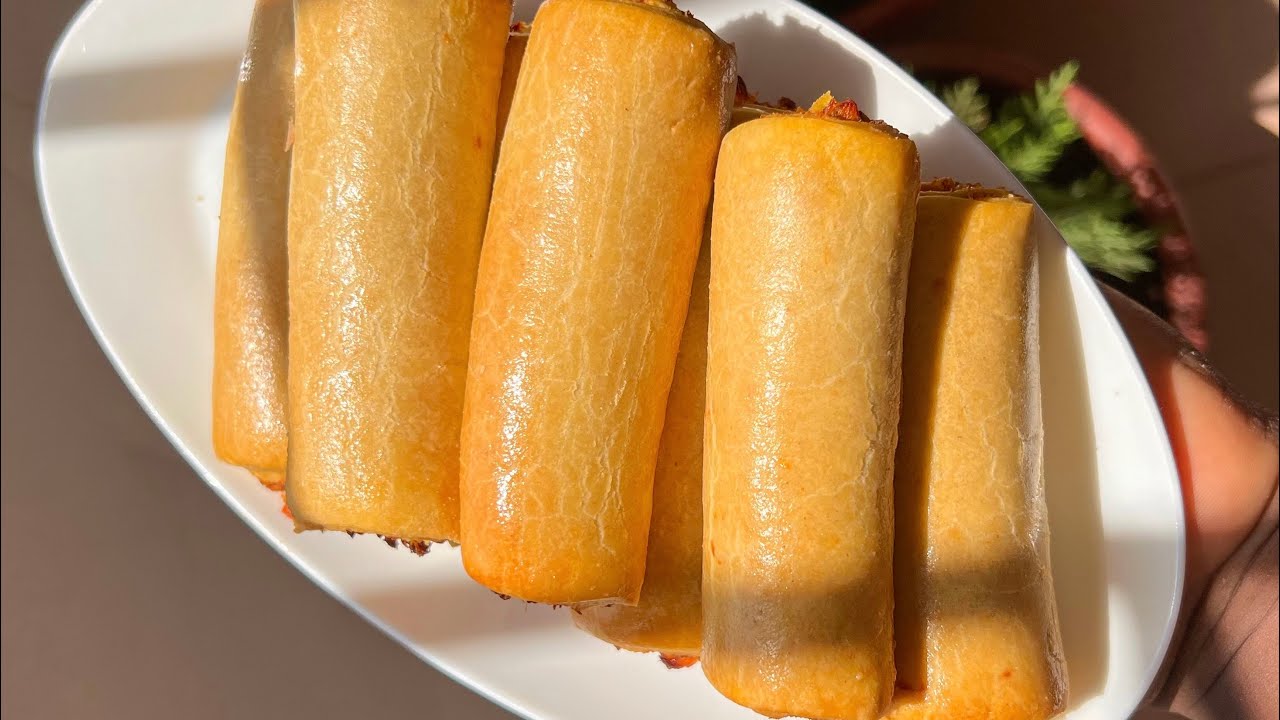
A well-made Nigerian fish roll combines a lightly crisp, golden-brown pastry with a savoury and well-seasoned fish filling. It is one of Nigeria’s most popular snacks and can be enjoyed as breakfast, a quick afternoon snack, party food, or a convenient treat served with a cold drink.
With this Nigerian fish roll recipe, we can prepare delicious homemade fish rolls using simple ingredients that are readily available. The secret is getting both parts right: the dough should be soft enough to roll easily but firm enough to hold the filling, while the fish mixture should be flavourful without being excessively wet.
Whether we are making fish rolls for our family, guests, parties, or commercial purposes, following the right measurements and preparation technique will give us crispy fish rolls with a tasty fish filling.
What Is Nigerian Fish Roll?
Nigerian fish roll is a popular snack prepared by wrapping seasoned fish filling inside pastry dough before frying it until golden brown. Unlike some versions of fish rolls that use puff pastry, the traditional Nigerian-style version is usually made with a simple flour-based dough.
The filling commonly contains mackerel, sardines, or another flavourful fish, combined with onions, pepper, seasoning, and sometimes vegetables. After filling and shaping the dough, we deep-fry the rolls to create their characteristic crisp exterior and soft inner pastry.
The result is a satisfying snack with a combination of crunchy pastry and savoury fish in every bite.
Ingredients for Nigerian Fish Roll
Before preparing our fish rolls, we should measure and arrange all the ingredients. This makes the cooking process easier and helps us achieve consistent results.
For the Fish Roll Dough
We will need:
- 3 cups all-purpose flour
- 1 teaspoon baking powder
- ½ teaspoon salt
- 2 tablespoons sugar
- ½ cup margarine or butter
- 1 large egg
- ½ to ¾ cup water or milk
- Vegetable oil for deep frying
The exact amount of liquid required can vary slightly depending on the flour. We should therefore add the water or milk gradually rather than pouring everything into the dough at once.
For the Fish Filling
For a rich and tasty filling, we will need:
- 2 medium mackerel fish or about 2 cups cooked fish
- 1 small onion, finely chopped
- 1 small red bell pepper or fresh pepper, finely chopped
- 1 teaspoon curry powder
- ½ teaspoon thyme
- 1 seasoning cube
- Salt to taste
- 1 tablespoon vegetable oil
- 1 small carrot, grated or finely chopped, optional
Mackerel works particularly well because of its rich flavour, but we can also use sardines, tuna, croaker, or another preferred fish.
How to Prepare the Fish Filling
The filling determines much of the flavour of our Nigerian fish roll, so we should prepare it carefully.
First, we clean the fish thoroughly and place it in a saucepan. We add a small quantity of water, a little salt, seasoning, onions, and any preferred spices. We then cook the fish until tender.
Once cooked, we remove the fish from the liquid and allow it to cool enough to handle comfortably.
Next, we carefully remove the skin and every visible bone. This step is particularly important because bones can make the finished snack unpleasant or unsafe to eat.
We place the boneless fish in a bowl and mash it gently with a fork.
We heat about one tablespoon of vegetable oil in a frying pan and add the chopped onion. We sauté it briefly until slightly softened before adding the chopped pepper and optional carrot.
We then add the mashed fish, curry powder, thyme, seasoning cube, and a small amount of salt if necessary.
We stir everything together over medium-low heat for approximately three to five minutes.
The finished fish mixture should be moist but not watery. Excess moisture can make the dough soggy and may cause the rolls to open while frying.
Once ready, we remove the filling from the heat and allow it to cool completely.
How to Make Nigerian Fish Roll Dough
To prepare the dough, we place the flour, baking powder, sugar, and salt in a large mixing bowl and combine them properly.
We add the margarine or butter and rub it into the flour using our fingertips until the mixture develops a slightly crumbly texture.
Next, we add the egg and mix again.
We gradually pour in the water or milk while mixing until a dough begins to form. We should avoid adding too much liquid because overly soft dough can become difficult to roll and shape.
We knead the dough gently until it becomes smooth, soft, and non-sticky.
Unlike bread dough, fish roll dough does not require prolonged kneading. A few minutes should be sufficient.
We cover the dough and allow it to rest for approximately 10 to 15 minutes. Resting makes it easier to roll and helps create a better pastry texture.
How to Make Nigerian Fish Roll Step by Step
Once our filling has cooled and the dough has rested, we can begin assembling the fish rolls.
1. Divide the Dough
We place the dough on a clean working surface and divide it into manageable portions.
Working with smaller portions allows us to roll the pastry more evenly.
2. Roll Out the Dough
Using a rolling pin, we roll each portion into a thin sheet.
The dough should not be extremely thin because it must remain strong enough to contain the filling during frying. At the same time, excessively thick dough may produce heavy fish rolls.
A moderate thickness gives us the best balance between crispness and softness.
3. Cut the Dough
We cut the rolled dough into rectangular pieces of similar sizes.
Keeping the pieces approximately equal helps our fish rolls cook evenly and gives them a more attractive appearance.
4. Add the Fish Filling
We place a small quantity of fish filling near one end of each piece of dough.
We should avoid overfilling the pastry. Too much filling can cause the rolls to burst open during frying.
5. Roll and Seal
We fold the dough over the filling and continue rolling until we reach the opposite end.
We press the edges firmly to seal them. If necessary, we can lightly brush the edge with water before sealing.
We repeat the process until all the dough and filling have been used.
How to Fry Nigerian Fish Rolls Perfectly
We pour enough vegetable oil into a deep saucepan or frying pot to allow the fish rolls to float comfortably.
We heat the oil over medium heat.
Getting the oil temperature right is extremely important. Oil that is too cold can cause the pastry to absorb excessive oil, producing greasy fish rolls. Oil that is excessively hot can brown the outside quickly while leaving the pastry undercooked inside.
We gently place a few fish rolls into the hot oil without overcrowding the pan.
We fry them while turning occasionally until all sides become golden brown and crisp.
Once cooked, we remove the fish rolls using a slotted spoon and place them on paper towels or a cooling rack to remove excess oil.
We continue frying the remaining batches in the same manner.
Tips for Making the Best Nigerian Fish Roll
Small details can make a significant difference when preparing homemade fish rolls.
Keep the filling relatively dry. A wet filling may soften the pastry and make sealing difficult.
Remove all fish bones carefully. We should inspect the cooked fish thoroughly before preparing the filling.
Do not overwork the dough. Excessive kneading may make the pastry unnecessarily tough.
Avoid overfilling each roll. A moderate quantity of filling makes rolling easier and reduces the chance of bursting.
Seal the edges properly. Poorly sealed rolls can open once they enter the hot oil.
Fry over medium heat. This allows the fish rolls to cook properly inside while developing an attractive golden exterior.
Why Does My Fish Roll Open While Frying?
One common problem when making homemade Nigerian fish rolls is having the pastry open during frying.
This usually happens when the edges have not been sealed securely, the roll contains too much filling, or the filling is excessively wet.
To prevent this problem, we should use only enough filling to create a noticeable fish centre without putting pressure on the dough.
After rolling, we press the final edge firmly against the pastry. Applying a very small amount of water to the edge can also help it stick.
Placing the sealed side downward when the roll first enters the oil can provide additional support.
How to Keep Nigerian Fish Rolls Crispy
For crisp fish rolls, we should maintain the correct frying temperature and avoid overcrowding the frying pan.
Once removed from the oil, placing the fish rolls directly into a tightly covered container while they are still hot can trap steam and soften the pastry.
Instead, we should allow freshly fried fish rolls to cool slightly on a wire rack or absorbent paper.
If we are preparing a large quantity, frying in smaller batches helps maintain the oil temperature and ensures consistent results.
Can Nigerian Fish Roll Be Baked Instead of Fried?
Yes. Although deep-frying produces the familiar Nigerian fish roll texture, we can prepare a baked version.
We arrange the prepared rolls on a baking tray lined with parchment paper and brush the surfaces lightly with beaten egg.
We then bake them in a preheated oven until the pastry is cooked and golden brown.
Baked fish rolls will have a slightly different texture from traditional fried versions, but they can still be crisp, flavourful, and satisfying.
What Fish Is Best for Nigerian Fish Roll?
Mackerel is one of the best choices because it has a strong, savoury flavour that remains noticeable after being combined with pastry.
However, it is not our only option.
We can prepare the filling with:
- Mackerel
- Sardines
- Tuna
- Croaker
- Tilapia
- Other firm cooked fish with easily removable bones
Whichever fish we choose, the most important requirement is removing the bones thoroughly and seasoning the filling properly.
How to Store Homemade Fish Rolls
Freshly prepared Nigerian fish rolls are best enjoyed warm or at room temperature.
If we have leftovers, we allow them to cool completely before transferring them into an airtight container. They can then be refrigerated.
When we are ready to eat them again, reheating in an oven or air fryer generally restores the texture better than a microwave because dry heat helps make the exterior crisp again.
We should avoid storing warm fish rolls in an airtight container because trapped moisture can make the pastry soft.
What to Serve With Nigerian Fish Roll
Nigerian fish rolls are delicious on their own, but they can also be served with different beverages and light accompaniments.
We can enjoy them with tea, coffee, fruit juice, soft drinks, yoghurt drinks, or chilled water. They also work well as part of a Nigerian snack platter alongside meat pie, puff puff, sausage rolls, samosas, spring rolls, and chin chin.
For parties and celebrations, smaller fish rolls can be prepared as finger foods and served alongside other snacks.
How to Make Nigerian Fish Roll for Parties or Business
When preparing fish rolls in larger quantities, consistency becomes especially important.
We should measure the dough ingredients accurately and divide the dough into similar portions. Using approximately the same amount of filling in every roll helps maintain uniform size.
For commercial preparation, we should also allow the fish filling to cool completely before assembling the rolls. This helps prevent condensation and keeps the pastry easier to handle.
The finished rolls should be fried in batches rather than overcrowding the pot. Maintaining consistent oil temperature produces a more professional-looking result with an evenly browned exterior.
Common Mistakes to Avoid When Making Fish Rolls
One of the easiest ways to improve our Nigerian fish roll recipe is to avoid mistakes that negatively affect texture and flavour.
Using too much water in the dough can make it sticky and difficult to shape. Adding liquid gradually gives us greater control.
Using watery fish filling can weaken the pastry and make the finished rolls soggy.
Rolling the dough too thick can produce a heavy snack with too much pastry compared with the filling.
Frying with excessively high heat can cause premature browning, while frying at very low heat encourages excessive oil absorption.
We should therefore aim for balanced dough thickness, a relatively dry filling, secure sealing, and steady medium frying temperature.
How to Get Soft Inside and Crispy Outside Fish Rolls
The ideal Nigerian fish roll should not be rock-hard. Instead, we want a lightly crisp exterior surrounding a tender pastry layer and savoury fish centre.
Butter or margarine helps create this tender texture, while baking powder gives the dough a little lightness.
We should also avoid adding excessive flour while rolling. Too much additional flour may dry out the dough.
Finally, controlled frying allows the pastry to cook gradually instead of becoming dark and hard before the centre has properly cooked.
Serving Fresh Nigerian Fish Rolls
Once our fish rolls have cooled slightly after frying, they are ready to serve.
Their combination of golden pastry, seasoned fish, onions, pepper, and aromatic spices makes them suitable for almost any occasion.
For breakfast, we can pair them with tea or coffee. For afternoon snacks, they go well with chilled drinks. At parties, we can prepare smaller portions and serve them with other Nigerian finger foods.
They are also convenient for school lunch boxes, office snacks, road trips, picnics, and casual family gatherings.
FAQs about Nigerian Fish Roll Recipe
1. What is a Nigerian fish roll?
A Nigerian fish roll is a popular snack made with soft or slightly crunchy pastry wrapped around a seasoned fish filling. It is commonly enjoyed as a quick snack, party food, or street food.
2. What type of fish is best for Nigerian fish rolls?
We recommend mackerel, sardines, or tuna because they are flavourful and easy to prepare. Fresh or canned fish can be used, depending on availability.
3. How do we make the fish roll filling?
We cook and debone the fish, then season it with ingredients such as onions, pepper, seasoning cubes, and spices. The filling should be fairly dry to prevent the pastry from becoming soggy.
4. Can Nigerian fish rolls be baked instead of fried?
Yes. Although traditional Nigerian fish rolls are usually deep-fried, we can bake them for a lighter option. Brush the rolls with egg wash before baking to achieve a golden finish.
5. Why does my fish roll absorb too much oil?
Fish rolls may absorb excessive oil when the frying temperature is too low. We should ensure the oil is properly heated before adding the rolls and avoid overcrowding the frying pan.
6. How do we keep Nigerian fish rolls fresh?
Allow the rolls to cool completely before storing them in an airtight container. For longer storage, refrigerate or freeze them and reheat them in an oven or air fryer before serving.
7. What can we serve with Nigerian fish rolls?
Nigerian fish rolls pair perfectly with tea, coffee, soft drinks, fruit juice, or chilled beverages. They are also excellent for parties, picnics, and lunchboxes.
Conclusion
This Nigerian fish roll recipe gives us a straightforward method for preparing one of Nigeria’s most loved savoury snacks at home. By making a smooth pastry dough, preparing a flavourful but relatively dry fish filling, sealing each roll properly, and frying at a controlled temperature, we can achieve fish rolls that are crispy outside, tender inside, and deliciously filled with seasoned fish.
The recipe is also flexible. We can adjust the pepper and seasoning according to our preference, experiment with different fish varieties, add vegetables to the filling, or bake the rolls instead of frying them.
Whether we are preparing a small batch for our family or making Nigerian fish rolls for parties and commercial sales, careful preparation and proper frying techniques will help us achieve consistently attractive and delicious results. With their rich fish filling and golden pastry exterior, homemade Nigerian fish rolls remain a satisfying snack that can be enjoyed at any time of the day.