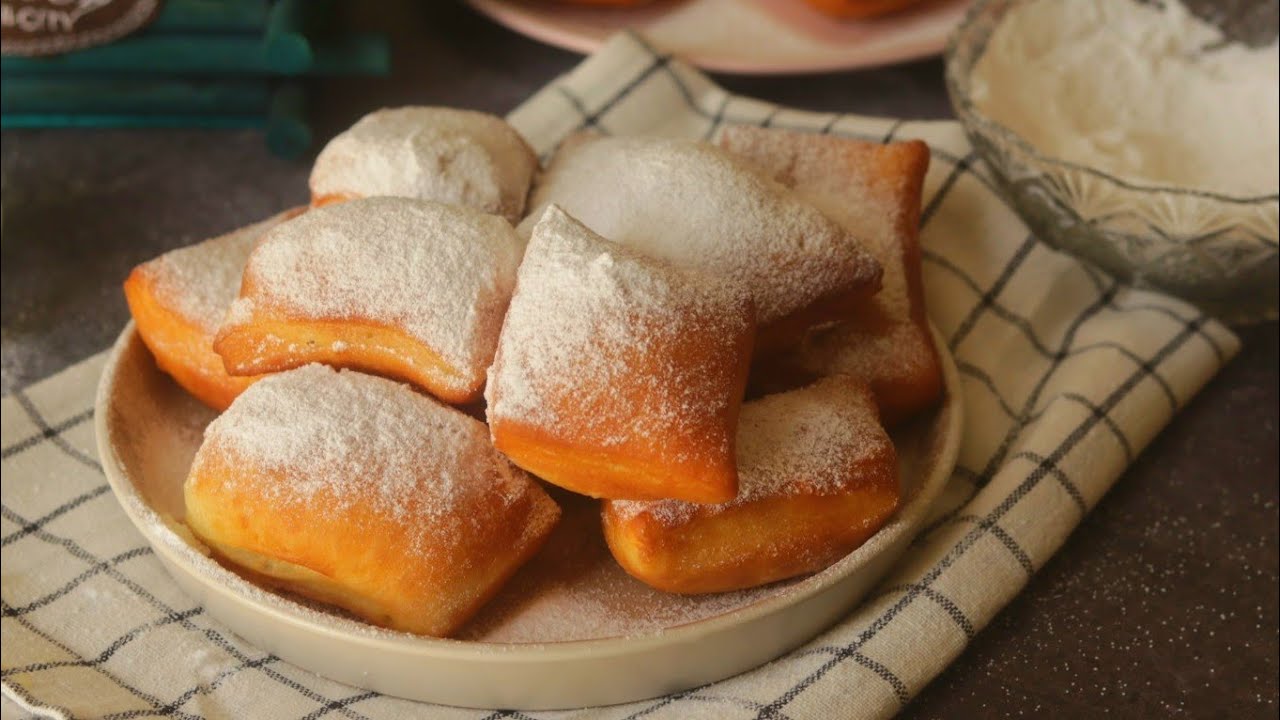
New Orleans Beignets Recipe: Few pastries capture the spirit of classic Southern baking like New Orleans beignets. These golden, pillowy squares are crisp on the outside, airy on the inside, and generously covered in powdered sugar. Served warm with coffee or hot chocolate, they deliver the unmistakable comfort of a bakery-fresh treat made right at home.
Our complete guide provides everything needed to create restaurant-quality beignets from scratch. From selecting the right ingredients to mastering the rise, frying process, and finishing touch, this recipe is designed for consistent, delicious results.
Ingredients You’ll Need for Authentic New Orleans Beignets
To create rich, soft, bakery-style beignets, gather the following ingredients:
For the Dough
- 4 cups all-purpose flour
- 2¼ teaspoons active dry yeast (1 packet)
- ¾ cup warm water (about 110°F / 43°C)
- ½ cup granulated sugar
- 1 teaspoon salt
- 2 large eggs
- ½ cup evaporated milk
- 3 tablespoons unsalted butter, softened
- 1 teaspoon vanilla extract (optional for extra flavor)
For Frying
- 4 to 6 cups vegetable oil or canola oil
For Finishing
- 2 cups powdered sugar, or more as needed
Step-by-Step Guide to Making New Orleans Beignets
1. Prepare the Dough
In a large bowl, mix warm water, yeast, and a little sugar. Let it sit for 5 minutes until foamy. Add milk, eggs, melted butter, remaining sugar, and a pinch of salt. Gradually mix in flour until a soft dough forms.
2. Knead and Let It Rise
Place the dough on a floured surface and knead for about 8 minutes until smooth and elastic. Put it in a greased bowl, cover with a clean towel, and let it rise in a warm place for 1 to 2 hours, or until doubled in size.
3. Roll and Cut the Dough
Punch down the risen dough and transfer it to a floured surface. Roll it out to about ¼-inch thickness. Use a knife or pizza cutter to cut the dough into small squares or rectangles.
4. Fry Until Golden
Heat vegetable oil in a deep pot to 350°F (175°C). Carefully drop a few dough pieces into the hot oil. Fry for 1 to 2 minutes per side until puffed and golden brown. Remove with a slotted spoon and drain on paper towels.
5. Dust and Serve
Generously sprinkle powdered sugar over the warm beignets. Serve immediately while fresh and fluffy. Pair with coffee or hot chocolate for a classic treat.
Tip: Do not overcrowd the pot while frying, as it lowers the oil temperature and affects texture.
Best Texture Tips for Perfect New Orleans Beignets
Use Warm Ingredients
Cold milk or eggs can slow yeast activity. Room-temperature ingredients help the dough rise evenly.
Do Not Over-Flour the Dough
Too much flour creates dense pastries. Keep dough soft and slightly sticky.
Allow Full Rising Time
Rushing fermentation reduces fluffiness. A full rise creates light interiors and rich flavor.
Maintain Oil Temperature
Steady heat ensures even puffing and crisp edges.
Serve Fresh
Beignets are best within minutes of frying while warm and soft.
How to Store and Reheat Beignets
Short-Term Storage
Place cooled beignets in an airtight container for up to 1 day.
Reheating
Warm in a 300°F oven for 5 minutes or air fryer for 2 to 3 minutes.
Dust with fresh powdered sugar after reheating.
Freezing Dough
After cutting squares, freeze uncooked dough pieces on a tray. Transfer to freezer bags and store up to 2 months.
Thaw, proof slightly, then fry as usual.
Flavor Variations for Homemade Beignets
Cinnamon Sugar Beignets
Replace powdered sugar with a mix of cinnamon and sugar.
Chocolate-Filled Beignets
Pipe chocolate spread or ganache into fried beignets.
Fruit-Filled Beignets
Fill with raspberry jam, lemon curd, or strawberry preserves.
Vanilla Bean Beignets
Add vanilla bean paste to the dough for deeper flavor.
What to Serve with New Orleans Beignets
These pastries pair beautifully with:
- Strong coffee
- Cafe au lait
- Hot chocolate
- Vanilla latte
- Fresh berries
- Whipped cream
- Maple syrup drizzle
For a classic breakfast spread, serve alongside eggs, bacon, and fresh fruit.
Common Mistakes to Avoid
Dense Beignets
Cause: Too much flour or under-proofing.
Greasy Texture
Cause: Oil too cool.
Burned Exterior
Cause: Oil too hot.
Flat Beignets
Cause: Old yeast or insufficient rise time.
Uneven Browning
Cause: Crowded pan or inconsistent oil temperature.
Why This New Orleans Beignets Recipe Works
This recipe balances:
- Richness from eggs and evaporated milk
- Tenderness from butter
- Lift from properly activated yeast
- Crisp texture from hot oil frying
- Sweet finish from generous powdered sugar
The result is a bakery-style pastry with authentic flavor and professional texture.
FAQs about New Orleans Beignets Recipe
1. What are New Orleans beignets?
New Orleans beignets are soft, square-shaped pieces of fried dough, usually served hot and covered generously with powdered sugar. They are famous for their light, fluffy texture and are often enjoyed with coffee.
2. Can we make beignets without yeast?
Traditional beignets are usually made with yeast, which helps create their airy texture. However, we can make a quicker version using baking powder, though the result may be slightly less fluffy than the classic recipe.
3. Why are my beignets not puffing up?
Beignets may not puff properly if the oil is not hot enough, the dough is too thick, or the yeast did not activate well. For best results, we should fry them in hot oil and avoid overcrowding the pan.
4. What is the best oil for frying beignets?
A neutral oil such as vegetable oil, canola oil, or peanut oil works best. These oils allow the beignets to fry evenly without adding a strong flavor.
5. Can beignets be made ahead of time?
Beignets taste best when served fresh and warm. We can prepare the dough ahead and refrigerate it, then roll, cut, and fry the beignets when ready to serve.
Final Thoughts
Fresh New Orleans beignets bring bakery-level indulgence to any kitchen. With a tender interior, delicate crispness, and a cloud of powdered sugar, they remain one of the most satisfying homemade pastries.
Follow this step-by-step guide carefully, respect the dough rising time, fry at the correct temperature, and serve warm. The result is a plate of authentic, golden beignets worthy of any classic café table.