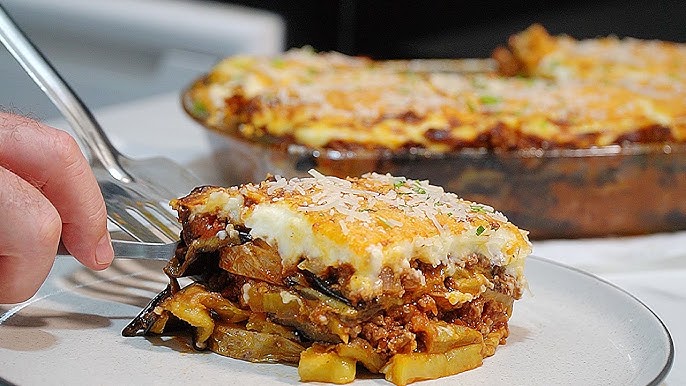
Moussaka Recipe: When it comes to Mediterranean cuisine, few dishes rival the rich, hearty, and comforting flavors of Moussaka. A baked casserole layered with tender eggplant, a spiced meat sauce, and creamy bechamel, Moussaka is a classic dish that hails from Greece but is loved worldwide.
Whether you’re hosting a dinner party or craving a taste of authentic Greek food, this step-by-step guide will walk you through the process of preparing the perfect Moussaka.
What is Moussaka?
Moussaka is a layered casserole dish traditionally made with slices of eggplant, ground lamb or beef, and a silky bechamel topping. While it is most famously associated with Greek cuisine, variations exist throughout the Mediterranean and Middle Eastern regions. In Turkey, for example, Moussaka is made without a bechamel sauce, and in Lebanon, potatoes are often included.
The dish is renowned for its unique blend of flavors: the earthiness of eggplant, the savory richness of the meat, and the creamy, nutmeg-infused sauce.
Ingredients for Moussaka
To make a traditional Moussaka, you’ll need the following:
Vegetables:
- 3 large eggplants.
- Olive oil for frying.
Meat Sauce:
- 1 pound ground lamb or beef.
- 1 large onion, finely chopped.
- 2 cloves garlic, minced.
- 1 can (14 oz) of crushed tomatoes.
- 2 tablespoons tomato paste.
- 1 teaspoon cinnamon or allspice.
- Salt and pepper to taste.
Bechamel Sauce:
- 4 tablespoons butter.
- 4 tablespoons all-purpose flour.
- 2 cups whole milk.
- 1 egg yolk.
- Nutmeg to taste.
- Salt and pepper.
Optional:
- Grated Parmesan or Kefalotyri cheese for topping.
Essential Kitchen Tools
Before you begin, gather the following tools to make the process smooth:
- A large baking dish (9×13 inches works well).
- A large skillet for frying eggplants.
- A saucepan for the bechamel sauce.
- Mixing spoons, a whisk, and a spatula.
Step-by-Step Guide to Making Moussaka
Step 1: Prepare the eggplant
Slice 2 large eggplants into rounds. Sprinkle with salt and let them sit for 20 minutes to remove bitterness. Rinse, pat dry, brush with oil, and bake or fry until lightly golden.
Step 2: Cook the meat sauce
Heat oil in a pan and cook 1 chopped onion and 2 minced garlic cloves until soft. Add 500g ground lamb or beef and cook until browned. Stir in 2 tablespoons tomato paste, 1 can chopped tomatoes, salt, pepper, and a pinch of cinnamon. Simmer for 15–20 minutes.
Step 3: Make the béchamel sauce
Melt 4 tablespoons butter in a saucepan. Stir in 4 tablespoons flour and cook for 1 minute. Gradually whisk in 2 cups milk until smooth and thick. Season with salt and a little nutmeg. Remove from heat and mix in 1 beaten egg.
Step 4: Assemble the moussaka
In a baking dish, layer half the eggplant slices on the bottom. Spread the meat sauce evenly over them. Add the remaining eggplant on top. Pour the béchamel sauce over the final layer and smooth it out.
Step 5: Bake
Sprinkle a little grated cheese on top if desired. Bake at 180°C (350°F) for 35–40 minutes, or until golden brown.
Step 6: Rest and serve
Let the moussaka rest for 10–15 minutes before slicing. Serve warm with salad or crusty bread.
Tips for Perfect Moussaka
Achieving a flawless Moussaka can be challenging, but these tips will help ensure your dish turns out spectacular every time.
1. Avoid Soggy Eggplants
Eggplants can release a lot of water, which might make your Moussaka watery. Salting the eggplant slices before frying is crucial. Let them sit for at least 30 minutes, then rinse and pat them dry thoroughly. Frying or grilling the slices also helps reduce moisture while adding flavor.
2. Season for Depth of Flavor
The spices in Moussaka, like cinnamon or allspice, give it its signature flavor. Be generous with your seasoning, but balance it so it complements, not overpowers, the other components. A touch of fresh herbs like parsley or oregano can also elevate the dish.
3. Perfect the Bechamel Sauce
To avoid lumps, whisk constantly while adding milk to the roux (flour and butter mixture). If the sauce turns out too thin, simmer it a bit longer to thicken. For an extra rich flavor, add a handful of grated Parmesan cheese to the sauce.
4. Let it Rest
Resist the urge to slice into your Moussaka immediately after baking. Letting it rest for 15-20 minutes allows the layers to set, making it easier to cut and serve neatly.
Common Variations of Moussaka
While the traditional recipe is beloved, variations offer exciting twists on this classic dish:
1. Vegetarian Moussaka
Swap the meat for hearty vegetables like zucchini, mushrooms, or lentils. The vegetable layers can be roasted or grilled for extra flavor, and the rest of the process remains the same.
2. Vegan Moussaka
Make it plant-based by replacing the bechamel sauce with a vegan-friendly version, such as one made with almond milk and a roux of vegan butter and flour. Use textured vegetable protein or a mix of lentils and chickpeas as a meat substitute.
3. Gluten-Free Adaptations
For gluten-free Moussaka, use gluten-free flour for the bechamel and ensure all other ingredients, like tomato paste and spices, are gluten-free.
Serving Suggestions
Moussaka is a rich dish, and pairing it with lighter sides makes for a well-rounded meal. Here are some ideas:
1. Fresh Salads
A crisp Greek salad with cucumbers, tomatoes, red onions, and feta cheese is a classic pairing. A simple arugula salad with a lemon vinaigrette also works beautifully.
2. Bread and Dips
Serve Moussaka with warm pita bread and a side of tzatziki sauce for dipping. The creamy yogurt-based dip adds a refreshing contrast to the richness of the casserole.
3. Wine Pairings
A medium-bodied red wine like Merlot or a dry white wine like Assyrtiko pairs perfectly with the dish’s complex flavors.
Storing and Reheating Moussaka
Moussaka can be made ahead and stored for later, making it an excellent dish for meal prep or special occasions.
1. Refrigeration
Store leftovers in an airtight container in the refrigerator for up to 3 days. Reheat individual portions in the microwave or the whole dish in the oven at 350°F (175°C) until warmed through.
2. Freezing Moussaka
Moussaka freezes well, either before or after baking. Wrap the assembled dish tightly in aluminum foil and plastic wrap. It can be frozen for up to 3 months. To reheat, bake directly from frozen at 375°F (190°C) for 1 to 1.5 hours.
Nutritional Information
While Moussaka is indulgent, you can enjoy it as part of a balanced diet.
| Nutrient | Amount (Per Serving) |
|---|---|
| Calories | ~350-450 kcal |
| Protein | 20-25 g |
| Carbohydrates | 20-30 g |
| Fat | 15-20 g |
To make it healthier, reduce the oil used for frying eggplants or bake them instead. You can also use low-fat milk for the bechamel sauce.
FAQs about Moussaka Recipe
What are the key ingredients in a traditional moussaka recipe?
Traditional moussaka consists primarily of sliced eggplant, minced meat (often lamb or beef), and a creamy béchamel sauce. Spices like cinnamon, nutmeg, and allspice are also important for authentic flavor.
How long does it take to prepare and cook moussaka?
Preparation of moussaka can take about 30 minutes, while cooking time is typically around 45 minutes to 1 hour in the oven. It’s advisable to let it rest for a few minutes after baking for easier serving.
Can I make moussaka without meat?
Yes, vegetarian moussaka is a delicious alternative and uses layers of vegetables like potatoes, zucchini, or mushrooms instead of meat, with lentils often serving as a protein substitute.
Is moussaka gluten-free?
Moussaka can be made gluten-free by using a gluten-free flour substitute in the béchamel sauce or opting for a béchamel sauce that doesn’t require flour at all, like those thickened with cornstarch.
Can moussaka be frozen?
Yes, moussaka freezes well. Ensure it’s cooled completely before wrapping it tightly to avoid freezer burn. It can be reheated in the oven or microwave once defrosted.
What side dishes go well with moussaka?
Moussaka pairs wonderfully with a crisp green salad, some crusty bread for dipping into the sauce, or steamed vegetables like green beans or carrots to balance out the richness of the dish.
Conclusion
Moussaka is more than just a meal; it’s a taste of Mediterranean tradition. With its rich layers of eggplant, spiced meat, and creamy bechamel, it’s a dish that feels like a warm hug on a plate. Whether you stick to the traditional recipe or explore one of the many variations, making Moussaka at home is a rewarding experience that brings friends and family together. So grab your ingredients and start layering—your kitchen is about to smell like a Greek taverna!