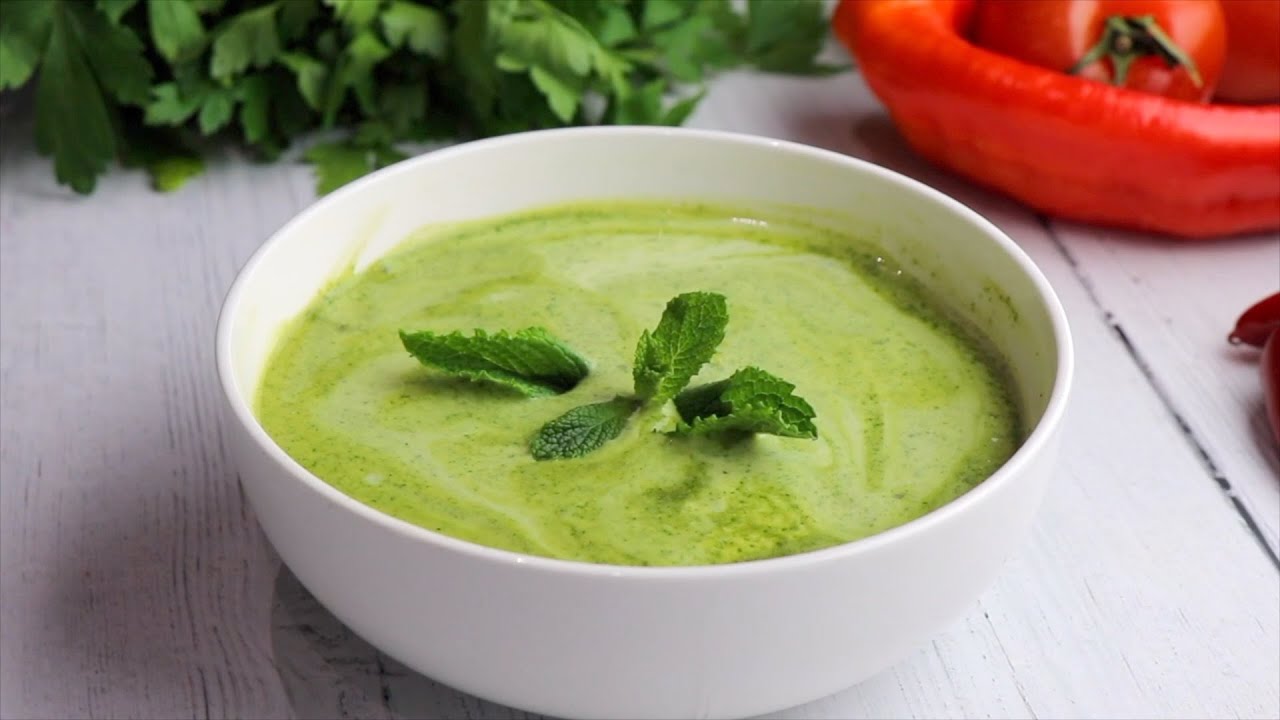
Mint Sauce Recipe: Mint sauce is a timeless condiment known for its bright flavor, refreshing aroma, and perfect balance of sweetness and acidity. It pairs beautifully with roasted meats, grilled vegetables, potatoes, sandwiches, and seasonal dishes. A properly prepared mint sauce delivers freshness that store-bought versions rarely achieve. With a few simple ingredients and the right technique, we can create a smooth, vibrant, and flavorful sauce in minutes.
This detailed guide covers everything needed to prepare the perfect mint sauce recipe from scratch, including ingredient selection, preparation methods, consistency adjustments, serving ideas, storage tips, and expert techniques for the best results every time.
Ingredients You’ll Need
To make a classic homemade mint sauce, gather the following ingredients:
Main Ingredients
- 1 large bunch fresh mint leaves
- 3 tablespoons white wine vinegar
- 2 tablespoons boiling water
- 1 tablespoon sugar
- 1/4 teaspoon salt
- 1 tablespoon olive oil (optional for richness)
- Freshly ground black pepper (optional)
Optional Flavor Enhancers
For a modern twist, we may also add:
- 1 teaspoon honey instead of sugar
- 1 teaspoon lemon juice for brightness
- 1 small shallot, finely minced
- 1 tablespoon chopped parsley
- Pinch of chili flakes for subtle heat
How to Choose the Best Mint for Mint Sauce
Fresh herbs make all the difference. Select mint with:
- Bright green leaves
- Strong fragrance
- No yellowing or wilting
- Tender stems
Spearmint is the most traditional variety for mint sauce because it provides a sweet and cooling flavor. Peppermint may be used but gives a stronger taste.
Step-by-Step Guide to Making Mint Sauce
Step 1: Wash the Mint Thoroughly
Place the mint bunch under cold running water. Rinse away soil, dust, or debris. Shake off excess moisture and pat dry with kitchen paper or a clean towel.
Dry leaves help maintain a fresh flavor and prevent dilution.
Step 2: Remove the Leaves
Strip the mint leaves from the thicker stems. Tender upper stems may be used if finely chopped, but discard woody stems for the best texture.
Step 3: Finely Chop the Mint
Gather the leaves into a tight pile and chop very finely with a sharp knife.
For traditional mint sauce, hand chopping is ideal because it preserves texture and avoids bruising the leaves. A food processor can be used briefly, but pulse carefully.
The finer the chop, the smoother and more balanced the sauce will be.
Step 4: Dissolve the Sugar
In a small bowl, combine:
- Sugar
- Salt
- Boiling water
Stir until fully dissolved. This step ensures even sweetness throughout the sauce.
Step 5: Add the Vinegar
Pour in the white wine vinegar and stir well.
The vinegar creates the classic tangy character of mint sauce and helps preserve freshness.
Step 6: Add the Chopped Mint
Fold the finely chopped mint into the liquid mixture.
Stir thoroughly until all leaves are coated.
Step 7: Rest the Sauce
Allow the mint sauce to sit for 15 to 20 minutes before serving.
This resting time softens the mint slightly and allows flavors to blend into a balanced, aromatic sauce.
Step 8: Taste and Adjust
Taste the sauce and adjust as needed:
- Add more sugar for sweetness
- Add more vinegar for sharper tang
- Add water for a thinner texture
- Add olive oil for softness
Serve immediately or chill until needed.
Perfect Mint Sauce Texture Guide
The ideal consistency is spoonable, glossy, and lightly fluid. It should coat food without being watery.
Too Thick?
Add 1 teaspoon water at a time.
Too Sharp?
Add a little extra sugar or honey.
Too Sweet?
Balance with a splash of vinegar.
Best Foods to Serve with Mint Sauce
Mint sauce is incredibly versatile and pairs well with many dishes.
Traditional Pairings
- Roast lamb
- Lamb chops
- Grilled lamb skewers
- Slow-cooked shoulder of lamb
Vegetarian Pairings
- Roasted carrots
- New potatoes
- Peas
- Grilled courgettes
- Stuffed mushrooms
Modern Uses
- Sandwich spread
- Salad dressing base
- Marinade ingredient
- Grain bowls
- Yogurt topping
How to Make Creamy Mint Sauce
For a richer variation, mix the finished sauce with:
- 3 tablespoons Greek yogurt
or - 2 tablespoons sour cream
This creates a creamy mint sauce perfect for wraps, kebabs, grilled chicken, or vegetable platters.
How to Store Homemade Mint Sauce
Transfer the sauce to a clean airtight jar or container.
Refrigerator Storage
- Keeps fresh for 5 to 7 days
Freezer Storage
- Freeze in small portions for up to 2 months
Thaw in the refrigerator and stir before serving.
Common Mistakes to Avoid
Using Old Mint
Wilted herbs produce dull flavor.
Overprocessing the Mint
Blending too aggressively can darken leaves and create bitterness.
Skipping the Resting Time
Freshly mixed sauce tastes harsh. Resting creates balance.
Too Much Vinegar
Excess acidity overwhelms the mint. Add gradually.
Expert Tips for the Best Mint Sauce Recipe
Use Sharp Knives
Clean cuts preserve freshness.
Add Vinegar Slowly
Taste as you go for balance.
Chill Before Serving
Cold mint sauce tastes brighter and more refreshing.
Use Freshly Picked Mint
Recently harvested herbs provide maximum aroma.
Quick Mint Sauce Recipe (5 Minutes)
For a faster version:
Ingredients
- 1 cup chopped mint
- 2 tablespoons vinegar
- 1 tablespoon sugar
- 2 tablespoons hot water
Method
Mix everything together, stir well, let stand for 5 minutes, then serve.
Mint Sauce Variations
Honey Mint Sauce
Replace sugar with honey for natural sweetness.
Lemon Mint Sauce
Add lemon juice for citrus freshness.
Spicy Mint Sauce
Mix in chili flakes or green chili.
Garlic Mint Sauce
Add finely grated garlic for bold flavor.
Nutritional Benefits of Mint Sauce
Mint sauce can be a light and flavorful addition to meals.
Mint contains natural freshness and plant compounds, while homemade versions allow full control over sugar and salt levels.
Approximate values per tablespoon:
- Low fat
- Low calories
- Strong flavor impact
- Fresh herb content
Why Homemade Mint Sauce Tastes Better
Freshly prepared mint sauce offers:
- Brighter aroma
- Cleaner flavor
- Better texture
- Adjustable sweetness
- No unnecessary additives
The difference between homemade and bottled versions is immediate and noticeable.
Final Mint Sauce Recipe Summary
To make the perfect mint sauce:
- Wash and dry fresh mint
- Finely chop the leaves
- Dissolve sugar in hot water
- Add vinegar
- Stir in mint
- Rest for 15 minutes
- Adjust flavor
- Serve chilled or fresh
This method creates a bright, balanced, and delicious mint sauce suitable for traditional meals and modern dishes alike.
FAQs about Mint Sauce Recipe
1. What is mint sauce?
Mint sauce is a simple condiment made with fresh mint, vinegar, sugar, and a little water. It is known for its bright, tangy, and slightly sweet flavor.
2. What is mint sauce usually served with?
Mint sauce is most commonly served with roast lamb, but it also pairs well with potatoes, peas, and other savory dishes.
3. Can I use dried mint instead of fresh mint?
Yes, but fresh mint gives the best flavor and color. Dried mint can work in a pinch, though the sauce may taste less vibrant.
4. Why is my mint sauce too strong?
It may taste too strong if there is too much vinegar or too much mint. You can balance it by adding a little more water or sugar.
5. Can I make mint sauce ahead of time?
Yes, mint sauce can be made ahead and kept in the refrigerator. This also gives the flavors time to blend together.
6. How long does homemade mint sauce last?
Homemade mint sauce usually lasts about 3 to 5 days in the refrigerator when stored in a sealed container.
7. Can I make mint sauce without sugar?
Yes, but the sugar helps balance the sharpness of the vinegar. You can reduce it or replace it with another sweetener if you prefer.
8. Is mint sauce the same as mint chutney?
No, they are different. Mint sauce is usually simple, tangy, and vinegar-based, while mint chutney often includes herbs, chilies, and other spices for a bolder flavor.
Conclusion
A great mint sauce recipe depends on freshness, balance, and careful preparation. With quality mint, measured acidity, and the right resting time, we can produce a condiment that elevates everything it touches. Whether served with roast lamb, vegetables, salads, or sandwiches, homemade mint sauce remains one of the easiest and most rewarding sauces to prepare.