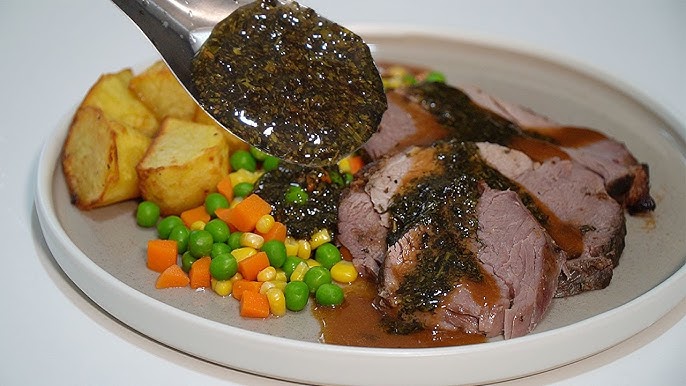
Mint Sauce Recipe: Fresh, vibrant, and packed with flavor, mint sauce is a classic condiment that transforms roast lamb, grilled meats, potatoes, salads, and even sandwiches. A well-made mint sauce balances the brightness of fresh herbs with the tang of vinegar and the subtle sweetness that rounds out every spoonful. When prepared correctly, it delivers a clean, refreshing finish that elevates the entire meal.
In this complete guide, we share the most effective method for making traditional mint sauce at home with simple ingredients, clear steps, and expert tips for achieving the perfect consistency and taste every time.
Ingredients You’ll Need for Mint Sauce
To make authentic homemade mint sauce, gather the following ingredients:
Main Ingredients
- 1 large bunch fresh mint leaves (about 1 packed cup once picked)
- 3 tablespoons boiling water
- 2 tablespoons white wine vinegar or malt vinegar
- 1 tablespoon caster sugar or fine sugar
- Pinch of salt
- 1 teaspoon lemon juice (optional for extra freshness)
Optional Additions for Enhanced Flavor
- 1 tablespoon olive oil for a smoother finish
- Freshly ground black pepper for mild warmth
- Finely chopped shallot for depth
- Honey instead of sugar for a softer sweetness
How to Choose the Best Mint for Mint Sauce
Fresh mint determines the final flavor. Use:
- Spearmint for traditional sweet, cool flavor
- Garden mint for a classic British-style sauce
- Avoid wilted, yellowing, or bruised leaves
Choose bunches with bright green leaves and strong aroma. Fresh herbs create a sharper, cleaner sauce than dried mint.
Preparation Before You Begin
Before mixing the sauce, prepare the mint correctly:
- Remove leaves from thick stems.
- Rinse leaves thoroughly under cold water.
- Pat dry with a kitchen towel.
- Chop very finely using a sharp knife.
Finely chopped mint distributes flavor evenly and creates a refined texture.
Step-by-Step Guide to Making Mint Sauce
Step 1: Gather the Ingredients
You will need:
- 1 cup fresh mint leaves
- 2 tablespoons sugar
- 4 tablespoons vinegar (white or malt vinegar)
- 2 tablespoons hot water
- A pinch of salt
Step 2: Prepare the Mint
Wash the mint leaves thoroughly under cold water. Pat them dry with a clean towel. Remove the leaves from the stems, then chop the leaves very finely using a sharp knife.
Step 3: Dissolve the Sugar
In a small bowl, mix the sugar with the hot water. Stir until the sugar fully dissolves. This helps create a smooth sauce with balanced sweetness.
Step 4: Add Mint and Vinegar
Place the chopped mint into the bowl. Pour in the vinegar and add a pinch of salt. Stir everything together well until evenly combined.
Step 5: Let It Rest and Serve
Leave the sauce for at least 15 minutes before serving. This allows the flavors to blend nicely. Taste and adjust with extra sugar or vinegar if needed. Serve with roast lamb, potatoes, or vegetables.
Traditional Mint Sauce Texture
Classic mint sauce should be:
- Spoonable, not watery
- Finely textured but not pureed
- Bright green
- Glossy and fresh-looking
If the sauce becomes too thin, add more chopped mint. If too thick, add a teaspoon of warm water.
Best Foods to Serve with Mint Sauce
Mint sauce is famously paired with lamb, but it works beautifully with many dishes.
Perfect Pairings
- Roast lamb leg
- Lamb chops
- Grilled lamb kebabs
- Roast potatoes
- Peas and vegetables
- Chicken skewers
- Falafel wraps
- Couscous bowls
- Sandwiches and burgers
Its acidity cuts through richness and adds freshness.
How to Store Homemade Mint Sauce
Fresh mint sauce stores well when refrigerated.
Storage Instructions
- Place in a sealed glass jar or airtight container
- Refrigerate immediately
- Best used within 3 to 5 days
Stir before each use, as natural separation may occur.
Can You Freeze Mint Sauce?
Yes. Freeze in small portions using an ice cube tray.
Once frozen:
- Transfer cubes to freezer bags
- Use within 2 months
- Defrost overnight in the refrigerator
Fresh texture is best from newly made sauce, but frozen portions are excellent for convenience.
Expert Tips for the Best Mint Sauce
Use Fresh Mint Only
Fresh leaves provide the cleanest taste. Dried mint lacks brightness.
Chop by Hand
Knife chopping preserves texture and prevents bitterness.
Balance the Vinegar Carefully
Too much vinegar overwhelms the herbs. Add gradually if adjusting.
Rest Before Serving
Ten minutes transforms the flavor from sharp to harmonious.
Serve Slightly Chilled or Room Temperature
Ice-cold sauce dulls flavor. Let it sit out for a few minutes before serving.
Easy Variations of Mint Sauce
Creamy Mint Sauce
Add 2 tablespoons Greek yogurt for a cooling creamy version.
Spicy Mint Sauce
Mix in a pinch of chili flakes or finely chopped green chili.
Honey Mint Sauce
Replace sugar with honey for smoother sweetness.
Garlic Mint Sauce
Add half a clove of finely grated garlic for Mediterranean flavor.
Common Mistakes to Avoid
Using Thick Stems
They create bitterness and rough texture.
Over-Blending
Food processors turn mint dark and mushy.
Skipping the Resting Time
Freshly mixed sauce tastes harsh and disconnected.
Too Much Sugar
Mint sauce should be balanced, not syrupy.
Too Much Vinegar
Acidity should brighten, not dominate.
Quick Mint Sauce Recipe Summary
For fast reference:
- 1 cup chopped fresh mint
- 1 tbsp sugar
- Pinch salt
- 3 tbsp boiling water
- 2 tbsp vinegar
Mix, rest 10 minutes, serve.
Why Homemade Mint Sauce Is Better Than Store-Bought
Fresh homemade mint sauce offers:
- Brighter herbal flavor
- Better texture
- Adjustable sweetness
- No unnecessary preservatives
- Superior freshness
Once made at home, the difference is immediate and unmistakable.
FAQs about Mint Sauce Recipe
1. What is mint sauce made of?
Mint sauce is usually made with fresh mint leaves, vinegar, sugar, and a little salt. Some recipes also add warm water to soften the sharp vinegar taste.
2. What does mint sauce taste like?
Mint sauce has a fresh, tangy, slightly sweet, and herbal flavor. The mint gives it a cooling taste, while vinegar adds brightness and balance.
3. What can we serve with mint sauce?
Mint sauce is commonly served with roast lamb, but it also pairs well with grilled chicken, roasted vegetables, potatoes, salads, kebabs, and sandwiches.
4. Can we make mint sauce ahead of time?
Yes. We can prepare mint sauce ahead and store it in the refrigerator. In fact, letting it rest for a few hours helps the flavors blend better.
5. How long does homemade mint sauce last?
Homemade mint sauce can last for about 5 to 7 days in the refrigerator when stored in a clean, airtight jar. Always use a clean spoon to keep it fresh.
Final Thoughts
A properly made mint sauce recipe is simple, elegant, and highly effective at enhancing meals. With fresh herbs, balanced vinegar, and careful preparation, we create a sauce that is brighter, fresher, and more flavorful than bottled alternatives. Whether served with roast lamb or used as a modern dressing, this classic condiment remains one of the easiest ways to add instant freshness to any plate.