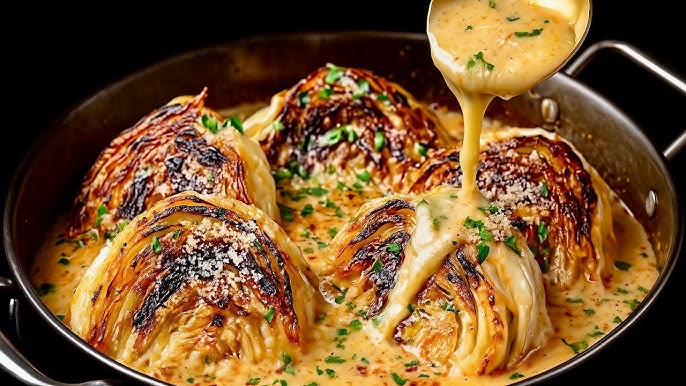
Few side dishes deliver comfort, simplicity, and bold flavor like a perfectly cooked melting cabbage recipe. When cabbage is slowly roasted or braised until soft, golden, and buttery, it transforms into a deeply satisfying dish with tender layers and caramelized edges. This recipe turns humble cabbage into a restaurant-quality favorite using simple ingredients and an easy cooking method.
Whether served beside roasted chicken, grilled meats, fish, or enjoyed as a vegetarian centerpiece, melting cabbage is one of the most delicious ways to prepare this underrated vegetable. The texture becomes silky, the flavor turns slightly sweet, and every bite is infused with savory richness.
Why This Melting Cabbage Recipe Works
Traditional cabbage recipes often rely on boiling or sautéing, but slow roasting allows the cabbage to fully develop flavor. The leaves soften gradually while the outer edges brown beautifully. The result is a dish that feels elegant while remaining affordable and easy to prepare.
This method creates:
- Tender, melt-in-your-mouth cabbage
- Golden caramelized edges
- Rich buttery flavor
- Natural sweetness from roasting
- A simple side dish with gourmet appeal
Ingredients You’ll Need
To make the best melting cabbage recipe, gather these fresh and simple ingredients.
Main Ingredients
- 1 large green cabbage
- 3 tablespoons unsalted butter, melted
- 2 tablespoons olive oil
- 3 cloves garlic, minced
- 1 teaspoon salt
- 1/2 teaspoon black pepper
- 1 teaspoon paprika (optional for warmth)
- 1 cup vegetable broth or chicken broth
- 1 tablespoon lemon juice
- 2 tablespoons fresh parsley, chopped
Optional Flavor Additions
- Parmesan cheese
- Red pepper flakes
- Fresh thyme
- Bacon bits
- Onion powder
- Dijon mustard
These additions can deepen the flavor while keeping the core recipe intact.
How to Choose the Best Cabbage
For the most tender and flavorful result, select:
- A firm, heavy cabbage
- Tight leaves with no browning
- Bright green outer leaves
- Medium to large size for thick wedges
Fresh cabbage holds moisture better during roasting and develops superior texture.
Step-by-Step Guide for Melting Cabbage
Melting Cabbage is a simple and delicious side dish where cabbage becomes tender, buttery, and full of flavor after roasting or braising.
Step 1: Prepare the Cabbage
Remove any damaged outer leaves from the cabbage. Cut it into thick wedges or round slices, keeping the core attached so the pieces stay together. Pat dry before cooking.
Step 2: Season the Cabbage
Place the cabbage pieces on a baking tray or in a large skillet. Brush both sides with melted butter or olive oil. Sprinkle with salt and black pepper. Add minced garlic or herbs if desired for extra flavor.
Step 3: Sear or Roast for Color
If using a skillet, cook the cabbage over medium heat until each side turns golden brown. If roasting, place in a preheated oven at 400°F (200°C) for about 15 minutes until lightly browned.
Step 4: Add Broth and Cook Until Tender
Pour the broth around the cabbage pieces. Return the tray to the oven or cover the skillet with a lid. Cook for another 20–25 minutes until the cabbage becomes very soft and almost silky. This is what gives it the “melting” texture.
Step 5: Finish and Serve
Remove from heat and spoon some of the cooking juices over the cabbage. Add a squeeze of lemon juice or extra butter if you like. Serve warm as a side dish with roasted meat, rice, or potatoes.
Tip: Melting cabbage tastes best when the edges are caramelized and the inside is tender.
What Melting Cabbage Tastes Like
This dish is rich, buttery, savory, and slightly sweet. Roasting softens the sharpness that raw cabbage can have and replaces it with mellow depth.
The outer leaves become crisp and browned while the inside becomes soft and delicate.
Expert Tips for Perfect Melting Cabbage
Use Thick Wedges
Thin slices cook too fast and fall apart. Thick wedges stay intact and develop better texture.
Do Not Skip the Covered Stage
The first covered roast softens the cabbage thoroughly.
Use Real Butter
Butter gives the signature richness that makes cabbage taste luxurious.
Baste During Cooking
Spooning pan juices over the cabbage adds flavor and moisture.
Finish with Acid
A little lemon juice brightens the richness and balances the sweetness.
Best Variations of Melting Cabbage Recipe
Garlic Parmesan Melting Cabbage
Add Parmesan during the last 10 minutes of roasting.
Spicy Melting Cabbage
Use cayenne or red pepper flakes.
Herb Butter Cabbage
Mix rosemary, thyme, and parsley into the butter.
Bacon Cabbage
Top with crispy bacon before serving.
Vegan Version
Replace butter with olive oil or plant-based butter and use vegetable broth.
What to Serve with Melting Cabbage
This dish pairs perfectly with:
- Roast chicken
- Steak
- Pork chops
- Grilled salmon
- Rice bowls
- Mashed potatoes
- Lentils
- Crusty bread
It works equally well as a holiday side or weeknight dinner addition.
How to Store Leftovers
Allow cabbage to cool fully before refrigerating.
Store in an airtight container for up to 4 days.
Reheat in the oven at 375°F (190°C) for best texture, or microwave gently.
Can You Freeze It?
Yes. Freeze cooled portions in airtight containers for up to 2 months.
Thaw overnight in the refrigerator before reheating.
Texture may soften slightly after freezing, but flavor remains excellent.
Common Mistakes to Avoid
Overcrowding the Pan
Crowding causes steaming instead of roasting.
Cutting Too Thin
Thin slices lose structure.
Not Enough Seasoning
Cabbage needs salt and fat to shine.
Skipping Final Browning
The uncovered roast creates the best flavor.
Nutrition Benefits of Cabbage
Cabbage is naturally rich in:
- Fiber
- Vitamin C
- Vitamin K
- Antioxidants
- Low calories
This recipe turns a healthy vegetable into a deeply satisfying dish without complicated ingredients.
FAQs about Melting Cabbage Recipe
1. What is melting cabbage?
Melting cabbage is a simple dish where cabbage wedges or slices are roasted or cooked slowly until they become very tender, slightly caramelized, and full of flavor. The term “melting” refers to the soft texture that almost melts in your mouth.
2. What type of cabbage works best for this recipe?
Green cabbage is the most common choice because it becomes sweet and tender when cooked. However, savoy cabbage also works well and gives a slightly softer texture. Red cabbage can be used too, though the flavor and color will be different.
3. Why is my melting cabbage not getting tender?
If your cabbage is not becoming tender, it may need more cooking time or a little extra moisture. Cooking it at the right temperature and covering it for part of the time can help soften the leaves. Cutting the wedges evenly also helps them cook more consistently.
4. What flavors go well with melting cabbage?
Melting cabbage pairs well with butter, olive oil, garlic, onion, lemon, parmesan, and herbs like thyme or parsley. You can also add broth, chili flakes, or bacon for extra flavor.
5. How do I store and reheat melting cabbage?
Store leftover melting cabbage in an airtight container in the refrigerator for up to 3 days. Reheat it in the oven, skillet, or microwave until warmed through. The oven or skillet usually helps keep the best texture.
Final Thoughts
This melting cabbage recipe proves that simple vegetables can become extraordinary with the right method. Slow roasting transforms cabbage into a buttery, tender, deeply flavorful side dish with golden edges and soft layers. It is affordable, easy, elegant, and ideal for everyday meals or special dinners.
Once made, this recipe often becomes a repeat favorite because it delivers maximum flavor with minimal effort.
You wrote: “and at the end of the article always write this,” but no ending text was included. Send the exact phrase you’d like added, and I’ll append it perfectly.