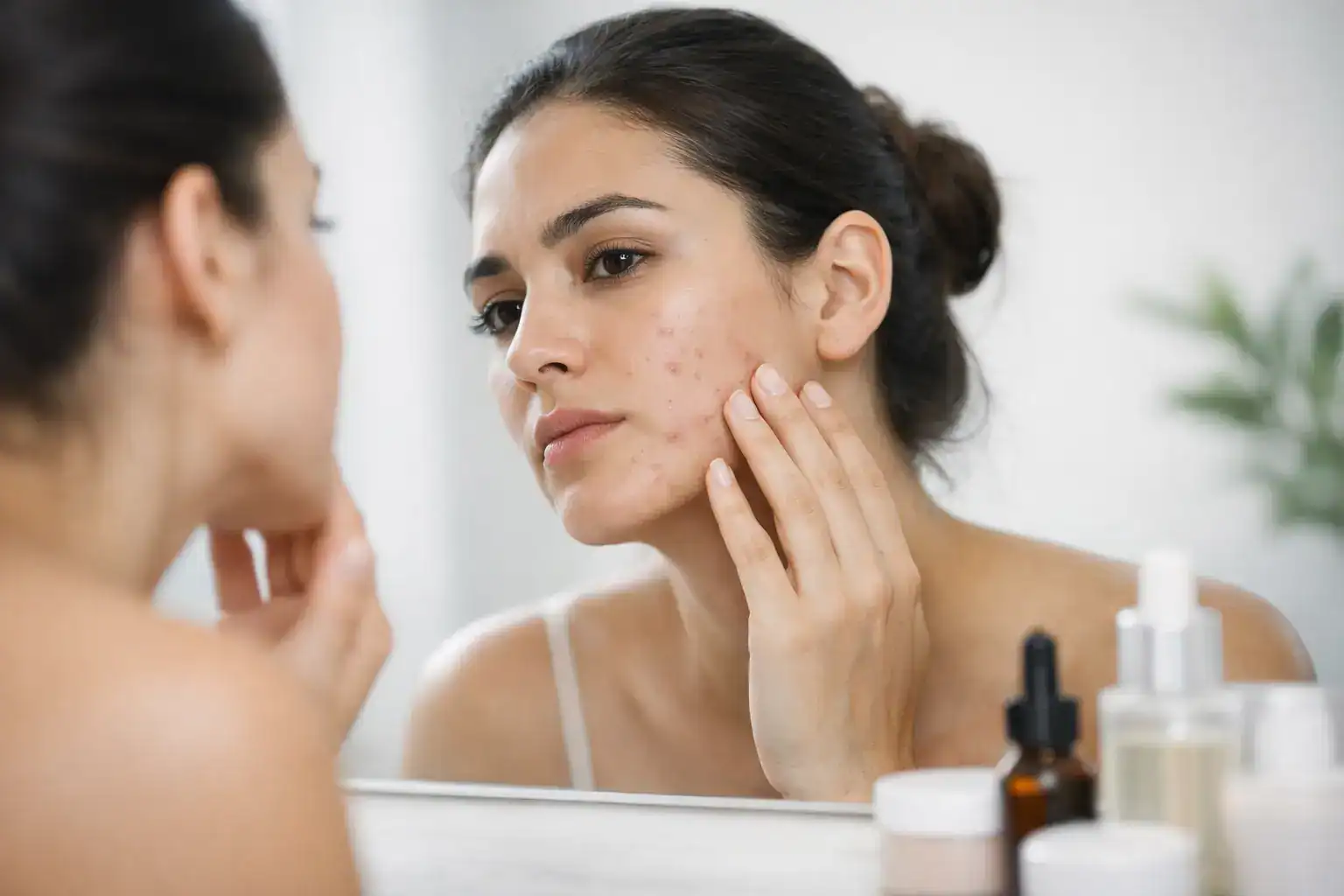
Melasma is a common skin condition that causes dark, uneven patches on the face, often affecting the cheeks, forehead, nose, and upper lip. Although melasma is harmless, its appearance can affect skin confidence and overall complexion. Understanding melasma diagnosis and treatment is essential for managing pigmentation, preventing further discoloration, and maintaining healthier-looking skin.
We recognize that effective melasma treatment requires identifying the underlying triggers, selecting suitable skincare products, and following a consistent treatment plan. With appropriate dermatological care, individuals can significantly reduce visible pigmentation and improve skin tone.
What Is Melasma?
Melasma is a chronic pigmentation disorder characterized by brown, gray-brown, or occasionally bluish-gray patches on the skin. It develops when melanocytes, the cells responsible for producing melanin, become overactive and produce excess pigment.
The condition commonly affects areas exposed to sunlight, particularly the face. Although anyone can develop melasma, it occurs more frequently in women, individuals with darker skin tones, and people experiencing hormonal changes.
Unlike some other forms of hyperpigmentation, melasma can be persistent and recurrent, making proper diagnosis and long-term treatment essential.
How Is Melasma Diagnosed?
Dermatologists typically diagnose melasma through a detailed examination of the skin and a review of medical history. Because several skin conditions cause similar discoloration, an accurate diagnosis helps determine the most appropriate treatment.
Common Methods Used to Diagnose Melasma
We recommend professional dermatological evaluation when facial pigmentation becomes persistent or changes unexpectedly.
The following diagnostic methods may be used:
1. Visual Skin Examination: A dermatologist examines the location, pattern, and appearance of dark patches to identify characteristics associated with melasma.
2. Medical History Assessment: We consider factors such as pregnancy, hormonal medications, sun exposure, family history, and previous skincare treatments.
3. Wood’s Lamp Examination: A specialized ultraviolet light may help highlight certain pigmentation patterns, although its accuracy varies with skin tone and the depth of pigmentation.
4. Dermoscopy: A dermatologist may use a magnifying instrument to examine pigmentation patterns and identify features that distinguish melasma from other skin conditions.
5. Skin Biopsy: Rarely, a small skin sample may be collected when the diagnosis remains uncertain or another condition is suspected.
Professional diagnosis helps distinguish melasma from post-inflammatory hyperpigmentation, sunspots, and other pigmentation disorders that may require different treatment approaches.
What Causes Melasma?
Melasma develops through a combination of genetic, hormonal, and environmental influences. Understanding these factors is important for selecting effective treatment and reducing recurrence.
Major Factors That Trigger Melasma
- Sun Exposure: Ultraviolet radiation stimulates melanin production and can make existing dark patches more noticeable.
- Hormonal Changes: Pregnancy, hormonal contraceptives, and certain hormone therapies may contribute to melasma development.
- Genetic Predisposition: Individuals with a family history of melasma may have an increased likelihood of developing the condition.
- Visible Light Exposure: Visible light, particularly from sunlight, can worsen pigmentation, especially in darker skin tones.
- Skin Irritation: Harsh skincare products and inflammatory reactions may aggravate discoloration.
Although hormonal influences are common, melasma does not always indicate an underlying hormonal disorder.
Best Treatment Options for Melasma
The most effective melasma treatment for the face usually combines sun protection, topical medications, and carefully selected dermatological procedures. Treatment effectiveness depends on pigmentation severity, skin sensitivity, and individual triggers.
1. Topical Creams for Melasma
Topical treatments are frequently recommended as the first approach to managing melasma.
Common ingredients include:
- Hydroquinone: A prescription-strength skin-lightening ingredient that reduces excess melanin production. It is generally used for limited periods under medical supervision.
- Azelaic Acid: Helps improve uneven pigmentation and may be suitable for individuals with sensitive or acne-prone skin.
- Tretinoin: A topical retinoid that supports skin-cell turnover and can improve pigmentation when included in a supervised treatment regimen.
- Kojic Acid: An ingredient used in certain pigmentation products to help reduce excess melanin formation.
- Vitamin C: An antioxidant that supports brighter-looking skin and may help reduce the appearance of discoloration.
We emphasize that consistent application and professional guidance are important because aggressive treatment can cause irritation and worsen pigmentation.
2. Triple Combination Cream for Melasma
A dermatologist may prescribe a triple combination cream containing hydroquinone, tretinoin, and a mild corticosteroid.
This combination targets excess pigmentation through several mechanisms while helping control inflammation associated with treatment.
Triple combination therapy can be particularly effective for facial melasma. However, prolonged or unsupervised use may increase the risk of skin irritation, thinning, and other adverse effects.
Treatment duration and maintenance strategies should therefore be determined by a qualified dermatologist.
3. Chemical Peels for Melasma
Chemical peels use controlled exfoliation to improve the appearance of certain pigmentation concerns.
Dermatologists may consider superficial peels containing ingredients such as glycolic acid or salicylic acid for selected patients.
Potential benefits include improved skin texture, reduced surface discoloration, and enhanced results when combined with suitable topical treatments.
However, chemical peels are not appropriate for everyone. Excessively strong peels may trigger post-inflammatory hyperpigmentation, particularly in darker skin tones.
We recommend professional assessment before undergoing any chemical peel for melasma.
4. Laser and Light-Based Treatments
Laser treatments may be considered for resistant melasma that has not responded adequately to conventional treatment.
Certain laser and light-based procedures target pigmentation within the skin. However, results can vary, and some procedures carry a significant risk of worsening pigmentation or causing recurrence.
For this reason, laser treatment for melasma should be approached cautiously, particularly in people with darker complexions.
An experienced dermatologist can determine whether a procedure is suitable and explain the potential benefits and limitations.
5. Oral Treatments for Stubborn Melasma
In selected cases, dermatologists may prescribe oral tranexamic acid for difficult-to-treat melasma.
This medication can help reduce pigmentation in some patients, but its use for melasma is off-label in many countries.
Because tranexamic acid may increase the risk of blood clots in susceptible individuals, careful medical screening is necessary before treatment.
It should never be used for melasma without appropriate medical supervision.
How to Prevent Melasma From Getting Worse
Preventing melasma recurrence is a central part of successful pigmentation management. Even after visible improvement, sunlight and hormonal influences may trigger new dark patches.
Essential Daily Skincare Habits for Melasma
We recommend incorporating the following practices into a consistent skincare routine:
- Apply Broad-Spectrum Sunscreen: Choose SPF 30 or higher and reapply regularly when outdoors.
- Use Tinted Sunscreen: Products containing iron oxides help protect against visible light that can worsen melasma.
- Avoid Excessive Sun Exposure: Seek shade and wear wide-brimmed hats during outdoor activities.
- Choose Gentle Skincare Products: Avoid harsh scrubs, irritating fragrances, and unnecessary exfoliation.
- Maintain Consistent Treatment: Follow dermatologist-recommended skincare routines rather than frequently switching products.
- Review Hormonal Triggers: Discuss possible medication-related pigmentation with a healthcare professional before making changes.
Daily protection is especially important because melasma can return even after successful treatment.
How Long Does Melasma Treatment Take to Work?
Melasma treatment requires patience because pigmentation develops within the skin and may respond gradually.
Many individuals begin noticing improvement after approximately 8 to 12 weeks of consistent topical treatment, although some cases require several months.
The expected results depend on factors such as pigmentation severity, treatment selection, skin type, and adherence to sun protection.
Melasma associated with pregnancy may fade after delivery, but it can also persist.
We encourage realistic expectations because complete and permanent clearance is not always possible. Long-term maintenance often remains necessary.
Can Melasma Be Permanently Cured?
Melasma is generally considered a chronic condition rather than one with a guaranteed permanent cure.
Modern dermatological treatments can substantially improve discoloration, but recurring pigmentation remains possible, particularly with continued exposure to triggering factors.
The most sustainable approach involves combining effective pigmentation treatment, regular sunscreen application, and ongoing skincare maintenance.
We also recognize that treatment plans may need adjustment over time to maintain improvements without causing unnecessary irritation.
When Should You See a Dermatologist for Melasma?
Although melasma is not dangerous, professional evaluation is important when pigmentation persists, spreads, or affects confidence.
A dermatologist should also assess discoloration that develops suddenly, appears unusual, or does not resemble typical symmetrical melasma patches.
Signs That Require Professional Skin Assessment
Consider consulting a dermatologist when:
- Dark facial patches continue spreading despite regular sunscreen use.
- Over-the-counter pigmentation treatments produce little improvement.
- Skincare products cause persistent burning, redness, or irritation.
- Discoloration appears in unusual patterns or changes rapidly.
- A pigmented spot becomes raised, bleeds, or changes in shape or color.
A professional assessment helps establish an accurate diagnosis and prevents inappropriate treatments that could worsen pigmentation.
Choosing the Right Melasma Treatment for Your Skin Type
Different skin types respond differently to pigmentation treatments. A treatment that works well for one individual may irritate another person’s skin.
For individuals with darker complexions, preventing inflammation is especially important because irritation can trigger additional hyperpigmentation.
Sensitive skin may benefit from gentler topical ingredients introduced gradually, while more persistent melasma may require prescription combination therapies.
We recommend choosing treatments based on skin type, medical history, pigmentation severity, and professional dermatological guidance rather than relying on aggressive skin-lightening products.
A personalized approach supports safer treatment, improved skin comfort, and more sustainable results.
FAQs about Melasma Treatment
1. What Is the Best Treatment for Melasma?
The best melasma treatment depends on your skin type, pigmentation severity, and underlying causes. Dermatologists commonly recommend hydroquinone, azelaic acid, tretinoin, and other prescription treatments to reduce dark patches.
2. Can Melasma Be Permanently Cured?
Melasma is a chronic skin condition that can be managed effectively, but there is no guaranteed permanent cure. Consistent sun protection and appropriate skincare help prevent recurrence.
3. How Long Does Melasma Treatment Take to Work?
Most melasma treatments require approximately 8–12 weeks to show noticeable improvement. However, results vary depending on treatment type, skin condition, and consistency.
4. Can Melasma Be Treated Naturally?
Some gentle skincare ingredients may support healthier skin, but natural remedies have limited evidence for treating melasma. We recommend dermatologist-approved treatments for safer, more reliable results.
5. Is Laser Treatment Effective for Melasma?
Laser treatment for melasma may improve pigmentation in selected patients. However, it can sometimes worsen discoloration or cause recurrence, particularly in darker skin tones. Professional assessment is essential.
6. Does Sunscreen Help Prevent Melasma?
Yes. Daily use of broad-spectrum SPF 30 or higher sunscreen, preferably tinted with iron oxides, helps protect against UV and visible light that can worsen melasma.
7. What Causes Melasma to Return After Treatment?
Melasma can return because of sun exposure, hormonal changes, pregnancy, and inadequate sun protection. Long-term maintenance is important.
8. Can Melasma Treatment Work for All Skin Types?
Yes, melasma treatments are available for different skin types. However, treatment selection must consider skin sensitivity and pigmentation risks to avoid irritation or worsening discoloration.
9. Should I See a Dermatologist for Melasma?
Yes. A qualified dermatologist can confirm the diagnosis, identify triggers, and recommend a personalized melasma treatment plan for safer, longer-lasting results.
Conclusion
Melasma diagnosis and treatment require a combination of accurate skin assessment, targeted pigmentation therapies, and consistent sun protection. Although melasma can be persistent, effective treatments such as hydroquinone, azelaic acid, prescription combination creams, and selected dermatological procedures can significantly improve its appearance.
We emphasize that long-term results depend on addressing pigmentation triggers, avoiding skin irritation, and maintaining a protective skincare routine. With professional guidance and consistent care, managing melasma and achieving a more even-looking complexion becomes more attainable.