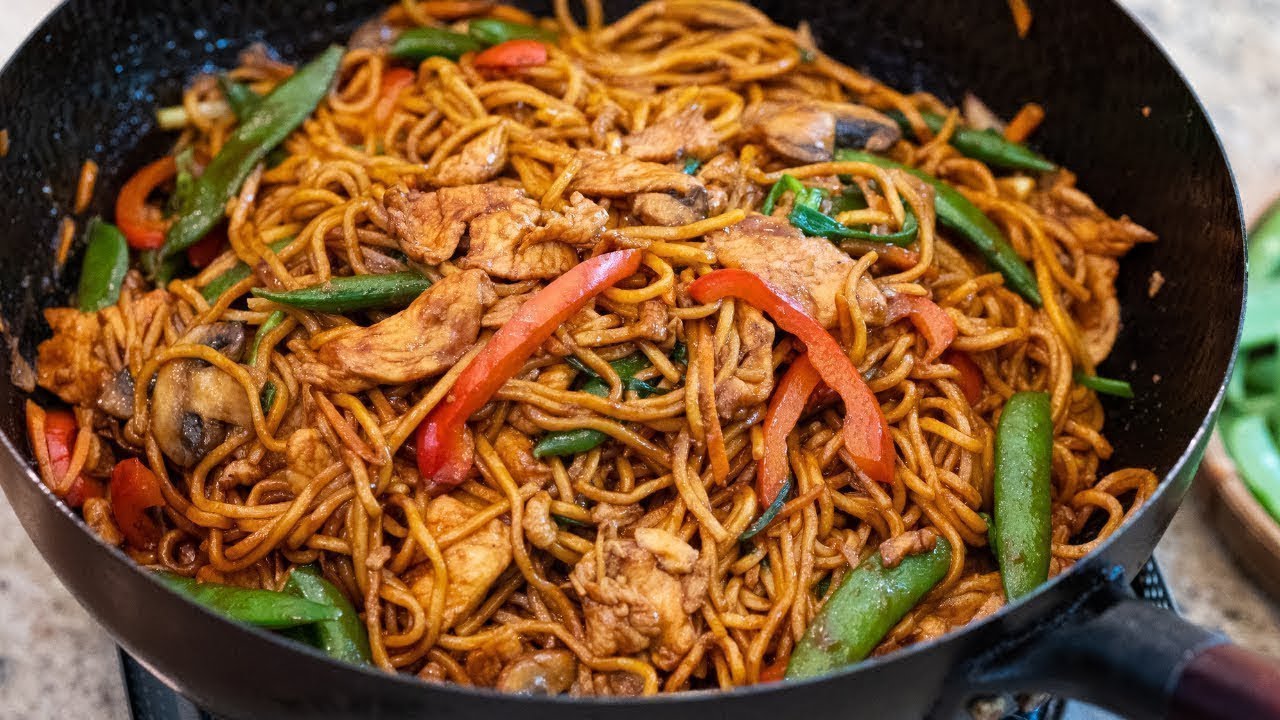
Lo Mein Noodles Recipe: When we talk about classic comfort food with bold flavor and irresistible texture, Lo Mein Noodles stand at the top. This iconic Chinese-inspired dish combines soft wheat noodles, savory sauce, and perfectly stir-fried vegetables or protein to create a meal that is both satisfying and incredibly versatile.
We focus on achieving restaurant-quality results at home, ensuring every strand of noodle is coated in a rich, umami-packed sauce. With the right technique, we create a dish that is silky, flavorful, and perfectly balanced.
Ingredients You’ll Need for Lo Mein Noodles
To create a truly authentic and delicious Lo Mein recipe, we use fresh, simple, and well-balanced ingredients.
For the Noodles
- 250g egg noodles or wheat noodles
- Water for boiling
- 1 teaspoon salt
For the Sauce
- 3 tablespoons soy sauce
- 1 tablespoon dark soy sauce (for color and depth)
- 1 tablespoon oyster sauce
- 1 teaspoon sesame oil
- 1 teaspoon sugar
- ½ teaspoon ground black pepper
- 2 tablespoons water or chicken broth
For the Stir-Fry
- 2 tablespoons vegetable oil
- 2 cloves garlic (finely minced)
- 1 teaspoon fresh ginger (grated)
- 1 cup cabbage (shredded)
- 1 carrot (julienned)
- ½ cup bell peppers (sliced)
- ½ cup spring onions
- 1 cup cooked chicken, beef, shrimp, or tofu (optional)
Step-by-Step Guide to Making Lo Mein Noodles
Step 1 – Cook the Noodles Perfectly
We begin by bringing a pot of water to a rolling boil. Add salt and cook the noodles according to package instructions until they are just tender but still firm (al dente).
Drain immediately and rinse under cold water to stop the cooking process. Toss lightly with a few drops of oil to prevent sticking.
Step 2 – Prepare the Signature Sauce
In a bowl, combine:
- Soy sauce
- Dark soy sauce
- Oyster sauce
- Sesame oil
- Sugar
- Black pepper
- Water or broth
Whisk until fully blended. This sauce is the heart of the dish, delivering the deep savory flavor and glossy finish.
Step 3 – Heat the Wok for Maximum Flavor
We heat a wok or large pan over high heat. Add vegetable oil and allow it to shimmer.
Add garlic and ginger, stirring quickly for a few seconds until fragrant. This step builds the aromatic base that defines authentic Lo Mein.
Step 4 – Stir-Fry the Vegetables
Add the vegetables:
- Cabbage
- Carrots
- Bell peppers
Stir-fry rapidly for 2–3 minutes. The goal is to keep them crisp-tender, not soft. This ensures the dish has texture and freshness.
Step 5 – Add Protein (Optional but Recommended)
If using chicken, beef, shrimp, or tofu, add it at this stage. Stir-fry until heated through and slightly caramelized.
This step enhances the dish with rich flavor and satisfying protein balance.
Step 6 – Combine Noodles and Sauce
Add the cooked noodles into the wok. Pour the prepared sauce evenly over the noodles.
Using tongs or chopsticks, toss everything together until:
- The noodles are fully coated
- The sauce thickens slightly
- The mixture becomes glossy and aromatic
Step 7 – Finish with Fresh Aromatics
Add spring onions and toss briefly. This final touch adds:
- Freshness
- Color contrast
- Mild sharp flavor
Serve immediately while hot.
Pro Tips for Perfect Lo Mein Every Time
Use High Heat
Cooking on high heat ensures the noodles develop a slight smoky flavor, often referred to as “wok hei.”
Do Not Overcook Noodles
Overcooked noodles become mushy. Always aim for firm and springy texture.
Balance the Sauce
A perfect Lo Mein sauce should be:
- Savory
- Slightly sweet
- Deeply umami
Adjust soy sauce or sugar to taste.
Avoid Overcrowding the Pan
Cook in batches if necessary to maintain even heat distribution.
Variations of Lo Mein Noodles
Chicken Lo Mein
Tender slices of chicken breast create a protein-rich and satisfying meal.
Vegetable Lo Mein
A lighter option packed with nutrients and vibrant flavors.
Shrimp Lo Mein
Adds a delicate seafood sweetness that pairs beautifully with the sauce.
Beef Lo Mein
Thinly sliced beef provides a rich and hearty flavor profile.
Nutritional Benefits of Lo Mein Noodles
Lo Mein can be a balanced meal when prepared thoughtfully:
- Carbohydrates from noodles provide energy
- Vegetables add fiber and vitamins
- Protein supports muscle health
- Healthy fats from sesame oil enhance nutrient absorption
We can make it healthier by:
- Using whole wheat noodles
- Reducing sodium in the sauce
- Increasing vegetable quantity
Common Mistakes to Avoid
- Skipping the rinse after boiling noodles – leads to sticky texture
- Using too much sauce – overwhelms the dish
- Cooking on low heat – results in soggy noodles
- Overloading vegetables – prevents proper stir-frying
Precision and timing are key to achieving restaurant-quality Lo Mein.
Serving Suggestions
We serve Lo Mein as:
- A standalone main dish
- A side with fried rice or dumplings
- Paired with grilled or roasted meats
Garnish options:
- Sesame seeds
- Chili flakes
- Fresh herbs
Storage and Reheating Tips
- Store leftovers in an airtight container for up to 3 days
- Reheat in a pan over medium heat with a splash of water
- Avoid microwaving for best texture
FAQs about Lo Mein Noodles Recipe
1. What are lo mein noodles?
Lo mein noodles are a popular Chinese-style dish made with soft wheat noodles tossed with vegetables, protein, and a savory sauce.
2. What ingredients are used in a lo mein noodles recipe?
A typical recipe includes lo mein noodles, soy sauce, garlic, ginger, vegetables like carrots and cabbage, and a protein such as chicken, beef, shrimp, or tofu.
3. What is the difference between lo mein and chow mein?
Lo mein noodles are boiled and then tossed with sauce, while chow mein noodles are usually stir-fried until slightly crispy.
4. Can I use other types of noodles?
Yes, you can substitute with spaghetti, ramen noodles, or other similar noodles if lo mein noodles are not available.
5. What sauce is used for lo mein?
The sauce is typically made from soy sauce, oyster sauce, sesame oil, and sometimes a bit of sugar and cornstarch for thickness.
6. How do I keep lo mein noodles from sticking together?
After cooking, rinse or toss the noodles with a little oil and mix them well with the sauce to prevent sticking.
7. Can I make lo mein noodles ahead of time?
Yes, you can prepare it ahead and store it in the refrigerator for up to 3 days. Reheat in a pan or microwave before serving.
Conclusion
With the right ingredients, technique, and attention to detail, we create exceptional Lo Mein noodles that rival any restaurant dish. Every step—from boiling the noodles to balancing the sauce—contributes to a perfect harmony of flavor, texture, and aroma.
By mastering this method, we unlock a dish that is quick, customizable, and consistently delicious, making it a staple recipe worth perfecting.