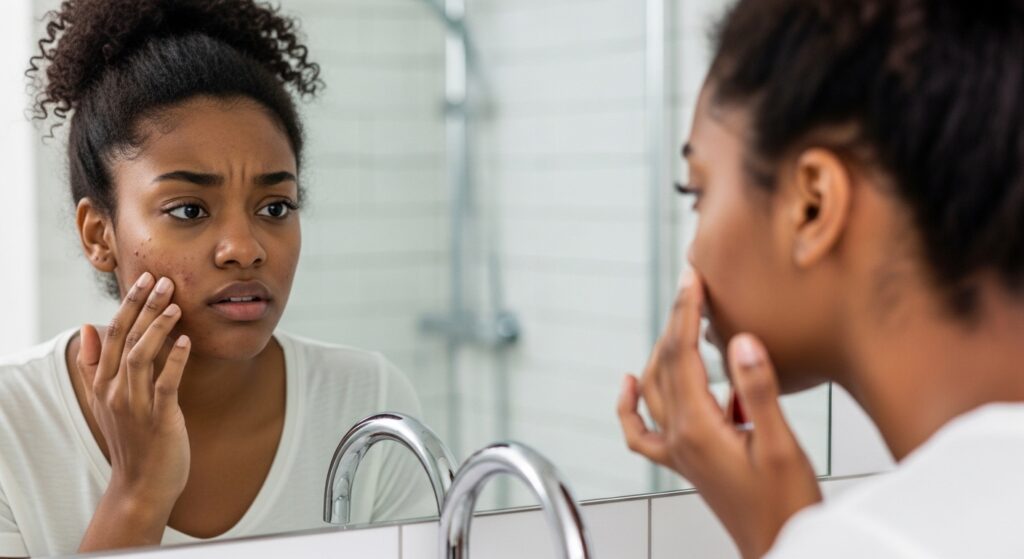
Choosing the best microneedling treatment for large pores requires careful consideration of skin type, treatment methods, professional expertise, and individual skincare goals. Microneedling is a minimally invasive cosmetic procedure that stimulates collagen production, improves skin texture, and may reduce the appearance of enlarged pores.
Although pores cannot be permanently closed or eliminated, professional microneedling can help improve the firmness and smoothness of the surrounding skin. We recommend selecting a personalized treatment plan that prioritizes safety, effectiveness, and sustainable skin improvement.
Understand Your Skin Type and Pore Concerns
Before selecting microneedling for enlarged pores, we recommend identifying the underlying factors contributing to visible pores. Excessive oil production, reduced skin elasticity, genetics, sun damage, and ageing can influence pore size and appearance.
Different skin types require different treatment approaches:
- Oily skin: Microneedling may improve uneven texture, although additional skincare may be necessary to control excess oil.
- Dry skin: Treatment should be supported by adequate hydration and skin barrier protection.
- Combination skin: Customized treatment can address areas with more prominent pores.
- Sensitive skin: Conservative treatment settings may help minimize irritation.
- Mature skin: Collagen-stimulating treatments may improve firmness and reduce pore visibility.
- Acne-prone skin: Active inflammatory acne should be assessed and treated before undergoing microneedling.
A professional skin assessment helps determine the most suitable approach while reducing the likelihood of complications.
Compare Different Types of Microneedling for Large Pores
Selecting the appropriate microneedling technique is essential for achieving noticeable improvements in skin texture. Each treatment method offers different benefits depending on individual skin concerns.
Traditional Microneedling
Traditional microneedling uses fine needles to create controlled micro-injuries in the skin, stimulating its natural repair process and encouraging collagen production.
This treatment may be suitable for individuals experiencing enlarged pores, mild acne scars, uneven skin texture, and reduced skin elasticity.
Radiofrequency Microneedling
Radiofrequency (RF) microneedling combines microneedling with radiofrequency energy to stimulate tissue remodelling. It may benefit individuals with enlarged pores associated with reduced skin firmness.
However, RF microneedling carries additional risks, including burns, scarring, fat loss, and nerve damage. We recommend a thorough consultation with an experienced dermatologist before choosing this procedure. FDA+1
Microneedling Pen Treatments
Professional microneedling pens feature adjustable settings that allow practitioners to customize treatment according to facial areas and skin conditions. This flexibility makes them a practical option for addressing visible pores around the nose, cheeks, forehead, and chin.
Consider the Qualifications of the Microneedling Specialist
Choosing a qualified professional is one of the most important steps when considering microneedling for large facial pores. Experienced dermatologists can assess skin conditions, identify potential risks, and recommend appropriate treatment methods.
We recommend evaluating the following factors before booking an appointment:
- Professional qualifications and medical credentials.
- Experience treating enlarged pores.
- Knowledge of different skin tones and types.
- Quality and safety of treatment equipment.
- Patient reviews and authentic before-and-after photographs.
- Availability of personalized treatment plans.
- Hygiene and sterilization standards.
A reputable provider should explain the expected results, possible side effects, treatment costs, and recovery requirements before beginning the procedure.
Choose the Appropriate Microneedling Needle Depth
Needle depth plays an important role in treatment safety and effectiveness. Professional practitioners adjust penetration depth according to skin thickness, pore visibility, treatment location, and individual tolerance.
Deeper penetration does not necessarily produce better results. Excessively aggressive treatment can increase inflammation, pigmentation changes, and scarring.
We recommend allowing a qualified specialist to determine the appropriate settings rather than attempting to replicate professional treatments at home.
Evaluate Microneedling Equipment and Safety Standards
The quality of microneedling equipment can significantly influence the treatment experience. Professional clinics should use appropriately regulated devices designed for their intended medical or cosmetic applications.
High-quality microneedling equipment should support controlled needle penetration, consistent performance, and hygienic treatment procedures.
We recommend confirming that the clinic uses sterile, single-use needle cartridges for every treatment session. Reusing needle cartridges can increase the risk of infection and cross-contamination. FDA+1
Determine the Number of Microneedling Sessions Required
The number of microneedling sessions needed for enlarged pores depends on skin condition, treatment response, and desired improvements.
Many individuals undergo an initial course of approximately three to six microneedling sessions, although pore-specific treatment requirements vary. Sessions are generally scheduled several weeks apart to accommodate skin recovery and collagen development.
Results typically develop gradually rather than immediately. We recommend discussing a realistic treatment timeline with a dermatologist and evaluating progress before committing to additional sessions.
Compare Microneedling Costs and Treatment Packages
The cost of microneedling for large pores varies depending on the treatment technique, clinic location, practitioner experience, equipment, and number of sessions required.
Traditional microneedling is generally more affordable than radiofrequency microneedling. Some clinics also provide treatment packages that reduce the overall cost of multiple sessions.
When comparing prices, we recommend considering consultation fees, aftercare products, follow-up appointments, and potential maintenance treatments. Affordable treatment should never come at the expense of professional expertise or patient safety.
Review Microneedling Before-and-After Results
Before-and-after photographs can provide valuable insight into the potential effectiveness of microneedling for enlarged pores.
We recommend reviewing results from individuals with similar skin tones, skin textures, and pore concerns. Photographs should feature consistent lighting, camera angles, and minimal editing to provide a realistic representation of treatment outcomes.
Individual results may differ depending on collagen production, age, genetics, sun exposure, and skincare habits.
Understand Microneedling Risks and Side Effects
Although professional microneedling is generally well tolerated by suitable candidates, temporary side effects may include redness, swelling, sensitivity, dryness, and mild discomfort.
More significant complications can include infection, pigmentation changes, and scarring. Individuals with active skin infections, poor wound healing, or a tendency to develop keloid scars may not be suitable candidates.
We recommend disclosing existing skin conditions, medications, allergies, and previous cosmetic procedures during the initial consultation.
Consider Recovery Time and Microneedling Aftercare
Proper aftercare supports skin recovery and helps minimize complications following microneedling treatment.
A gentle skincare routine should include a mild facial cleanser, fragrance-free moisturizer, and broad-spectrum sunscreen with SPF 30 or higher when appropriate after treatment.
Harsh exfoliants, retinoids, strong skincare acids, and irritating products should be avoided until the skin has recovered and the treating professional approves their use.
We also recommend avoiding unnecessary sun exposure, picking at healing skin, and applying makeup before the recommended recovery period has passed.
Choose Professional Microneedling Over At-Home Treatments
While at-home dermarollers may appear convenient and affordable, they generally do not provide the same results as professionally administered microneedling.
Improper use can damage the skin barrier and increase the risk of infection, irritation, and discoloration.
Professional treatments offer greater control over treatment intensity and allow specialists to monitor skin responses. We recommend consulting a dermatologist for persistent enlarged pores rather than relying on aggressive home microneedling techniques. American Academy of Dermatology+1
Maintain Results With an Effective Skincare Routine
Long-term improvements in pore appearance require consistent skincare. Microneedling may improve skin texture, but managing excess oil, preventing sun damage, and maintaining adequate hydration remain essential.
Non-comedogenic moisturizers, appropriate facial cleansers, and daily sunscreen can support healthier-looking skin. Dermatologist-recommended ingredients such as niacinamide, salicylic acid, and retinoids may also help address specific factors contributing to enlarged pores once the skin has fully recovered.
FAQs about How to Choose Microneedling for Large Pores
1. How Do I Choose the Best Microneedling Treatment for Large Pores?
We recommend choosing a professional microneedling treatment based on your skin type, pore appearance, and individual concerns. A qualified dermatologist can assess your skin and recommend an appropriate treatment plan.
2. Is Microneedling Effective for Large Pores?
Yes, microneedling for large pores may improve their appearance by stimulating collagen production and improving skin texture. However, results vary, and the treatment cannot permanently eliminate pores.
3. What Type of Microneedling Is Best for Large Pores?
Traditional microneedling and radiofrequency (RF) microneedling are commonly considered options. The best choice depends on your skin condition, treatment goals, and professional assessment.
4. How Many Microneedling Sessions Are Needed for Large Pores?
Many patients undergo three to six microneedling sessions, although the number varies. We recommend following a personalized treatment schedule for gradual improvements in skin texture.
5. Is Microneedling Safe for All Skin Types?
Microneedling can be suitable for many skin types. However, individuals with active skin infections, certain inflammatory conditions, or a history of pigmentation problems require careful evaluation before treatment.
6. How Much Does Microneedling for Large Pores Cost?
The cost of microneedling for large pores varies depending on the clinic, location, treatment technology, and number of sessions. We suggest comparing qualified providers rather than choosing solely based on price.
7. What Should I Look for in a Microneedling Clinic?
We recommend checking the provider’s qualifications, treatment experience, hygiene standards, and patient reviews. A reputable clinic should also offer a thorough consultation and clear aftercare instructions.
8. How Long Do Microneedling Results Last?
Results vary depending on skin characteristics, aging, and skincare habits. Maintenance treatments, sun protection, and consistent skincare may help preserve improvements in skin texture.
Conclusion
Choosing the best microneedling treatment for large pores involves evaluating skin type, treatment methods, practitioner qualifications, equipment safety, affordability, and expected results.
We recommend prioritizing professional consultations and personalized treatment plans that address the underlying causes of enlarged pores. With appropriate treatment, realistic expectations, consistent aftercare, and a suitable skincare routine, microneedling may help achieve smoother, firmer, and more refined-looking skin over time.