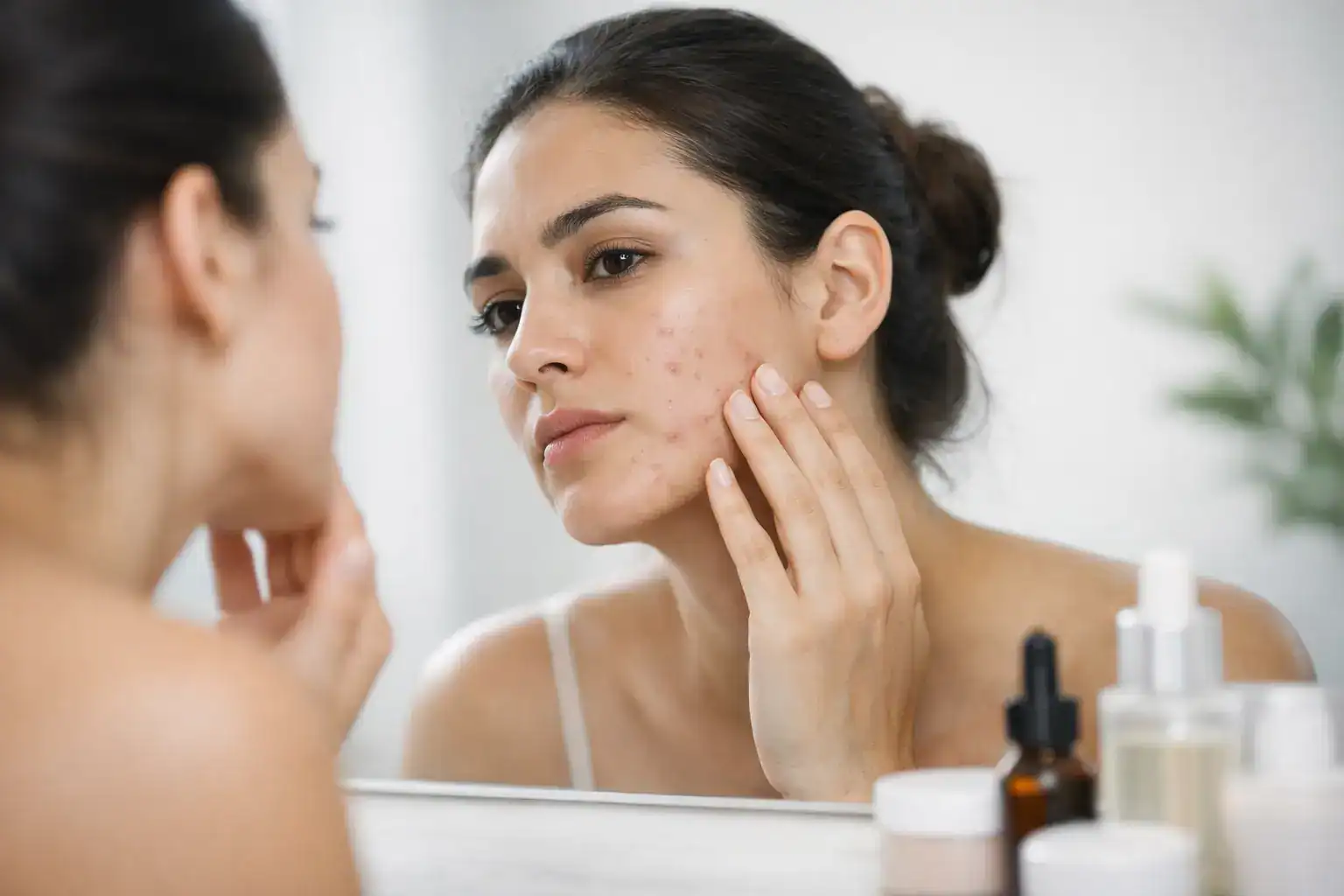
Choosing the right laser skin treatment is essential for improving skin texture, reducing pigmentation, treating acne scars, and achieving a healthier, more youthful appearance. With several laser technologies available, understanding their benefits, safety considerations, and suitability for different skin types helps us make informed decisions.
Whether we want to address wrinkles, sun damage, uneven skin tone, or stubborn scars, selecting the best laser skin treatment requires careful consideration of our skin concerns, treatment goals, and professional recommendations.
In this comprehensive guide, we explore how to choose laser skin treatment, compare available options, and identify important factors that contribute to safe, effective, and long-lasting results.
Understanding Laser Skin Treatment and How It Works
Laser skin treatment is a cosmetic dermatology procedure that uses concentrated light energy to target specific skin concerns. Depending on the technology, laser treatments can stimulate collagen production, remove damaged outer skin layers, or target excess pigmentation and visible blood vessels.
Different laser technologies work at different depths within the skin. Some focus on surface imperfections, while others penetrate deeper layers to support skin rejuvenation.
Common concerns addressed by laser treatments include acne scars, fine lines, wrinkles, uneven pigmentation, sun damage, and certain vascular conditions.
However, not every laser is appropriate for every skin condition. We must consider our skin type, medical history, and desired outcome before selecting a procedure.
Key Factors to Consider When Choosing Laser Skin Treatment
Selecting the right laser skin treatment involves more than comparing prices or choosing a popular cosmetic procedure. We should evaluate several important factors to ensure the treatment matches our individual needs.
1. Identify Your Skin Concerns and Treatment Goals
Before choosing a laser procedure, we should determine which skin problems we want to improve.
Common treatment goals include:
- Acne scar reduction: Improving the appearance of depressed acne scars and uneven skin texture.
- Hyperpigmentation treatment: Addressing certain dark spots, sunspots, and uneven pigmentation.
- Anti-aging treatment: Reducing the appearance of fine lines and wrinkles.
- Skin resurfacing: Improving rough texture and selected superficial imperfections.
- Redness reduction: Targeting certain visible blood vessels and vascular skin concerns.
- Skin rejuvenation: Supporting collagen remodeling and improving overall skin appearance.
Identifying our primary concern helps a dermatologist recommend the most suitable laser technology.
2. Understand Your Skin Type and Tone
Our skin tone plays a significant role in determining which laser procedures may be appropriate.
Some laser systems carry a greater risk of pigmentation changes in darker skin tones because laser energy can interact with melanin.
For individuals with dark or sensitive skin, choosing an experienced dermatologist who understands laser settings, wavelength selection, and pigmentation risks is particularly important.
We should also disclose any history of melasma, post-inflammatory hyperpigmentation, or unusual scarring before treatment.
3. Compare Different Types of Laser Skin Treatments
Understanding the available laser technologies helps us choose a treatment suited to our skin concerns and recovery preferences.
| Laser treatment | Common uses | Recovery considerations |
|---|---|---|
| CO2 laser resurfacing | Deep wrinkles, acne scars, significant skin texture concerns | More substantial downtime |
| Erbium laser resurfacing | Fine lines, superficial wrinkles, skin resurfacing | Recovery varies with treatment depth |
| Fractional laser treatment | Acne scars, wrinkles, uneven texture | Depends on whether treatment is ablative or non-ablative |
| Pulsed dye laser | Facial redness and certain vascular lesions | Temporary redness or bruising may occur |
| Non-ablative laser treatment | Mild skin rejuvenation and selected pigmentation concerns | Generally less downtime |
A dermatologist should determine whether an ablative or non-ablative laser offers the most appropriate balance between effectiveness, recovery time, and safety.
4. Choose a Qualified Dermatologist or Laser Specialist
The experience of the treatment provider is one of the most important factors when choosing laser skin treatment.
We should seek a qualified dermatologist or appropriately trained medical professional with experience treating our specific skin condition and skin tone.
Before undergoing a procedure, we should confirm the provider’s credentials, ask about their experience with the proposed laser, and discuss possible complications.
A reputable clinic should provide a detailed consultation rather than recommend treatment without evaluating our skin.
5. Evaluate Laser Skin Treatment Cost
The cost of laser skin treatment varies depending on the type of laser, treatment area, clinic location, provider expertise, and number of sessions required.
More intensive resurfacing procedures may have higher upfront costs, while gentler treatments may require multiple appointments.
We should request a clear breakdown of consultation fees, treatment sessions, prescribed skincare products, and follow-up care.
Choosing an affordable treatment is important, but safety, professional expertise, and appropriate technology should take priority over the lowest price.
How to Determine the Best Laser Treatment for Your Skin
The best laser treatment depends on the condition being treated and our skin’s response to different technologies.
Laser Treatment for Acne Scars
For certain depressed acne scars, fractional laser resurfacing may stimulate collagen remodeling and improve skin texture.
However, deep ice-pick scars, raised scars, and other scar types may require different procedures or combination treatments.
Laser Treatment for Hyperpigmentation
Certain lasers can help reduce sunspots and specific pigmentation concerns. However, melasma and post-inflammatory hyperpigmentation require particularly careful evaluation because laser treatment can sometimes worsen discoloration.
We should obtain an accurate diagnosis before choosing laser therapy for dark spots.
Laser Treatment for Wrinkles and Fine Lines
Ablative and non-ablative resurfacing lasers can improve selected signs of skin aging by encouraging collagen remodeling.
The appropriate option depends on wrinkle severity, skin characteristics, and acceptable downtime.
Laser Treatment for Sensitive Skin
If we have sensitive skin, we should discuss irritation, rosacea, eczema, and other inflammatory conditions with a dermatologist before treatment.
A conservative approach, carefully selected settings, and individualized aftercare may help reduce complications.
Important Questions to Ask Before Laser Skin Treatment
A professional consultation provides an opportunity to understand the procedure and set realistic expectations.
We should ask:
- Which laser treatment is most suitable for our skin type and concern?
- How many treatment sessions are likely to be necessary?
- What side effects and complications should we consider?
- How long will the recovery process take?
- What results can we realistically expect?
- What is the total estimated treatment cost?
- What skincare routine should we follow before and after treatment?
Clear answers help us compare treatment options and make confident decisions.
Benefits of Choosing the Right Laser Skin Treatment
When performed appropriately, laser treatments can provide several cosmetic improvements.
Potential benefits include:
- Improved skin texture: Smoother-looking skin and reduced surface irregularities.
- Reduced appearance of scars: Improvement in certain acne scars and superficial scars.
- More even skin tone: Reduction in selected pigmentation concerns.
- Fewer visible fine lines: Improved appearance of mild to moderate wrinkles.
- Collagen stimulation: Gradual skin remodeling following certain procedures.
- Targeted treatment: Laser energy can be directed toward specific cosmetic concerns.
Results vary according to the laser technology, skin condition, treatment intensity, and individual healing response.
Laser Skin Treatment Risks and Safety Considerations
Although laser procedures can be effective, they are not entirely risk-free.
Possible side effects include temporary redness, swelling, irritation, and changes in skin pigmentation. More serious complications can include burns, infection, persistent discoloration, and scarring.
People with darker skin tones may have an increased risk of post-inflammatory pigmentation changes with certain treatments.
We should also inform our dermatologist about medications, active infections, recent tanning, previous cosmetic procedures, and any history of cold sores.
A qualified professional can assess these factors and determine whether laser treatment is appropriate or should be postponed.
How to Prepare for Laser Skin Treatment
Proper preparation helps protect our skin and supports a smoother recovery.
Essential Steps Before Treatment
Before undergoing laser skin treatment, we should follow the provider’s preparation instructions, which may include avoiding tanning, using sun protection, and temporarily adjusting certain skincare products.
We should not independently stop prescribed medications. Instead, any medication changes should be discussed with the treating clinician.
We may also need to avoid harsh exfoliating products or other irritating skincare ingredients before certain procedures.
Following individualized instructions helps minimize unnecessary irritation and complications.
Aftercare Tips for Better Laser Skin Treatment Results
Aftercare plays an important role in protecting treated skin while it heals.
We should follow the dermatologist’s instructions carefully, as aftercare requirements differ between laser technologies.
Recommended practices may include gentle cleansing, applying approved moisturizers, avoiding direct sun exposure, and using broad-spectrum sunscreen with SPF 30 or higher once appropriate for the treated skin.
We should avoid picking at peeling or healing skin because this can increase the risk of scarring and pigmentation changes.
For more intensive treatments, recovery may involve several days or longer, depending on the depth and extent of resurfacing.
Common Mistakes to Avoid When Choosing Laser Skin Treatment
Choosing a cosmetic procedure without adequate research can lead to disappointing results or unnecessary complications.
Some common mistakes include selecting a clinic based only on price, ignoring professional qualifications, choosing an unsuitable laser for our skin tone, and expecting immediate or permanent improvements.
We should also avoid assuming that a laser treatment recommended for someone else will work equally well for us.
A personalized treatment plan, accurate diagnosis, and realistic expectations are essential for achieving satisfactory results.
FAQs about How to Choose Laser Skin Treatment
1. How Do I Choose the Best Laser Skin Treatment?
Choosing the best laser skin treatment depends on your skin type, concerns, and desired results. We recommend consulting a qualified dermatologist to determine the most suitable treatment for acne scars, wrinkles, pigmentation, or uneven skin texture.
2. Which Laser Treatment Is Best for My Skin Type?
The ideal treatment depends on your skin tone and sensitivity. Fractional lasers, non-ablative lasers, and pigment-targeting lasers address different concerns. We recommend a professional skin assessment before choosing any procedure.
3. Is Laser Skin Treatment Safe for All Skin Types?
Laser skin treatment can be safe for many skin types when performed by experienced professionals. However, darker skin tones may have a higher risk of pigmentation changes with certain lasers. Choosing appropriate technology and settings is essential.
4. How Much Does Laser Skin Treatment Cost?
The cost of laser skin treatment varies depending on the procedure, treatment area, clinic location, and number of sessions required. We recommend comparing treatment plans and pricing before making a decision.
5. How Many Laser Treatment Sessions Will I Need?
The number of sessions depends on your skin condition and treatment goals. Some patients notice improvements after one session, while others require multiple appointments for optimal results.
6. What Should I Look for in a Laser Skin Treatment Clinic?
We recommend choosing a clinic with qualified dermatologists, appropriate laser technology, transparent pricing, and verified patient reviews. A thorough consultation should also explain possible risks, recovery time, and expected results.
7. How Do I Know if Laser Skin Treatment Is Right for Me?
We recommend scheduling a dermatologist consultation to evaluate your skin concerns, medical history, and treatment expectations. This helps determine whether laser skin treatment is appropriate or whether alternative skincare procedures may be more suitable.
Conclusion
Understanding how to choose laser skin treatment allows us to make informed decisions about our skincare goals, available technologies, treatment costs, and potential risks.
The most suitable procedure depends on our skin type, specific concerns, desired results, and the expertise of the treating professional.
By prioritizing a qualified dermatologist, an individualized treatment plan, and proper aftercare, we can improve our chances of achieving safer, healthier-looking, and longer-lasting skin rejuvenation results.