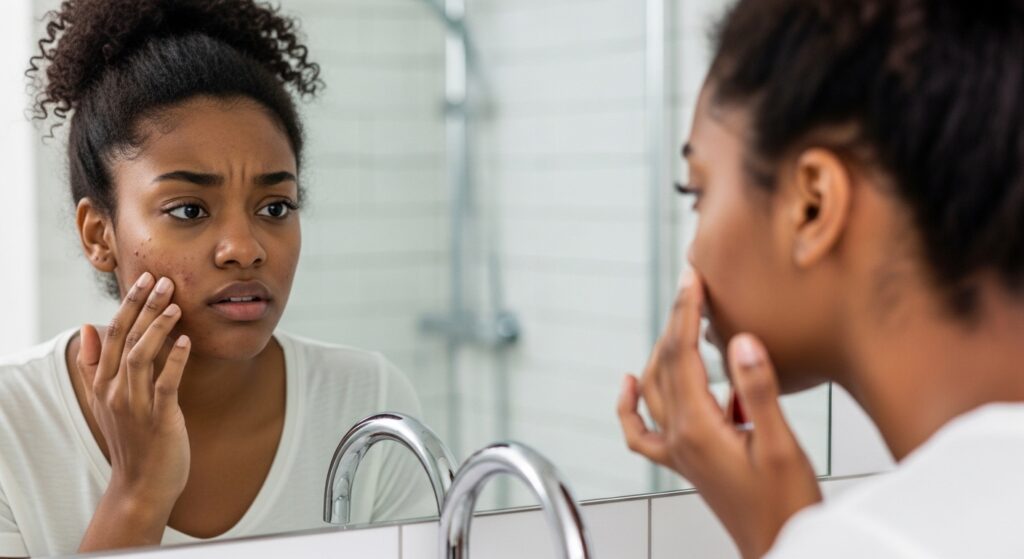
Choosing the right dry eczema skin treatment is essential for relieving persistent itching, reducing inflammation, restoring moisture, and protecting the skin barrier. Dry eczema, commonly associated with atopic dermatitis, can cause rough patches, flaking, irritation, cracking, and uncomfortable skin tightness. Without appropriate treatment, these symptoms may worsen and interfere with daily activities.
We recommend choosing treatments based on skin sensitivity, symptom severity, underlying triggers, and individual skincare needs. From deeply moisturizing creams and gentle cleansers to prescription medications and advanced dermatological treatments, several options can help manage eczema effectively.
Understanding Your Dry Eczema Skin Condition
Before selecting an eczema treatment, we recommend identifying the characteristics and severity of the condition. Not every treatment works equally well for every skin type, making an individualized approach particularly important.
Common Symptoms of Dry Eczema
The most common symptoms include:
- Persistent skin dryness and dehydration.
- Intense itching and irritation.
- Rough, scaly, or flaky skin patches.
- Skin inflammation and discoloration.
- Cracked or thickened skin.
- Increased sensitivity to skincare products.
- Recurring eczema flare-ups.
- Discomfort after bathing or exposure to harsh weather.
Understanding these symptoms helps determine whether a daily moisturizing routine is sufficient or professional dermatological treatment is necessary.
Factors to Consider When Choosing Dry Eczema Skin Treatment
Selecting the best treatment involves evaluating several important factors that influence its effectiveness, safety, and long-term benefits.
1. Identify Your Skin Type and Sensitivity
People with eczema often have a weakened skin barrier, making their skin more vulnerable to environmental irritants and moisture loss. We recommend choosing fragrance-free, gentle skincare products specifically formulated for dry and sensitive skin.
Avoid products containing strong fragrances, harsh exfoliants, and irritating ingredients. These substances may increase dryness and trigger inflammation.
2. Evaluate the Severity of Your Eczema
The severity of eczema determines the most appropriate treatment approach.
| Eczema Severity | Recommended Treatment Options |
|---|---|
| Mild eczema | Moisturizing creams and gentle cleansers |
| Moderate eczema | Barrier-supporting moisturizers and prescribed topical treatments |
| Severe eczema | Prescription medications and specialist care |
| Chronic eczema | Personalized treatment and long-term maintenance |
Persistent or severe symptoms require professional evaluation to establish an effective treatment plan.
3. Choose Products With Effective Moisturizing Ingredients
The best moisturizers for dry eczema-prone skin contain ingredients that help retain moisture, strengthen the skin barrier, and minimize irritation.
Beneficial ingredients include:
- Ceramides: Help support the protective skin barrier.
- Hyaluronic acid: Attracts and retains moisture.
- Glycerin: Improves skin hydration and softness.
- Colloidal oatmeal: Helps soothe itching and irritation.
- Petrolatum: Reduces moisture loss by forming a protective layer.
- Dimethicone: Helps protect the skin and retain moisture.
We recommend selecting a formulation that the skin tolerates comfortably. No single moisturizing ingredient is universally superior for everyone with eczema.
Best Dry Eczema Skin Treatment Options
Several evidence-based treatment options are available for managing dry eczema and improving skin comfort.
Moisturizing Creams and Ointments
Thick moisturizing creams and ointments are among the most effective foundational treatments for dry eczema. They help replenish moisture, soften rough skin, and reduce excessive water loss.
We recommend applying a suitable moisturizer after bathing while the skin remains slightly damp and repeating application throughout the day as needed. American Academy of Dermatology+1
Topical Corticosteroids
Topical corticosteroids help manage inflammation, swelling, and itching associated with eczema flare-ups. Different strengths are available depending on symptom severity and the affected body area.
These medications should be used according to medical guidance to minimize potential side effects, particularly when treating delicate facial skin.
Non-Steroidal Eczema Treatments
Prescription non-steroidal medications, including tacrolimus and pimecrolimus, may be suitable for individuals who require alternatives to conventional corticosteroid treatments.
These options can help control inflammation, particularly in selected sensitive areas. American Academy of Dermatology
Phototherapy for Chronic Eczema
Medically supervised phototherapy uses controlled ultraviolet light to manage certain cases of persistent or widespread eczema.
Dermatologists may recommend this treatment when conventional topical medications and moisturizing routines provide insufficient relief.
Advanced Prescription Treatments
Individuals experiencing moderate-to-severe eczema may benefit from specialist-prescribed systemic medications or biological therapies. These treatments target inflammatory processes associated with eczema and require appropriate medical supervision. Health
Ingredients to Avoid When Choosing Dry Eczema Skin Treatment
Selecting suitable skincare products also involves recognizing potentially irritating ingredients. Products containing artificial fragrances, strong exfoliating acids, drying alcohols, essential oils, and harsh cleansing agents may aggravate sensitive skin.
We recommend introducing new products gradually and testing them on a small area of unaffected skin before widespread application. Discontinue any product that causes persistent burning, itching, or irritation.
Products labeled natural or organic are not necessarily safer for eczema-prone skin. Ingredient suitability matters more than marketing claims.
How to Establish an Effective Dry Eczema Skincare Routine
A consistent eczema skincare routine helps maintain hydration and manage recurring flare-ups.
Morning Skincare Routine
We recommend starting the day with gentle cleansing when necessary, followed by a fragrance-free moisturizing cream. Apply prescribed eczema medication according to medical instructions and use a well-tolerated broad-spectrum sunscreen on exposed skin.
Evening Skincare Routine
Evening skincare should focus on replenishing moisture and supporting the skin barrier. Take a short, lukewarm shower, avoid aggressive scrubbing, and apply a moisturizing cream or ointment afterward.
Continue moisturizing even when eczema symptoms improve, as maintaining the skin barrier remains an important part of long-term management. American Academy of Dermatology+1
Choosing Affordable Dry Eczema Skin Treatment
Effective eczema treatment does not necessarily require expensive skincare products. Affordable, fragrance-free moisturizers and simple petroleum jelly can provide substantial benefits for individuals experiencing excessive dryness.
We recommend comparing product ingredients, container sizes, treatment suitability, and long-term affordability rather than purchasing products based solely on brand reputation.
A simple and consistent skincare routine may provide greater benefits than using multiple expensive products that contain potentially irritating ingredients.
How to Prevent Dry Eczema Flare-Ups
Preventing recurring eczema flare-ups requires identifying personal triggers and maintaining healthy skincare habits.
We recommend wearing soft, breathable clothing, using fragrance-free laundry detergents, avoiding excessively hot showers, and minimizing exposure to known irritants. Maintaining comfortable indoor temperatures and using a humidifier in dry environments may also help.
Keeping a record of skincare products, environmental exposures, and symptom changes can help identify individual eczema triggers.
When to Consult a Dermatologist for Dry Eczema
Professional dermatological care is advisable when eczema becomes persistent, widespread, or difficult to manage with non-prescription products.
Seek prompt medical attention if the affected skin develops painful blisters, pus, yellow crusting, rapidly worsening inflammation, or fever. These symptoms may indicate an infection requiring medical treatment. NHS
A dermatologist can establish an accurate diagnosis, identify contributing factors, and recommend a personalized treatment plan based on individual needs.
FAQs about How to Choose Dry Eczema Skin Treatment
1. What Is the Best Treatment for Dry Eczema Skin?
The best dry eczema skin treatment typically includes fragrance-free moisturizers, gentle skincare products, and anti-inflammatory medications when necessary. We recommend choosing treatments based on skin sensitivity, eczema severity, and dermatologist guidance.
2. How Do I Choose the Right Dry Eczema Treatment?
When choosing dry eczema skin treatment, we recommend considering your skin type, symptoms, product ingredients, and treatment effectiveness. Look for products containing ceramides, glycerin, or petrolatum to help restore moisture and protect the skin barrier.
3. Which Ingredients Are Best for Dry Eczema Skin?
We recommend ceramides, hyaluronic acid, glycerin, and colloidal oatmeal for moisturizing eczema-prone skin. These ingredients help reduce dryness, support skin barrier function, and soothe irritation.
4. Can Dry Eczema Be Treated at Home?
Yes. Mild dry eczema can often be managed with regular moisturizing, gentle cleansing, and avoiding irritants. However, persistent or severe symptoms may require prescription treatment from a qualified healthcare professional.
5. How Often Should I Moisturize Dry Eczema Skin?
We recommend applying a thick, fragrance-free moisturizer at least twice daily, especially immediately after bathing. Consistent moisturizing helps prevent excessive dryness and supports healthier skin.
6. Are Natural Treatments Safe for Dry Eczema?
Some natural ingredients may provide relief, but others can trigger allergic reactions. We recommend avoiding essential oils and strongly fragranced remedies, particularly on sensitive or inflamed skin.
7. When Should I See a Dermatologist for Dry Eczema?
We recommend consulting a dermatologist if eczema causes persistent itching, painful cracks, recurring flare-ups, or sleep disturbances. Seek prompt medical attention for spreading redness, pus, or fever.
8. Can Dry Eczema Be Permanently Cured?
There is currently no permanent cure for eczema, but appropriate treatments and consistent skincare can effectively control symptoms, reduce flare-ups, and improve skin comfort.
Conclusion
Choosing the best dry eczema skin treatment requires careful consideration of skin sensitivity, symptom severity, moisturizing ingredients, and individual treatment needs. We recommend prioritizing gentle, fragrance-free products, effective moisturizers, consistent skincare routines, and clinically appropriate treatments.
Although eczema is often a chronic condition, combining appropriate medical care with healthy skincare habits can help reduce flare-ups, improve moisture retention, strengthen the skin barrier, and achieve lasting improvements in skin comfort and overall quality of life.

