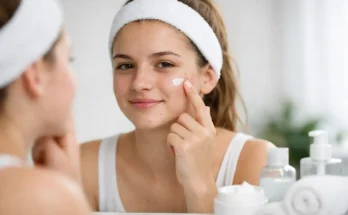
Choosing the right chemical peel for wrinkles is essential for achieving smoother, firmer, and more youthful-looking skin. Chemical peels are effective cosmetic treatments that help reduce fine lines, improve skin texture, address uneven pigmentation, and minimise visible signs of ageing through controlled exfoliation and skin renewal.
However, not all chemical peels provide the same results. The most suitable treatment depends on skin type, wrinkle severity, skin sensitivity, recovery time, and individual aesthetic goals. We recommend selecting a professionally administered chemical peel that offers an appropriate balance between effectiveness, comfort, and safety.
Understanding How Chemical Peels Work for Wrinkles
Chemical peels involve applying a specially formulated chemical solution to the skin to remove damaged outer layers and encourage skin regeneration. Depending on the strength and depth of the peel, the treatment may also stimulate collagen production and improve skin texture.
As ageing progresses, natural collagen production declines, contributing to fine lines, wrinkles, and reduced skin firmness. Anti-ageing chemical peels can help address certain visible signs of ageing by promoting cellular renewal and improving the appearance of sun-damaged skin.
Benefits of Chemical Peels for Wrinkles
The potential benefits of professionally selected chemical peels include:
- Reducing the appearance of fine lines and superficial wrinkles.
- Improving uneven skin tone and texture.
- Encouraging collagen production with certain deeper treatments.
- Minimising the appearance of age spots and sun damage.
- Promoting smoother and brighter-looking skin.
- Improving the appearance of rough, ageing skin.
- Supporting a more refreshed and youthful complexion.
Identify the Type of Wrinkles You Want to Treat
Before choosing a chemical peel, we recommend identifying the severity and underlying causes of your wrinkles. Different types of wrinkles require different treatment approaches to achieve noticeable improvements.
Fine Lines and Superficial Wrinkles
Fine lines commonly develop around the eyes, forehead, and mouth. They may result from sun exposure, dehydration, and the natural ageing process. Superficial chemical peels containing glycolic acid or lactic acid can help improve their appearance while enhancing skin radiance.
Moderate Wrinkles
Moderate wrinkles are more noticeable and may require deeper skin resurfacing. Medium-depth chemical peels, particularly professionally administered trichloroacetic acid (TCA) peels, may provide more substantial improvements in skin texture and wrinkle appearance.
Deep Wrinkles
Deep wrinkles may require advanced dermatological treatments. Although deep chemical peels can improve pronounced facial lines, they cannot completely eliminate deep wrinkles or correct significant skin sagging. Combination treatments may be more appropriate. Mayo Clinic+1
Choose the Right Type of Chemical Peel for Wrinkles
Understanding the different chemical peel categories helps us determine which treatment offers the most suitable results for ageing skin.
Superficial Chemical Peels
Superficial peels exfoliate the outermost layer of the skin. They are particularly suitable for individuals experiencing early signs of ageing and mild skin imperfections.
Common ingredients include glycolic acid, lactic acid, and mandelic acid. These treatments generally involve shorter recovery periods, although multiple sessions may be necessary to achieve meaningful improvements.
Medium-Depth Chemical Peels
Medium-depth chemical peels penetrate beyond the outermost skin layer to address more noticeable wrinkles, pigmentation, and sun damage.
They offer more intensive skin resurfacing than superficial treatments but require additional recovery time and careful aftercare.
Deep Chemical Peels
Deep chemical peels provide intensive skin resurfacing for selected individuals with significant signs of ageing. These treatments require specialist medical supervision because of their increased risk of complications, including permanent pigmentation changes and, with phenol peels, heart-related complications.
Best Chemical Peel Ingredients for Wrinkles
The active ingredients used in chemical peels influence their effectiveness, treatment depth, and suitability for different skin types.
| Chemical peel ingredient | Best suited for |
|---|---|
| Glycolic acid | Fine lines and uneven skin texture |
| Lactic acid | Mild wrinkles and dry-looking skin |
| Mandelic acid | Gentle exfoliation and early signs of ageing |
| Trichloroacetic acid (TCA) | Moderate wrinkles and sun damage |
| Phenol | Selected cases of advanced facial ageing |
| Salicylic acid | Oily, acne-prone skin with texture concerns |
We recommend choosing an ingredient based on your skin condition rather than simply selecting the strongest available chemical peel. Treatment concentration, formulation, and application technique also influence safety and effectiveness.
Consider Your Skin Type Before Choosing a Chemical Peel
Selecting a chemical peel for your skin type can improve treatment outcomes and reduce unnecessary irritation.
Chemical Peel for Dry and Mature Skin
Lactic acid and carefully selected glycolic acid peels may be suitable for dry, mature skin. Gentle formulations can improve surface texture without subjecting the skin to unnecessarily aggressive exfoliation.
Chemical Peel for Oily Skin
Glycolic acid peels may help improve fine lines and uneven texture, while salicylic acid peels can be beneficial when excess oil and clogged pores are additional concerns.
Chemical Peel for Sensitive Skin
Sensitive skin generally requires a conservative treatment approach. Lower-strength superficial peels may be appropriate following a professional skin assessment. Individuals with active irritation or compromised skin barriers may need to postpone treatment.
Chemical Peel for Dark Skin
Individuals with darker skin tones require careful treatment selection because of the increased risk of post-inflammatory hyperpigmentation. We recommend consulting a dermatologist experienced in treating darker skin tones to minimise the possibility of lasting discolouration. American Academy of Dermatology+1
Important Factors to Consider When Choosing a Chemical Peel for Wrinkles
A successful anti-ageing treatment requires more than selecting a popular chemical peel. Individual circumstances should influence the treatment plan.
Key Factors for Selecting the Best Chemical Peel
- Wrinkle severity: Determine whether your skin has fine lines, moderate wrinkles, or advanced facial creases.
- Skin sensitivity: Select a treatment that accommodates your skin’s tolerance.
- Recovery time: Consider how much downtime you can accommodate.
- Treatment goals: Establish realistic expectations regarding wrinkle reduction and skin improvement.
- Medical history: Discuss existing skin conditions, medications, previous procedures, and allergies.
- Professional expertise: Choose a qualified and experienced skincare specialist.
- Treatment budget: Consider the overall cost of consultations, sessions, and aftercare.
Compare Chemical Peel Recovery Times
Recovery time is an important consideration when selecting an anti-wrinkle chemical peel. Stronger treatments generally require longer healing periods.
| Chemical peel type | Typical initial healing time |
|---|---|
| Superficial chemical peel | 1–7 days |
| Medium chemical peel | 7–14 days |
| Deep chemical peel | 14–21 days or longer |
Individual recovery periods vary according to treatment intensity and skin response. Redness may persist beyond the initial healing period.
We recommend scheduling treatments around professional commitments, social events, and other responsibilities to allow adequate recovery.
Professional Chemical Peels vs. At-Home Chemical Peels for Wrinkles
Professional chemical peels offer personalised treatment options, controlled application, and medical assessment when necessary. They are generally more appropriate for individuals seeking noticeable improvements in moderate wrinkles and significant sun damage.
At-home exfoliating products may provide gradual improvements in superficial skin texture and mild fine lines. However, they cannot reliably reproduce the results of professionally administered medium or deep chemical peels.
We recommend avoiding high-strength chemical peeling solutions at home because improper application can result in chemical burns, scarring, infections, and permanent pigmentation changes.
How to Prepare Your Skin for a Chemical Peel
Proper skin preparation can support a more comfortable treatment experience and reduce the likelihood of complications.
Before undergoing a chemical peel, we recommend attending a professional consultation, discussing your medical history, avoiding excessive sun exposure, and following an appropriate skincare routine.
Your dermatologist may recommend temporarily discontinuing certain exfoliating products or adjusting retinoid use before treatment. Preparation should always be tailored to your skin’s condition and the selected chemical peel. American Academy of Dermatology+1
Chemical Peel Aftercare for Better Wrinkle Reduction Results
Following an appropriate chemical peel aftercare routine is essential for protecting newly treated skin and supporting recovery.
Gentle cleansing, regular moisturisation, and appropriate sun protection should form the foundation of post-treatment skincare. We recommend using broad-spectrum sunscreen with SPF 30 or higher once appropriate for the healing stage and avoiding unnecessary exposure to direct sunlight.
Picking peeling skin, using harsh exfoliants, or applying irritating skincare products prematurely can interfere with recovery. Following professional aftercare instructions helps minimise complications and preserve treatment results.
How Many Chemical Peel Sessions Are Needed for Wrinkles?
The number of chemical peel sessions required depends on wrinkle severity, treatment depth, and individual skin response.
Superficial chemical peels often require multiple sessions to achieve cumulative improvements. Medium-depth treatments may provide more noticeable results with fewer sessions, while deep chemical peels are generally performed as a one-time procedure.
We recommend developing a personalised treatment schedule that allows sufficient healing between sessions. Increasing treatment frequency without professional guidance can damage the skin barrier and increase sensitivity.
How Long Do Chemical Peel Results Last?
Chemical peel results vary depending on the treatment depth, lifestyle habits, skincare routine, and natural ageing process.
Superficial treatments generally provide more temporary improvements, whereas medium and deep chemical peels may deliver longer-lasting results. However, no chemical peel permanently stops skin ageing.
Consistent sun protection, appropriate skincare products, adequate moisturisation, and professionally recommended maintenance treatments can help preserve improvements.
Choosing the Best Dermatologist for Chemical Peel Treatments
Selecting an experienced dermatologist is particularly important when treating wrinkles with medium or deep chemical peels.
We recommend evaluating professional qualifications, experience with different skin tones, previous treatment results, consultation quality, and available aftercare support. A reputable provider should explain potential risks, expected improvements, treatment alternatives, and total costs before proceeding.
A personalised consultation also helps determine whether a chemical peel is the most appropriate treatment or whether alternative anti-ageing procedures may offer better results.
FAQs about How to Choose Chemical Peel for Wrinkles
1. What Is the Best Chemical Peel for Wrinkles?
The best chemical peel for wrinkles depends on your skin type, wrinkle severity, and treatment goals. Glycolic acid peels may improve fine lines, while medium-depth TCA peels can address more noticeable wrinkles.
2. How Do I Choose the Right Chemical Peel for My Skin?
We recommend considering your skin type, sensitivity, wrinkle depth, and recovery time. Consulting a qualified dermatologist helps determine the most suitable chemical peel for safe and effective results.
3. Can Chemical Peels Remove Deep Wrinkles?
Chemical peels can reduce the appearance of certain wrinkles, but they cannot completely eliminate deep lines. Medium and deep chemical peels may provide more noticeable improvements than superficial treatments.
4. Are Chemical Peels Safe for Aging Skin?
Yes, chemical peels for aging skin can be safe when performed by experienced professionals. However, treatment suitability depends on skin condition, medical history, and potential risks, including pigmentation changes.
5. How Often Should I Get a Chemical Peel for Wrinkles?
Treatment frequency depends on peel strength and individual skin response. Superficial peels may be repeated every few weeks, while deeper treatments require longer recovery periods.
6. How Long Does It Take to See Results From a Chemical Peel?
Results vary depending on peel depth. Superficial peels may improve skin texture within days, while medium and deep peels require longer healing before final results become visible.
7. What Should I Avoid After a Chemical Peel?
We recommend avoiding direct sun exposure, harsh exfoliants, retinoids, and picking at peeling skin until your provider advises otherwise. Gentle skincare and broad-spectrum SPF 30 or higher are essential.
8. Is a Chemical Peel Better Than Laser Treatment for Wrinkles?
Both treatments can improve wrinkles. The better option depends on wrinkle severity, skin tone, downtime, and individual treatment goals. A dermatologist can help you compare their benefits and risks.
Conclusion
Understanding how to choose a chemical peel for wrinkles is essential for achieving smoother, healthier, and more youthful-looking skin. The ideal treatment depends on wrinkle severity, skin type, sensitivity, recovery preferences, and individual skincare goals.
While superficial chemical peels are suitable for many early signs of ageing, medium and deep chemical peels may offer more substantial improvements for selected individuals with advanced skin concerns.
We recommend prioritising professional assessment, personalised treatment plans, and consistent aftercare to achieve safe and effective results. With the right chemical peel for wrinkles, appropriate sun protection, and a dedicated skincare routine, individuals can enjoy noticeable improvements in skin texture, radiance, and overall facial appearance.