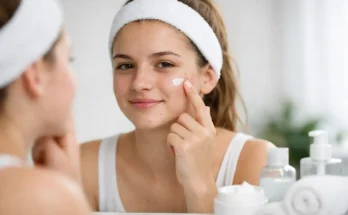
Choosing the best chemical peel for dark skin requires careful consideration of skin type, pigmentation concerns, treatment strength, and professional expertise. While chemical peels can improve uneven skin tone, acne scars, dark spots, and rough skin texture, selecting the wrong treatment may increase the risk of irritation and post-inflammatory hyperpigmentation.
At our practice, we emphasize the importance of choosing chemical peels that work effectively with melanin-rich skin. Our approach focuses on gentle exfoliation, controlled skin renewal, and long-term skin health rather than aggressive treatments that may cause unnecessary damage.
Understanding how to choose a chemical peel for dark skin can help individuals achieve a smoother, brighter, and more even complexion while minimizing potential complications.
Why Choosing the Right Chemical Peel for Dark Skin Matters
Dark skin contains higher levels of melanin, which provides natural pigmentation and some protection against ultraviolet radiation. However, melanin-rich skin can be more prone to developing discoloration following inflammation, irritation, or skin injuries.
This condition, known as post-inflammatory hyperpigmentation (PIH), can occur when an unsuitable chemical peel triggers excessive inflammation.
We recommend selecting chemical peels based on individual skin characteristics rather than relying solely on treatment popularity or product strength.
A properly selected chemical peel may help address:
- Hyperpigmentation and dark spots caused by acne or inflammation.
- Uneven skin tone and visible discoloration.
- Mild acne scars and superficial skin imperfections.
- Rough skin texture and accumulated dead skin cells.
- Dull complexion caused by irregular skin cell turnover.
- Sun-related pigmentation and certain superficial signs of aging.
By prioritizing safety and appropriate treatment strength, we can support healthier skin renewal without compromising the skin’s natural protective barrier.
Best Types of Chemical Peels for Dark Skin
Several chemical peeling agents can be suitable for darker skin tones when administered at appropriate concentrations by qualified professionals.
1. Glycolic Acid Peel for Dark Skin
Glycolic acid is an alpha-hydroxy acid (AHA) commonly used to exfoliate the outer skin layers and improve skin texture.
We often consider superficial glycolic acid peels for individuals experiencing mild hyperpigmentation, dullness, and uneven skin tone.
Potential benefits include improved skin smoothness, gradual fading of superficial dark spots, and enhanced skin radiance.
However, glycolic acid concentration and exposure time must be carefully controlled, especially for individuals prone to pigmentation changes.
2. Mandelic Acid Peel for Dark Skin
Mandelic acid is another alpha-hydroxy acid known for its relatively gentle exfoliating properties.
Because its molecules are larger than those of glycolic acid, mandelic acid generally penetrates the skin more slowly.
We may consider mandelic acid peels for individuals with sensitive, acne-prone, or melanin-rich skin who require a cautious approach to exfoliation.
Its potential benefits include improved skin texture, reduced appearance of certain dark spots, and support for acne management.
3. Lactic Acid Peel for Dark Skin
Lactic acid is frequently considered for individuals seeking mild exfoliation with additional hydration-related benefits.
This AHA helps loosen dead skin cells while supporting smoother-looking skin.
We may recommend appropriately formulated superficial lactic acid peels for people with dryness, dullness, or mild pigmentation concerns.
Although generally considered gentle, lactic acid can still cause irritation when used improperly.
4. Salicylic Acid Peel for Dark Skin
Salicylic acid is a beta-hydroxy acid (BHA) particularly useful for oily and acne-prone skin.
Its oil-soluble properties allow it to work within pores, making it relevant for individuals experiencing clogged pores, blackheads, and inflammatory acne.
We consider salicylic acid peels when acne contributes to recurring dark spots and uneven skin tone.
Reducing acne-related inflammation may also help prevent new pigmentation marks from developing.
5. Jessner’s Peel for Dark Skin
Jessner’s solution commonly combines exfoliating ingredients such as salicylic acid, lactic acid, and resorcinol, although formulations vary.
It may help improve pigmentation, acne-related concerns, and uneven texture.
However, Jessner’s peels require greater caution because their strength and penetration depend on the formulation and application technique.
We recommend professional evaluation before considering this treatment for darker skin tones.
How to Choose the Best Chemical Peel for Dark Skin
Selecting a suitable chemical peel involves more than identifying a popular acid or choosing the strongest available formulation.
We recommend the following essential considerations.
Important Factors to Consider Before Choosing a Chemical Peel
1. Identify your skin type: Determine whether your skin is oily, dry, sensitive, combination, or acne-prone before selecting a chemical peel.
2. Understand your pigmentation concerns: Dark spots, melasma, acne marks, and uneven skin tone may require different treatment approaches.
3. Choose an appropriate peel strength: Superficial chemical peels are generally preferred as a starting point for darker skin because they carry less pigmentation risk than deeper treatments.
4. Evaluate your skin sensitivity: Individuals with reactive skin may benefit from carefully selected milder formulations, although tolerance varies.
5. Check the active ingredients: Understand whether the peel contains glycolic acid, mandelic acid, lactic acid, salicylic acid, or a combination of exfoliating agents.
6. Consult a qualified dermatologist: Professional assessment helps identify contraindications, appropriate treatment strengths, and pigmentation risks.
7. Consider recovery requirements: Some chemical peels cause temporary redness, dryness, flaking, or peeling that may affect daily activities.
8. Review your current skincare routine: Retinoids, exfoliating products, and certain acne treatments can increase irritation when combined with chemical peels.
9. Prioritize sun protection: Daily broad-spectrum sunscreen is essential because ultraviolet exposure can worsen pigmentation following treatment.
10. Set realistic expectations: Improvements often develop gradually, and multiple carefully spaced treatments may be necessary.
We encourage choosing treatments according to individual skin needs rather than expecting one chemical peel to deliver identical results for everyone.
How to Choose a Chemical Peel for Dark Skin With Hyperpigmentation
Hyperpigmentation is one of the most common reasons individuals with darker skin tones seek professional chemical peels.
Dark spots may develop after acne, insect bites, skin irritation, sun exposure, or inflammatory skin conditions.
We typically favor a conservative treatment approach that limits irritation while gradually improving discoloration.
Superficial peels containing glycolic acid, mandelic acid, or salicylic acid may be considered depending on the cause of pigmentation and the individual’s skin tolerance.
However, melasma requires particular caution, as inflammation and heat can worsen discoloration in some individuals.
A comprehensive pigmentation treatment plan may also include topical ingredients such as azelaic acid, niacinamide, or dermatologist-prescribed medications.
Chemical peels should complement an appropriate skincare routine rather than replace the treatment of underlying pigmentation causes.
Chemical Peel for Dark Skin With Acne and Acne Scars
For individuals with acne-prone dark skin, choosing a chemical peel requires attention to both active breakouts and lingering pigmentation marks.
Salicylic acid peels may help reduce clogged pores and certain acne lesions, while mandelic acid may be considered for selected individuals who need gentler superficial exfoliation.
We also distinguish between post-acne dark spots and true acne scars.
Dark spots are changes in pigmentation and may gradually respond to superficial exfoliation and targeted skincare.
Indented or raised acne scars involve structural changes in the skin and often require other treatments.
Chemical peels may improve superficial irregularities, but deeper acne scars generally respond better to professionally selected procedures such as microneedling, laser treatment, or scar-specific interventions.
Chemical Peel Strength: Superficial, Medium, and Deep Peels
Understanding chemical peel depth is essential when determining the safest treatment for melanin-rich skin.
| Chemical Peel Type | Treatment Depth | Considerations for Dark Skin |
|---|---|---|
| Superficial peel | Outer skin layers | Often preferred for initial treatment when appropriately selected |
| Medium-depth peel | Extends into the upper dermis | Higher risk of pigmentation changes and prolonged recovery |
| Deep peel | Reaches deeper skin layers | Generally avoided in darker skin because of significant pigmentary and scarring risks |
We generally recommend discussing superficial chemical peels first, particularly for individuals who have never undergone professional exfoliating treatments.
Although stronger peels may produce more substantial changes for certain conditions, they also increase the possibility of complications.
How to Prepare Dark Skin Before a Chemical Peel
Proper preparation can influence treatment tolerance and reduce avoidable irritation.
Before undergoing a chemical peel, we recommend a professional consultation to assess pigmentation history, skin sensitivity, medications, and existing skin conditions.
The dermatologist may suggest a preparation routine involving gentle cleansing, moisturization, sun protection, and carefully selected pigmentation-control products.
Certain active skincare ingredients may need to be paused before treatment, depending on professional guidance.
Individuals should also avoid applying chemical peels to sunburned, infected, or significantly irritated skin.
We emphasize that pre-treatment skin health is just as important as the peel itself, particularly when minimizing post-inflammatory hyperpigmentation.
Aftercare Tips for Chemical Peels on Dark Skin
Proper chemical peel aftercare supports healing and helps protect against unwanted discoloration.
Following treatment, we recommend maintaining a gentle skincare routine and following the treating professional’s instructions.
Important aftercare practices include:
- Apply broad-spectrum SPF 30 or higher sunscreen daily, preferably a tinted sunscreen containing iron oxides when treating pigmentation concerns.
- Use a gentle moisturizer to support the skin barrier.
- Avoid picking or peeling flaking skin, which can trigger inflammation and dark marks.
- Temporarily avoid strong exfoliants and retinoids until the skin has recovered and the treating professional approves their use.
- Limit unnecessary heat and sun exposure during the healing period.
- Use mild cleansers without harsh scrubbing ingredients.
- Monitor unusual symptoms, including severe pain, blistering, increasing swelling, or signs of infection.
We recommend contacting the treating clinician promptly if significant irritation or unexpected pigmentation changes develop.
Common Mistakes to Avoid When Choosing Chemical Peels for Dark Skin
One of the most significant mistakes is assuming stronger chemical peels automatically produce better results.
For dark skin, excessive exfoliation can increase inflammation and worsen pigmentation concerns.
Another common mistake is combining multiple exfoliating ingredients without understanding their cumulative effects.
We also discourage using professional-strength chemical peel solutions at home, particularly products containing high concentrations of acids.
Improper application can cause chemical burns, persistent hyperpigmentation, hypopigmentation, and scarring.
Choosing an inexperienced provider is another avoidable risk. We recommend working with qualified dermatology professionals who understand the treatment of skin of color.
Finally, neglecting sunscreen after a chemical peel can undermine pigmentation improvements and increase the likelihood of recurring discoloration.
When to See a Dermatologist for a Chemical Peel for Dark Skin
Professional assessment becomes particularly important when pigmentation is persistent, recurring, or associated with underlying skin conditions.
We recommend consulting a dermatologist before treatment if you have a history of keloid scarring, significant post-inflammatory hyperpigmentation, melasma, active eczema, or unusually sensitive skin.
A dermatologist can determine whether chemical peeling is appropriate or whether another treatment would provide a safer and more effective option.
We also recommend discussing any recent isotretinoin use, skin infections, and previous adverse reactions to exfoliating treatments before scheduling a procedure.
Choosing an experienced professional helps ensure treatment is tailored to the individual rather than applying a standard formula to every skin tone.
How Often Should You Get a Chemical Peel for Dark Skin?
The ideal frequency depends on the peeling agent, treatment depth, skin response, and specific dermatological concern.
Some superficial chemical peels may be scheduled several weeks apart, while more intensive treatments require longer recovery periods.
We recommend allowing sufficient healing time between sessions rather than pursuing frequent exfoliation for faster results.
Overtreatment can damage the skin barrier and increase the risk of persistent discoloration.
Consistent sunscreen use, appropriate skincare, and professionally guided treatment intervals are often more valuable than aggressive peeling schedules.
How to Maintain Long-Term Results After a Chemical Peel
Maintaining results requires a skincare strategy that protects the skin from repeated inflammation and pigmentation triggers.
We recommend daily sun protection, regular moisturizing, and continued management of acne or other conditions contributing to discoloration.
Where appropriate, a dermatologist may recommend maintenance products containing niacinamide, azelaic acid, or other pigment-targeting ingredients.
Individuals should also avoid introducing several strong active ingredients immediately after a chemical peel.
For melanin-rich skin, gradual improvement and consistent skin-barrier protection remain central to long-term treatment success.
FAQs about How to Choose Chemical Peel for Dark Skin
1. What Is the Best Chemical Peel for Dark Skin?
The best chemical peel for dark skin depends on skin type, sensitivity, and treatment goals. Gentle options such as mandelic acid, lactic acid, and superficial glycolic acid peels may help improve uneven skin tone, acne, and hyperpigmentation when professionally administered.
2. Are Chemical Peels Safe for Dark Skin?
Yes, chemical peels for dark skin can be safe when performed by a qualified dermatologist experienced in treating darker skin tones. However, inappropriate peel strength or application can increase the risk of irritation, burns, and post-inflammatory hyperpigmentation.
3. How Do I Choose the Right Chemical Peel for My Skin?
We recommend considering your skin type, pigmentation concerns, sensitivity, and treatment goals. A professional skin assessment helps determine the most suitable chemical peel while minimizing potential complications.
4. Which Chemical Peel Is Best for Hyperpigmentation on Dark Skin?
Mandelic acid, lactic acid, and carefully selected glycolic acid peels may improve certain types of hyperpigmentation. The best option depends on the cause and severity of discoloration.
5. How Often Should Dark Skin Get a Chemical Peel?
Superficial chemical peels are commonly scheduled every 2–4 weeks, depending on skin response and the dermatologist’s recommendations. More intensive treatments typically require longer recovery periods.
6. Can Chemical Peels Make Dark Skin Lighter?
Chemical peels may reduce dark spots and improve uneven pigmentation, helping restore a more uniform appearance. They are not intended to change your natural skin color.
7. What Should I Avoid After a Chemical Peel?
We recommend avoiding direct sun exposure, harsh exfoliants, picking peeling skin, and irritating skincare products. Use gentle moisturizers and broad-spectrum SPF 30 or higher sunscreen to support healing.
8. Should I Consult a Dermatologist Before Getting a Chemical Peel?
Absolutely. A qualified dermatologist experienced with dark skin can assess your concerns, recommend suitable treatments, and help reduce the risk of pigmentation complications.
Conclusion
We recommend prioritizing superficial chemical peels, appropriate active ingredients, and professional dermatological guidance. Glycolic acid, mandelic acid, lactic acid, and salicylic acid peels may offer benefits for different concerns, but suitability depends on individual skin characteristics and treatment goals.
By combining the right chemical peel with careful preparation, consistent sun protection, and proper aftercare, we can support smoother skin texture, more even pigmentation, and a healthier-looking complexion.
The best chemical peel for dark skin is not necessarily the strongest treatment. It is the one carefully selected to address specific skin concerns while protecting the health and integrity of melanin-rich skin.