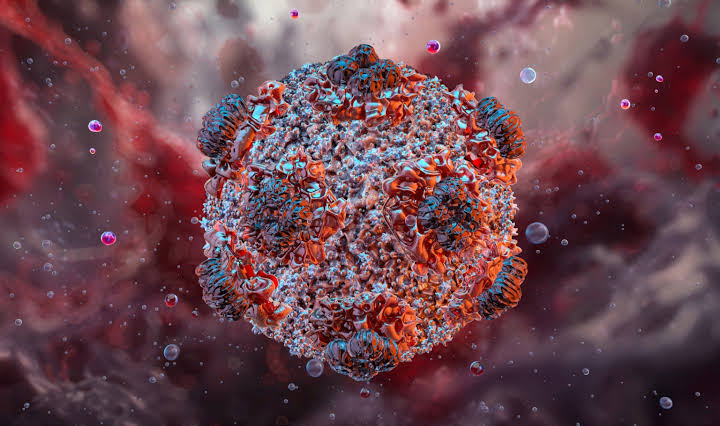
Hantavirus is a potentially life-threatening viral infection primarily transmitted to humans through contact with infected rodents, their urine, saliva, or droppings. The infection can cause severe respiratory complications, kidney damage, and cardiovascular problems if not promptly diagnosed and managed.
Early diagnosis and treatment of hantavirus are essential for reducing the risk of serious complications and improving patient outcomes. Although there is no universally approved specific cure for hantavirus infection, timely medical intervention and supportive care can significantly improve the chances of recovery.
We examine the most effective diagnostic methods, available treatment options, recovery expectations, and preventive measures for managing hantavirus infection.
How Is Hantavirus Diagnosed?
Diagnosing hantavirus can be challenging because its initial symptoms resemble those of influenza, pneumonia, and other respiratory infections. Healthcare professionals combine medical history, physical examinations, laboratory testing, and imaging studies to establish an accurate diagnosis.
Medical History and Physical Examination
The diagnostic process begins with a comprehensive assessment of the patient’s symptoms, medical history, and potential exposure to infected rodents.
Healthcare providers typically investigate the following:
- Recent exposure to rodents, urine, or droppings.
- Visits to rodent-infested environments.
- Persistent fever, muscle pain, and fatigue.
- Shortness of breath and respiratory discomfort.
- Abdominal pain, nausea, and vomiting.
- Reduced urine production and abnormal bleeding.
Identifying potential exposure helps healthcare professionals distinguish hantavirus from other infectious diseases and initiate appropriate medical investigations.
Laboratory Tests for Hantavirus
Laboratory testing plays a crucial role in confirming hantavirus infection and evaluating disease severity.
1. Enzyme-Linked Immunosorbent Assay (ELISA)
ELISA is a commonly used diagnostic test that detects antibodies produced by the immune system in response to hantavirus infection.
The presence of specific IgM antibodies generally indicates a recent infection, while changes in IgG antibody levels can provide additional diagnostic information.
2. Polymerase Chain Reaction (PCR) Test
A reverse transcription polymerase chain reaction (RT-PCR) test detects hantavirus genetic material in clinical samples. This molecular diagnostic technique can help confirm active infection and identify the virus involved.
3. Complete Blood Count (CBC)
A complete blood count helps identify abnormalities associated with hantavirus infection, including:
- Reduced platelet count.
- Elevated white blood cell count.
- Increased hematocrit levels.
- Changes in circulating immune cells.
Although these findings cannot independently confirm hantavirus, they provide valuable information about disease progression.
4. Kidney and Liver Function Tests
Blood and urine tests help determine whether the infection has affected vital organs. Elevated creatinine levels, protein in the urine, and abnormal electrolyte levels may indicate kidney complications.
5. Chest X-Rays and Imaging Tests
Chest X-rays help identify fluid accumulation within the lungs, pulmonary edema, and other respiratory abnormalities. Additional imaging may be recommended depending on the patient’s clinical condition. CDC+2
Differential Diagnosis of Hantavirus
Because hantavirus shares symptoms with several infectious diseases, healthcare professionals must consider alternative conditions before confirming a diagnosis.
Conditions with similar symptoms include influenza, COVID-19, bacterial pneumonia, leptospirosis, dengue fever, malaria, and sepsis.
We emphasize the importance of accurate laboratory testing alongside clinical evaluation to prevent misdiagnosis and unnecessary delays in treatment.
Treatment Options for Hantavirus
There is currently no universally approved antiviral treatment that cures all forms of hantavirus infection. Treatment primarily focuses on supportive medical care, symptom management, organ protection, and complication prevention.
Patients with suspected severe hantavirus infection require immediate hospital evaluation, even before laboratory confirmation.
1. Hospitalization and Intensive Care
Individuals experiencing severe respiratory symptoms, cardiovascular instability, or kidney complications may require hospitalization in an intensive care unit (ICU).
Continuous medical monitoring allows healthcare professionals to detect sudden changes in blood pressure, oxygen saturation, heart function, and kidney performance.
Early hospitalization is particularly important for patients with suspected hantavirus pulmonary syndrome because respiratory complications can progress rapidly.
2. Oxygen Therapy and Respiratory Support
Hantavirus can cause fluid to accumulate in the lungs, significantly reducing the body’s ability to obtain sufficient oxygen.
Respiratory treatment may include:
- Supplemental oxygen therapy.
- Mechanical ventilation.
- Continuous oxygen saturation monitoring.
- Extracorporeal membrane oxygenation (ECMO) in selected critical cases.
These interventions help maintain adequate oxygen delivery to vital organs while the body fights the infection.
3. Intravenous Fluid Management
Carefully controlled intravenous fluid administration helps maintain circulation and electrolyte balance.
However, excessive fluid administration may worsen pulmonary edema. Healthcare professionals must closely monitor fluid intake, urine output, and cardiovascular function to prevent additional complications.
4. Antiviral Medications
Ribavirin is an antiviral medication that has been investigated for treating hantavirus infections.
Early intravenous ribavirin treatment may benefit certain patients with hemorrhagic fever with renal syndrome (HFRS). However, it has not demonstrated proven clinical benefit in treating hantavirus pulmonary syndrome.
Antiviral treatment should only be considered under specialist medical supervision.
5. Kidney Dialysis
Patients who develop severe acute kidney injury may require dialysis to remove accumulated waste products, excess fluids, and harmful substances from the bloodstream.
Dialysis may provide temporary kidney support until normal renal function improves.
6. Blood Pressure and Cardiovascular Support
Severe hantavirus infection can cause dangerously low blood pressure and circulatory shock. Healthcare professionals may administer vasopressor medications and provide advanced cardiovascular support to maintain adequate blood flow to essential organs. CDC+2
Treatment for Hantavirus Pulmonary Syndrome (HPS)
Hantavirus pulmonary syndrome (HPS) is a severe form of hantavirus infection that predominantly affects the lungs and may compromise cardiovascular function.
Treatment priorities include maintaining oxygen levels, managing respiratory distress, supporting circulation, and preventing organ failure.
Patients with suspected HPS require emergency medical attention because their condition may deteriorate rapidly. Access to advanced respiratory and cardiovascular support can improve survival prospects.
Treatment for Hemorrhagic Fever with Renal Syndrome (HFRS)
Hemorrhagic fever with renal syndrome primarily affects the kidneys and blood vessels. Depending on disease severity, patients may experience internal bleeding, electrolyte disturbances, reduced urine production, and acute kidney failure.
Treatment focuses on maintaining electrolyte balance, managing blood pressure, addressing bleeding complications, and supporting kidney function.
Healthcare professionals may recommend dialysis when kidney impairment becomes severe. Selected patients may also be considered for antiviral treatment, depending on the virus involved and applicable clinical guidelines.
Can Hantavirus Be Treated at Home?
Hantavirus infection should not be managed exclusively with home remedies. Although rest, appropriate nutrition, and hydration may support recovery under medical guidance, they cannot replace professional treatment.
Individuals experiencing fever, muscle pain, or respiratory symptoms following potential rodent exposure should seek medical evaluation promptly.
Patients experiencing difficulty breathing, fainting, severe weakness, or markedly reduced urine production require urgent medical attention.
Hantavirus Recovery and Prognosis
The recovery period for hantavirus varies depending on the type of infection, disease severity, overall health, and availability of appropriate medical treatment.
Some patients recover within several weeks, while individuals who experience severe complications may require several months to regain their strength.
During recovery, patients may experience persistent fatigue, reduced physical endurance, muscle weakness, or breathing difficulties.
We recommend attending scheduled medical appointments, following prescribed treatment plans, and gradually returning to normal activities under professional guidance.
Follow-up assessments may include kidney function tests, respiratory examinations, and cardiovascular monitoring.
How to Prevent Hantavirus Infection
Preventing rodent exposure remains one of the most effective strategies for reducing the risk of hantavirus infection.
Essential preventive measures include sealing openings that allow rodents to enter buildings, storing food in tightly sealed containers, maintaining clean living environments, and eliminating potential rodent nesting areas.
When cleaning rodent-contaminated spaces, wear protective gloves, ventilate the area, and thoroughly disinfect contaminated surfaces. Avoid sweeping or vacuuming dry rodent droppings, as these activities can release infectious particles into the air.
Most hantaviruses do not spread between people. However, person-to-person transmission has been documented with the Andes virus, making appropriate public health precautions important. CDC+1
When to Seek Medical Attention for Hantavirus
Early medical intervention is essential when hantavirus infection is suspected. Warning signs requiring immediate medical attention include severe shortness of breath, chest tightness, fainting, abnormal bleeding, confusion, and reduced urine production.
Patients should inform healthcare professionals about any recent rodent exposure, as this information can accelerate the diagnostic process and guide appropriate treatment.
FAQs about Hantavirus Treatment
1. What Is the Best Treatment for Hantavirus?
The best hantavirus treatment involves early medical care and supportive treatment to manage symptoms and prevent complications. Patients with severe infections may require hospitalization, oxygen therapy, and intensive care.
2. Is There a Cure for Hantavirus?
Currently, there is no specific cure for hantavirus pulmonary syndrome (HPS). However, early diagnosis and appropriate supportive care can improve survival rates and help manage serious complications.
3. Can Hantavirus Be Treated at Home?
Mild symptoms may initially resemble the flu, but suspected hantavirus infection requires immediate medical evaluation. Home remedies cannot replace professional medical treatment, especially when breathing difficulties develop.
4. What Medications Are Used to Treat Hantavirus?
Treatment primarily focuses on relieving symptoms and supporting vital organ functions. Doctors may administer intravenous fluids carefully, provide oxygen, and use medications to manage complications. Antibiotics do not treat hantavirus because it is a viral infection.
5. How Long Does Hantavirus Treatment Take?
The duration of treatment depends on the infection’s severity and the patient’s overall condition. Some individuals recover within several weeks, while severe cases may require prolonged hospitalization and rehabilitation.
6. Can Hantavirus Cause Permanent Health Problems?
Some survivors experience lingering fatigue, breathing difficulties, or reduced physical endurance. Follow-up medical care helps monitor recovery and address persistent symptoms.
7. When Should You Seek Emergency Treatment for Hantavirus?
Seek immediate emergency medical attention if you develop difficulty breathing, severe weakness, or chest discomfort, particularly after possible exposure to infected rodents.
Conclusion
Hantavirus diagnosis and treatment require timely medical evaluation, accurate laboratory testing, and comprehensive supportive care. Although no definitive cure exists for all hantavirus infections, intensive medical management, respiratory support, cardiovascular stabilization, and kidney dialysis can help improve patient outcomes.
We emphasize early symptom recognition, prompt medical intervention, and effective rodent control measures as essential strategies for reducing hantavirus-related complications and protecting long-term health.