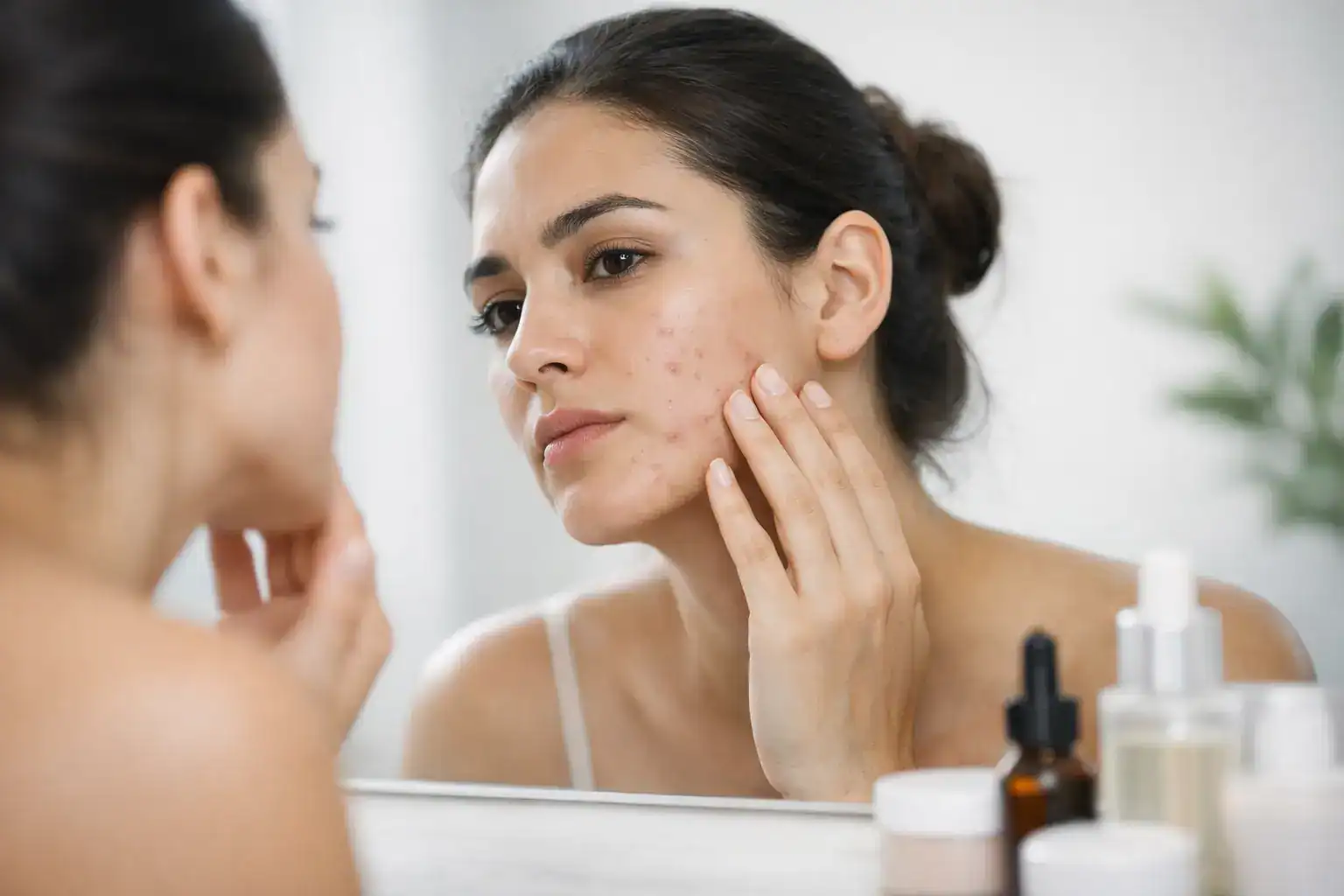
Dermatologist recommended professional acne scar treatment starts with identifying the type of scarring, assessing skin health, and selecting procedures that address the underlying damage. Uneven texture, deep depressions, and raised scars require different approaches. A treatment that improves one scar pattern may offer limited benefit for another.
We recommend approaching acne scar care with a clear goal: improving the appearance of scars while protecting the surrounding skin. Professional assessment helps establish which concerns can respond to treatment, how much recovery time may be necessary, and whether a combination of procedures is appropriate.
Understanding Acne Scars Before Choosing Treatment
Acne scarring can develop when inflammation damages skin tissue and alters the healing process. Some scars leave depressions, while others create thickened, raised areas. Flat marks left after breakouts may involve changes in colour rather than permanent changes in skin texture.
We should distinguish between these concerns before considering treatment. A procedure intended to lift a depressed scar serves a different purpose from treatment aimed at reducing discolouration.
Common Acne Scar Patterns
Dermatologists assess several patterns of scarring:
- Ice pick scars: Narrow, deep depressions that extend into the skin.
- Boxcar scars: Round or oval indentations with more clearly defined edges.
- Rolling scars: Broader depressions that create an uneven, wave-like appearance.
- Hypertrophic scars: Raised scars associated with excess scar tissue.
- Keloid scars: Thickened scars that extend beyond the original area of injury.
The depth, location, and combination of scars influence treatment selection. Many people have several scar patterns, making an individualised approach useful.
Professional Acne Scar Treatment Begins With a Consultation
A dermatologist examines the scars and considers skin tone, current breakouts, previous treatments, and expectations. Active acne generally needs control before scar procedures begin, because further inflammation can produce additional scars.
We recommend preparing a clear account of the concerns that matter most. These might include noticeable depressions on the cheeks, uneven texture under makeup, or raised scars that feel uncomfortable.
Information to Discuss Before Treatment
A useful consultation should cover:
- Current skincare products and prescription medicines.
- Previous acne treatments, including isotretinoin.
- Any history of unusual scarring or problems healing.
- The improvement being sought.
- Available recovery time and the overall treatment budget.
Sharing this information allows the dermatologist to assess suitability and explain a realistic treatment plan.
Microneedling for Depressed Acne Scars
Professional microneedling uses fine needles to create controlled punctures in the skin. The resulting healing response encourages collagen production, which may reduce the visibility of depressed acne scars.
Microneedling belongs among the procedures used to improve scar texture, but its suitability depends on the depth and nature of the scarring. Deep, sharply defined depressions may require additional treatment rather than needling alone.
We recommend evaluating microneedling as part of a complete plan. Ask which scars it is expected to improve, whether additional procedures are proposed, and how the dermatologist will assess progress. Multiple treatments may be necessary, so the decision should account for the entire course rather than the price of one appointment. DermNet
Laser Resurfacing for Uneven Skin Texture
Laser resurfacing for acne scars treats selected areas of damaged skin to improve the appearance of scarring. Dermatologists use different laser systems, and the choice affects treatment intensity, recovery, and suitability.
Laser treatment can help soften scar edges and improve texture as the skin heals. However, very deep scars may remain visible, even after improvement.
We recommend asking about the specific device being proposed rather than accepting “laser treatment” as a complete explanation. The consultation should clarify the intended benefit, likely recovery period, and potential complications.
Skin tone also deserves attention. Pigment changes can occur after resurfacing, particularly in darker or tanned skin. Assessment by a clinician experienced in treating the patient’s skin tone helps guide the choice of procedure and precautions.
Subcision for Tethered and Rolling Acne Scars
Some depressed scars remain pulled down by fibrous bands beneath the skin. Subcision targets these attachments by releasing the tissue that holds the scar in a depressed position.
This procedure may be considered for suitable rolling or bound-down scars. It does not serve the same purpose as surface resurfacing, and it is generally unsuitable as a standalone approach for deep ice pick scars.
We recommend discussing whether tethering is contributing to the uneven texture. That distinction helps explain why repeated surface treatments may not adequately address certain depressions.
Subcision requires clinical expertise. Potential complications include bruising, bleeding, infection, pigment changes, and injury to nearby structures. The dermatologist should explain these risks and determine whether the procedure fits the scar pattern and medical history.
Chemical Peels and Targeted Scar Procedures
Chemical peels use controlled chemical treatment to resurface the skin. Their suitability depends on the depth of treatment, the scar pattern, and the patient’s skin characteristics.
A superficial peel and a targeted treatment for a deep scar are different procedures. We recommend requesting a precise explanation of the proposed technique and the concern it is designed to address.
Procedures a Dermatologist May Consider
Depending on the assessment, options can include:
- Resurfacing peels for selected superficial irregularities.
- TCA CROSS, a targeted chemical technique for suitable scars.
- Punch excision for selected deep or prominent scars.
- Punch grafting, which replaces an excised area with a small skin graft.
These procedures require careful selection and professional application. Surgical scar treatment also involves a trade-off: replacing an existing scar with a potentially less noticeable healed area.
Dermal Fillers for Selected Depressed Scars
Dermal fillers can add volume beneath suitable depressed scars, helping bring them closer to the surrounding skin level. The material used and the scar’s characteristics influence the outcome.
Many fillers provide temporary improvement, so maintenance treatment may be necessary. We recommend discussing the expected duration, follow-up requirements, and total cost before proceeding.
Fillers may also form part of a combined approach when depressed scars need both release and additional volume. The dermatologist should explain why filling is appropriate for the particular area rather than presenting it as a universal solution for acne scarring.
Professional Treatment for Raised Acne Scars
Raised acne scars need a different strategy from depressed scars. Their treatment focuses on managing excess scar tissue.
Options may include corticosteroid injections, silicone products, cryotherapy, or selected laser procedures. Some scars require several approaches, and keloids can recur after treatment.
We recommend obtaining a clear diagnosis before choosing a procedure for a raised area. Its size, behaviour, symptoms, and previous response to treatment help guide the plan. Expectations should include the possibility of ongoing management rather than assuming that one procedure will provide a permanent result. dermnetnz.org
Planning Costs and Measuring Treatment Progress
Comparing professional acne scar treatments requires more than comparing appointment prices. We recommend requesting a written plan that identifies the procedures, anticipated number of visits, aftercare requirements, and circumstances that might change the approach.
Questions to Ask When Comparing Treatment Plans
Useful questions include:
- Which scars will each procedure target?
- What improvement would make the treatment worthwhile?
- How will progress be documented?
- When will the results be reviewed?
- What expenses are included in the quoted fee?
- Could additional treatment be recommended later?
Consistent photographs can make discussions about progress more useful. We should also distinguish between early changes during recovery and the eventual appearance after healing.
Aftercare Following Professional Acne Scar Treatment
Aftercare supports recovery and helps protect treatment results. Instructions vary by procedure, so the dermatologist’s guidance should take priority over a general skincare routine.
Gentle care, appropriate cleansing, and sun protection commonly form part of recovery. The American Academy of Dermatology recommends broad-spectrum, water-resistant SPF 30 or higher sunscreen for treated skin.
Recovery Habits to Follow
We recommend:
- Using the products advised by the treating dermatologist.
- Avoiding makeup until the clinician permits it.
- Following instructions on washing the treated area.
- Limiting sun exposure and avoiding tanning.
- Attending recommended follow-up appointments.
- Continuing acne management as instructed.
Improvement can take time because collagen formation and tissue healing develop gradually. Multiple treatment sessions are often necessary.
FAQs about Dermatologist Recommended Professional Acne Scar Treatment
What is the best dermatologist-recommended professional acne scar treatment?
The best treatment depends on the type, depth, and severity of acne scars. Dermatologists may recommend laser resurfacing, microneedling, chemical peels, dermal fillers, subcision, or a combination of treatments after examining the skin.
Can professional acne scar treatments permanently remove scars?
Professional treatments can significantly reduce the appearance of acne scars, but complete removal is not always possible. A dermatologist can create a personalised treatment plan to improve skin texture, tone, and overall appearance.
Is laser treatment effective for acne scars?
Yes. Laser acne scar treatment can stimulate collagen production and improve certain types of depressed or uneven scars. The most suitable laser technique depends on the patient’s skin type and scar characteristics.
How many treatment sessions are usually required?
The number of sessions varies according to the treatment method and severity of scarring. Some people notice improvement after a few sessions, while deeper scars may require multiple treatments over time.
Is microneedling recommended by dermatologists for acne scars?
Microneedling is commonly used for selected atrophic acne scars. It creates controlled micro-injuries that encourage collagen production and gradual skin renewal.
Are professional acne scar treatments safe for all skin tones?
Many treatments can be safely performed on different skin tones, but the technique and settings must be carefully selected. Professional assessment is particularly important for reducing the risk of pigmentation changes.
When should we see a dermatologist for acne scars?
We recommend consulting a dermatologist when scars are persistent, deep, uneven, or affecting confidence. Early professional assessment can help identify the most appropriate acne scar treatment options.
Conclusion
The most useful professional acne scar treatment is one selected for the individual scar pattern, skin characteristics, and treatment goals. We recommend starting with a dermatologist’s assessment, obtaining a clearly explained plan, and allowing adequate time for recovery and review.
A considered approach makes it easier to choose appropriate procedures, understand their limitations, and work towards smoother, more even-looking skin with realistic expectations.