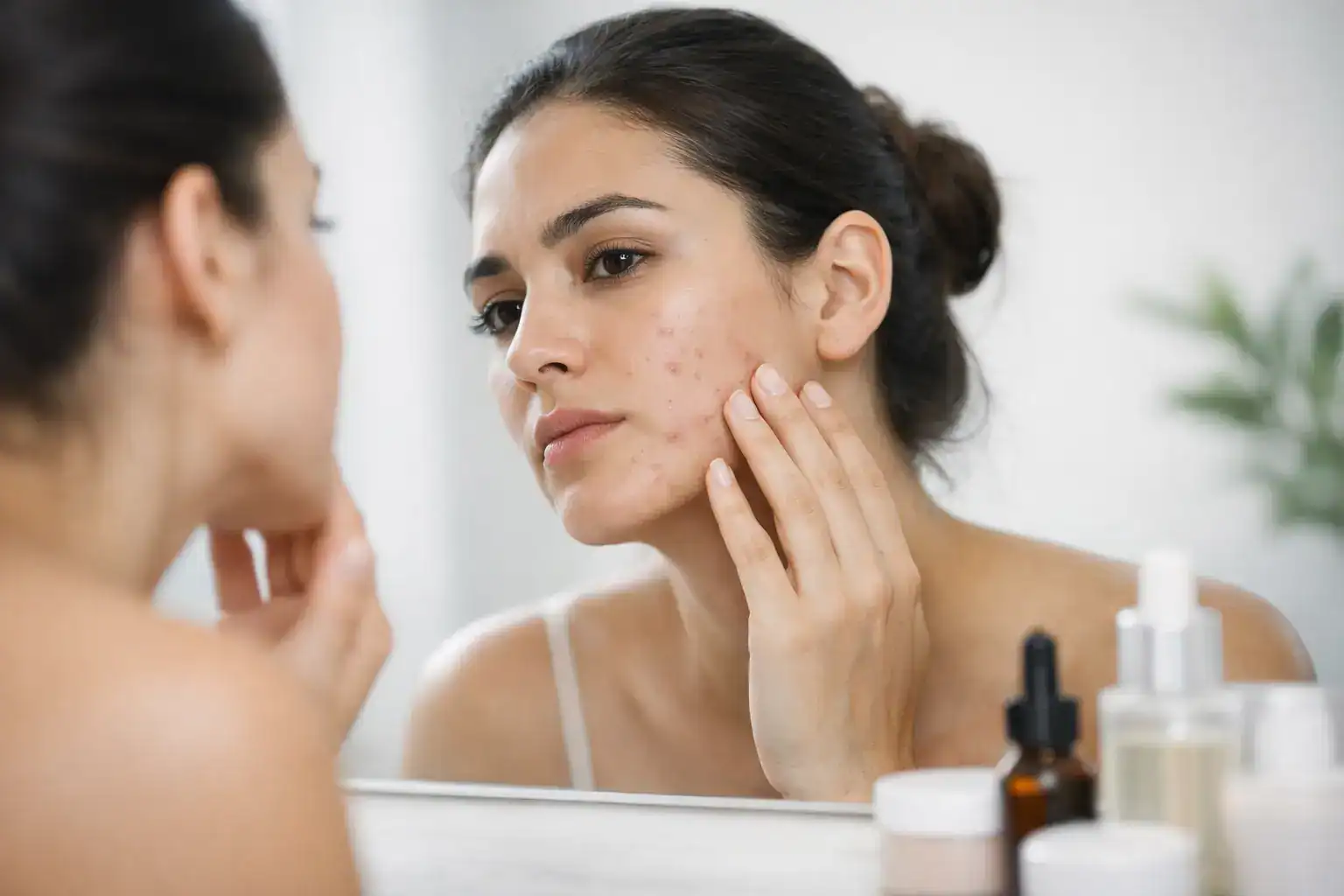
Prolonged exposure to ultraviolet (UV) radiation can significantly affect skin health, leading to sunspots, uneven skin tone, premature wrinkles, pigmentation, and rough skin texture. While skincare products may improve mild discoloration, stubborn sun damage often requires professional treatment to achieve noticeable results.
Dermatologist recommended laser treatment for sun damage offers an effective approach to reducing visible signs of photodamage and improving overall skin appearance. These treatments use targeted light energy to address excess pigmentation, stimulate collagen production, and promote smoother-looking skin.
At our practice, we recognize that every skin type requires a personalized approach. Understanding the available laser treatments, their benefits, potential risks, and recovery requirements can help patients make informed decisions about achieving healthier, more youthful-looking skin.
What Is Laser Treatment for Sun Damage?
Laser treatment for sun damage is a dermatological procedure that uses concentrated light energy to target skin concerns caused by prolonged sun exposure. Depending on the technology, lasers can break down excess pigment, stimulate collagen production, or remove damaged outer skin layers.
Common signs of sun damage include:
- Sunspots and age spots: Darkened patches caused by accumulated UV exposure.
- Hyperpigmentation: Uneven skin discoloration associated with excess melanin production.
- Fine lines and wrinkles: Visible signs of collagen breakdown.
- Rough skin texture: Uneven surfaces and changes in skin smoothness.
- Uneven skin tone: Areas of discoloration that affect overall complexion.
- Visible blood vessels: Redness and small facial vessels associated with chronic sun exposure.
A qualified dermatologist evaluates the skin before recommending a treatment, ensuring that the selected procedure addresses the patient’s concerns while minimizing complications.
Best Dermatologist Recommended Laser Treatments for Sun Damage
Several laser technologies are used to treat sun-damaged skin. The most suitable option depends on pigmentation severity, skin tone, treatment goals, and individual sensitivity.
1. Fractional CO2 Laser Treatment
Fractional CO2 laser resurfacing is commonly recommended for patients experiencing significant sun damage, deeper wrinkles, and uneven skin texture.
This treatment creates controlled microscopic treatment zones in the skin, encouraging tissue renewal and collagen remodeling.
Key benefits include:
- Reduces the appearance of fine lines and wrinkles.
- Improves rough or uneven skin texture.
- Helps diminish certain types of sun-related pigmentation.
- Stimulates collagen production for firmer-looking skin.
- Addresses multiple signs of advanced photoaging.
However, fractional CO2 lasers require more recovery time than many non-ablative treatments. They also carry a greater risk of post-inflammatory hyperpigmentation, particularly in darker skin tones.
2. Fraxel Laser Treatment for Sun Damage
Fraxel is a brand associated with fractional laser technologies that treat selected portions of the skin while leaving surrounding tissue intact.
Depending on the device and wavelength, fractional laser treatments can improve pigmentation irregularities, fine lines, and skin texture.
Advantages of fractional laser treatment include:
- Improves visible sunspots and discoloration.
- Reduces fine lines and early signs of aging.
- Encourages collagen remodeling.
- Creates a smoother-looking skin surface.
- Offers different treatment intensities based on skin concerns.
We recommend discussing the specific Fraxel device with a dermatologist because treatment depth, recovery, and effectiveness vary between technologies.
3. IPL Photofacial for Sun Damage
Intense Pulsed Light (IPL) therapy is frequently used to address sunspots, freckles, facial redness, and uneven pigmentation.
Although IPL is technically not a laser, dermatologists often recommend it alongside laser treatments for sun damage.
IPL delivers multiple wavelengths of light that selectively target pigment and certain visible blood vessels.
Its main benefits include improved skin tone, reduced discoloration, and relatively limited downtime.
IPL is generally more suitable for selected lighter skin tones. Patients with darker skin may face an increased risk of burns or pigmentation changes, making professional assessment essential.
4. Pico Laser Treatment for Sunspots
Picosecond laser treatment delivers extremely short pulses of energy designed to target pigment with limited surrounding heat exposure.
Certain picosecond laser systems are used to address selected pigmentation concerns, including sunspots and uneven skin tone.
Potential benefits include:
- Targets localized pigmentation.
- Helps reduce certain dark spots.
- Offers relatively short treatment sessions.
- May require less downtime than aggressive resurfacing procedures.
- Provides treatment options for selected skin types.
Results depend on the pigmentation condition, laser wavelength, settings, and the dermatologist’s experience. Not every form of hyperpigmentation responds safely or predictably to picosecond lasers.
5. Non-Ablative Fractional Laser Treatment
Non-ablative fractional lasers heat targeted areas beneath the skin surface without removing the entire outer skin layer.
These treatments are often considered for mild to moderate sun damage, early wrinkles, and uneven texture.
Compared with aggressive ablative resurfacing, non-ablative procedures generally involve shorter recovery periods. However, patients may require multiple sessions to achieve their desired improvement.
How Dermatologists Choose the Right Laser for Sun-Damaged Skin
Selecting the best laser treatment for sun damage requires more than identifying visible discoloration. Dermatologists consider several clinical factors before recommending a procedure.
Important Factors Evaluated Before Treatment
- Skin type and complexion: Darker skin tones require careful laser selection to reduce the risk of unwanted pigmentation changes.
- Severity of sun damage: Mild discoloration may respond to less aggressive treatment, while advanced photoaging may require resurfacing.
- Type of pigmentation: Sunspots, melasma, and post-inflammatory hyperpigmentation require different treatment strategies.
- Skin sensitivity: Patients with sensitive skin or certain medical conditions may need alternative procedures.
- Recovery expectations: Treatment intensity should align with the patient’s ability to accommodate redness, swelling, and healing time.
- Medical history: Medications, previous pigmentation problems, infections, and abnormal scarring may affect suitability.
We emphasize that suspicious or changing pigmented lesions should be examined before cosmetic laser treatment. Some lesions that resemble ordinary sunspots may require medical investigation.
Benefits of Dermatologist Recommended Laser Treatment for Sun Damage
Professional laser treatments can provide improvements that topical skincare products alone may not achieve.
Visible Improvements Patients May Experience
Reduction in sunspots and pigmentation: Pigment-targeting lasers can lighten selected dark spots caused by accumulated UV exposure.
Improved skin texture: Fractional resurfacing procedures may reduce roughness and promote a smoother skin surface.
Reduced fine lines: Collagen remodeling can soften the appearance of wrinkles associated with sun exposure.
More even complexion: Appropriate laser treatments can improve certain pigmentation irregularities.
Long-term skin rejuvenation: Collagen stimulation may produce gradual improvements over several months.
However, laser treatment does not completely reverse all biological effects of UV exposure or eliminate the risk of skin cancer.
What to Expect During Laser Treatment for Sun Damage
Understanding the procedure helps patients prepare for their appointment and recovery.
Before the Procedure
A dermatologist examines the skin, identifies the type of sun damage, and discusses realistic treatment outcomes.
Patients may be advised to avoid tanning, excessive sun exposure, and certain irritating skincare products before treatment.
Some procedures require topical anesthetic cream to improve comfort.
During the Laser Session
The dermatologist directs controlled laser energy toward the treatment area. Patients may experience warmth, mild stinging, or a snapping sensation.
Treatment duration depends on the area being treated, the laser technology, and the procedure’s intensity.
After the Procedure
Temporary redness, swelling, and skin sensitivity are common.
Pigmented spots may initially appear darker before gradually fading. More intensive resurfacing procedures can produce crusting, peeling, and longer healing periods.
Following professional aftercare instructions is essential to support recovery and reduce complications.
Laser Treatment for Sun Damage: Recovery and Results
Recovery differs considerably between laser technologies.
| Treatment option | Typical recovery | Treatment considerations |
|---|---|---|
| Fractional CO2 laser | Approximately 1–2 weeks of initial healing | Suitable for selected cases of more advanced photoaging |
| Non-ablative fractional laser | Often 1–3 days of redness | Multiple sessions may be needed |
| IPL photofacial | Usually minimal downtime | Often used for selected sunspots and redness |
| Picosecond laser | Often several days or less, depending on settings | Primarily targets selected pigmentation concerns |
| More intensive fractional resurfacing | Several days to 2 weeks or longer | Recovery depends on laser type and intensity |
These timeframes are estimates rather than guaranteed recovery periods. Skin tone, treatment depth, device settings, and individual healing responses influence the outcome.
Pigmentation improvements may become visible over several weeks, while collagen-related changes can develop gradually over months.
How to Maintain Results After Laser Treatment for Sun Damage
Successful laser treatment requires consistent skincare and sun protection. Without adequate protection, additional UV exposure can contribute to new pigmentation and premature aging.
Essential Aftercare and Prevention Tips
- Apply broad-spectrum SPF 30 or higher sunscreen daily and reapply as directed, particularly during outdoor activities.
- Avoid direct sun exposure while the skin is healing.
- Use gentle skincare products recommended by the treating dermatologist.
- Maintain adequate skin hydration with an appropriate moisturizer.
- Avoid picking or peeling treated skin, as this can cause scarring or discoloration.
- Attend follow-up appointments to assess healing and treatment progress.
- Use protective clothing and shade to minimize additional UV exposure.
We recommend maintaining a consistent skincare routine after treatment to protect the results and support overall skin health.
Is Laser Treatment for Sun Damage Safe for All Skin Types?
Laser treatment can be appropriate for many skin types, but not every device is suitable for every complexion.
Patients with darker skin tones have a greater risk of post-inflammatory hyperpigmentation following certain laser procedures, particularly aggressive resurfacing treatments.
Those with melasma also require special consideration because heat-based treatments can sometimes worsen discoloration.
A dermatologist experienced in treating diverse skin tones can help determine whether laser therapy, topical medication, chemical peels, or another approach offers a safer option.
Potential risks include temporary redness, swelling, burns, infection, scarring, and unwanted darkening or lightening of the skin.
When Should You Consult a Dermatologist for Sun Damage?
Professional evaluation is particularly beneficial when sun damage becomes persistent, widespread, or difficult to manage with regular skincare.
We recommend consulting a dermatologist when dark spots continue to increase, pigmentation appears uneven, or premature wrinkles and rough texture become noticeable.
Any mole or pigmented lesion that changes in size, shape, or color, bleeds, or fails to heal should receive medical attention before cosmetic treatment.
An appropriate assessment helps distinguish cosmetic sun damage from conditions requiring medical care.
FAQs about Dermatologist Recommended Laser Treatment for Sun Damage
1. What Is the Best Laser Treatment for Sun Damage?
Dermatologists commonly recommend fractional laser resurfacing, IPL (Intense Pulsed Light), and pigment-targeting lasers for sun-damaged skin. The best treatment depends on your skin type, pigmentation, and severity of sun damage.
2. Can Laser Treatment Remove Sun Damage Permanently?
Laser treatment for sun damage can significantly reduce dark spots, uneven skin tone, and visible signs of photoaging. However, new sun damage can develop without consistent sun protection.
3. Is Dermatologist Recommended Laser Treatment Safe?
Yes, laser treatment for sun-damaged skin is generally safe when performed by a qualified professional. However, temporary redness, swelling, and pigmentation changes may occur. Darker skin tones require particular care to reduce pigmentation risks.
4. How Many Laser Sessions Are Needed for Sun Damage?
Most patients require one to several sessions, depending on the treatment method and extent of skin damage. A dermatologist will recommend a personalized treatment plan.
5. How Much Does Laser Treatment for Sun Damage Cost?
The cost of laser treatment for sun damage varies depending on the laser technology, treatment area, clinic location, and number of sessions required.
6. Is Laser Treatment Better Than Chemical Peels for Sun Damage?
Laser treatments can target pigmentation and improve skin texture, while chemical peels help exfoliate damaged skin. The better option depends on individual skin concerns and treatment goals.
7. How Long Does Recovery Take After Laser Treatment?
Recovery varies by procedure. Non-ablative lasers typically require minimal downtime, while more intensive resurfacing treatments may require one to two weeks or longer.
8. Who Should Avoid Laser Treatment for Sun Damage?
Individuals with active skin infections, recent tanning, or certain pigmentation disorders may need to postpone or avoid specific laser procedures. A dermatologist should assess suitability before treatment.
Conclusion
Dermatologist recommended laser treatment for sun damage provides an effective option for improving selected sunspots, uneven pigmentation, fine lines, and skin texture. Technologies such as fractional CO2 lasers, Fraxel treatments, picosecond lasers, and IPL photofacials offer different benefits depending on individual skin concerns.
We believe that successful treatment begins with an accurate dermatological assessment, appropriate technology selection, and realistic expectations. By combining professional procedures with consistent sun protection and proper skincare, patients can achieve a clearer, smoother, and more even-looking complexion while protecting their skin from future UV damage.