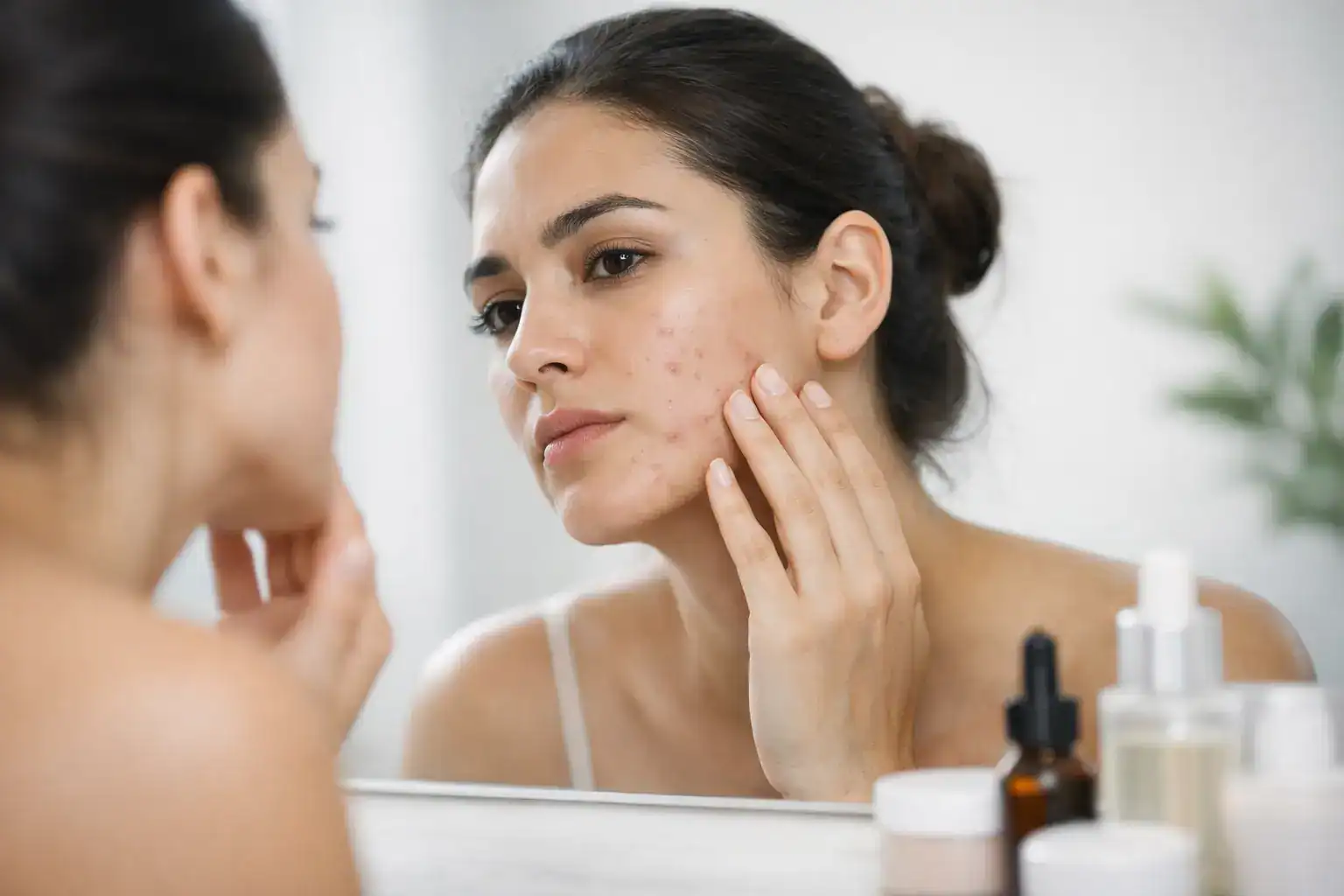
Achieving smoother, clearer, and more youthful-looking skin requires more than ordinary skincare products. Dermatologist recommended laser skin treatment offers an effective solution for addressing acne scars, pigmentation, wrinkles, sun damage, and uneven skin texture. These advanced dermatological procedures use targeted light energy to improve skin appearance, stimulate collagen production, and treat specific skin concerns.
We understand that every skin type requires a personalized approach. Whether the goal is reducing dark spots, improving skin firmness, or restoring a more even complexion, choosing the right laser skin treatment recommended by dermatologists can make a significant difference in achieving safe, long-lasting improvements.
What Is Dermatologist Recommended Laser Skin Treatment?
Dermatologist recommended laser skin treatment refers to medically supervised procedures that use concentrated light energy to target specific skin conditions. Depending on the technology, laser treatments can remove damaged outer skin layers, stimulate collagen production, or target excess pigmentation and visible blood vessels.
Unlike conventional skincare products, laser treatments deliver controlled energy to specific areas of the skin. This allows dermatologists to address concerns that may not respond adequately to topical treatments alone.
We recommend selecting treatments based on skin type, pigmentation, medical history, and individual aesthetic goals rather than choosing a procedure solely because it is popular.
Best Dermatologist Recommended Laser Skin Treatments
Several laser technologies are commonly used in dermatology. Each offers different benefits depending on the skin condition being treated.
1. Fractional CO2 Laser Treatment
Fractional CO2 laser treatment is an established option for improving acne scars, deeper wrinkles, and uneven skin texture.
It works by creating microscopic treatment zones in the skin, encouraging collagen remodeling and controlled skin renewal.
Key benefits include:
- Improving the appearance of acne scars and certain surgical scars.
- Reducing fine lines and wrinkles.
- Smoothing rough or uneven skin texture.
- Supporting collagen production.
- Improving selected forms of sun-damaged skin.
However, fractional CO2 treatments require recovery time and carry a risk of post-inflammatory hyperpigmentation, particularly in darker skin tones.
2. Erbium YAG Laser Skin Resurfacing
Erbium YAG laser treatment is another effective resurfacing option for fine lines, superficial scars, and uneven skin texture.
Compared with traditional CO2 resurfacing, erbium lasers may cause less surrounding thermal damage, depending on the settings and treatment technique.
We consider this technology particularly useful when precise resurfacing is required. Recovery time varies according to treatment depth, and patients still need careful aftercare and sun protection.
3. Fractional Non-Ablative Laser Treatment
Fractional non-ablative lasers deliver energy beneath the skin surface without removing the entire outer skin layer.
These treatments are commonly used for mild acne scarring, early signs of aging, and uneven skin texture.
Advantages include:
- Less downtime than many ablative treatments.
- Gradual improvement in skin texture.
- Stimulation of collagen remodeling.
- Treatment options for mild to moderate skin concerns.
- The possibility of returning to normal activities relatively quickly.
Multiple sessions are often required, and improvements typically develop gradually over several weeks or months.
4. Picosecond Laser Treatment
Picosecond laser treatment delivers extremely short pulses of energy to selected skin targets.
Dermatologists may use picosecond lasers for tattoo removal, certain pigmented lesions, and selected acne scars.
Some fractional picosecond systems can also improve skin texture through collagen stimulation.
Nevertheless, not all pigmentation conditions respond equally well. Melasma, for example, may worsen or recur following unsuitable laser treatment. We therefore emphasize accurate diagnosis before selecting a pigmentation laser.
5. Pulsed Dye Laser Treatment
Pulsed dye lasers are designed primarily to target hemoglobin in blood vessels.
They are frequently used for vascular conditions such as facial redness, certain visible blood vessels, and selected red scars.
This technology can be beneficial for patients experiencing persistent redness associated with specific dermatological conditions.
Treatment suitability depends on the underlying diagnosis, skin tone, and severity of the vascular concern.
Benefits of Dermatologist Recommended Laser Skin Treatment
Professional laser procedures offer several potential advantages when performed by appropriately trained practitioners.
Improved Skin Texture and Smoothness
Laser resurfacing can reduce roughness and improve irregular skin texture by encouraging skin renewal and collagen remodeling. This makes it useful for certain acne scars and aging-related changes.
Reduction of Fine Lines and Wrinkles
Some resurfacing lasers stimulate collagen production, which may improve the appearance of fine lines and moderate wrinkles.
While laser treatments cannot completely stop skin aging, they can provide noticeable improvements in appropriately selected patients.
Treatment of Hyperpigmentation and Sun Damage
Certain laser technologies can target excess pigment associated with sunspots and other diagnosed pigmentation disorders.
However, not every dark spot should be treated with a laser. Some pigmented lesions require medical evaluation before any cosmetic procedure.
Improvement in Acne Scars
Fractional resurfacing treatments can help soften the appearance of atrophic acne scars.
We recognize that deep or complex scars may require combination treatments, such as subcision, microneedling, or other dermatologist-directed procedures.
How to Choose the Best Laser Skin Treatment for Your Skin Type
Selecting the best dermatologist recommended laser skin treatment requires professional assessment rather than relying on promotional claims.
Important Factors Dermatologists Evaluate
Before recommending treatment, dermatologists typically consider:
- Skin type and tone: Darker skin may have an increased risk of unwanted pigmentation changes with certain lasers.
- Primary skin concern: Acne scars, wrinkles, redness, and pigmentation require different treatment approaches.
- Medical history: Previous scarring, active infections, medications, and certain medical conditions may affect suitability.
- Expected downtime: Ablative resurfacing generally requires more recovery than lighter non-ablative procedures.
- Treatment expectations: Results depend on the condition, laser technology, and number of sessions.
We encourage patients to discuss both the potential benefits and possible complications before beginning treatment.
Dermatologist Recommended Laser Treatment for Dark Skin
Laser skin treatments can be performed on darker skin tones, but careful technology selection and treatment settings are essential.
Individuals with higher levels of melanin may face an increased risk of post-inflammatory hyperpigmentation, hypopigmentation, and burns following inappropriate treatment.
For this reason, we recommend consulting a dermatologist experienced in treating diverse skin tones.
Depending on the skin concern, carefully selected non-ablative fractional lasers or other specialized technologies may be considered. No single laser is universally safe or effective for every darker skin type.
Pre-treatment skincare, appropriate laser parameters, and diligent sun protection can help reduce complications.
What to Expect During a Professional Laser Skin Treatment
Understanding the procedure helps patients prepare for treatment and recovery.
Before the Procedure
A dermatologist examines the skin, reviews relevant medical history, and establishes realistic treatment goals.
Patients may be advised to avoid tanning, irritating skincare products, or certain treatments before their appointment.
During the Treatment
Depending on the procedure, a topical anesthetic may be applied to improve comfort.
The laser device then delivers controlled energy to the treatment area. Patients may experience warmth, tingling, or a snapping sensation.
Protective eyewear is essential during laser procedures.
After the Procedure
Temporary redness, swelling, sensitivity, or peeling may occur.
Recovery can range from a short period following gentle non-ablative treatment to one or more weeks after deeper ablative resurfacing.
We emphasize following the dermatologist’s aftercare instructions, using recommended moisturizers, and protecting the skin from ultraviolet exposure.
How Many Laser Skin Treatment Sessions Are Needed?
The number of sessions depends on the skin concern, laser technology, and desired improvement.
Some intensive ablative resurfacing procedures may produce meaningful results after a single session. In contrast, non-ablative fractional treatments often require a series of appointments.
Pigmentation disorders and acne scars may also need multiple treatments or a combination of therapies.
Results are not always immediate. Collagen remodeling can continue for several months, while pigmentation improvements may become visible sooner.
Maintenance treatments may be recommended depending on the condition and the individual’s response.
Are Dermatologist Recommended Laser Skin Treatments Safe?
Laser skin procedures have an established role in dermatology, but they are not risk-free.
Potential complications include prolonged redness, burns, infection, scarring, and temporary or persistent pigmentation changes.
Risks can be greater when unsuitable devices, excessive energy settings, or inadequate aftercare are involved.
We recommend choosing a qualified dermatologist or appropriately trained medical professional who can evaluate skin conditions, explain treatment limitations, and manage complications.
Patients with suspicious skin lesions, active skin infections, or a history of abnormal scarring should receive appropriate medical assessment before undergoing cosmetic laser treatment.
How to Maintain Results After Laser Skin Treatment
The effectiveness of laser treatment also depends on proper skincare and long-term maintenance.
Essential Post-Treatment Skincare Tips
- Use broad-spectrum sunscreen: SPF 30 or higher helps protect treated skin and reduce sun-related pigmentation changes.
- Keep skin moisturized: Use gentle products recommended by the treating dermatologist.
- Avoid harsh exfoliation: Do not introduce strong acids or retinoids until the skin has adequately healed.
- Avoid picking or scratching: Allow peeling or crusting to resolve naturally.
- Attend follow-up appointments: Professional monitoring helps evaluate healing and treatment effectiveness.
We also recommend addressing underlying skin conditions, such as acne or melasma, to reduce the likelihood of recurring problems.
Why Professional Dermatologist Consultation Matters
A dermatologist can distinguish between cosmetic skin concerns and medical conditions that require different treatment.
For instance, dark patches may result from sun exposure, inflammation, hormonal influences, or other causes. Treating all pigmentation with the same laser can produce disappointing results or worsen discoloration.
A professional consultation also provides an opportunity to compare laser resurfacing with alternatives such as chemical peels, prescription skincare, or microneedling.
We believe that effective treatment should prioritize skin health, safety, and realistic improvement rather than aggressive procedures or promises of flawless skin.
FAQs about Dermatologist Recommended Laser Skin Treatment
1. What is the best dermatologist recommended laser skin treatment?
The best dermatologist recommended laser skin treatment depends on your skin type and concerns. Fractional CO2 lasers, erbium lasers, and non-ablative fractional lasers are commonly used to improve wrinkles, acne scars, uneven texture, and sun damage.
2. Is laser skin treatment safe for all skin types?
Laser skin treatment can be safe for various skin types when performed by a qualified dermatologist. However, people with darker skin tones may require specific laser technologies and settings to reduce the risk of pigmentation changes.
3. How many laser skin treatment sessions are needed?
The number of sessions depends on the treatment type and skin condition. Some patients notice improvements after one session, while others require multiple treatments for optimal results.
4. Does dermatologist recommended laser skin treatment hurt?
Most patients experience mild discomfort during treatment. Dermatologists may apply topical numbing cream or use cooling techniques to improve comfort throughout the procedure.
5. How long does it take to recover from laser skin treatment?
Recovery varies depending on the laser technology. Non-ablative laser treatments generally require minimal downtime, while ablative procedures may involve several days or longer of redness, peeling, and healing.
6. Can laser skin treatment remove acne scars and dark spots?
Yes, certain laser skin treatments can improve acne scars, pigmentation, and uneven skin texture. However, results vary, and some pigmentation conditions may worsen with inappropriate laser treatment.
7. Are laser skin treatment results permanent?
Results can be long-lasting, but natural aging, sun exposure, and lifestyle factors may affect their duration. We recommend consistent skincare, daily sunscreen, and dermatologist-guided maintenance treatments to help preserve results.
Conclusion
Dermatologist recommended laser skin treatment provides valuable options for improving acne scars, fine lines, uneven skin texture, visible redness, and certain pigmentation concerns. Technologies such as fractional CO2, erbium YAG, picosecond, and non-ablative fractional lasers offer different benefits for specific skin conditions.
The most suitable approach depends on skin type, treatment goals, medical history, and the expertise of the practitioner. With proper assessment, personalized treatment planning, and consistent aftercare, laser skin procedures can deliver meaningful improvements in skin appearance while helping patients maintain healthier-looking skin.