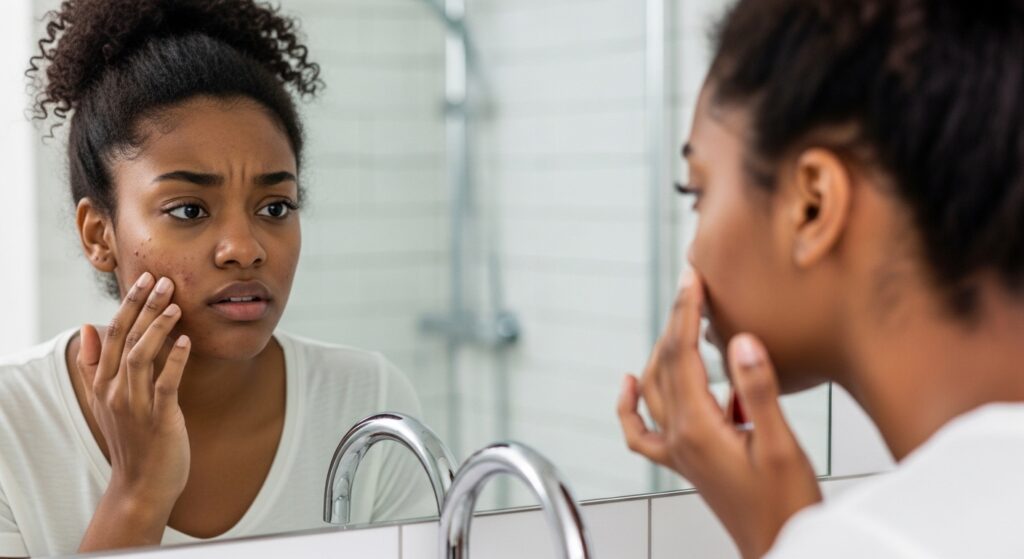
Dermatologist recommended CO2 laser skin resurfacing is an advanced cosmetic procedure designed to improve skin texture, reduce wrinkles, minimize acne scars, and address visible signs of aging. By using controlled laser energy to remove damaged outer skin layers and stimulate collagen production, this treatment encourages smoother, firmer, and more youthful-looking skin.
We recognize that achieving healthier skin requires a personalized approach. Dermatologists may recommend CO2 laser resurfacing treatment for individuals experiencing deep wrinkles, uneven skin tone, sun damage, or persistent acne scarring. However, the most suitable treatment depends on skin type, medical history, and individual aesthetic goals.
Why Dermatologists Recommend CO2 Laser Skin Resurfacing
CO2 laser skin resurfacing is widely used in dermatology because it can address multiple skin concerns through a single treatment approach. Unlike superficial cosmetic procedures, ablative CO2 lasers target damaged skin while stimulating natural skin renewal.
Key Benefits of Dermatologist Recommended CO2 Laser Treatment
When performed by a qualified dermatologist, CO2 laser skin resurfacing may provide several improvements:
- Wrinkle Reduction: Softens fine lines and deeper facial wrinkles, particularly around the eyes and mouth.
- Acne Scar Improvement: Reduces the appearance of certain atrophic acne scars by encouraging skin remodeling.
- Collagen Stimulation: Promotes collagen production to improve skin firmness and texture.
- Sun Damage Correction: Helps reduce some visible effects of prolonged sun exposure, including uneven pigmentation.
- Skin Texture Enhancement: Improves roughness, irregular skin surfaces, and certain enlarged pores.
- Long-Lasting Results: Can provide improvements lasting several years, although natural aging and sun exposure continue.
These benefits make dermatologist recommended CO2 laser resurfacing an option for patients seeking noticeable skin rejuvenation without surgical facial procedures.
Types of CO2 Laser Skin Resurfacing Recommended by Dermatologists
Dermatologists generally consider two main approaches to CO2 laser resurfacing. Each delivers different treatment intensities, recovery requirements, and potential results.
1. Fractional CO2 Laser Skin Resurfacing
Fractional CO2 laser treatment creates microscopic treatment zones while leaving surrounding areas of skin relatively intact. This approach supports healing and is commonly used to address acne scars, fine lines, and uneven skin texture.
Because only a fraction of the skin surface is treated, recovery is generally shorter than with traditional fully ablative resurfacing. However, redness, swelling, peeling, and temporary pigmentation changes can still occur.
2. Fully Ablative CO2 Laser Resurfacing
Fully ablative CO2 resurfacing treats the entire selected skin surface rather than creating separated microscopic treatment zones.
Dermatologists may consider this technique for more pronounced wrinkles, significant photodamage, and certain textural irregularities. It can produce substantial improvement but requires more extensive healing and carries greater risks of infection, scarring, and pigmentation changes.
We emphasize the importance of professional assessment before choosing either treatment.
Who Is a Good Candidate for CO2 Laser Skin Resurfacing?
Not everyone seeking skin rejuvenation will benefit equally from CO2 laser treatment. Dermatologists evaluate skin condition, pigmentation, healing ability, and overall health before recommending treatment.
Suitable candidates may include individuals experiencing:
- Fine lines and moderate to deep facial wrinkles.
- Atrophic acne scars and uneven skin texture.
- Visible sun damage and selected pigmentation concerns.
- Rough skin or age-related changes in skin appearance.
- Realistic expectations about treatment results and recovery.
Patients with darker skin tones require particular attention because ablative laser procedures can increase the risk of post-inflammatory hyperpigmentation or hypopigmentation.
Active skin infections, certain medications, a history of poor wound healing, or conditions that increase scarring risk may also affect treatment suitability. Dermatologists may recommend alternative procedures when CO2 resurfacing presents unnecessary risks.
What Happens During Dermatologist Recommended CO2 Laser Resurfacing?
Understanding the treatment process helps patients prepare for their appointments and recovery.
Initial Skin Consultation
We recommend beginning with a comprehensive dermatological consultation. During this appointment, the dermatologist examines skin texture, identifies treatment concerns, reviews medical history, and discusses potential complications.
A personalized treatment plan may include recommendations for sun protection, skincare adjustments, and preventive measures for pigmentation changes.
Preparation and Laser Treatment
Before treatment, the skin is cleansed and an appropriate anesthetic is administered. Depending on treatment depth and area, local anesthesia, topical numbing medication, or additional pain management may be required.
The dermatologist then directs controlled CO2 laser energy toward the selected treatment area. The laser vaporizes targeted tissue while delivering heat that encourages collagen remodeling.
Treatment duration varies according to the area treated and the procedure’s intensity.
Recovery and Skin Healing
After CO2 laser skin resurfacing, the treated area may appear red, swollen, sensitive, and similar to a significant sunburn.
Initial healing often takes approximately one to two weeks for fractional treatment, although deeper resurfacing may require longer. Redness can persist for several weeks or months.
New collagen formation continues after the skin surface heals, allowing gradual improvements in texture and firmness.
How to Maintain Results After CO2 Laser Skin Resurfacing
Proper aftercare is essential for protecting healing skin and maintaining improvements.
Dermatologist Recommended Aftercare Tips
We recommend following the treating dermatologist’s instructions, which may include:
- Gentle Cleansing: Clean treated skin only as directed to prevent irritation and infection.
- Consistent Moisturization: Use prescribed ointments or recommended moisturizers to support healing.
- Sun Protection: Avoid direct sunlight during initial recovery and use broad-spectrum SPF 30 or higher once permitted.
- Avoiding Harsh Products: Temporarily discontinue retinoids, exfoliating acids, and abrasive skincare products until cleared by the dermatologist.
- Preventing Skin Trauma: Avoid scratching, picking, or prematurely removing peeling skin.
- Follow-Up Appointments: Attend scheduled reviews so the dermatologist can monitor healing and identify complications early.
Appropriate skincare and protection against ultraviolet exposure can help preserve treatment results.
CO2 Laser Skin Resurfacing Risks and Safety Considerations
Although dermatologist recommended CO2 laser resurfacing can deliver significant cosmetic improvements, it is not risk-free.
Potential complications include prolonged redness, infection, acne flare-ups, herpes simplex reactivation, scarring, and permanent or temporary pigmentation changes.
The risk varies according to laser settings, treatment depth, skin type, and the practitioner’s expertise.
We encourage patients to choose a qualified dermatologist experienced in ablative laser resurfacing, particularly when treating darker skin tones or deeper acne scars.
A thorough consultation should include an explanation of the expected results, realistic recovery time, possible complications, and available alternatives.
How to Choose the Best Dermatologist for CO2 Laser Skin Resurfacing
Choosing an experienced professional is one of the most important decisions when considering laser skin rejuvenation.
Important Factors to Consider Before Booking Treatment
Before scheduling a procedure, we recommend evaluating the following:
- Professional Qualifications: Confirm that the practitioner is a properly qualified dermatologist with relevant laser treatment training.
- Treatment Experience: Look for experience treating similar skin concerns and skin tones.
- Laser Technology: Ask whether fractional or fully ablative CO2 resurfacing is appropriate for your condition.
- Personalized Assessment: Choose a provider who examines your skin rather than recommending identical treatments to every patient.
- Safety Protocols: Confirm that the clinic provides appropriate infection prevention, eye protection, and post-treatment care.
- Transparent Treatment Costs: Request a clear explanation of consultation charges, procedure fees, medications, and follow-up expenses.
A reputable provider should explain both the potential benefits and limitations of treatment without promising flawless skin or guaranteed outcomes.
CO2 Laser Skin Resurfacing vs. Other Skin Rejuvenation Treatments
CO2 laser resurfacing is not always the best solution for every skin concern. Alternative procedures may offer advantages depending on individual skin characteristics.
Non-ablative laser treatments stimulate collagen with less surface disruption, often resulting in shorter recovery periods but requiring multiple sessions for more subtle improvements.
Microneedling and radiofrequency microneedling may improve certain acne scars and textural concerns while presenting different recovery requirements.
Chemical peels can address selected pigmentation and surface irregularities, although their effectiveness depends on peel depth and skin condition.
We recommend comparing these options with a dermatologist before deciding on the most appropriate procedure.
How Long Do CO2 Laser Skin Resurfacing Results Last?
Results from CO2 laser resurfacing can remain visible for several years, especially when patients maintain consistent skincare routines and protect their skin from excessive sunlight.
However, treatment does not stop natural aging. Collagen levels gradually change, and new wrinkles or pigmentation concerns may develop.
The durability of results depends on factors such as:
- Treatment intensity and depth.
- Skin condition before treatment.
- Age and natural collagen production.
- Sun exposure and lifestyle habits.
- Long-term skincare and maintenance.
Some patients achieve their desired improvements after one treatment, while others may require additional sessions, particularly for complex acne scarring.
FAQs about Dermatologist Recommended CO2 Laser Skin Resurfacing
1. What is dermatologist recommended CO2 laser skin resurfacing?
CO2 laser skin resurfacing is a cosmetic procedure that uses concentrated laser energy to remove damaged outer skin layers and stimulate collagen production. Dermatologists may recommend it to improve wrinkles, acne scars, uneven skin texture, and signs of aging.
2. Is CO2 laser skin resurfacing safe?
Yes, CO2 laser skin resurfacing can be safe when performed by a qualified dermatologist on an appropriately selected patient. However, potential risks include redness, infection, scarring, and pigmentation changes, particularly in darker skin tones.
3. What skin concerns can CO2 laser resurfacing treat?
Dermatologists commonly use CO2 laser treatment to address:
- Fine lines and deep wrinkles
- Acne scars and uneven skin texture
- Sun-damaged skin
- Certain types of pigmentation irregularities
- Rough skin and visible signs of aging
4. How long does CO2 laser skin resurfacing take to heal?
Initial healing typically takes one to two weeks, depending on treatment intensity. However, redness and skin sensitivity may persist for several weeks or longer.
5. How many CO2 laser treatments are needed?
Some patients achieve noticeable improvements after one treatment, while others require additional sessions. The number depends on skin condition, treatment depth, and individual goals.
6. Is CO2 laser resurfacing suitable for all skin types?
Not necessarily. Individuals with darker skin tones face a greater risk of post-inflammatory hyperpigmentation. A dermatologist should assess skin type and recommend the safest treatment approach.
7. How long do CO2 laser resurfacing results last?
Results may last for several years, depending on skin condition, lifestyle, sun exposure, and skincare habits. Proper sun protection helps maintain improvements.
8. Why choose dermatologist recommended CO2 laser skin resurfacing?
Choosing a qualified dermatologist for CO2 laser skin resurfacing provides professional skin assessment, personalized treatment planning, and appropriate aftercare to improve safety and treatment outcomes.
Conclusion
Dermatologist recommended CO2 laser skin resurfacing can be an effective option for improving wrinkles, acne scars, sun damage, and uneven skin texture. Its ability to remove damaged skin and stimulate collagen remodeling makes it a valuable treatment in modern cosmetic dermatology.
We believe the best results begin with an accurate skin assessment, realistic expectations, and a treatment plan tailored to individual needs. By choosing a qualified dermatologist, understanding potential risks, and following professional aftercare instructions, patients can make informed decisions about achieving smoother, healthier-looking skin.