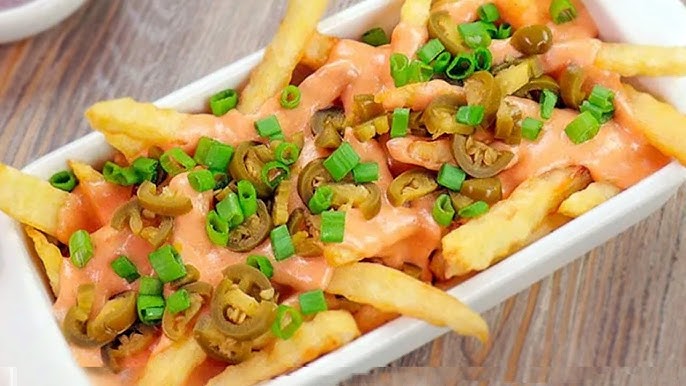
Cheese Fries Recipe: There’s something wildly satisfying about a plate of cheese fries. Maybe it’s the way crispy golden fries meet hot, gooey cheese in a combination that feels almost unfairly good. Maybe it’s because they hit every craving at once: salty, creamy, crunchy, and rich. Whatever the reason, this dish has earned its place as one of the most loved comfort foods around the world. You’ll find it at diners, game nights, family gatherings, movie marathons, and casual parties because it is simple, familiar, and impossible to ignore.
This guide is built to help you make restaurant-style cheese fries at home without overcomplicating the process. You’ll get a clear list of ingredients, practical tips, and a true step-by-step method that walks you through every stage. From selecting the right potatoes to melting the cheese just right, every little choice matters. Think of this article as your kitchen roadmap. By the end, you won’t just know how to make cheese fries—you’ll know how to make them really, really well.
What Makes Great Cheese Fries
A great plate of cheese fries is not just about throwing shredded cheese over hot fries and hoping for the best. That can work in a pinch, sure, but truly delicious cheese fries depend on balance. You need fries that are crisp enough to hold up under the cheese, cheese that melts smoothly instead of turning oily or clumpy, and seasoning that wakes everything up without overpowering the dish. When those parts come together, the result feels less like a snack and more like an event.
The best cheese fries usually begin with an understanding of contrast. The fries should be crunchy on the outside and fluffy inside, while the cheese should be creamy and rich. If both elements are soft, the dish becomes heavy and soggy. If the fries are overcooked and dry, they lose their appeal. That is why preparation matters so much. Even cutting the potatoes evenly makes a difference because it helps them cook at the same rate. Small kitchen habits create big flavor wins.
There is also the matter of freshness. Freshly cooked fries always perform better than fries that have been sitting around while you prepare the cheese. Timing matters here. The fries should still be hot when the cheese goes on so everything blends together properly. You are creating layers of texture and flavor, not just stacking ingredients. Once you understand that, the whole recipe starts to make sense. Great cheese fries are built, not rushed.
Choosing the Right Potatoes
If you want the best cheese fries recipe, start with the right potato. Not all potatoes behave the same way in the kitchen, and this matters more than people think. Russet potatoes are widely considered the best option because they are high in starch and low in moisture. That combination helps create fries that turn crispy on the outside while staying soft and fluffy inside. It is basically the dream texture for cheese fries.
Waxy potatoes, such as red potatoes or new potatoes, can work in some recipes, but they are less ideal here. They hold their shape well, but they do not develop the same crisp shell that cheese fries need. Since melted cheese already adds richness and softness, the fries must bring the crunch. Russets do that beautifully. They also cut into long, even sticks quite easily, which helps with presentation and consistent cooking.
Size matters too. Try to choose medium to large potatoes with smooth skin and few blemishes. That makes them easier to peel and slice into uniform fries. When the fries are cut evenly, they cook more evenly. Nobody wants half the batch burnt and the other half undercooked. It is one of those simple details that separates average homemade fries from fries that look and taste professional.
Picking the Best Cheese
The cheese in cheese fries is not just a topping. It is the soul of the dish. A poor cheese choice can make your fries greasy, rubbery, or weirdly bland. A great cheese transforms them into something rich, melty, and deeply satisfying. Cheddar cheese is one of the most popular choices because it has a strong flavor and melts well, especially when freshly shredded. Sharp cheddar brings more bite, while mild cheddar gives a creamier, softer finish.
Mozzarella is another solid option if you love that stretchy, gooey texture. It does not have the bold punch of cheddar, but it melts beautifully and gives your fries that irresistible cheese-pull effect. For even better results, many home cooks combine cheeses. A mix of cheddar and mozzarella gives you both flavor and meltability. Monterey Jack, Colby, and processed cheese sauce can also work depending on the style you want.
Freshly shredded cheese almost always beats pre-packaged shredded cheese. Bagged cheese often contains anti-caking agents, and those can affect how smoothly it melts. That does not mean packaged cheese never works, but if you want a silkier finish, grate it fresh. It takes only a few extra minutes and makes a noticeable difference. With cheese fries, the cheese is not the place to cut corners.
Why Texture Matters
Texture is the hidden hero of a great cheese fries recipe. People often focus on flavor first, and fair enough, because cheese fries are packed with flavor. But texture is what makes you keep reaching for the next bite. You want the snap of a hot fry, the smooth melt of warm cheese, and maybe a pop of crunch from toppings like green onions or bacon bits. When those textures work together, the dish becomes much more exciting.
Without texture contrast, cheese fries can become one-note. Soggy fries under thick cheese feel heavy fast. On the other hand, cheese that is too stiff or fries that are too dry can make the dish feel disconnected. The goal is harmony. The fries should stay crisp long enough to support the toppings, and the cheese should coat them without drowning them. That sweet spot turns a simple potato dish into a craveable centerpiece.
This is why every stage matters, from soaking the potatoes to choosing the cooking method to assembling the fries right before serving. Texture is not an accident. It is the result of thoughtful steps done in the right order. Once you understand that, making impressive cheese fries becomes a lot easier.
Ingredients You’ll Need
This section is especially useful if you want a clear shopping list before you begin. Since you asked for the ingredients to be listed, they are broken down below into main ingredients and optional toppings. That way, you can prepare everything ahead of time and move smoothly through the recipe without stopping halfway to check what is missing.
Main Ingredients
Here are the ingredients you’ll need for classic cheese fries:
- 4 large russet potatoes
- 2 cups cheddar cheese, freshly shredded
- 1 cup mozzarella cheese, freshly shredded
- 2 tablespoons cornstarch (optional, for extra crispiness)
- 1 teaspoon salt
- 1/2 teaspoon black pepper
- 1/2 teaspoon paprika
- 1/2 teaspoon garlic powder
- Oil for frying (vegetable oil or canola oil), or 2 to 3 tablespoons oil for baking/air frying
These ingredients create a balanced result: crispy fries, rich melted cheese, and seasoning that boosts flavor without taking over. The combination of cheddar and mozzarella works especially well because cheddar provides bold taste while mozzarella gives that smooth, stretchy melt. The paprika and garlic powder add a gentle layer of warmth and savoriness, making the fries taste fuller and more restaurant-style.
If you prefer a cheese sauce instead of shredded cheese, you can swap part of the cheddar for a creamy cheese sauce. That version coats the fries more evenly, though it can soften them faster. For the best crispy texture, many people prefer shredded cheese melted over hot fries just before serving.
Optional Toppings
Want to turn basic cheese fries into something more exciting? Here are some optional toppings you can add:
- Chopped green onions
- Jalapeño slices
- Cooked bacon bits
- Sour cream
- Chili
- Diced tomatoes
- Ranch dressing
- Hot sauce
- Parsley for garnish
These extras let you customize the dish for different moods and occasions. Jalapeños add heat, bacon adds smoky crunch, and sour cream cools everything down with a creamy touch. Chili cheese fries are another favorite if you want something more filling. The key is not to overload the fries too early. Add toppings just before serving so the fries stay as crisp as possible.
Kitchen Tools You Should Have
Making cheese fries at home does not require restaurant equipment, but a few basic tools make the process much smoother. A sharp knife is essential for cutting the potatoes into even strips. If your cuts are all over the place, your fries will cook unevenly, and that never ends well. A cutting board, a vegetable peeler, and a large mixing bowl are also helpful from the start.
You will also need something for cooking the fries. This could be a deep fryer, a heavy-bottomed pot for frying, a large baking tray for oven fries, or an air fryer if you prefer a lighter method. A slotted spoon or tongs are useful when handling hot fries, and paper towels help remove extra oil after frying. If you are baking or air frying, parchment paper can make cleanup easier and prevent sticking.
For the cheese side of things, a box grater is ideal if you are shredding cheese fresh, which is highly recommended. You may also want a small saucepan if you decide to make a cheese sauce instead of simply melting shredded cheese on top. None of these tools are complicated, but having them ready before you start saves time and lowers stress. Cheese fries are meant to be fun, not chaotic.
How to Prepare the Potatoes
Potato preparation is where a lot of homemade fry recipes either succeed or quietly fall apart. It may seem like a small detail, but how you prep the potatoes affects crispiness, texture, cooking time, and even flavor. Good preparation sets the stage for fries that feel golden, sturdy, and worthy of all that melted cheese.
Start by choosing firm potatoes and handling them with care. The goal is to create fries that are as equal in size as possible so they cook at the same speed. That means taking a little extra time with peeling, slicing, and soaking. Think of it like laying the foundation before building a house. Nobody sees that step and cheers, but everything depends on it.
The nice part is that none of these steps are difficult. They just require attention. Once the potatoes are cleaned, cut, and soaked properly, you are already much closer to making fries that taste like they came from a proper kitchen instead of a rushed weeknight experiment.
Washing and Peeling
First, wash the potatoes thoroughly under cool running water to remove dirt from the skin. Even if you plan to peel them, washing first prevents the dirt from transferring to the flesh during peeling. Use your hands or a vegetable brush to clean them well. After that, peel the potatoes using a vegetable peeler, removing the skin in long, thin strips.
Some people like leaving the skin on for a rustic feel, and that can work too. Skin-on cheese fries have a more casual, hearty look and slightly earthier flavor. Still, for classic diner-style cheese fries, peeled potatoes tend to create a smoother, more uniform result. They also absorb seasoning more evenly and give the fries a cleaner bite.
Once peeled, place the potatoes in a bowl of cold water if you are not cutting them immediately. This helps prevent browning. Potatoes oxidize quickly once exposed to air, so this simple trick keeps them fresh-looking while you continue prepping. Small moves like this make the whole process easier and neater.
Cutting the Fries Evenly
Cut each potato lengthwise into slices, then stack the slices and cut them into sticks. Aim for fries that are about 1/4 to 1/2 inch thick. This thickness works well because it gives you a crispy outside with a fluffy center. Thin fries cook faster and crisp up more, while thicker fries feel heartier. For cheese fries, medium-cut fries often strike the best balance.
Uniformity matters more than perfection. The fries do not all need to look machine-made, but they should be close enough in size that they cook evenly. If some are tiny and some are chunky, the small ones may burn before the larger ones finish cooking. Consistency is what gives the final dish that polished, professional feel.
As you cut the fries, place them back into a bowl of cold water. This keeps them from browning and also starts the soaking process, which is one of the best ways to improve texture. It is not flashy, but it is effective. Crisp fries often come down to these quiet, practical steps.
Soaking for Crispier Results
Soaking cut potatoes in cold water for at least 30 minutes, or up to a few hours, helps remove excess starch. Less surface starch means the fries are less likely to stick together and more likely to crisp up nicely. If you have ever wondered why restaurant fries often have that satisfying exterior crunch, this is one reason.
After soaking, drain the potatoes and dry them very well using a clean kitchen towel or paper towels. This step is not optional if you want crisp fries. Wet potatoes going into hot oil are a problem, and even for baking or air frying, too much moisture keeps fries from browning properly. Dry potatoes cook better, color better, and taste better.
At this stage, you can toss them lightly with cornstarch for extra crispiness if you like. A thin coating helps create a better crust, especially when baking or air frying. Do not overdo it, though. Just enough to lightly dust the fries is plenty.
How to Season Cheese Fries Properly
Seasoning fries may sound basic, but it is often the difference between bland and addictive. Potatoes need salt, and cheese needs support. A little black pepper, paprika, and garlic powder can wake everything up without distracting from the main attraction. The trick is to season with purpose, not just randomly sprinkle things on top.
The best time to add most of the seasoning depends on your cooking method. If you are baking or air frying, toss the raw fries with oil and seasoning before cooking. If you are deep frying, it is often better to season them right after frying while they are still hot and lightly oily, because the seasoning sticks better that way. Timing helps flavor cling to the fries rather than sit loosely on top.
Salt is the most important player here. Without enough salt, the entire dish falls flat, even with good cheese. Paprika adds mild depth and a warm color, while garlic powder gives that savory edge people associate with loaded fries from restaurants. You can keep it simple or build on it, but do not skip seasoning. Cheese fries should taste bold from the first bite, not rely on dipping sauce to do all the work.
Cooking Methods for Fries
There is more than one way to cook fries, and each method comes with its own personality. Deep frying gives the crispiest and most classic result. Oven baking is more hands-off and practical for larger batches. Air frying lands somewhere in the middle, offering excellent crispiness with less oil. The best method depends on what tools you have, how much time you want to spend, and the kind of texture you love most.
No matter which method you choose, the goal stays the same: golden fries with a crisp exterior and tender inside. That texture needs to survive at least long enough to handle melted cheese. This is why undercooked fries are such a problem. Soft fries collapse under toppings and turn heavy fast. Properly cooked fries hold their shape and still feel light enough to eat in a big, satisfying pile.
Choose the method that fits your kitchen and your style. There is no need to make things complicated. Great cheese fries can come from a pot of hot oil, an oven tray, or an air fryer basket, as long as the potatoes are prepared properly and cooked with attention.
Deep Frying Method
Heat oil in a deep fryer or heavy pot to 325°F (163°C). Fry the potatoes in batches for about 3 to 4 minutes for the first fry. This cooks the inside without fully browning the outside. Remove them and let them rest for a few minutes. Then raise the oil temperature to 375°F (190°C) and fry the potatoes again for 2 to 4 minutes until golden and crispy.
This double-fry method is a classic trick for excellent fries. The first fry softens the potato interior, and the second fry creates that crisp outer layer. It sounds like extra work, but the results are worth it. Once done, transfer the fries to paper towels and season immediately with salt and spices while hot.
Deep frying delivers the most traditional cheese fry texture. The fries stay crisp longer and hold melted cheese better than most other methods. If you want that diner or sports-bar feel, this is your best bet.
Oven-Baked Method
Preheat your oven to 425°F (220°C). Toss the dried potato sticks with a little oil, salt, pepper, paprika, and garlic powder. Spread them in a single layer on a baking tray lined with parchment paper. Make sure they are not crowded, because trapped steam prevents crisping.
Bake for 35 to 45 minutes, flipping halfway through, until the fries are golden and crisp at the edges. Oven fries usually take longer than fried ones, but they are easier to manage and require less active attention. They also work well if you are making a large batch for a family or group.
Baked fries can be excellent for cheese fries if you dry the potatoes well and avoid overcrowding. They may not have the same dramatic crunch as deep-fried fries, but they are still delicious, especially when topped and served fresh.
Air Fryer Method
Preheat the air fryer to 380°F (193°C) if your model requires it. Toss the potato sticks with a small amount of oil and seasoning, then place them in the basket in a single layer or in light batches. Air fry for 15 to 20 minutes, shaking the basket halfway through cooking to promote even browning.
Air fryer fries can turn out impressively crisp with much less oil than deep frying. That makes this method popular for home cooks who want something lighter but still satisfying. The key is not to overcrowd the basket. If the fries pile up too much, they steam instead of crisp.
For cheese fries, air-fried potatoes work especially well when served immediately after cooking. They have a fresh, hot crunch that pairs beautifully with melted cheese. It is one of the easiest methods for weeknight cooking and small batches.
How to Melt Cheese Perfectly
Melting cheese may seem foolproof, but there is a difference between melted cheese and good melted cheese. The best cheese for fries should be smooth, hot, and easy to spread or pull apart. If overheated, cheese can become oily, grainy, or stiff. If underheated, it just sits there like a half-hearted topping. Balance matters.
One easy method is to scatter shredded cheese over freshly cooked fries and place them under a broiler or in a hot oven for 1 to 2 minutes. Watch closely, because cheese can go from beautifully melted to overly browned very quickly. This method works especially well with cheddar and mozzarella blends. The heat gently softens the cheese and helps it settle into the fries.
You can also make a cheese sauce by melting butter, whisking in a little flour, adding milk, and then stirring in shredded cheese until smooth. That approach creates a creamy pour-over texture that coats the fries evenly. It is rich and crowd-pleasing, though it can soften the fries faster than shredded cheese. For many people, a hybrid method works best: a little shredded cheese melted on top, plus a light drizzle of cheese sauce for extra indulgence.
Step-by-Step Guide to Assembling Cheese Fries
Step 1 – Prepare the Hot Fries
Start with freshly cooked fries that are still hot and crispy. This is important because warm fries hold melted cheese much better than cold ones. Spread them out on a serving plate, tray, or shallow dish so the toppings can cover them evenly. Think of the fries as the foundation, because everything else builds on top of them.
Step 2 – Add the Cheese
Pour warm cheese sauce over the fries or sprinkle on shredded cheese while the fries are still hot. If you are using shredded cheese, the heat from the fries will help it melt. Try to spread the cheese across the top instead of dumping it all in one place. That way, every bite gets some cheesy goodness.
Step 3 – Layer for Better Coverage
For extra flavor, make two layers instead of one. Add some fries, then cheese, then another light layer of fries and cheese on top. This helps prevent the bottom fries from feeling left out. It is a simple trick, but it makes the dish taste more balanced.
Step 4 – Add Your Toppings
Top the cheese fries with extras like bacon bits, sliced jalapeños, green onions, sour cream, or diced tomatoes. Keep the toppings balanced so they add flavor without making the fries too heavy or soggy.
Step 5 – Serve Immediately
Serve the cheese fries right away while the fries are crisp and the cheese is still warm and gooey. Cheese fries taste best fresh, when the contrast between crunchy fries and creamy topping is at its peak.
Common Mistakes to Avoid
One of the biggest mistakes people make with homemade cheese fries is skipping the soaking step. It may seem unnecessary when you are hungry and eager to move on, but soaked potatoes usually crisp better and cook more evenly. Another common issue is not drying the potatoes properly. Moisture is the enemy of crispiness, whether you fry, bake, or air fry.
Another mistake is using too much cheese too quickly. This sounds impossible because, well, cheese is the whole point. But a giant heavy layer can smother the fries and make everything soggy. You want enough cheese to coat and flavor the fries, not bury them beyond rescue. The same goes for toppings. A little balance keeps the dish exciting instead of messy.
Timing mistakes also matter. If you cook the fries too early and let them sit while preparing other things, they lose their heat and texture. Cheese fries should be assembled close to serving time. Think of them as a live performance, not a make-ahead casserole. Their best moment is fresh, hot, and immediate.
Serving Suggestions
Cheese fries are wonderful on their own, but they also fit into a bigger meal beautifully. They work as a party appetizer, game-day snack, side dish for burgers, or indulgent movie-night treat. Serve them in a large tray for sharing or in smaller baskets for a diner-style presentation. A little garnish like chopped parsley or green onions can make them look more polished without much extra effort.
For dipping sauces, ranch, spicy mayo, sour cream, and chipotle sauce all pair nicely with cheese fries. If you want to make the dish more filling, add chili or shredded chicken on top. You can also serve cheese fries with grilled burgers, sandwiches, or crispy chicken tenders. They have that rare ability to feel both casual and celebratory at the same time.
Presentation matters more than people think. A hot tray of fries with bubbling cheese and colorful toppings instantly feels inviting. It is the kind of food people notice across the room. And once they taste it, they usually come back for more.
FAQs About Cheese Fries Recipe
1. What cheese is best for cheese fries?
Cheddar is one of the best choices because it melts well and has a rich, bold flavor. You can also use mozzarella, Monterey Jack, Colby, or a mixed cheese blend for a creamier texture.
2. Can I use frozen fries for cheese fries?
Yes, frozen fries are a convenient option and work very well. Just cook them until they are hot, golden, and crispy before adding the cheese so they do not turn soggy too quickly.
3. Should I use shredded cheese or cheese sauce?
You can use either one. Shredded cheese gives a simple homemade feel, while cheese sauce spreads more evenly and creates a richer, creamier finish.
4. How do I keep cheese fries from getting soggy?
Make sure the fries are crispy before adding the cheese, and avoid using too much sauce. It also helps to serve them immediately, because cheese fries are best when fresh and hot.
5. What toppings go well with cheese fries?
Popular toppings include bacon bits, jalapeños, green onions, sour cream, diced tomatoes, and grilled chicken. These extras can make the fries more flavorful and filling.
6. Can cheese fries be reheated?
Yes, but they taste best when freshly made. To reheat, use an oven or air fryer instead of a microwave so the fries stay as crisp as possible.
7. Are cheese fries a side dish or a meal?
They can be either. Cheese fries are often served as a snack, appetizer, side dish, or loaded meal, depending on the toppings and portion size.
Conclusion
A truly great cheese fries recipe is all about a few smart choices done well. Pick the right potatoes, prepare them properly, cook them until crisp, and use good melting cheese. From there, everything becomes easier. The seasoning brings the fries to life, the cheese adds comfort and richness, and the toppings let you make the dish your own.
This step-by-step guide gives you everything needed to make crispy, cheesy, flavorful fries at home without guesswork. Whether you deep fry, bake, or use an air fryer, the key is paying attention to texture and timing. That is what turns a simple plate of fries into something memorable. Warm, crunchy, gooey, and endlessly customizable, cheese fries are the kind of recipe that never really goes out of style.