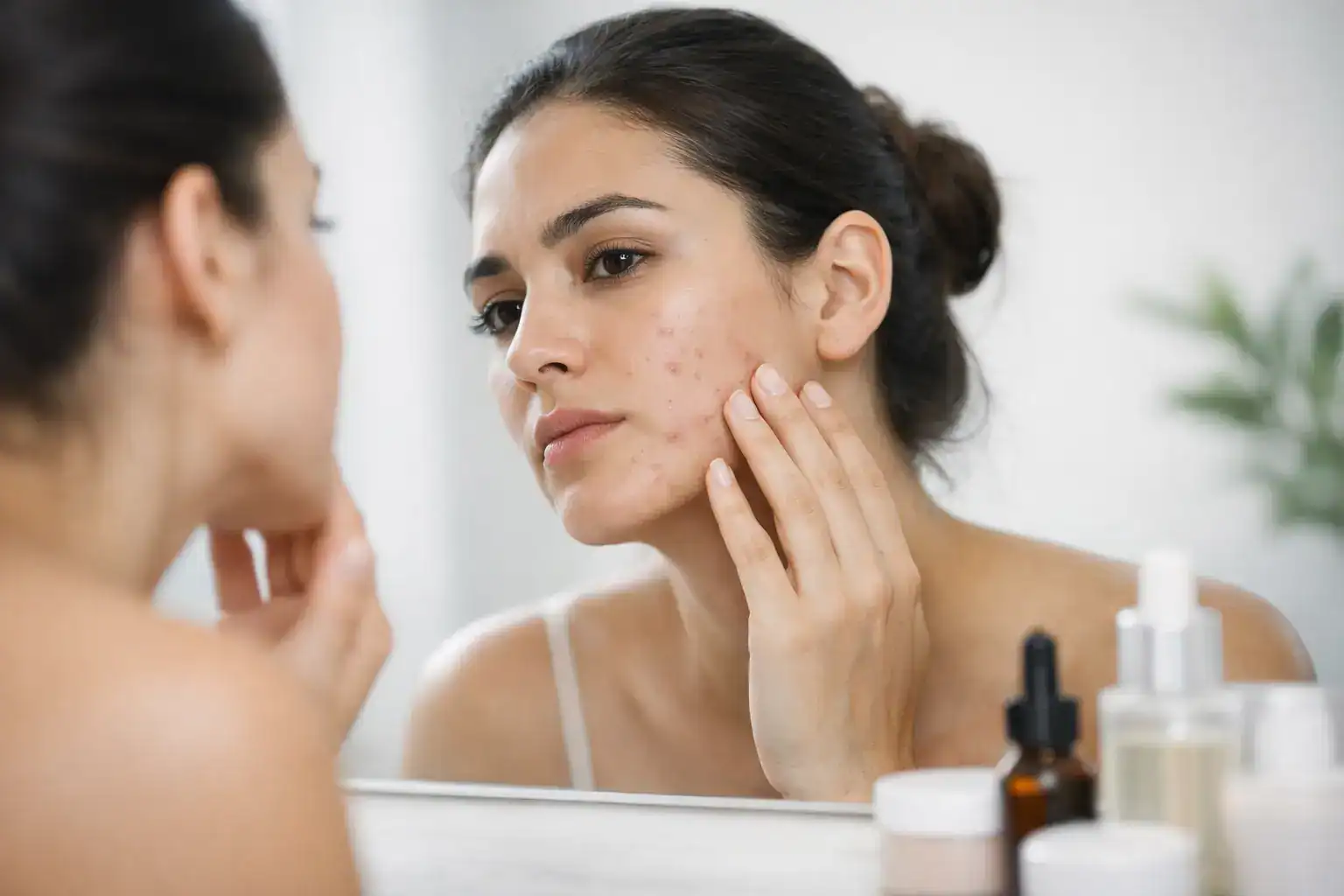
Sun spots are among the most common skin concerns affecting people who experience prolonged exposure to sunlight. These dark patches can make the complexion appear uneven, particularly when they develop on the cheeks, forehead, nose, and other exposed areas. Finding the best sun spot treatment for face is essential for reducing unwanted pigmentation, improving skin clarity, and maintaining a healthy, radiant appearance.
We understand that treating sun spots requires more than applying ordinary skincare products. Effective treatment involves identifying the causes of pigmentation, choosing suitable active ingredients, and protecting the skin from further sun damage. With the right approach, we can help improve the appearance of existing dark spots while supporting long-term skin health.
What Are Sun Spots on the Face?
Sun spots, medically known as solar lentigines, are flat, darkened areas of skin caused primarily by accumulated exposure to ultraviolet (UV) radiation. They typically appear brown, tan, or dark brown and develop gradually as the skin produces excess melanin in response to sunlight.
Although sun spots are generally harmless, they may become more noticeable over time, particularly without adequate sun protection.
Common factors contributing to facial sun spots include:
- Prolonged sun exposure: Repeated UV exposure stimulates melanin production and contributes to pigmentation.
- Age-related changes: Sun spots become more common as cumulative sun exposure increases.
- Inadequate sunscreen use: Unprotected exposure increases the likelihood of developing new spots.
- Genetic predisposition: Some individuals are more susceptible to sun-related pigmentation.
- Tanning beds: Artificial UV radiation can accelerate pigmentation and visible skin damage.
Understanding these contributing factors helps us choose an appropriate facial sun spot removal treatment that addresses existing discoloration while preventing additional damage.
Best Sun Spot Treatment for Face: Top Options That Work
Several treatments can help improve facial sun spots, ranging from topical skincare products to professional dermatological procedures. The most suitable option depends on skin type, pigmentation severity, sensitivity, and treatment goals.
1. Vitamin C Serum for Sun Spots
Vitamin C is a widely used skincare ingredient for improving uneven pigmentation and promoting a brighter complexion. Its antioxidant properties help protect against oxidative stress associated with environmental exposure.
Regular use of a well-formulated vitamin C serum for sun spots may gradually improve the appearance of discoloration.
Key benefits include:
- Helps brighten dull and uneven skin.
- Supports collagen production.
- Reduces the appearance of some dark spots.
- Provides antioxidant protection against environmental damage.
- Complements daily sunscreen use.
We recommend incorporating vitamin C into a morning skincare routine, followed by a broad-spectrum sunscreen to support lasting results.
2. Retinoids for Facial Sun Spot Treatment
Retinoids, including retinol and prescription tretinoin, are commonly used to improve uneven pigmentation, skin texture, and visible signs of sun damage.
These vitamin A derivatives encourage skin cell turnover and can help gradually reduce the appearance of certain dark spots.
Benefits of retinoids include:
- Improving uneven skin tone.
- Supporting smoother skin texture.
- Reducing the appearance of fine lines.
- Helping fade some forms of hyperpigmentation.
- Improving overall skin appearance with consistent use.
We recommend introducing retinoids gradually because excessive application can cause irritation, dryness, and peeling. Retinoids should generally be used at night alongside appropriate moisturization and daily sun protection.
Important: Retinoids should be avoided during pregnancy. Individuals who are pregnant or planning pregnancy should seek medical advice before using them.
3. Chemical Peels for Sun Spot Removal
Chemical peels are professional treatments that use exfoliating acids to remove damaged superficial skin layers and improve uneven pigmentation.
Common peeling agents include glycolic acid, lactic acid, and trichloroacetic acid (TCA).
Depending on the formulation and treatment depth, chemical peels may help diminish superficial sun spots and improve overall skin clarity.
Potential benefits include:
- Reducing visible superficial pigmentation.
- Improving skin smoothness.
- Enhancing complexion uniformity.
- Addressing certain signs of photoaging.
We recommend professional assessment before undergoing chemical peels, particularly for darker skin tones, because aggressive treatments can increase the risk of post-inflammatory hyperpigmentation.
4. Laser Treatment for Sun Spots on Face
Laser therapy is an effective professional option for appropriately diagnosed solar lentigines. Certain pigment-targeting lasers work by delivering controlled energy to areas containing excess melanin.
Dermatologists may recommend different laser technologies depending on pigmentation depth, skin tone, and individual treatment needs.
Advantages of laser sun spot treatment include:
- Targeted treatment of pigmented areas.
- Potentially noticeable improvement after limited sessions.
- Treatment of specific spots without applying products across the entire face.
- Long-lasting improvement when combined with consistent sun protection.
However, laser procedures carry risks, including burns, discoloration, and post-inflammatory hyperpigmentation. We emphasize the importance of choosing an experienced dermatologist familiar with treating different skin tones.
5. Hydroquinone for Dark Sun Spots
Hydroquinone is a topical skin-lightening ingredient that reduces melanin production. Dermatologists may prescribe it for selected pigmentation concerns, although treatment response varies according to the type of discoloration.
It is often used for limited periods under medical supervision.
Potential benefits include:
- Reducing certain forms of hyperpigmentation.
- Improving the appearance of dark patches.
- Supporting a more uniform complexion.
We recommend avoiding prolonged or unsupervised use because inappropriate application can cause irritation and, rarely, ochronosis, a condition associated with persistent dark discoloration.
6. Azelaic Acid for Uneven Skin Tone
Azelaic acid is a useful option for individuals experiencing uneven pigmentation, particularly when dark spots occur alongside acne or sensitive skin concerns.
It helps regulate processes involved in excess pigmentation and offers anti-inflammatory benefits.
Why azelaic acid is beneficial:
- Helps fade certain types of dark spots.
- Supports a more balanced complexion.
- Can improve acne-related discoloration.
- May be suitable for individuals who cannot tolerate stronger treatments.
Although azelaic acid is frequently used for melasma and post-inflammatory hyperpigmentation, established solar lentigines may respond better to targeted professional procedures.
How to Choose the Best Sun Spot Treatment for Your Skin Type
Selecting the best treatment for sun spots on face requires careful consideration of individual skin characteristics and pigmentation patterns.
We recommend evaluating the following factors before beginning treatment:
- Skin type: Dry, oily, combination, and sensitive skin may respond differently to active skincare ingredients.
- Pigmentation severity: Mild discoloration may improve with topical products, while stubborn sun spots may require professional procedures.
- Skin tone: Darker complexions may have a higher risk of treatment-related pigmentation changes.
- Product ingredients: Choose evidence-based ingredients such as retinoids, vitamin C, and appropriate pigment-correcting treatments.
- Treatment safety: Avoid harsh bleaching products, unregulated skin-lightening mixtures, and aggressive home peels.
- Professional guidance: Consult a dermatologist for persistent, changing, or difficult-to-identify dark spots.
Importantly, not every facial dark patch is a sun spot. Melasma, freckles, post-inflammatory hyperpigmentation, and certain skin lesions may resemble solar lentigines but require different management.
Best Skincare Routine for Sun Spots on Face
A consistent skincare routine supports professional treatments and helps reduce the likelihood of developing additional pigmentation.
Morning Skincare Routine
We recommend beginning with a gentle cleanser to remove oil and impurities without stripping the skin’s natural protective barrier.
Apply a suitable vitamin C serum or another dermatologist-recommended brightening ingredient, followed by a moisturizer.
Complete the routine with broad-spectrum SPF 30 or higher sunscreen. Apply an adequate amount to the face and exposed areas, and reapply approximately every two hours when outdoors, particularly after sweating or swimming.
Evening Skincare Routine
At night, cleanse the face thoroughly to remove sunscreen, makeup, and accumulated impurities.
Apply a suitable treatment containing retinol, azelaic acid, or another recommended active ingredient. Introduce potentially irritating products slowly rather than combining multiple strong treatments immediately.
Finish with a hydrating moisturizer to maintain the skin barrier and minimize irritation.
Consistent use is important because topical treatments generally require several weeks or months before visible improvements become apparent.
How to Prevent Sun Spots from Returning
Preventing additional sun damage is an essential part of maintaining treatment results. Even when existing pigmentation improves, continued UV exposure can lead to new spots.
We recommend the following preventive measures:
- Apply broad-spectrum sunscreen daily, including on cloudy days.
- Wear wide-brimmed hats and protective clothing when outdoors.
- Seek shade during periods of intense sunlight.
- Avoid tanning beds and unnecessary UV exposure.
- Maintain a gentle skincare routine that supports the skin barrier.
- Follow professional aftercare instructions following chemical peels or laser procedures.
Effective sun protection also helps prevent existing pigmentation from becoming darker.
How Long Does Sun Spot Treatment Take to Work?
The time required to improve facial sun spots varies depending on the treatment method, skin characteristics, and severity of pigmentation.
Topical ingredients such as retinoids and vitamin C may require several weeks to months of consistent use before noticeable changes appear.
Professional treatments, including selected laser procedures, may produce faster visible improvements, although healing time and additional sessions vary.
We recommend maintaining realistic expectations and avoiding excessive treatment in an attempt to accelerate results. Stronger products do not necessarily deliver better outcomes and may increase irritation.
When Should You See a Dermatologist for Facial Sun Spots?
Although many sun spots are benign, professional evaluation is important when pigmentation changes unexpectedly.
We recommend consulting a dermatologist if a dark spot:
- Changes in size, shape, or color.
- Develops irregular or poorly defined borders.
- Begins bleeding, itching persistently, or forming a crust.
- Looks noticeably different from surrounding spots.
- Appears suddenly or continues evolving.
A dermatologist can distinguish ordinary sun spots from other pigmentation disorders and potentially serious skin conditions.
A suspicious lesion should be examined before attempting cosmetic removal, especially with laser treatment or chemical peels.
FAQs about the Best Sun Spot Treatment for Face
1. What Is the Best Sun Spot Treatment for Face?
The best sun spot treatment for face depends on your skin type, pigmentation severity, and treatment goals. Popular options include laser therapy, chemical peels, topical brightening creams, and IPL (Intense Pulsed Light) therapy.
2. Can Sun Spots on the Face Be Removed Permanently?
Sun spots can often be significantly reduced or removed with professional treatments. However, new spots may develop due to continued sun exposure. Daily sunscreen application helps maintain results.
3. Which Cream Is Best for Removing Sun Spots?
Creams containing vitamin C, retinoids, azelaic acid, and kojic acid may help fade dark spots. Dermatologists may also recommend prescription-strength treatments for stubborn pigmentation.
4. How Long Does It Take to Remove Sun Spots?
Results depend on the treatment method. Topical products may take 8–12 weeks to show noticeable improvements, while laser treatments and chemical peels may deliver faster results.
5. Is Laser Treatment Effective for Facial Sun Spots?
Yes. Laser treatment for sun spots can effectively target excess pigmentation and improve skin clarity. However, professional assessment is essential, especially for darker skin tones, which may be more prone to pigmentation changes.
6. Can I Treat Sun Spots Naturally at Home?
Gentle skincare, antioxidant-rich products, and consistent sun protection may improve uneven pigmentation. However, natural remedies alone are unlikely to remove established sun spots completely.
7. How Can I Prevent Sun Spots From Returning?
Use a broad-spectrum SPF 30 or higher sunscreen daily, avoid excessive sun exposure, and incorporate dermatologist-recommended skincare products into your routine.
8. When Should I See a Dermatologist for Sun Spots?
Consult a dermatologist if a spot changes in size, shape, or colour, bleeds, or appears unusual. A professional evaluation helps confirm the diagnosis and identify the most suitable facial sun spot treatment.
Conclusion
Choosing the best sun spot treatment for face depends on understanding the cause of pigmentation and selecting appropriate skincare ingredients or professional procedures. Vitamin C, retinoids, chemical peels, pigment-targeting lasers, and selected prescription treatments can all play a role in improving uneven skin tone.
We recommend combining suitable treatments with consistent sunscreen application, gentle skincare, and professional dermatological guidance when necessary.
With a personalized approach and effective sun protection, we can help reduce the appearance of facial sun spots, improve skin clarity, and support a healthier, more even-toned complexion.

