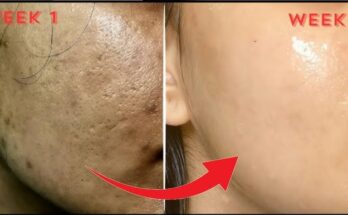
Managing acne prone oily skin requires a routine that controls excess sebum, keeps pores clear, reduces breakouts, and protects the skin barrier without causing dryness or irritation. We do not need a complicated shelf full of products. We need a consistent, balanced, and targeted skincare routine built around the right ingredients and the right order. When we follow a structured routine, oily skin becomes easier to manage, acne flare-ups become less frequent, and the skin gradually looks clearer, smoother, and healthier.
Why Acne Prone Oily Skin Needs a Specific Routine
Oily skin produces excess sebum. That extra oil can mix with dead skin cells, sunscreen, makeup, sweat, and daily impurities. When this mixture gets trapped inside pores, it often leads to blackheads, whiteheads, inflamed pimples, and congestion. Acne prone skin also tends to react badly to harsh products. Many people try to scrub, over-cleanse, or dry out their face, but that usually makes the problem worse.
The best routine for acne prone oily skin is not about stripping the skin. It is about creating balance. We want to remove oil buildup gently, support cell turnover, calm inflammation, hydrate properly, and protect the skin every day.
The Ideal Morning Skincare Routine for Acne Prone Oily Skin
A strong morning routine should focus on cleansing, lightweight hydration, oil control, and sun protection.
Step 1: Use a Gentle Foaming Cleanser
We should start the day with a gentle foaming cleanser designed for oily or acne prone skin. The goal is to remove overnight oil, sweat, and bacteria without leaving the skin tight or irritated. The best cleansers usually contain ingredients such as salicylic acid, niacinamide, or mild surfactants that cleanse effectively while respecting the skin barrier.
A good cleanser should leave the face feeling clean, fresh, and comfortable. If the skin feels squeaky, burning, or overly dry after washing, the cleanser is too harsh. Over-cleansing can trigger more oil production and make breakouts harder to control.
Step 2: Apply a Balancing Toner or Essence
This step is optional, but it can be very useful if we choose the right formula. A lightweight toner with niacinamide, green tea, witch hazel-free soothing ingredients, or beta hydroxy acid can help refine the appearance of pores and reduce excess shine. The key is to avoid alcohol-heavy toners that dehydrate the skin and cause irritation.
For acne prone oily skin, a toner should support balance, not aggression. We want hydration with a fresh finish, not stinging and dryness.
Step 3: Use a Lightweight Serum for Oil and Breakout Control
A serum can make a visible difference when it contains the right active ingredients. One of the best ingredients for this skin type is niacinamide. It helps regulate oil, improve skin texture, reduce the appearance of enlarged pores, and support a stronger skin barrier. Another helpful option is zinc-based formulations, especially for calming active breakouts and reducing shine.
A lightweight serum sinks in quickly and gives the skin treatment benefits without adding heaviness. This is important because oily acne prone skin often reacts better to fluid, gel, or water-based textures than thick creams.
Step 4: Moisturize with an Oil-Free Gel or Lotion
Many people with oily skin skip moisturizer, but that is a mistake. Acne prone oily skin still needs hydration. When we deprive the skin of moisture, it may become irritated, dehydrated, and even oilier over time. The right moisturizer should be non-comedogenic, lightweight, and fast-absorbing.
Look for formulas with hyaluronic acid, ceramides, glycerin, and niacinamide. These ingredients hydrate and strengthen the skin without clogging pores. A gel moisturizer or light lotion usually works better than a heavy cream for oily skin types.
Step 5: Finish with Broad-Spectrum Sunscreen
This is one of the most important steps in the entire routine. Daily broad-spectrum sunscreen protects the skin from sun damage, post-acne marks getting darker, premature aging, and irritation caused by active ingredients like exfoliants and retinoids. For oily skin, the best option is a lightweight, non-greasy, matte or gel-based SPF 30 or higher.
A good sunscreen should feel comfortable enough to wear every day. If it feels thick, sticky, or pore-clogging, it will be harder to stay consistent. The best skincare routine only works when we can follow it daily.
The Ideal Night Skincare Routine for Acne Prone Oily Skin
Nighttime is when we focus more on deep cleansing, treatment, repair, and recovery.
Step 1: Remove Sunscreen, Makeup, and Excess Oil Properly
If we wear sunscreen, makeup, or spend time outdoors, the first step at night should be a proper cleanse. For many people, double cleansing works very well. We can begin with a lightweight cleansing balm, micellar water, or oil cleanser that dissolves sunscreen and buildup, then follow with a gentle foaming cleanser.
This method helps clean the pores more thoroughly without harsh scrubbing. When sunscreen and oil remain on the skin overnight, they can increase congestion and worsen acne.
Step 2: Use a Treatment Cleanser or Leave-On Active
At night, we can introduce active ingredients more effectively. One of the best ingredients for acne prone oily skin is salicylic acid. It is oil-soluble, which means it can work inside the pores to remove buildup and reduce blackheads, whiteheads, and active blemishes. Some people use a salicylic acid cleanser, while others prefer a leave-on treatment.
Another excellent ingredient is benzoyl peroxide, especially for inflamed pimples. It helps reduce acne-causing bacteria and can be effective for recurring breakouts. However, it should be used carefully to avoid excessive dryness.
We do not need to layer too many powerful products at once. A simple routine with one reliable treatment is often more effective than several actives used carelessly.
Step 3: Add a Retinoid for Long-Term Acne Control
A retinoid is one of the most effective ingredients for managing acne prone oily skin over time. It helps improve skin cell turnover, prevent clogged pores, smooth rough texture, and reduce the appearance of post-acne marks. If the skin tolerates it well, a retinoid can become the backbone of a long-term acne routine.
When starting a retinoid, we should apply a small amount only a few nights per week. Consistency matters more than intensity. Too much too soon can cause dryness, peeling, and irritation. Gradual use delivers better results and protects the skin barrier.
Step 4: Moisturize to Support the Skin Barrier
After treatment, we should always use a lightweight moisturizer. Even oily skin benefits from barrier support. If we use salicylic acid, benzoyl peroxide, or retinoids, hydration becomes even more important. A moisturizer with ceramides, panthenol, glycerin, or hyaluronic acid helps reduce irritation and maintain comfort while acne treatments do their work.
A healthy skin barrier recovers faster, tolerates treatments better, and often shows fewer angry breakouts.
Best Ingredients for Acne Prone Oily Skin
Choosing the right ingredients is more important than choosing trendy packaging. The most effective routines usually include a few proven skincare ingredients used consistently.
Salicylic Acid
Salicylic acid is ideal for oily and acne prone skin because it penetrates into pores and helps dissolve trapped oil and debris. It is excellent for blackheads, whiteheads, clogged pores, and texture issues.
Niacinamide
Niacinamide helps reduce excess oil, calm redness, strengthen the skin barrier, and improve the appearance of pores. It works well in both morning and evening routines.
Retinoids
Retinoids support faster skin renewal, reduce pore blockage, and improve acne over time. They are especially useful for people dealing with frequent breakouts and uneven skin texture.
Benzoyl Peroxide
Benzoyl peroxide is highly effective for inflamed acne. It can be used as a spot treatment or in a cleanser, depending on skin tolerance.
Ceramides and Humectants
Ingredients like ceramides, glycerin, and hyaluronic acid keep the skin hydrated and resilient. Oily skin still needs moisture, especially when acne treatments are involved.
Common Mistakes That Make Oily Acne Prone Skin Worse
The wrong habits can delay results even when the products look good on paper.
Over-Washing the Face
Cleansing too often can weaken the skin barrier and trigger more oil production. Washing twice daily is usually enough.
Skipping Moisturizer
When we skip moisturizer, the skin can become dehydrated and irritated. This often leads to more imbalance, not less oil.
Using Too Many Actives Together
Layering acids, scrubs, retinoids, and spot treatments all at once can damage the skin barrier and cause more redness and breakouts.
Picking Pimples
Touching and squeezing blemishes increases inflammation and raises the risk of dark marks and scarring.
Ignoring Sunscreen
Without sunscreen, acne marks can linger longer and skin irritation can worsen.
How Long It Takes to See Results
A proper routine for acne prone oily skin needs consistency. Some products may reduce excess shine and fresh breakouts within a few weeks, but more visible improvement in texture, clogged pores, and acne marks often takes several weeks to a few months. The goal is steady progress, not overnight perfection.
When the routine is simple, targeted, and sustainable, results become easier to maintain. The skin starts to feel less greasy, breakouts become more manageable, and the complexion gradually looks cleaner and more refined.
The Best Simple Routine to Follow Daily
For most people with acne prone oily skin, this routine works very well:
Morning
- Gentle foaming cleanser
- Niacinamide serum
- Oil-free moisturizer
- Broad-spectrum SPF 30 or higher
Night
- Makeup or sunscreen remover if needed
- Gentle cleanser
- Salicylic acid or retinoid treatment
- Lightweight moisturizer
FAQs about Best Skincare Routine for Acne-Prone Oily Skin
1. What is the best skincare routine for acne-prone oily skin?
We should follow a routine that includes a gentle foaming cleanser, lightweight moisturizer, sunscreen (SPF 30+), and acne treatments like salicylic acid or niacinamide.
2. How often should we cleanse oily skin?
We should cleanse twice daily—morning and night—to remove excess oil, dirt, and bacteria without over-drying the skin.
3. Do we still need moisturizer for oily skin?
Yes, we must use a lightweight, oil-free, non-comedogenic moisturizer to maintain hydration and balance oil production.
4. Which ingredients are best for acne-prone oily skin?
We should look for salicylic acid, benzoyl peroxide, niacinamide, and hyaluronic acid, as they help control oil and reduce breakouts.
5. Is sunscreen necessary for oily acne-prone skin?
Absolutely. We should use a matte, non-comedogenic sunscreen daily to protect the skin and prevent dark spots.
6. How often should we exfoliate?
We should exfoliate 1–3 times per week using gentle chemical exfoliants to unclog pores and prevent acne.
7. Can we use serums for oily skin?
Yes, we should choose lightweight, water-based serums that target acne and absorb quickly.
8. How long does it take to see results?
With consistency, we may notice improvements in 4 to 6 weeks, including fewer breakouts and smoother skin.
9. What mistakes should we avoid?
We should avoid over-washing, using harsh products, skipping moisturizer, and picking at acne, as these can worsen the condition.
10. Can diet affect acne-prone oily skin?
Yes, reducing sugary and processed foods and staying hydrated can help improve skin health over time.
Final Thoughts
The best skincare routine for acne prone oily skin is one that keeps the pores clear, reduces oil without stripping the skin, and supports long-term skin health. We do not need harsh products or an overly complex routine. We need the right cleanser, the right treatment ingredients, lightweight hydration, and daily sun protection. With patience and consistency, oily acne prone skin can become clearer, calmer, and much easier to manage.