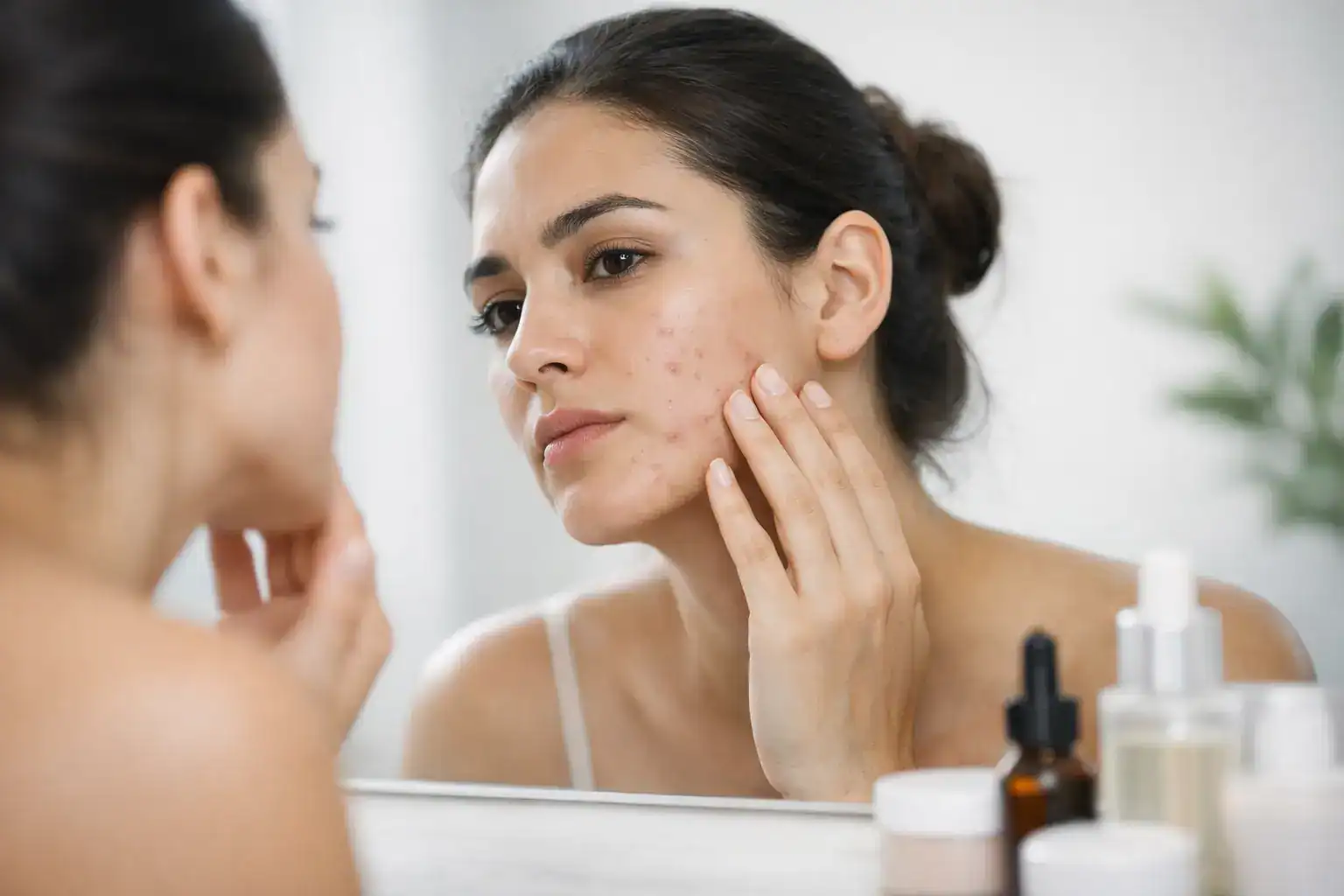
The best professional acne scar treatment depends on the shape, depth, and location of your scars, along with your skin tone and healing history. Laser resurfacing, microneedling, subcision, and targeted scar procedures address different concerns. Choosing an effective treatment begins with identifying which changes affect the skin and matching each concern to an appropriate procedure.
We recommend approaching acne scar treatment with a clear goal: improving skin texture and reducing visible scarring. Complete removal is rarely achievable, but a carefully planned course of treatment can make scars less noticeable. Professional assessment also helps distinguish permanent changes in skin structure from temporary marks left after breakouts.
Understanding Acne Scars Before Choosing Treatment
Acne can leave depressions, raised tissue, or changes in skin colour. These concerns may appear together, but they do not necessarily respond to the same treatment.
Common Types of Acne Scars
Recognising the main scar patterns helps explain why professional treatment must be personalised:
- Ice pick scars: Narrow, deep indentations that extend beneath the skin’s surface.
- Boxcar scars: Round or oval depressions with clearly defined edges.
- Rolling scars: Broader depressions that create an uneven, wave-like appearance.
- Hypertrophic scars: Raised scars contained within the original area of injury.
- Keloid scars: Raised scar tissue that extends beyond the original injury.
Flat brown or red marks after acne can accompany scarring, but colour changes alone do not necessarily indicate permanent structural scars. We therefore recommend assessing pigmentation and skin texture separately when considering treatment.
Professional Acne Scar Treatment Options
The most suitable procedure addresses the underlying feature making a scar visible. Some treatments stimulate collagen, others release tethered tissue, and others target individual deep scars.
Microneedling for Depressed Acne Scars
Professional microneedling uses fine needles to create controlled punctures in the skin. This stimulates collagen production and can gradually soften the appearance of depressed scars.
Microneedling may appeal to people seeking a course of treatment with relatively limited downtime. However, improvement develops over time, and several sessions may be needed. Temporary redness, swelling, discomfort, or darkening can occur after treatment.
We recommend medical assessment before proceeding, especially for anyone with active inflammatory acne, poor healing, or a history of keloids. Professional treatment and appropriate aftercare help reduce the risks of infection, persistent discolouration, and additional scarring.
Laser Resurfacing for Uneven Skin Texture
Laser acne scar treatment can improve texture by resurfacing the skin and encouraging collagen remodelling. Different laser systems offer different levels of treatment intensity, recovery time, and potential benefit.
A consultation should establish which laser is appropriate, how much downtime to expect, and whether other procedures are needed first. A laser may improve the surface appearance of scarring while leaving deeper structural concerns insufficiently addressed.
We recommend asking for the exact treatment name and its purpose rather than choosing a procedure solely because it is advertised as advanced. Laser selection should follow the clinical assessment of the scars.
Subcision for Tethered Rolling Scars
Subcision targets fibrous bands that pull the skin downward. A clinician introduces a needle or suitable instrument beneath the scar to release these attachments.
This approach can be useful when tethering contributes to a depressed appearance. It may form part of a treatment plan that also includes resurfacing or volume correction.
We recommend asking whether the scars are tethered before committing to a surface treatment alone. Understanding the structure beneath a scar can help explain why one procedure is selected before another.
TCA CROSS for Selected Deep Scars
TCA CROSS, or chemical reconstruction of skin scars, involves carefully applying a chemical agent to individual scars. It is a targeted procedure rather than a general facial peel.
A review of subcision and combination treatments identifies TCA CROSS as an option for ice pick scarring. Precise application matters because inappropriate technique can widen scars or cause unwanted skin changes.
We recommend having this procedure performed by a suitably trained medical professional. Strong acids intended for scar reconstruction should not be treated as home skincare products. tandfonline.com
Dermal Fillers for Selected Depressed Scars
Dermal fillers can add volume beneath certain depressed scars, reducing the depth of visible hollows. They may be used alongside procedures that address other aspects of scarring.
The duration of improvement depends on the filler used, and repeat treatment may be necessary. We recommend discussing the proposed product, expected longevity, risks, and future maintenance before proceeding.
Fillers should have a defined role within the treatment plan. They are not equally suitable for every scar pattern.
Punch Excision for Individual Deep Scars
Some prominent, deep scars may benefit from punch excision or another minor surgical technique. The clinician removes a selected scar and closes or reconstructs the area.
The objective is to replace a conspicuous depression with a more manageable scar. Further treatment may be considered after healing to improve the surrounding texture.
We recommend discussing the likely appearance of the replacement scar, wound care requirements, and whether surgery will be combined with other procedures.
Treatment for Raised Acne Scars
Raised scars require a different approach from depressed scars. Depending on the scar, a dermatologist may consider corticosteroid injections, selected laser treatments, or other scar-directed therapies.
Keloids can return after treatment, so follow-up and combination therapy may be necessary. We recommend disclosing any previous raised scars before undergoing a cosmetic procedure, even when they developed elsewhere on the body. aad.org
How to Choose the Best Professional Acne Scar Treatment
A useful consultation should explain the diagnosis, proposed procedures, expected recovery, and limits of treatment. We recommend comparing the quality of these explanations rather than relying on promotional claims.
Questions to Ask Before Starting Treatment
Bring a clear list of questions to the consultation:
- Which scar types do we need to address?
- What improvement is realistic for each area?
- Why is this procedure suitable for my skin?
- Will we need a combination of treatments?
- How many appointments might be required?
- What are the risks and expected recovery time?
- What does the complete treatment course cost?
- Who performs the procedure and manages complications?
Request examples involving similar scar patterns and skin tones. Before-and-after photographs are most useful when lighting, angles, and image quality are consistent. They should support the discussion without being presented as a guarantee of your outcome.
Treatment Planning for Darker or Sensitive Skin
Skin tone, sensitivity, and previous reactions should influence treatment planning. Post-inflammatory pigmentation and keloid scarring occur more commonly in skin of colour, making a careful assessment particularly valuable.
We recommend discussing previous dark marks, irritation, unusual healing, and reactions to cosmetic procedures. An experienced clinician should explain how the proposed approach accounts for these concerns.
Sensitive skin also deserves a clear preparation plan. Bring a list of skincare products and medications to the consultation, and obtain specific instructions about what to continue, pause, or restart. DermNet
Professional Acne Scar Treatment Costs and Value
The cost of professional acne scar treatment varies with the procedure, treatment area, number of sessions, and complexity of care. A single-session price may give an incomplete picture of the total commitment.
What to Include in a Treatment Quote
We recommend requesting a written estimate covering:
- Consultation and assessment fees
- Planned procedures and number of sessions
- Anaesthesia or other additional charges
- Recommended aftercare products
- Follow-up appointments
- Possible maintenance treatment
Ask which items are essential and which are optional. A clear quote makes it easier to compare providers and plan treatment in stages when appropriate.
Aftercare and Realistic Treatment Results
Acne scar improvement takes time, particularly when treatment relies on collagen production. Follow-up appointments allow the clinician to assess healing and decide whether the plan needs adjustment.
Supporting Skin Recovery
We recommend following the clinician’s written aftercare instructions, using gentle skincare, and avoiding picking or scrubbing treated areas. Daily broad-spectrum sunscreen with SPF 30 or higher helps protect healing skin from sun-related darkening.
Continue acne management as advised because new breakouts can create additional scars. Ask when makeup and active skincare ingredients can safely be resumed, and attend the recommended follow-up sessions.
FAQs about Best Professional Acne Scar Treatment
What is the best professional acne scar treatment?
The best professional acne scar treatment depends on the type, depth, and severity of the scars. Dermatologists may recommend treatments such as microneedling, chemical peels, laser resurfacing, subcision, dermal fillers, or radiofrequency treatments after assessing the skin.
Can professional treatment completely remove acne scars?
Professional procedures can significantly improve the appearance, texture, and depth of acne scars, but complete removal is not always possible. Results vary depending on the scar type, skin condition, and treatment plan.
Which treatment is best for deep acne scars?
Deep scars such as ice pick, boxcar, and rolling scars may require combination treatments. Options can include subcision, laser therapy, microneedling, TCA CROSS, or fillers based on a dermatologist’s evaluation.
How many sessions are needed for acne scar treatment?
The number of sessions varies. Mild scarring may improve after a few treatments, while deeper scars may require several sessions spaced over weeks or months.
Is professional acne scar treatment safe?
When performed by a qualified dermatologist or trained skin professional, acne scar treatments are generally safe. Temporary redness, swelling, sensitivity, or peeling may occur depending on the procedure.
How do we choose the right acne scar treatment?
We recommend starting with a professional skin assessment. A dermatologist can identify the scar type, evaluate skin tone and sensitivity, and recommend a personalized treatment approach.
Are professional treatments better than home remedies?
Professional treatments generally provide more noticeable results for established acne scars because they target deeper layers of the skin. Home skincare may support healing and help maintain results but usually cannot correct deeper scars on its own.
Conclusion
The best professional acne scar treatment is a personalised plan with a clear purpose for every procedure. We recommend choosing a qualified dermatologist who explains your scar patterns, discusses suitable options, and sets realistic expectations.
A thorough consultation, transparent pricing, and consistent aftercare provide a practical foundation for treatment. With an appropriate approach, we can work towards smoother-looking skin and less noticeable scars while making informed decisions at each stage.