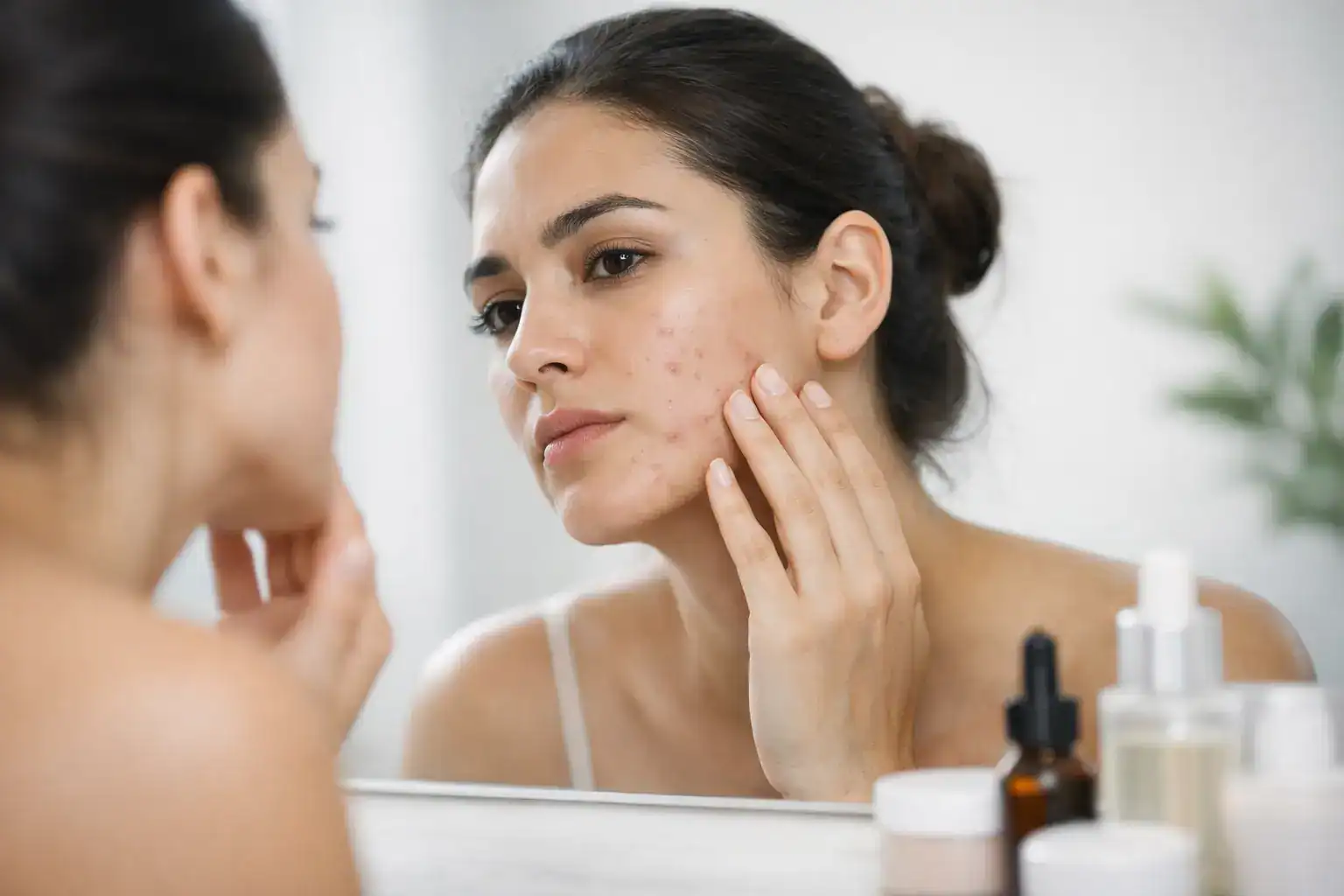
Melasma is a common skin condition that causes dark, uneven patches of pigmentation, particularly on the cheeks, forehead, nose, and upper lip. Although melasma can affect all skin types, treating it becomes more challenging when the skin is sensitive, reactive, or easily irritated. Choosing the best melasma treatment for sensitive skin requires a careful balance between reducing pigmentation and protecting the skin’s natural moisture barrier.
We understand that sensitive skin needs a gentle, targeted approach. Harsh exfoliants, aggressive chemical peels, and strong skin-lightening products may worsen irritation and trigger additional pigmentation. Therefore, we recommend treatments that address excess melanin production while maintaining skin hydration, comfort, and resilience.
In this comprehensive guide, we explore the most effective melasma treatments for sensitive skin, dermatologist-recommended ingredients, skincare routines, and essential precautions for achieving a clearer, more even-looking complexion.
What Is Melasma and How Does It Affect Sensitive Skin?
Melasma is a pigmentation disorder characterized by brown, grey-brown, or sometimes bluish-grey patches on the skin. It commonly develops on areas frequently exposed to sunlight, particularly the face.
The condition occurs when melanocytes, the cells responsible for producing melanin, become overactive. Several factors can contribute to this process, including sunlight, visible light, hormonal changes, genetic predisposition, and certain medications.
People with sensitive skin may experience additional challenges because their skin can react to active skincare ingredients with redness, burning, itching, or dryness.
When irritation occurs, it can also lead to post-inflammatory hyperpigmentation, especially in darker skin tones. This makes selecting the right melasma treatment particularly important.
Common Symptoms of Melasma on Sensitive Skin
Melasma typically causes visible pigmentation without significant physical discomfort. Common signs include:
- Symmetrical brown or grey-brown patches on the cheeks and forehead.
- Uneven pigmentation around the nose and upper lip.
- Dark patches that become more noticeable following sun exposure.
- Pigmentation that gradually develops or returns after treatment.
- Increased redness, dryness, or stinging when unsuitable skincare products are applied.
We recommend consulting a dermatologist if pigmentation changes unexpectedly, appears unusual, or is accompanied by persistent inflammation.
Best Melasma Treatment for Sensitive Skin: Effective Options
The most suitable treatment depends on pigmentation severity, skin sensitivity, medical history, and tolerance to active ingredients. We prioritize gentle topical treatments, daily photoprotection, and professional guidance when stronger interventions are necessary.
1. Azelaic Acid for Gentle Melasma Treatment
Azelaic acid is one of the most useful ingredients for treating melasma in sensitive or acne-prone skin. It helps reduce excessive melanin production by inhibiting tyrosinase, an enzyme involved in pigmentation.
Azelaic acid also offers anti-inflammatory benefits, making it especially valuable for individuals who experience redness or acne alongside uneven pigmentation.
Its benefits include:
- Helping fade dark patches and uneven skin tone.
- Supporting the management of post-inflammatory hyperpigmentation.
- Offering anti-inflammatory properties.
- Providing an alternative when stronger depigmenting ingredients are poorly tolerated.
We recommend introducing azelaic acid gradually, especially when using prescription-strength formulations. Although generally well tolerated, it can initially cause stinging, itching, or mild dryness.
2. Niacinamide for Melasma and Sensitive Skin
Niacinamide, also known as vitamin B3, is a popular skincare ingredient that helps improve skin barrier function and reduce the appearance of uneven pigmentation.
Unlike aggressive exfoliating acids, niacinamide is often suitable for people with reactive skin when used in an appropriately formulated product.
Niacinamide may help limit the transfer of pigment-containing structures to surrounding skin cells, gradually improving the appearance of dark spots.
We particularly value niacinamide because it combines pigmentation support with skin barrier benefits.
A gentle niacinamide serum or moisturizer can help:
- Improve moisture retention.
- Support a compromised skin barrier.
- Reduce the appearance of uneven skin tone.
- Minimize dryness associated with other skincare treatments.
Products containing moderate concentrations, such as 2–5%, may be a practical starting point for sensitive skin.
3. Tranexamic Acid for Stubborn Melasma
Topical tranexamic acid has gained attention as a treatment option for persistent melasma. It targets pathways involved in abnormal pigmentation and may gradually improve the appearance of dark patches.
Topical formulations may be useful for people who cannot tolerate certain traditional skin-lightening treatments.
However, results vary, and clinical evidence is still developing regarding the most effective topical concentrations and treatment combinations.
We recommend choosing fragrance-free formulations and introducing the product slowly to assess skin tolerance.
Oral tranexamic acid is sometimes prescribed by dermatologists for difficult-to-treat melasma, but it is not suitable for everyone because it can increase the risk of blood clots and requires careful medical screening.
4. Hydroquinone for Persistent Melasma
Hydroquinone remains an established treatment for melasma because it directly reduces melanin production.
Prescription hydroquinone is often used for a limited period under dermatological supervision. However, individuals with sensitive skin may experience redness, dryness, burning, or contact dermatitis.
We recommend avoiding unsupervised long-term use, particularly when the skin is already irritated.
Incorrect or prolonged use can increase the risk of complications, including exogenous ochronosis, a condition associated with persistent blue-black pigmentation.
For sensitive skin, dermatologists may recommend lower-strength formulations, shorter treatment courses, or alternative ingredients depending on individual needs.
5. Gentle Retinoids for Melasma Management
Retinoids promote skin cell turnover and can improve pigmentation when used as part of a dermatologist-directed treatment plan.
However, retinoids may cause peeling, dryness, irritation, and increased skin sensitivity, particularly during the initial weeks of treatment.
We recommend a cautious approach rather than introducing strong retinoids immediately.
For suitable patients, dermatologists may prescribe a carefully selected retinoid or a combination treatment containing tretinoin.
Retinoids should generally be avoided during pregnancy, and their use requires particular care when the skin barrier is compromised.
6. Mineral Sunscreen for Melasma-Prone Sensitive Skin
Daily sun protection is one of the most important elements of melasma treatment. Without consistent photoprotection, pigmentation can persist or return even after successful treatment.
Ultraviolet radiation and visible light can worsen melasma. This is particularly relevant for individuals with medium to dark skin tones, where visible-light exposure may contribute substantially to pigmentation.
We recommend a broad-spectrum SPF 50+ sunscreen, ideally a tinted formulation containing iron oxides for additional visible-light protection.
Mineral sunscreens containing zinc oxide or titanium dioxide may be more comfortable for some people with reactive skin.
Choose a product that offers:
- Broad-spectrum UVA and UVB protection.
- SPF 30 or higher, preferably SPF 50+.
- Iron oxides for visible-light protection.
- Fragrance-free or sensitive-skin-friendly formulation.
- A comfortable texture suitable for daily reapplication.
Sunscreen should be applied generously and reapplied approximately every two hours during outdoor exposure, as well as after swimming or excessive sweating.
How to Choose the Best Melasma Treatment for Sensitive Skin
Choosing an effective melasma treatment requires understanding your skin type, the severity of pigmentation, and the potential for irritation.
We recommend considering the following factors before selecting a treatment:
- Skin sensitivity: Choose products specifically formulated for sensitive or reactive skin.
- Active ingredients: Prioritize ingredients with evidence of effectiveness, such as azelaic acid and prescription hydroquinone when appropriate.
- Product formulation: Avoid unnecessary fragrances, harsh alcohol-based products, and irritating combinations of active ingredients.
- Skin barrier health: Select products containing ceramides, glycerin, or hyaluronic acid to support hydration.
- Dermatologist guidance: Seek professional advice before combining multiple pigmentation treatments or using prescription medications.
We also recommend testing new skincare products on a small area before applying them more widely, particularly if you have experienced allergic reactions or irritation.
Best Skincare Routine for Sensitive Skin With Melasma
A consistent skincare routine can improve treatment tolerance and help prevent recurring pigmentation. We recommend keeping the routine simple rather than combining numerous active ingredients.
Morning Skincare Routine
Begin with a gentle, fragrance-free cleanser that removes impurities without stripping the skin’s natural oils.
Apply a well-tolerated niacinamide serum or another dermatologist-recommended pigmentation treatment, followed by a lightweight moisturizer containing barrier-supporting ingredients.
Finish with a generous application of broad-spectrum tinted sunscreen containing iron oxides.
Evening Skincare Routine
At night, cleanse the skin gently to remove sunscreen, makeup, and environmental impurities.
Apply your selected melasma treatment according to its instructions. For highly sensitive skin, introducing one active ingredient at a time can help identify irritation.
Follow with a fragrance-free moisturizer to support skin recovery overnight.
Avoid using exfoliating acids, retinoids, and multiple brightening products together unless a dermatologist specifically recommends the combination.
Professional Melasma Treatments for Sensitive Skin
When topical products provide insufficient improvement, professional treatment may be considered.
Dermatologists may recommend superficial chemical peels, prescription combination creams, or carefully selected laser procedures.
However, chemical peels and laser treatments can worsen pigmentation, particularly in sensitive or darker skin. These procedures require careful patient selection and experienced practitioners.
We recommend prioritizing conservative treatment before considering aggressive procedures. DermNet®+1
Common Mistakes to Avoid When Treating Melasma
Successful melasma management depends on avoiding practices that damage the skin barrier or increase pigmentation.
Common mistakes include:
- Using strong exfoliating products too frequently.
- Applying multiple active ingredients simultaneously.
- Skipping sunscreen on cloudy days.
- Using unregulated skin-lightening creams.
- Expecting permanent results after a short treatment course.
- Continuing products that cause persistent burning or irritation.
We emphasize that melasma is often a recurring condition. Maintaining results generally requires ongoing sun protection and an appropriate skincare routine.
How Long Does Melasma Treatment Take to Work?
Melasma treatment requires consistency and realistic expectations. Some individuals notice gradual improvement within several weeks, while others need several months of treatment.
Results depend on pigmentation depth, hormonal influences, sun exposure, treatment selection, and individual skin response.
We recommend reviewing progress with a dermatologist after approximately 8–12 weeks, rather than increasing treatment strength whenever improvement seems slow.
Even when dark patches fade significantly, continued photoprotection remains essential because melasma can return. staging.aad.org+1
FAQs about Best Melasma Treatment for Sensitive Skin
1. What Is the Best Melasma Treatment for Sensitive Skin?
The best melasma treatment for sensitive skin typically includes gentle skincare products containing azelaic acid, niacinamide, and dermatologist-recommended ingredients. These treatments help reduce dark patches while minimizing irritation.
2. Is Azelaic Acid Good for Melasma and Sensitive Skin?
Yes. Azelaic acid is often recommended for sensitive skin because it helps reduce excess pigmentation and inflammation. However, it may cause mild stinging or dryness, especially when first introduced.
3. Can Sensitive Skin Use Hydroquinone for Melasma?
Yes, but hydroquinone should be used under dermatologist supervision. It can effectively lighten melasma patches, although sensitive skin may experience redness, dryness, or irritation.
4. What Is the Best Sunscreen for Melasma-Prone Sensitive Skin?
A broad-spectrum SPF 30–50+ sunscreen is essential. Tinted mineral sunscreens containing iron oxides are particularly beneficial because they help protect against visible light, which can worsen melasma.
5. Are Chemical Peels Safe for Sensitive Skin With Melasma?
Chemical peels may improve melasma, but sensitive skin requires extra caution. We recommend consulting a qualified dermatologist before undergoing any peeling treatment to avoid irritation and worsening pigmentation.
6. How Long Does Melasma Treatment Take to Show Results?
Most treatments require 8–12 weeks before noticeable improvements appear. Results depend on skin sensitivity, pigmentation severity, treatment consistency, and sun protection.
7. Can Melasma Be Treated Naturally on Sensitive Skin?
Gentle skincare and consistent sun protection can help manage melasma. However, natural remedies lack reliable evidence and may irritate sensitive skin.
8. How Can We Prevent Melasma From Getting Worse?
We recommend daily sunscreen application, avoiding harsh exfoliants, using fragrance-free skincare products, and following a dermatologist-approved treatment routine.
Conclusion
We recommend starting with daily tinted sunscreen, a fragrance-free moisturizer, and a carefully selected ingredient such as azelaic acid or niacinamide. More persistent melasma may benefit from dermatologist-supervised prescription treatments.
By prioritizing skin barrier health, avoiding unnecessary irritation, and maintaining consistent sun protection, we can support gradual pigmentation improvement while minimizing the risk of further skin damage.
The goal is not simply to fade dark patches but to maintain healthier, more comfortable, and more even-looking skin over the long term.

