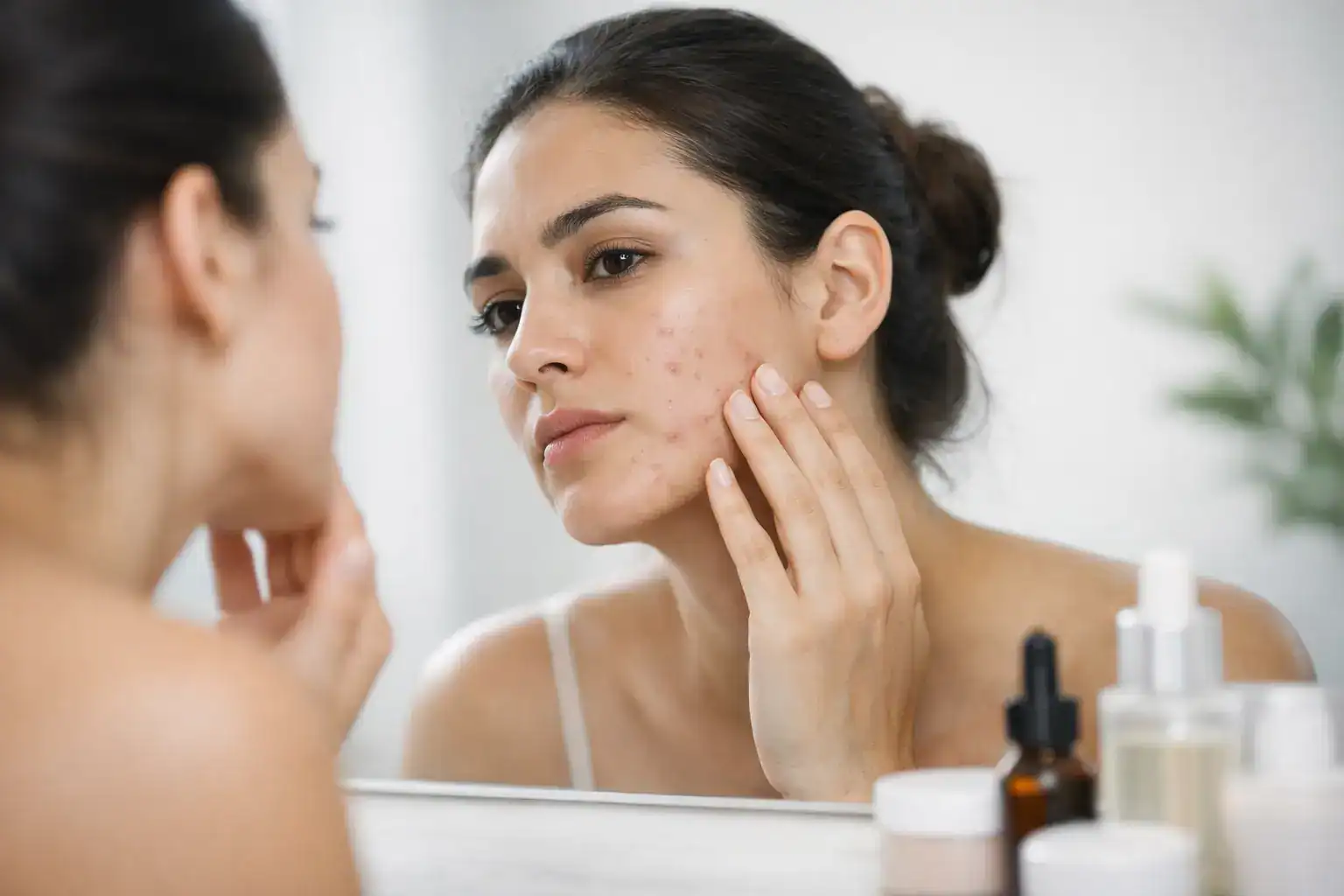
Finding the best dermatologist for rosacea is essential for managing persistent facial redness, flushing, sensitive skin, and inflammatory breakouts. Rosacea is a chronic inflammatory skin condition that primarily affects the face and can significantly influence skin comfort, appearance, and quality of life. Although there is no permanent cure, professional dermatological treatment can effectively control symptoms, reduce flare-ups, and improve long-term skin health.
The right dermatologist provides more than temporary relief. Through an accurate diagnosis, personalized treatment recommendations, and ongoing skin care guidance, a qualified specialist can help patients achieve healthier, calmer skin.
In this comprehensive guide, we explore how to identify the best rosacea dermatologist, available treatment options, important qualifications, and practical strategies for managing rosacea effectively.
Why Choosing the Best Dermatologist for Rosacea Matters
Rosacea symptoms vary considerably between individuals. Some patients experience occasional facial flushing, while others develop persistent redness, acne-like bumps, visible blood vessels, or eye irritation. These differences make specialized dermatological care particularly important.
An experienced dermatologist specializing in rosacea understands how to distinguish the condition from acne, eczema, seborrheic dermatitis, contact dermatitis, and other skin disorders with similar symptoms.
Professional treatment offers several important benefits:
- Accurate diagnosis: Identifying rosacea and its specific clinical features.
- Personalized treatment: Selecting medications and skin care routines suited to individual symptoms.
- Improved symptom control: Reducing inflammation, persistent redness, and inflammatory breakouts.
- Trigger management: Identifying environmental and lifestyle factors that contribute to flare-ups.
- Long-term monitoring: Adjusting treatment as symptoms and skin sensitivity change.
- Prevention of complications: Recognizing conditions such as ocular rosacea and progressive skin thickening.
By choosing a dermatologist with relevant clinical experience, patients can receive evidence-based care designed to improve both immediate symptoms and long-term skin health.
What Does a Dermatologist for Rosacea Treat?
A qualified rosacea specialist dermatologist evaluates the different symptoms and clinical presentations of rosacea. The condition can affect facial skin, blood vessels, and occasionally the eyes.
Persistent Facial Redness and Flushing
Frequent facial flushing and lasting redness are common features of rosacea. Symptoms typically occur around the cheeks, nose, forehead, and chin.
A dermatologist may recommend prescription topical treatments, gentle skin care products, and appropriate laser or light-based procedures to reduce persistent redness.
Acne-Like Bumps and Pustules
Some individuals develop inflammatory bumps and pustules that resemble acne. Unlike typical acne, rosacea generally does not produce blackheads or whiteheads.
Treatment may include topical azelaic acid, ivermectin, metronidazole, or oral medications when necessary.
Visible Facial Blood Vessels
Small, enlarged blood vessels can become noticeable around the cheeks and nose. These are known as telangiectasias.
Dermatologists may use vascular laser treatments or intense pulsed light therapy to reduce their appearance.
Thickened Skin and Rhinophyma
In some cases, rosacea causes progressive skin thickening, particularly around the nose. This condition is called rhinophyma.
Advanced cases may require specialized procedures, including laser resurfacing or surgical techniques, to improve the affected tissue.
Ocular Rosacea
Rosacea can also affect the eyes, causing dryness, burning, redness, irritation, and eyelid inflammation.
Patients experiencing eye symptoms may require coordinated care between a dermatologist and an ophthalmologist. Eye pain, sensitivity to light, or changes in vision warrant prompt medical assessment.
How to Choose the Best Dermatologist for Rosacea
Selecting the right specialist requires evaluating professional qualifications, clinical experience, treatment methods, and patient-centered care.
Important Qualities to Look for in a Rosacea Dermatologist
When researching dermatologists, we recommend considering the following criteria:
- Professional qualifications: Choose a properly licensed dermatologist with recognized specialist training in dermatology.
- Experience treating rosacea: Look for a specialist who regularly manages facial redness, inflammatory rosacea, and sensitive skin conditions.
- Comprehensive treatment options: Prioritize clinics that offer appropriate prescription treatments and access to procedural therapies when indicated.
- Personalized consultations: Select a dermatologist who evaluates symptoms, medical history, triggers, and treatment preferences.
- Patient communication: A good specialist clearly explains treatment benefits, potential side effects, costs, and expected outcomes.
- Follow-up care: Effective rosacea management often requires reassessment and treatment adjustments.
- Transparent pricing: Choose a clinic that provides clear information about consultation fees, medications, and procedures.
The best dermatologist for rosacea treatment should develop an individualized management plan rather than recommend the same products or procedures to every patient.
Best Dermatologist-Recommended Treatments for Rosacea
Rosacea treatment depends on the symptoms present, their severity, previous treatment responses, and individual medical considerations.
Topical Prescription Medications
Prescription creams and gels are frequently recommended for mild to moderate rosacea.
Common options include:
- Metronidazole: Helps reduce inflammatory rosacea lesions.
- Azelaic acid: Can improve inflammatory bumps, pustules, and some associated redness.
- Ivermectin cream: Targets inflammatory lesions and may be particularly beneficial for papulopustular rosacea.
- Brimonidine gel: Temporarily reduces persistent facial redness by constricting superficial blood vessels.
- Oxymetazoline cream: Provides temporary improvement in persistent facial erythema.
These medications work differently, and not every treatment is appropriate for every patient. A dermatologist determines the best option based on the patient’s clinical presentation and skin tolerance.
Oral Medications for Moderate to Severe Rosacea
Patients with more extensive inflammatory rosacea may benefit from oral medication.
Low-dose doxycycline is commonly prescribed because of its anti-inflammatory properties. Certain patients may require other treatments depending on symptom severity and previous responses.
Oral isotretinoin may occasionally be considered for difficult-to-treat rosacea under close specialist supervision because it carries significant risks and monitoring requirements.
Laser and Light-Based Rosacea Treatments
Laser therapy and intense pulsed light are valuable options for certain patients with persistent redness and visible blood vessels.
Common procedures include:
- Pulsed dye laser: Targets superficial blood vessels and facial redness.
- Intense pulsed light (IPL): May reduce diffuse redness and visible vascular changes.
- KTP laser: Can treat selected superficial facial blood vessels.
Results vary, and multiple sessions may be necessary. These procedures should be performed by appropriately trained clinicians, with particular attention to skin tone and the risk of pigmentary changes.
Best Dermatologist for Rosacea Near Me: Finding a Qualified Specialist
Searching for the best dermatologist for rosacea near me is a practical starting point for finding accessible professional care.
However, convenience should not be the only consideration. Patients should prioritize dermatologists who offer appropriate diagnostic assessments, established treatment options, and ongoing support.
Where to Find a Trusted Rosacea Dermatologist
Several resources can help patients identify qualified specialists:
- Professional dermatology associations: Search recognized dermatologist directories and verify specialist credentials.
- Hospital dermatology departments: Established hospitals often provide access to dermatologists experienced in chronic skin conditions.
- Medical referrals: Primary care physicians can recommend dermatologists based on individual symptoms.
- Patient reviews: Feedback may provide insight into communication, clinic organization, and patient experiences.
- Dermatology clinic websites: Review available services, clinician qualifications, and treatment approaches.
When evaluating online reviews, we recommend focusing on consistent information about professional care rather than relying solely on individual testimonials or before-and-after photographs.
How Much Does a Dermatologist for Rosacea Cost?
The cost of seeing a dermatologist for rosacea depends on location, consultation type, treatment complexity, and whether specialized procedures are required.
Initial consultations usually involve a clinical examination, medical history review, diagnosis, and treatment planning.
Additional expenses may include prescription medications, follow-up visits, laser treatments, and other recommended procedures.
Factors That Influence Rosacea Treatment Costs
Several factors can affect overall treatment expenses:
- Dermatologist’s experience and qualifications: Specialist consultation fees may vary according to expertise and location.
- Severity of rosacea: Patients requiring more intensive treatment may incur higher costs.
- Prescription medications: Prices differ depending on the medication, formulation, and duration of use.
- Laser or IPL sessions: Procedural treatments may require several appointments.
- Follow-up consultations: Long-term management may involve periodic reassessment.
- Health insurance: Coverage varies by insurer, treatment type, and medical necessity.
Before starting treatment, patients should request a clear explanation of anticipated costs and available alternatives.
Dermatologist-Recommended Skin Care Routine for Rosacea
Maintaining a gentle, consistent skin care routine is an essential part of effective rosacea management. Even prescription medications may be less tolerable when the skin is repeatedly exposed to irritating ingredients.
Daily Skin Care Tips for Rosacea-Prone Skin
We recommend discussing the following practices with a dermatologist:
- Use a gentle facial cleanser: Choose fragrance-free products that remove impurities without stripping the skin’s natural moisture.
- Apply a suitable moisturizer: Look for products containing skin barrier-supporting ingredients, such as ceramides and glycerin.
- Wear sunscreen daily: Select broad-spectrum SPF 30 or higher, preferably a mineral formulation if chemical sunscreens cause irritation.
- Avoid harsh exfoliation: Abrasive scrubs, aggressive peels, and irritating acids can aggravate sensitive skin.
- Limit exposure to personal triggers: Common examples include excessive heat, sunlight, alcohol, and spicy foods.
- Introduce new products gradually: Test one product at a time to help identify potential irritation.
These recommendations are consistent with guidance from the American Academy of Dermatology. American Academy of Dermatology+1
When Should You See a Dermatologist for Rosacea?
Early professional assessment is advisable when facial redness becomes persistent, recurrent flushing affects daily activities, or over-the-counter products fail to improve symptoms.
A consultation is particularly important when inflammatory bumps, visible blood vessels, burning sensations, or progressive skin thickening develop.
Patients should also seek medical advice when symptoms interfere with confidence, comfort, or daily routines.
Although rosacea cannot currently be cured, appropriate management can reduce symptoms and help prevent worsening. American Academy of Dermatology+1
Questions to Ask Before Choosing a Rosacea Specialist
A successful consultation begins with understanding the dermatologist’s experience and proposed treatment approach.
Before committing to treatment, we recommend asking:
- What clinical features of rosacea do I have?
- Which treatment options are most appropriate for my symptoms?
- How long might it take to notice improvement?
- Which skin care ingredients should I avoid?
- Would laser or light-based therapy benefit my condition?
- What side effects should I watch for?
- How often should I schedule follow-up appointments?
Clear answers can help patients make informed decisions and establish realistic expectations.
FAQs about Best Dermatologist for Rosacea
1. Who Is the Best Dermatologist for Rosacea?
The best dermatologist for rosacea is a board-certified skin specialist with extensive experience diagnosing and treating rosacea. We recommend choosing a dermatologist who provides personalized treatment plans and understands different rosacea symptoms and skin types.
2. When Should I See a Dermatologist for Rosacea?
We recommend visiting a dermatologist if you experience persistent facial redness, visible blood vessels, frequent flushing, acne-like bumps, or skin irritation. Early treatment can help manage symptoms and reduce flare-ups.
3. What Treatments Do Dermatologists Recommend for Rosacea?
Dermatologists may recommend topical medications, oral antibiotics, laser therapy, or light-based treatments, depending on rosacea severity. Common prescription treatments include metronidazole, azelaic acid, and ivermectin.
4. Can a Dermatologist Permanently Cure Rosacea?
Currently, there is no permanent cure for rosacea. However, an experienced dermatologist can help control symptoms, minimize flare-ups, and improve skin appearance through appropriate treatment and skincare recommendations.
5. How Much Does a Dermatologist for Rosacea Cost?
The cost of seeing a dermatologist for rosacea varies depending on location, consultation fees, treatment options, and follow-up appointments. We recommend comparing qualified specialists and checking insurance coverage before booking.
6. How Do I Find the Best Dermatologist for Rosacea Near Me?
We suggest searching for board-certified dermatologists specializing in rosacea, reviewing patient feedback, verifying professional credentials, and comparing available treatment services.
7. What Should I Ask a Dermatologist About Rosacea?
We recommend asking about your rosacea subtype, treatment options, potential side effects, skincare products, common triggers, and expected treatment results.
8. Is Laser Treatment Effective for Rosacea?
Yes. Laser and light-based treatments can reduce persistent redness and visible blood vessels in some patients. However, multiple sessions may be necessary, and results vary.
Conclusion
Choosing the best dermatologist for rosacea is an important step toward achieving lasting symptom control and healthier skin. A qualified specialist can provide an accurate diagnosis, recommend evidence-based treatments, and develop a personalized management plan suited to individual needs.
Whether you experience persistent facial redness, inflammatory breakouts, visible blood vessels, or sensitive skin, professional dermatological care can make a meaningful difference.
We recommend prioritizing clinical experience, recognized qualifications, transparent communication, and comprehensive follow-up care when selecting a specialist. With the right dermatologist and a consistent treatment approach, rosacea symptoms can often be effectively managed, improving skin comfort, appearance, and overall quality of life.