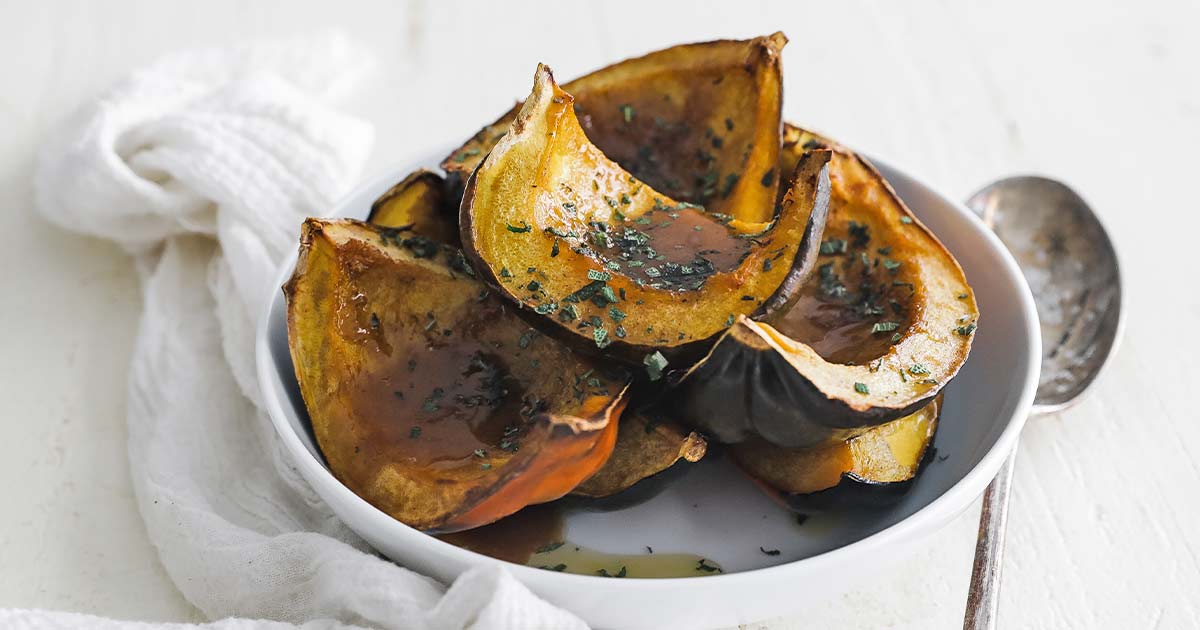
Baked Acorn Squash Recipe: When the cool breeze of fall sets in and the leaves start turning shades of red, orange, and gold, one vegetable quietly makes its way to dinner tables: the acorn squash. This small, ridged winter squash may not look like much at first glance, but once baked, it transforms into a tender, flavorful dish that feels like comfort food in every bite. Whether you’re making it as a simple side dish, a wholesome vegetarian main course, or even a sweet treat, baked acorn squash has a way of winning hearts.
By the end of this guide, you’ll know exactly how to pick, prep, season, and bake acorn squash. Whether you love sweet flavors or savory ones, this recipe guide will give you plenty of ideas to make acorn squash a regular guest at your dinner table.
Ingredients You’ll Need
The beauty of baked acorn squash is that it doesn’t require an endless list of fancy ingredients. In fact, you can create a delicious dish with just a handful of pantry staples. But depending on whether you want to go the sweet route or the savory route, you might choose to add a few extras. Let’s break down the essentials.
Basic Ingredients:
- Acorn squash (1–2 medium-sized): The star of the dish. Choose firm, heavy squash with deep green skin.
- Olive oil or butter (2–3 tablespoons): Helps the squash roast evenly and enhances flavor.
- Salt and pepper (to taste): The simplest seasoning combination that never fails.
For a Sweet Version:
- Brown sugar or maple syrup (1–2 tablespoons per half): Adds a caramelized sweetness.
- Ground cinnamon or nutmeg (½ teaspoon): Perfect for a warm, cozy flavor.
- Butter (optional, 1 teaspoon per half): Makes it rich and indulgent.
For a Savory Version:
- Garlic powder or fresh garlic (1 teaspoon): Adds depth and aroma.
- Fresh herbs (rosemary, thyme, sage): Infuse earthy, comforting flavors.
- Parmesan cheese (optional, 2 tablespoons): Creates a savory, slightly crispy topping.
Optional Add-ins:
- Chili flakes or cayenne pepper: For a little heat.
- Honey or balsamic glaze: Adds sweetness and tang.
- Stuffing mix (quinoa, rice, or sautéed veggies): Turns your squash into a hearty main dish.
The flexibility of ingredients is what makes this recipe so enjoyable. If you’re making it for kids, stick to the sweet version—it tastes almost like dessert. If you’re cooking for a cozy family dinner, a savory baked acorn squash with herbs and cheese makes an elegant side dish. And if you want a one-dish meal, stuffing it with grains and vegetables is the way to go.
Tools and Equipment Required
Before diving into the recipe, let’s make sure you’ve got the right tools ready. Preparing acorn squash requires a bit of muscle, so using the proper equipment will make the process much easier and safer.
Kitchen Tools:
- Sharp chef’s knife: A must-have for cutting through the tough skin of acorn squash. A dull knife will make the job dangerous and difficult.
- Cutting board: Use a sturdy one, preferably wood or heavy-duty plastic, to keep the squash steady.
- Spoon: Essential for scooping out seeds and stringy pulp.
- Measuring spoons: Helpful for seasoning and ensuring consistent flavor.
Cooking Tools:
- Baking sheet or roasting pan: Choose one with a rim to catch juices and prevent spills.
- Parchment paper or aluminum foil: Makes cleanup a breeze and prevents sticking.
- Basting brush (optional): For spreading oil, butter, or seasonings evenly on the squash.
Safety Tips:
- Since acorn squash has a hard shell, always stabilize it on the cutting board by slicing a small piece off the bottom to create a flat base. This prevents wobbling when you cut.
- Warm your knife slightly by running it under hot water—it makes slicing smoother.
- If the squash feels too hard, you can microwave it for 2–3 minutes before cutting. This softens the skin just enough to make it easier to handle.
Having the right tools ready will make the whole cooking process more enjoyable. After all, no one wants to wrestle with a squash while trying to prepare dinner. Once you’ve gathered your tools, it’s time to start cooking.
Step-by-Step Guide to Preparing Baked Acorn Squash
This is where the magic happens. Don’t worry if you’ve never baked squash before—this guide breaks it down into simple, manageable steps that anyone can follow.
Step 1: Choosing and Washing the Squash
Start with a good-quality squash. Look for one that feels heavy for its size and has smooth, firm skin without soft spots. A deep green color with a small patch of orange or yellow is normal—it just means the squash has ripened on the vine. Once you’ve picked your squash, give it a good rinse under running water. Use a vegetable brush if needed to scrub off dirt from the ridges. Since you’ll be baking it with the skin on, washing thoroughly is important.
Step 2: Cutting and Removing Seeds Safely
Place your squash on a stable cutting board. Using a sharp knife, carefully cut it in half lengthwise through the stem. Don’t rush—steady pressure is safer than forcing the cut. Once halved, you’ll see the seed cavity. Use a spoon to scoop out the seeds and stringy pulp, just like you would with a pumpkin. Don’t throw the seeds away—you can roast them later for a crunchy snack.
Step 3: Prepping the Squash for Baking
After cleaning, decide how you want to bake it. Most recipes call for baking acorn squash halves, but you can also slice it into wedges or rings for faster cooking. Place the halves cut-side up on a lined baking sheet. If you prefer, you can flip them cut-side down for the first part of baking, then turn them over halfway through for a caramelized top.
Step 4: Seasoning Options (Sweet vs. Savory)
This is where you customize the flavor. For sweet squash, brush the flesh with melted butter and sprinkle with brown sugar and cinnamon. For savory squash, drizzle olive oil, sprinkle salt and pepper, and add herbs or garlic. You can even mix and match—sweet on one half, savory on the other—to please everyone at the table.
Step 5: Baking the Squash to Perfection
Preheat your oven to 400°F (200°C). Place your prepared squash halves on the baking sheet and bake for about 45–60 minutes, depending on the size. You’ll know it’s done when the flesh is fork-tender and golden around the edges. If you want an extra caramelized surface, broil for the last 2–3 minutes.
Once baked, let it cool slightly before serving. You can scoop the flesh straight out of the skin or serve it in its shell for a rustic, beautiful presentation.
Variations of Baked Acorn Squash
While the basic recipe is delicious on its own, one of the best things about acorn squash is how versatile it is. You can dress it up in countless ways to match your mood, your menu, or the season.
Sweet Baked Acorn Squash
This version almost tastes like dessert. Brush the squash with butter, sprinkle generously with brown sugar and cinnamon, and drizzle a little maple syrup before baking. The sugar caramelizes beautifully, creating a rich glaze that makes each bite indulgent. You can even add a handful of chopped pecans or walnuts on top for crunch.
Savory Baked Acorn Squash
For a side dish that pairs perfectly with roasted chicken, turkey, or beef, go the savory route. Drizzle olive oil, sprinkle with salt, pepper, garlic, and fresh rosemary or thyme. A sprinkle of Parmesan cheese near the end of baking gives it a salty, crispy finish. This version is hearty, aromatic, and full of earthy flavors.
Stuffed Acorn Squash
Want to turn it into a main course? Stuffed acorn squash is the answer. After baking for about 30 minutes, scoop some of the flesh to make room, then fill with your choice of stuffing—quinoa with cranberries, wild rice with mushrooms, or even sausage and cheese. Return to the oven to bake until everything is tender and golden. It’s not just delicious—it looks stunning when served.
Nutritional Benefits of Baked Acorn Squash
When you enjoy baked acorn squash, you’re not just savoring a cozy fall dish—you’re also giving your body a powerhouse of nutrients. This vegetable is more than just a comfort food; it’s a health booster that fits into nearly any diet.
Acorn squash is naturally low in calories but packed with vitamins and minerals. A one-cup serving of baked acorn squash provides around 115 calories, 9 grams of fiber, and nearly a full day’s worth of vitamin C. That fiber content alone makes it a superstar for digestion, helping you feel full longer and promoting a healthy gut. Unlike refined carbs that spike blood sugar, the complex carbohydrates in acorn squash release energy slowly, making it a smart choice for sustained energy throughout the day.
Another key nutrient is vitamin A, essential for eye health, skin repair, and immune defense. The beta-carotene in acorn squash gives it a golden hue when baked, and your body converts it into vitamin A naturally. Along with vitamin C, it helps strengthen your immune system, which is especially useful during cold and flu season.
Acorn squash also contains essential minerals such as potassium, magnesium, and manganese. Potassium supports healthy blood pressure, magnesium aids in muscle and nerve function, and manganese contributes to bone health. On top of that, it’s rich in antioxidants, which help combat inflammation and protect your cells from damage.
If you’re watching your diet, baked acorn squash fits seamlessly into different lifestyles. It’s naturally gluten-free, vegetarian, and vegan. For those following a weight-loss plan, its high fiber content makes it a filling food that doesn’t overload you with calories. For athletes or active individuals, it provides slow-digesting carbs for energy and recovery.
In short, baked acorn squash is more than just tasty—it’s a nutrient-dense addition to your meal plan. Eating it regularly supports long-term health while still satisfying your craving for something warm and hearty.
Tips for Selecting the Best Acorn Squash
The secret to a great baked acorn squash recipe starts long before you turn on the oven—it begins at the grocery store or farmers’ market. Picking the right squash ensures that your dish comes out flavorful, tender, and naturally sweet.
Here’s what to look for when selecting acorn squash:
- Color and Appearance: The skin should be deep green with a small patch of orange or yellow, which shows it ripened naturally on the vine. Avoid squash that’s too orange all over—it’s often overripe and can taste dry.
- Texture of the Skin: A good acorn squash has firm, hard skin. If you can press your fingernail into the skin easily, it may be overripe or starting to spoil.
- Weight: Pick it up—it should feel heavy for its size. A lighter squash often indicates it has lost moisture inside and won’t have the same rich flavor.
- Size Matters: Medium-sized squash (about 1–2 pounds) are the sweetest and most tender. Larger ones can sometimes be stringy or less flavorful.
- Stem Condition: A dry, firm stem means the squash was harvested properly. If the stem is missing or mushy, it may not last as long.
If you’re shopping at a farmers’ market, don’t hesitate to ask the vendor when the squash was harvested. Freshly picked squash lasts longer and tastes better. Once you bring it home, store it in a cool, dry place—preferably a pantry or cellar. Acorn squash can last up to a month when stored properly, making it a convenient vegetable to keep on hand for quick meals.
By choosing the right squash, you set yourself up for success in the kitchen. With just a little attention to detail, you’ll ensure every baked acorn squash comes out perfectly flavorful and satisfying.
Serving Suggestions and Pairings
One of the best things about baked acorn squash is its versatility—it can be the star of the show or a humble side dish. Knowing how to serve and pair it will take your meal from simple to unforgettable.
As a Side Dish:
Acorn squash makes a perfect complement to roasted meats like turkey, chicken, or beef. Its slightly sweet flavor balances out savory main dishes. For Thanksgiving or holiday dinners, baked acorn squash sits beautifully next to stuffing, cranberry sauce, and green beans.
As a Main Course:
Stuffed acorn squash can easily stand alone as a main dish. Fill it with quinoa, lentils, or wild rice for a hearty vegetarian option, or go with sausage, ground turkey, or shredded chicken for a protein-packed version. Since the squash itself acts as an edible bowl, it makes for an impressive presentation on the dinner table.
Flavor Pairings:
- Sweet Variations: Pair with roasted carrots, sweet potatoes, or cranberry relish for a warm, cozy meal.
- Savory Variations: Goes well with garlic mashed potatoes, sautéed greens, or roasted Brussels sprouts.
- Balanced Plates: Add a fresh green salad with citrus vinaigrette to cut through the richness of the squash.
Creative Uses:
If you have leftovers, scoop out the flesh and mash it with a little butter and cinnamon—it makes a healthier alternative to mashed potatoes. You can also blend it into soups for extra creaminess without adding dairy. Some even use it as a base for pasta sauces, giving a sweet, nutty undertone to classic recipes.
With so many ways to serve it, baked acorn squash proves itself as a flexible ingredient that adapts to any meal. Whether you’re planning a weeknight dinner or a festive holiday feast, there’s always room for this seasonal favorite on the menu.
Storing and Reheating Leftovers
One of the best parts about making baked acorn squash is that it reheats beautifully, making it a meal prep dream. Whether you’ve got extra halves from dinner or a stuffed squash that didn’t get finished, proper storage ensures you can enjoy it again without losing flavor or texture.
How to Store:
- In the refrigerator: Place cooled squash in an airtight container. It will stay fresh for up to 4 days.
- In the freezer: Scoop out the cooked flesh, mash it, and store in a freezer-safe container or bag. Frozen squash lasts up to 3 months. Avoid freezing the skin, as it doesn’t hold up well.
How to Reheat:
- Oven method (best option): Preheat your oven to 350°F (175°C). Place the squash in a baking dish, cover with foil to retain moisture, and heat for 15–20 minutes until warmed through.
- Microwave method (quick option): Place squash in a microwave-safe dish, cover with a damp paper towel, and heat for 2–3 minutes. Stir or rotate halfway through for even reheating.
- Stovetop method: For mashed or scooped squash, reheat gently in a saucepan with a splash of water or broth to keep it creamy.
Pro Tips:
- If reheating stuffed squash, add a sprinkle of cheese or drizzle of olive oil before warming—it refreshes the flavors.
- Don’t overheat in the microwave, as it can dry out the flesh or make it rubbery.
By storing and reheating properly, baked acorn squash becomes a meal that keeps on giving. You can cook a large batch on the weekend and enjoy it as sides, soups, or even breakfast hash throughout the week.
Common Mistakes to Avoid When Baking Acorn Squash
Even though baking acorn squash is simple, a few common mistakes can make the difference between a perfect dish and a disappointing one. By knowing what to avoid, you’ll get tender, flavorful squash every single time.
1. Not Using a Sharp Knife
Acorn squash has a hard outer skin, and trying to cut it with a dull knife can be dangerous. Many people struggle here, leading to uneven cuts or even accidents. Always use a sharp chef’s knife, and if the squash is too tough, microwave it for 2–3 minutes to soften before slicing.
2. Skipping the Seasoning
Squash is naturally mild in flavor. If you just bake it plain without oil, butter, or spices, it may taste bland. Even a simple drizzle of olive oil and a sprinkle of salt and pepper go a long way in enhancing its flavor.
3. Baking at the Wrong Temperature
Low oven temperatures won’t allow the squash to caramelize properly, leaving it pale and underwhelming. Too high, and it may dry out or burn. The sweet spot is 400°F (200°C) for about 45–60 minutes. This ensures tender flesh and slightly crispy edges.
4. Placing Squash Cut-Side Up Only
Baking cut-side up the whole time often causes the squash to dry out. Instead, start baking cut-side down for the first half of cooking to trap steam and soften the flesh, then flip it cut-side up for the second half to caramelize the top.
5. Overcrowding the Pan
When squash halves are crammed onto a baking sheet, they don’t roast evenly. Make sure to leave space between each piece so hot air can circulate properly.
6. Overcooking or Undercooking
An overcooked squash turns mushy, while an undercooked one is tough and unpleasant. Always test doneness by piercing the flesh with a fork—it should slide in easily but not fall apart completely.
By avoiding these simple mistakes, you’ll master the art of baked acorn squash. Each bite will have the perfect balance of tenderness, caramelization, and seasoning.
Healthier Alternatives and Substitutions
One of the best things about baked acorn squash is its adaptability. If you’re trying to make your meals lighter, lower in sugar, or aligned with a specific diet, here are a few healthy swaps you can try:
- Butter → Olive Oil or Coconut Oil: Instead of butter, drizzle a small amount of olive oil or melted coconut oil for healthier fats.
- Brown Sugar → Maple Syrup or Honey: Both natural sweeteners add richness without refined sugar.
- Cheese → Nutritional Yeast: For a vegan-friendly, cheesy flavor, sprinkle nutritional yeast instead of Parmesan.
- Stuffing with Rice → Quinoa or Cauliflower Rice: These add protein or lower carbs while keeping the texture satisfying.
- Heavy Fillings → Lentils or Chickpeas: For plant-based protein, legumes make a great stuffing choice.
These substitutions make baked acorn squash suitable for keto, paleo, vegan, and gluten-free diets. It proves that healthy eating doesn’t mean sacrificing flavor—you can still enjoy a rich, hearty dish that nourishes your body.
Why Baked Acorn Squash is a Perfect Holiday Dish
Acorn squash isn’t just another vegetable—it’s a showstopper at holiday gatherings. Its vibrant colors, warm flavors, and elegant presentation make it perfect for festive meals.
When baked, the squash halves act like little edible bowls, making them a beautiful addition to your table. Whether you serve them stuffed with grains and herbs or simply glazed with brown sugar, they bring both flavor and charm.
Another reason it shines during holidays is its ability to complement other classic dishes. Acorn squash pairs perfectly with roasted turkey, glazed ham, stuffing, and cranberry sauce. It balances the richness of holiday meals without feeling heavy.
Finally, baked acorn squash is incredibly inclusive. It’s naturally vegetarian, gluten-free, and easy to adapt for vegan diets, meaning everyone at the table can enjoy it. That makes it a thoughtful dish to serve when hosting friends and family with different dietary needs.
When planning your holiday menu, don’t overlook this humble squash—it might just become the star of your dinner spread.
FAQs about Baked Acorn Squash Recipe
1. Can I prepare baked acorn squash ahead of time?
Yes! You can bake the squash a day in advance and store it in the fridge. Just reheat in the oven before serving.
2. Is baked acorn squash good for kids?
Absolutely. The natural sweetness makes it appealing to kids, especially if you prepare it with a touch of cinnamon and maple syrup.
3. What’s the best way to make baked acorn squash crispy?
Brush the flesh with olive oil and broil for the last 2–3 minutes of baking for a caramelized, slightly crispy finish.
4. Can I roast acorn squash with other vegetables?
Yes, but make sure to cut everything into similar sizes so they cook evenly. Root vegetables like carrots and potatoes pair especially well.
5. How can I make baked acorn squash more filling?
Turn it into a stuffed dish by adding quinoa, lentils, rice, or sausage. This transforms it from a side dish into a complete meal.
Conclusion
It’s not only delicious but also highly nutritious—packed with vitamins, fiber, and antioxidants that support overall health. Plus, it’s affordable, easy to prepare, and versatile enough to shine as a side dish or a main course.
So the next time you spot acorn squash at the market, grab a few and give this step-by-step baked acorn squash recipe a try. Once you taste that caramelized, melt-in-your-mouth goodness, you’ll wonder why you didn’t start cooking it sooner.